
The narrowest strip of Mexico has historically harbored the ambition of uniting two oceans through a land bridge capable of challenging traditional maritime routes. The Tehuantepec Isthmus Railway represents much more than a dual-track rail line; it is the materialization of a geopolitical and engineering project that for over a century has sought to connect the vastness of the Gulf of Mexico with the open currents of the Pacific Ocean. Traversing tropical rainforests, coastal plains, and the foothills of the Sierra Madre de Chiapas, this corridor has stood as a silent witness to the nation’s commercial shifts and a constant technological modernization aimed at overcoming the natural barriers of the American tropics.
Understanding the magnitude of this endeavor requires delving into the archives of nineteenth-century engineering, where Mexican and foreign visionaries foresaw the economic potential of shortening shipping distances between Europe, the United States East Coast, and Asian markets. Far from being a simple layout on paper, the initial construction faced colossal challenges stemming from extreme weather, labor shortages, and dense tropical vegetation that devoured the progress of the rails almost as fast as they were laid. This report examines the evolution of this neuralgic infrastructure, breaking down construction milestones, the complex logistics of contemporary operation, and the socioeconomic impact generated across isthmian communities.
The Origins of a Transoceanic Ambition
The idea of establishing a commercial route across the Isthmus of Tehuantepec dates back to colonial decrees and the earliest independent explorations of nineteenth-century Mexico. As early as the 1800s, figures such as explorer and scientist José María de Garay secured concessions to study the feasibility of an interoceanic canal or railway. Nevertheless, internal political instability and persistent geopolitical threats delayed the effective commencement of construction until the late century, when the administration of Porfirio Díaz prioritized territorial integration through foreign capital alongside British and North American technology.
The definitive route, formally inaugurated in 1907 following years of intensive civil engineering works, required the construction of deep-water ports at both extremities: Coatzacoalcos on the Atlantic coast and Salina Cruz on the Pacific. These terminal facilities were engineered to receive the era’s large cargo steamers, enabling agile, mechanized transshipment onto freight railcars. Engineers of the period had to devise innovative technical solutions to overcome terrain grade changes, particularly when approaching the Chivela pass, the route’s highest point, where steep gradients demanded extraordinary tractive effort from steam locomotives.
Engineering Against Tropical Climate and Topography
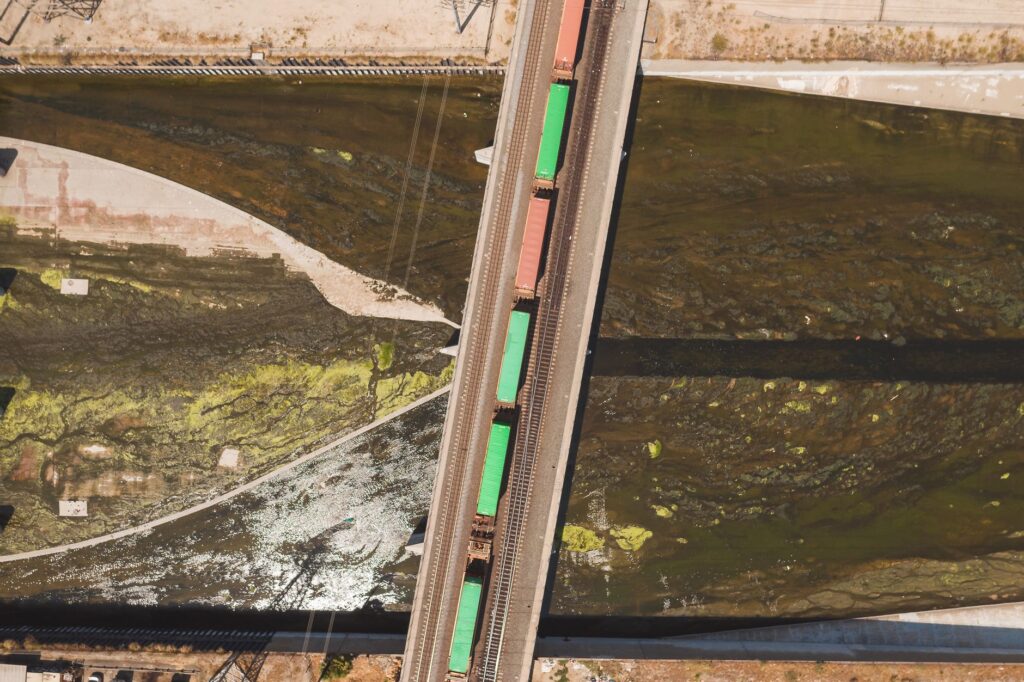
Constructing and maintaining a railway line in Mexico’s humid tropics imposes severe operational conditions. Intense rainfall during the rainy season causes heavy rivers such as the Coatzacoalcos and Uxpanapa to overflow, undermining embankments and testing the structural integrity of original metal bridges. Accelerated corrosion caused by the saline environment on both coasts and the aggressiveness of tropical flora continuously invading the right-of-way demand constant, specialized maintenance.
During deep renovation works carried out over the years, hardwood ties were replaced with prestressed concrete structures, and rail armor was upgraded to withstand heavier axle loads. Railway maintenance crews have had to contend with the region’s geological instability, marked by local tectonic faults generating frequent earthquakes. Modern engineering has responded to these threats by installing geotechnical monitoring systems and stabilizing slopes using masonry and geogrids, ensuring transit safety for heavy freight convoys.
Multimodal Logistics and Deep-Water Ports
The economic viability of the Tehuantepec Isthmus Railway rests upon its capacity to integrate into an efficient multimodal logistics chain. The ports of Coatzacoalcos and Salina Cruz have undergone profound transformations in their aquatic and terrestrial infrastructures, dredging basins to accommodate new-generation container ships and modernizing marshalling yards with high-speed gantry cranes.
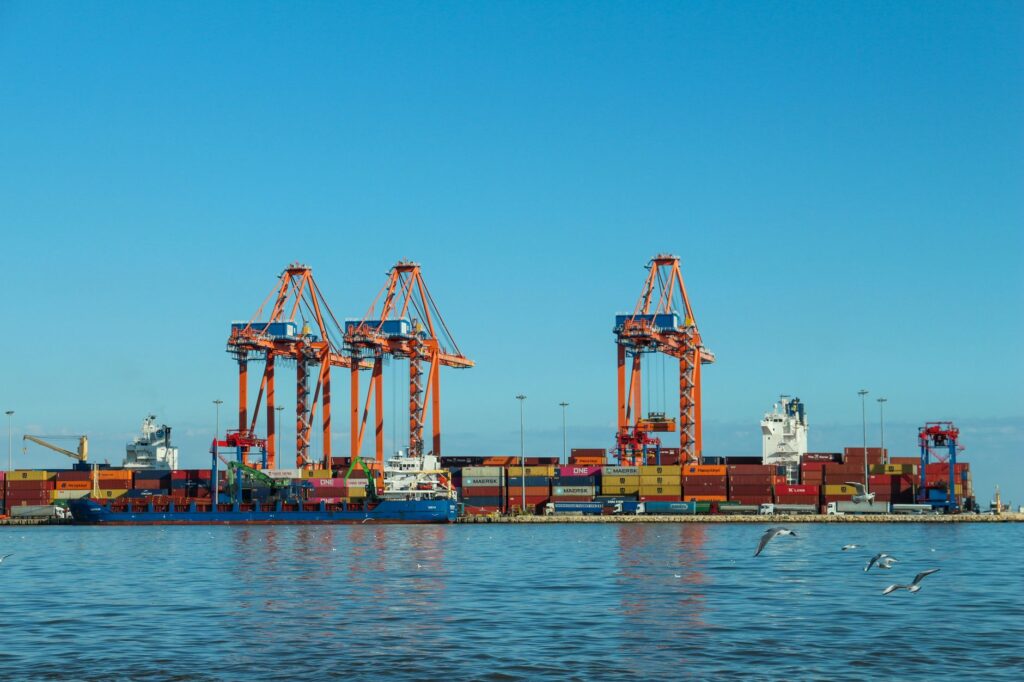
The ship-to-rail cargo transfer system demands millimetric synchronization. Logistics operators manage scheduled container trains crossing the isthmus in under ten hours, offering a competitive alternative to the congested Panama Canal, particularly when draft restrictions or global maritime traffic create bottlenecks in the Central American interoceanic route. This connectivity is complemented by a network of modernized federal highways facilitating the regional distribution of goods.
The Human Pulse of Isthmian Communities
Beyond freight volumes and macroeconomic indices, the railway traverses the ancestral territory of the Zapotec, Mixe, Zoque, and Huave peoples. Historical stations, many converted today into cultural centers or silent witnesses of the past, preserve the collective memory of generations raised to the rhythm of the engine whistle. The passage of the train has shaped the cuisine, local commerce, and cultural identity of towns such as Matías Romero, the historical operational heart of the system.
Local communities maintain a complex and ambivalent relationship with large-scale economic revitalization projects. While incoming investments promise employment and basic service modernization, they also generate concern regarding the preservation of communal lands and indigenous rights. Dialogue between federal authorities, logistics operators, and community councils remains a decisive factor in ensuring infrastructure development respects the region’s social and environmental fabric.
Railway Architecture and Industrial Heritage
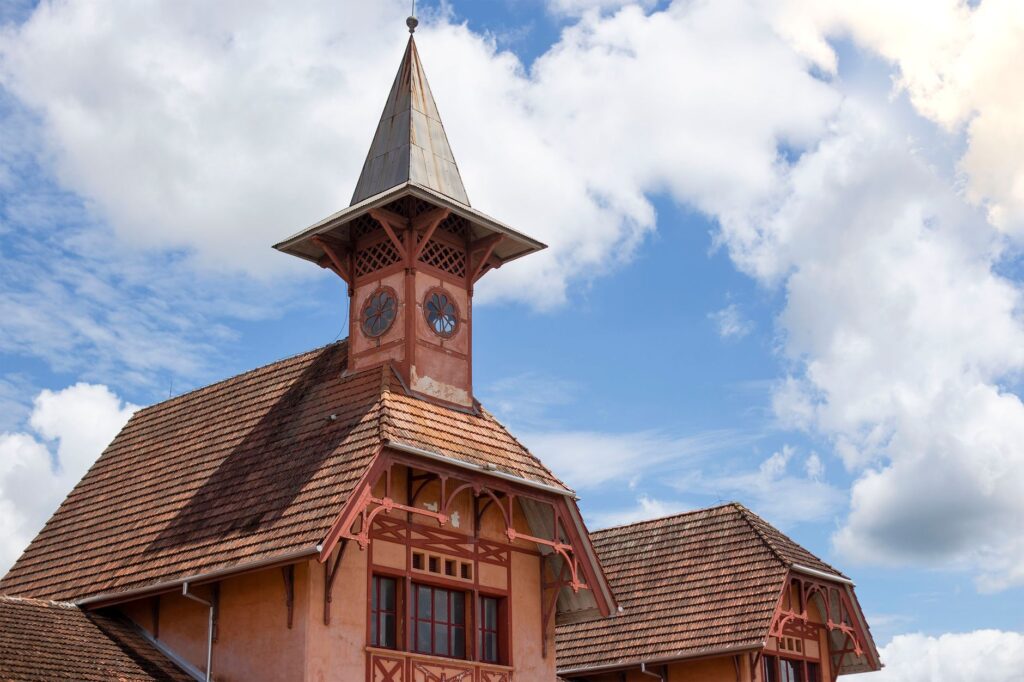
The isthmus landscape is dotted with architectural vestiges chronicling the golden age of the railway. Storage warehouses featuring riveted steel structures imported from Liverpool, gable-roof mechanical workshops designed to house steam locomotives, and former Victorian-style station houses adapted to the tropical climate form a valuable inventory of heritage assets. These buildings, although often deteriorated by abandonment and humidity, represent milestones of industrial archaeology in Latin America.

The conservation of this heritage faces the urgency of cataloging and legal protection. Various cultural collectives and academic institutions have promoted initiatives to rescue photographic archives, construction blueprints, and historical rolling stock that would otherwise be lost to oblivion. Integrating these architectural elements into contemporary tourism and cultural projects offers a pathway to revalue the region’s railway identity without altering the industrial corridor’s functionality.
Environmental Challenges and Biological Corridors
The territory traversed by the railway encompasses some of Mesoamerica’s most vital tropical rainforest and wetland ecosystems, including nature reserves harboring exceptional biodiversity. The operation of heavy freight trains and the expansion of logistical infrastructure pose significant environmental challenges, ranging from habitat fragmentation for endangered species such as the jaguar and tapir to the potential risk of hazardous material spills.
To mitigate these impacts, recent environmental impact studies have incorporated the construction of upper and lower wildlife crossings, reforestation of degraded areas with native species, and the implementation of strict rapid-response protocols for environmental contingencies. Likewise, ecological buffer zones have been established around rights-of-way to safeguard water bodies and biological corridors linking the Gulf slope to the Pacific.
Practical guide
How to get there: Primary access to the corridor is achieved via Minatitlán International Airport for the northern zone or Huatulco and Ixtepec airports for the Pacific slope, complemented by long-distance buses from Mexico City and Oaxaca.
Best time to visit: The dry season, spanning from November to April, offers the most favorable conditions for touring the region and visiting historical sites without interruptions caused by heavy tropical downpours.
Travel requirements: A valid official identity document is required. Access to restricted port operational areas or railway facilities requires special permits from the multimodal corridor’s administrative authorities.
Recommended accommodations: Cities such as Coatzacoalcos, Salina Cruz, and Matías Romero offer hotel infrastructure primarily oriented toward business and technical tourism, providing functional options and standard services.
Local gastronomy: Sampling isthmian cuisine is essential, highlighting dishes such as cambray tamales, Oaxacan black mole, hand-pressed totopos crafted by Zapotec women, and fresh seafood from both coasts.
Health precautions: Due to the warm and humid tropical climate, it is essential to use insect repellent, sunscreen, and maintain adequate hydration during travel through low-altitude zones.
The Horizon of the Interoceanic Corridor
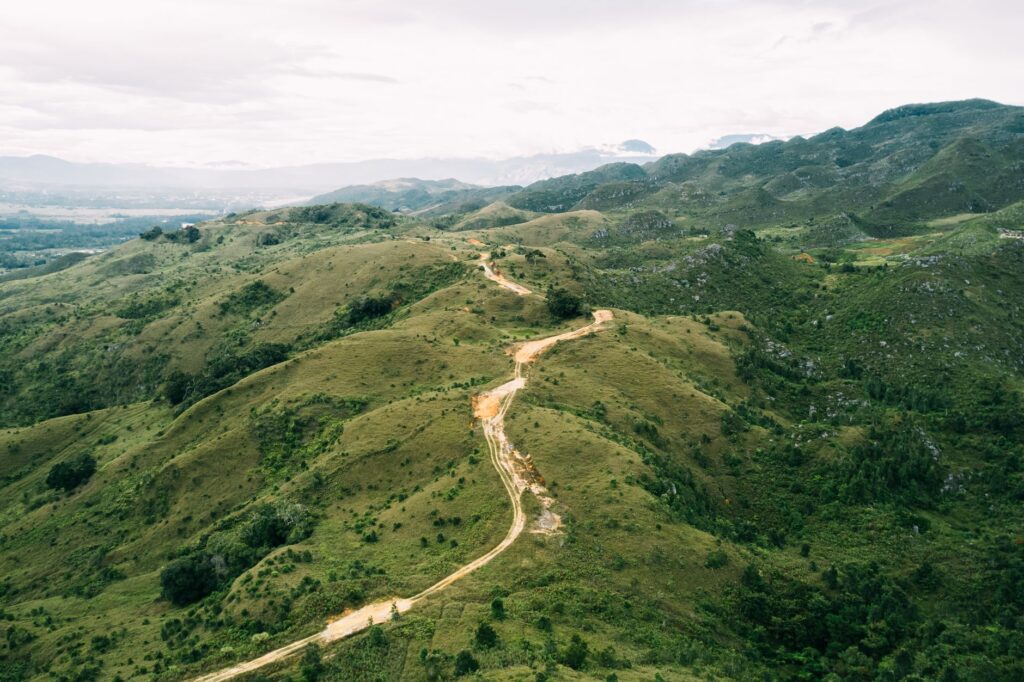
When the final container is secured onto the rail flatcar and the locomotive begins its journey toward the green, mountainous horizon of the isthmus, an invisible pact is sealed between human engineering audacity and the imposing resilience of the American landscape. This corridor represents not merely the efficient transit of goods across the international trade board, but the persistence of a century-old dream: shortening the world’s distances without sacrificing the profound identity of the peoples inhabiting its route. In the silence of dawn, when the metallic clatter merges with the jungle’s murmur, the Tehuantepec Isthmus Railway continues writing its history, reminding us that great infrastructure works are, above all, bridges extended toward the future of the societies building them.