
Topography as Destiny and the Urgency of Movement
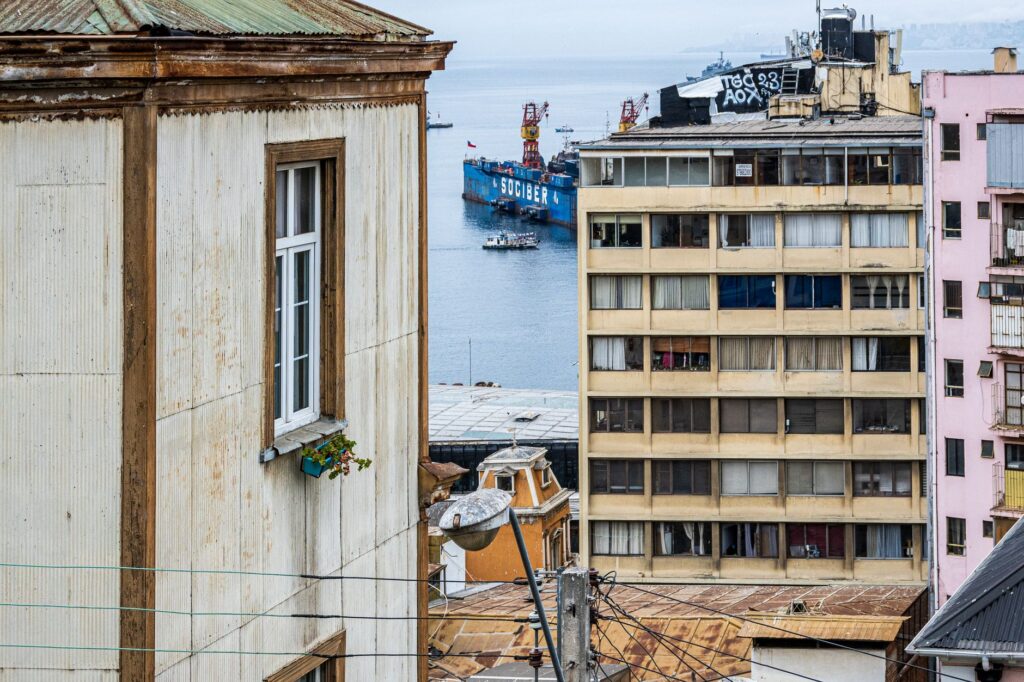
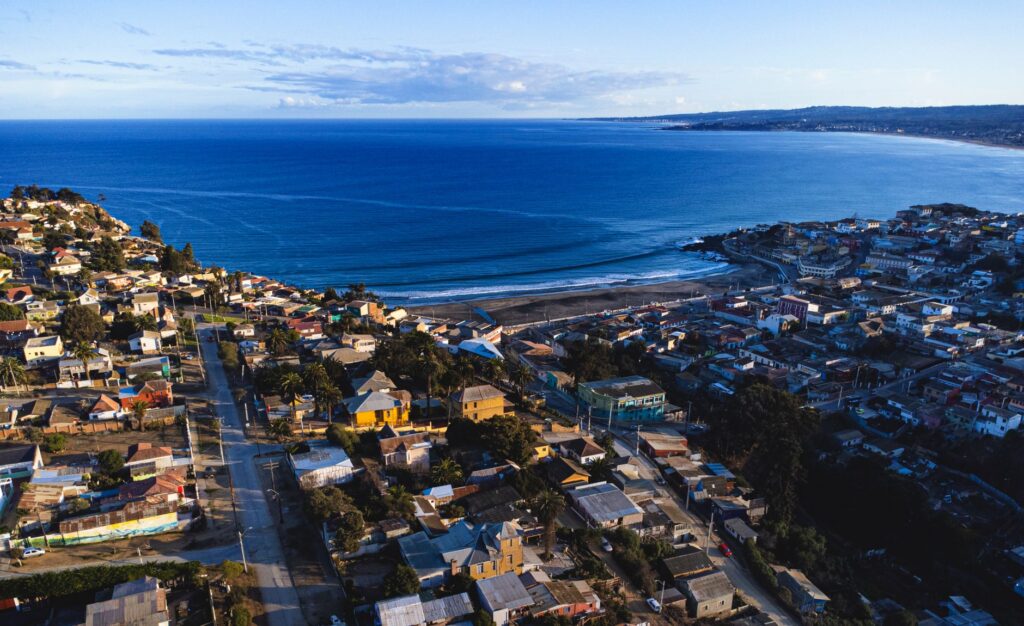
Valparaíso cannot be understood on a flat plane; it must be grasped in vertical section. The natural amphitheater crowning the Chilean bay is composed of more than forty hills that drop abruptly toward the Pacific—a geological layout that has imposed a colossal logistical challenge since the late 19th century. While the port floor grew with warehouses and customs offices, the hills—inhabited by thousands of working-class families, sailors, and dockworkers—required a transportation system capable of conquering inclines that often exceed forty degrees. The architectural and mechanical response to this urban fracture was not winding roadways, but a network of funiculars that, suspended in the void, operate as a daily umbilical cord.
Far from being mere tourist attractions, these lifts were born as a vital necessity for public connectivity. The precariousness of bridle paths and the slowness of handcarts forced engineers of the era to import European technologies, adapting them with local ingenuity to the seismic conditions of the Chilean coast. Today, journeying up the Alegre, Concepción, Cordillera, or Mariposas hills aboard these wood-and-wrought-iron cars is an immersion into active industrial archaeology, where every pulley and steel cable tells a story of collective effort and adaptation to the terrain.
The Engineering of Water and Gravity: Centenary Systems
The technical operation of Valparaíso’s historic elevators is a fascinating exercise in applied physics where gravity acts as the primary motor. Several of the city’s oldest funiculars, such as the Polanco and the Reina Victoria, originally relied on an ingenious counterweight system based on water tanks installed beneath the cars. The operational principle was simple yet precise: the car at the upper station was filled with water until it exceeded the weight of the lower car. The force of gravity dragged the heavy car downward, pulling the steel cable that lifted the lighter vehicle via a central pulley.
This hydraulic balance required meticulous calculation of volumes and filling and emptying times at the summits of the hills. With the arrival of electrification in the early 20th century, most systems were converted to electric drum or direct-traction motors, although the structural essence of parallel tracks and wooden-jaw emergency braking systems remained almost intact. The expertise of local mechanics, many trained in the port’s own workshops, has been key to keeping machinery alive that has spent over a century enduring marine corrosion and the constant hustle of passengers.
The Social Fabric of the Hills and Life Aboard
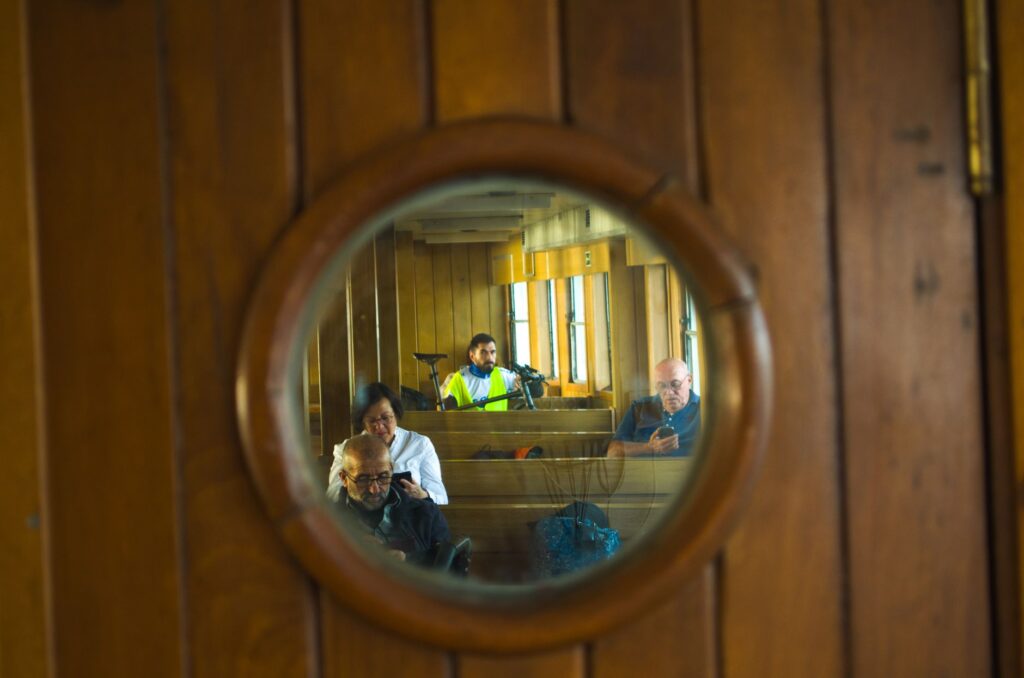
To grasp the magnitude of these funiculars, one must observe the daily ritual of those who inhabit them. Unlike alpine funiculars geared toward seasonal leisure, the port elevators are an indivisible part of community routine. At dawn, students, bakers, nurses, and neighbors share the narrow cabin of noble wood, where the creaking of planks and the tinkling of a metal bell announce departure. This confined space acts as an informal floating agora, an intergenerational meeting point where local news is exchanged, the port’s political twists are debated, and the operator is greeted with a familiarity cultivated over decades.
blockquote>The elevator is not a mechanical transport medium; it is the backbone keeping the hills from disconnecting from the human pulse of the sea.
The architecture of the lower and upper stations also reflects the social and aesthetic stratification of the city. While below, galvanized iron facades coexist with maritime trade and the scent of salt air, above, access booths blend discreetly into residential passageways and viewpoints flanked by bougainvillea and murals. This spatial duality turns every two-minute journey into a scenographic transition between port activity and the domestic quiet of the upper neighborhoods.
Decline, Abandonment, and Slow Heritage Recovery
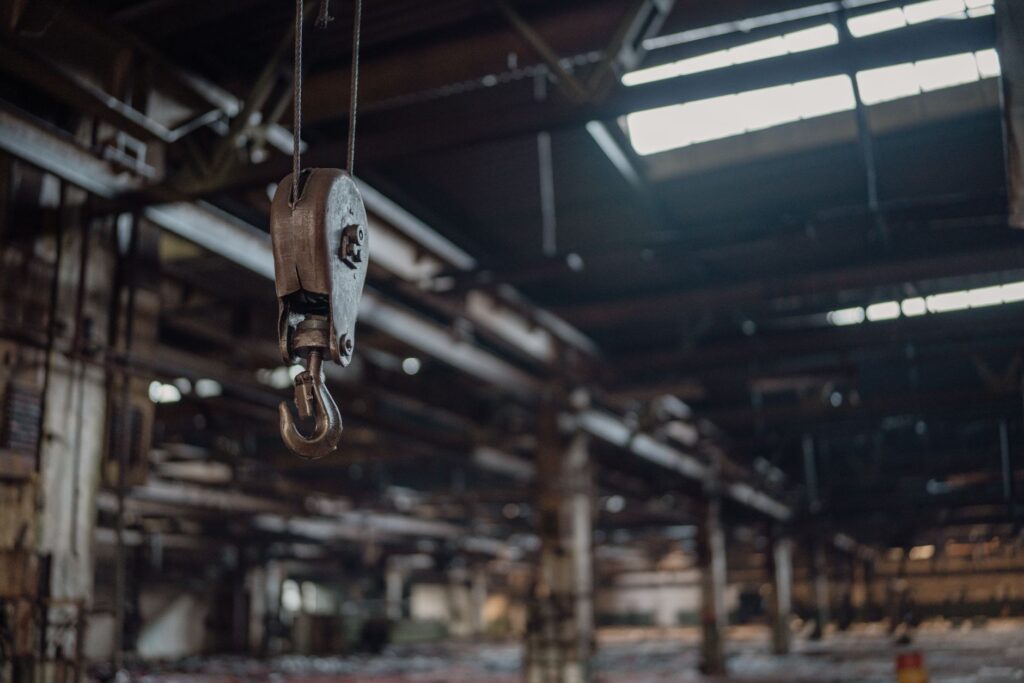
The 20th century was not an easy path for Valparaíso’s funicular network. With the expansion of collective bus fleets and the general economic decay of the historic center starting in the second half of the century, many of these lifts fell into financial obsolescence. The high maintenance costs of handcrafted parts no longer mass-produced, compounded by structural damage from recurrent earthquakes—such as the devastating 2010 tremor—led to the closure of half the operational network. Stations converted into iron skeletons and inert cables became visible symbols of state neglect regarding industrial heritage.
However, the turning point arrived thanks to organized pressure from neighborhood councils and heritage collectives, who demanded the classification of the funiculars as National Monuments and their subsequent state rescue. The restoration process has not been free of technical tensions: recovering the original Oregon pine timber, certifying modern safety systems without altering 19th-century aesthetics, and reopening stations closed for decades has required millionaire investments and multidisciplinary teams of architects, historians, and restorers.
The Geography of Risk: Earthquakes, Fires, and Extreme Slopes
Living and operating in Valparaíso means accepting permanent coexistence with catastrophe. The combination of steep slopes, predominantly wooden hillside constructions, and long periods of summer drought has turned forest fires into a recurring existential threat. In these critical scenarios, the funiculars have historically proven to be of irreplaceable strategic value, serving occasionally as rapid evacuation routes or logistical channels for moving emergency supplies and firefighters when road networks collapse.
Likewise, the constant seismic activity of the local geological fault subjects bridge structures and rails to extreme torsion. Modern engineers must contend with foundations that yield to winter landslides, requiring reinforced concrete retaining walls and tension monitoring sensors on the traction cables. This constant vulnerability grants the system an almost heroic character: every safe journey is the result of meticulous technical vigilance defying the geographic limits imposed by nature.
The Impact of Mass Tourism on Daily Equilibrium
In recent decades, Valparaíso’s designation as a UNESCO World Heritage site has profoundly transformed the dynamics of the funiculars. What was once a strictly neighborhood service has been strained by the massive influx of international visitors eager for panoramic postcards. Iconic elevators like the Concepción or the Alegre now operate at the limit of their capacity during weekends and summer seasons, generating long lines that temporarily displace local residents from their daily commutes.
This commercialization of the journey poses an ethical and logistical dilemma for municipal authorities and operators: how to balance the self-financing of the service through tourist fares with the guarantee of fair and accessible pricing for hillside residents. Some administrations have implemented differentiated tariff systems, reserving time slots and preferential rates for the neighborhood. Nevertheless, the challenge of preserving the communal soul of the elevators against the relentless pressure of the tourism industry remains open.
Practical guide
How to get there: Valparaíso is located about 120 kilometers northwest of Santiago de Chile. The main access from the capital is via frequent intercity buses departing from the San Borja and Pajaritos terminals, with an approximate travel time of one and a half to two hours. It is also possible to connect by rental car via Route 68.
Recommended operational network: Out of more than thirty original historic elevators, between six and eight restored units currently operate regularly. The most accessible and best-preserved for beginning the tour are the Concepción Elevator and the Alegre Elevator on the hill of the same name, alongside the Reina Victoria Elevator, ideal for understanding residential architecture and traditional viewpoints.
Fares and schedules: Ticket prices vary depending on the local administration and whether it is a standard or resident fare. The standard tourist fare ranges between 300 and 500 Chilean pesos per leg. Regular operating hours extend from 08:00 to 22:00, though they may be subject to change due to weather conditions or technical maintenance work.
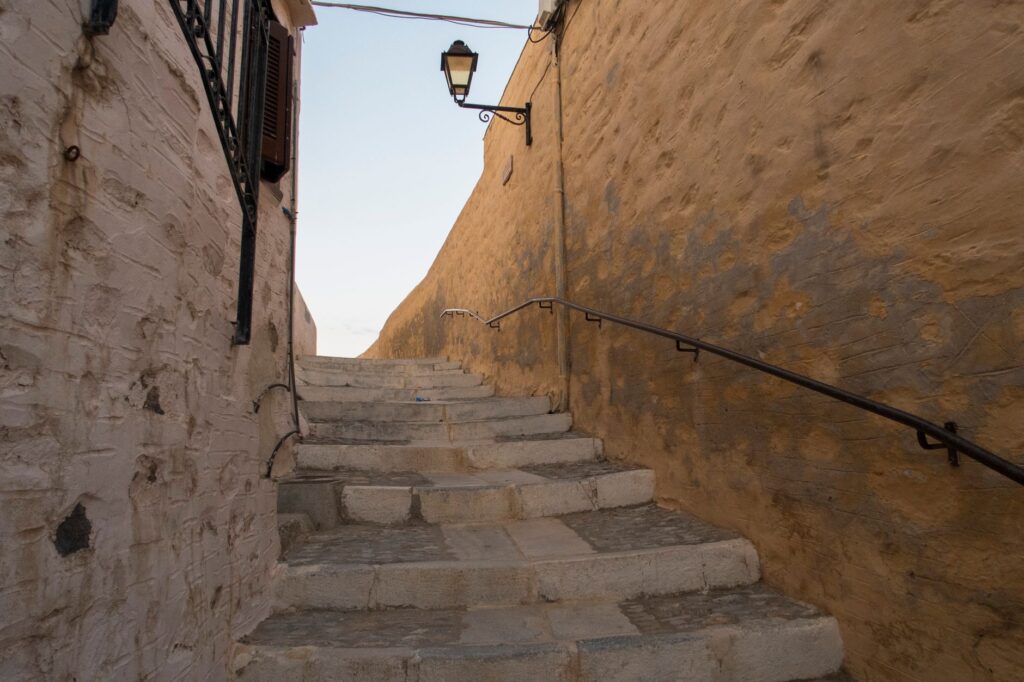
Mobility and safety tips: Comfortable footwear with non-slip soles is recommended, as funicular stations require walking up steep stairs and irregular cobblestone alleys. It is advisable to consult the updated operational status of each elevator at local tourist offices, as preventive maintenance is frequent due to the age of the mechanisms.
Vertical Epilogue: The Final Pulse of the Main Port
When dusk falls over the bay of Valparaíso and the lights of merchant ships begin to flicker on the horizon, the hill elevators switch on their dim interior bulbs to make the final journeys of the day. In that crepuscular moment, when the screech of steel cables merges with the distant murmur of the waves, the true magnitude of this feat of human engineering becomes palpable. It is not simply a mechanism to overcome physical elevation, but the tangible manifestation of a community that refuses to surrender to the gravity of its own geography. As the last car slides its dark silhouette down the slope, Chile’s main port confirms that its destiny remains bound, inextricably, to the suspended movement of its old funiculars.