The Slow Pulse of A Coruña: How Ruteart Redefines Sustainable Tourism in Small Groups
Against the backdrop of mass tourism overwhelming Galician shores, local initiatives like Ruteart prove that a different way of traveling is possible, championing human scale, heritage respect, and deep connection with the territory.
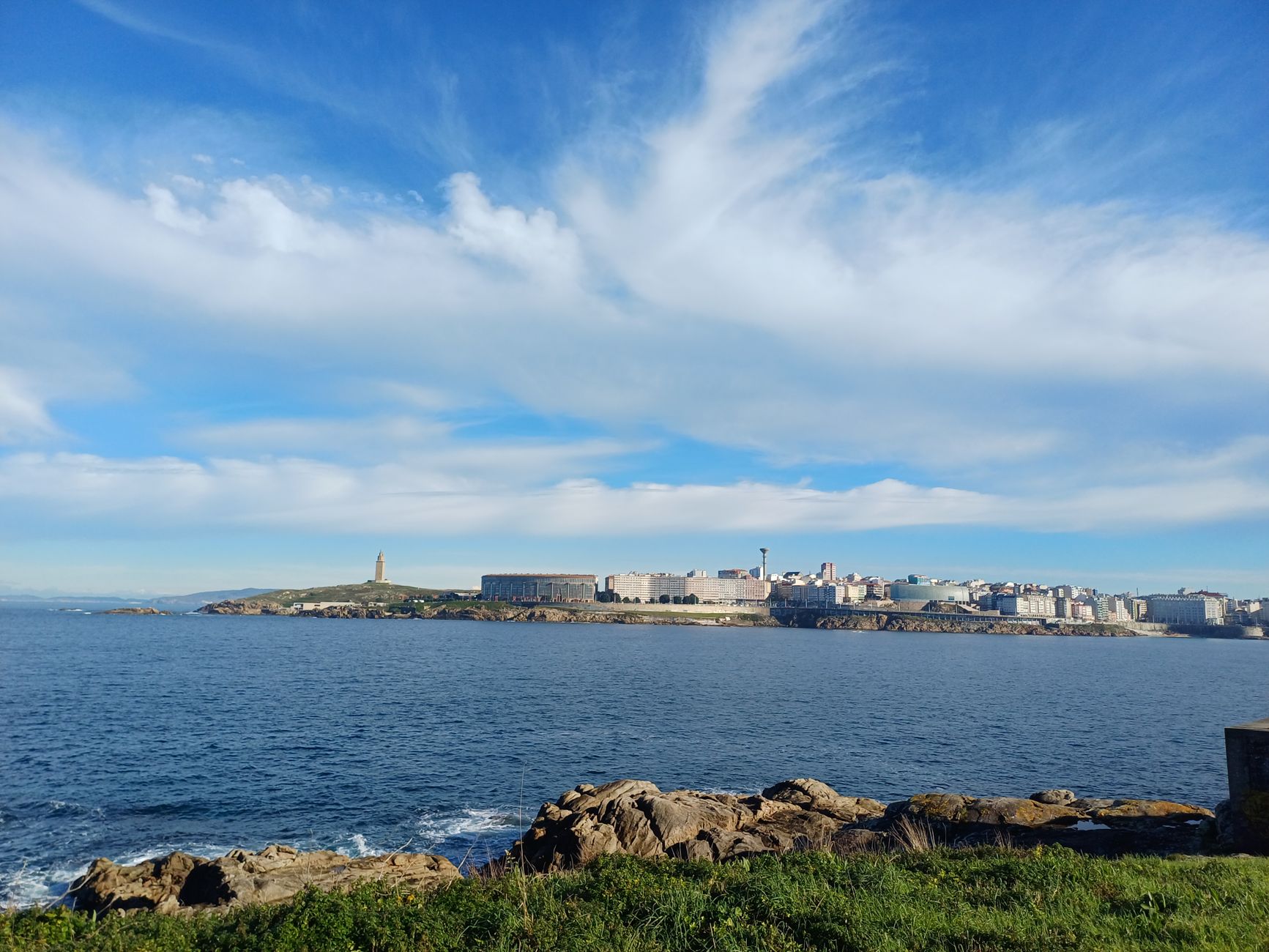
The Galician Atlantic crashes fiercely against the breakwaters of A Coruña, sculpting a landscape where grey stone and white foam have engaged in dialogue for centuries. Yet in recent years, the rhythm of this Atlantic city and its surrounding region has begun to falter under the weight of conventional tourism. Multitudinous cruise ships, overcrowding at monumental landmarks, and growing pressure on local resources have brought an inevitable debate about the limits of growth to the forefront. In this context of climate and social urgency, the local tourism sector faces a crossroads where the inertia of volume collides head-on with the pressing need for sustainability.
Facing this extractive model, small-scale initiatives emerge seeking to reverse the equation. The Galician project Ruteart has established itself as a benchmark for this transformative current, articulating a proposal where travel ceases to be a rapid consumption pattern and becomes a respectful exchange. Far from large bus fleets and prefabricated itineraries, this A Coruña-based agency has chosen small groups as a fundamental tool for conservation, proving that economic viability and environmental regeneration can go hand in hand in the northwest of the Iberian Peninsula.
The Philosophy of Human Scale
Understanding the success of this proposal requires analyzing the concept of carrying capacity, a foundational principle in applied ecology that mass tourism routinely ignores. When a group exceeds twenty people, the acoustic impact, trail erosion, and disruption of community dynamics multiply exponentially. Ruteart bases its operations on consciously limiting the number of participants per expedition, a decision that drastically reduces its ecological footprint and allows for harmonious integration into the natural and urban spaces it visits.
This numerical limitation is not merely a response to environmental conservation criteria, but also to a humanistic conception of the traveling experience. Local guides can modulate the marching pace, adapt to the specific interests of each attendee, and avoid congestion at fragile points of the Galician geography. Interaction with artisans, shellfish gatherers, and small producers ceases to be an impersonal commercial transaction and transforms into a horizontal conversation where the value of local labor is recognized.
The Artisan Fabric as Living Heritage
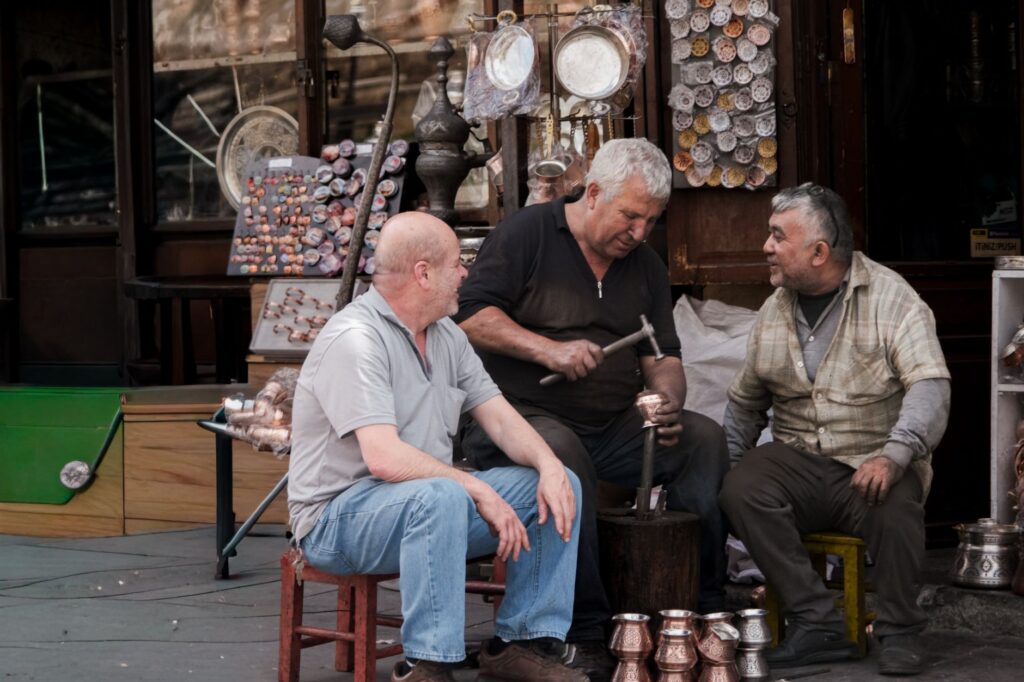
One of the pillars of this model is the integration of proximity economics into every itinerary. Instead of relying on large distributors, the routes prioritize traditional pottery workshops, artisanal bakery ovens, and fish markets where small-scale coastal fishing is practiced. This approach ensures that the visitor’s economic impact trickles directly into the social fabric of rural areas and Corunian neighborhoods, avoiding the commercial gentrification that chokes the historic centers of other European capitals.
The true luxury in contemporary tourism is not artificial exclusivity, but the capacity to traverse a territory without leaving any trace other than affection and mutual knowledge.
Rural development experts agree that the survival of traditional trades depends largely on their capacity to connect with an awareness-raising public. By channeling controlled flows of travelers to these enclaves, generational handover is encouraged and intangible heritage that risks disappearing under the steamroller of globalization is revalued.
Architecture, Memory, and Atlantic Landscape
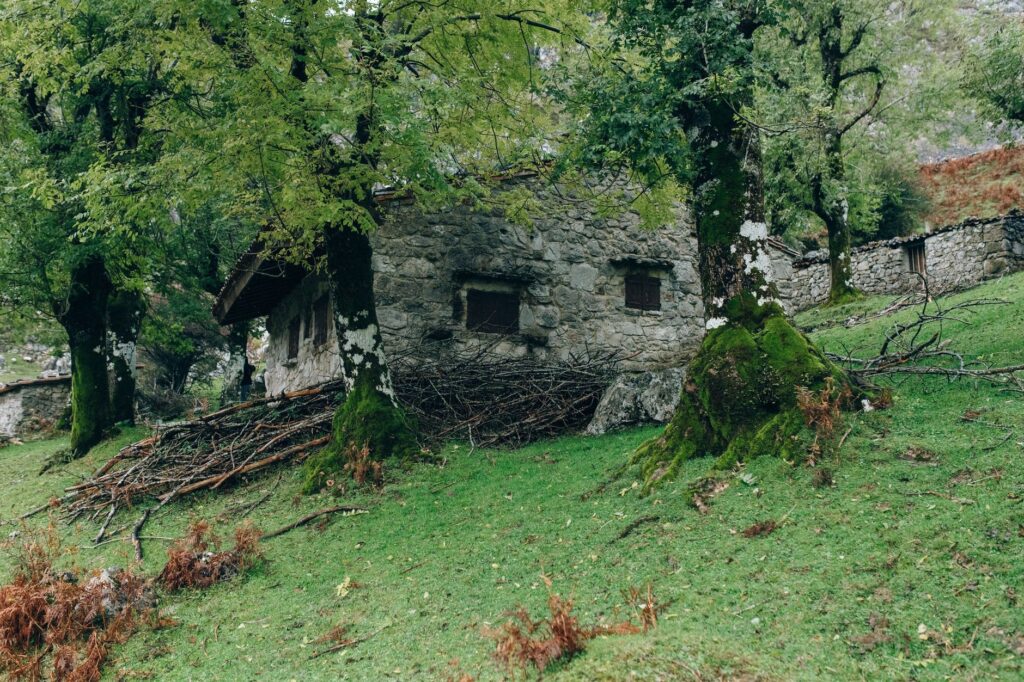
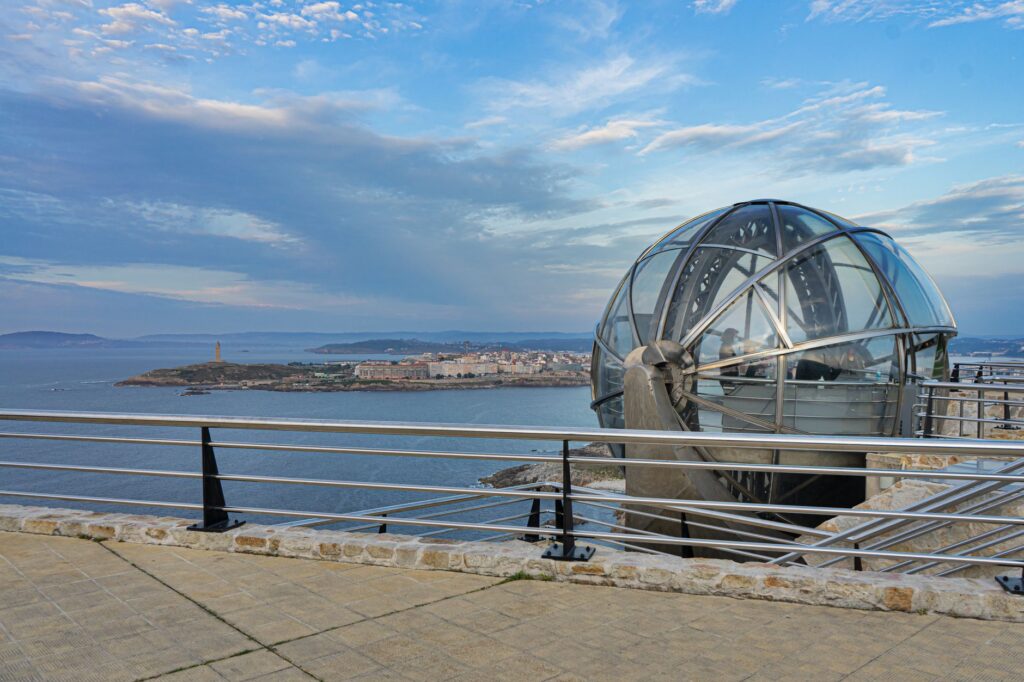
The territory of A Coruña and its surroundings offer a unique architectural and landscape reading, where industrial modernity coexists with megalithic remains and defensive fortifications. Routes designed under sustainability criteria avoid traditional tourist bottlenecks and propose a calm approach to the built heritage. From the glass galleries that characterize the Corunian marina to stately manor houses hidden among riparian forests, each stop is interpreted through the social and climatic history of the peninsular northwest.
This conscious journey encourages the understanding of the landscape not as a mere photographic backdrop, but as a living system shaped by centuries of human interaction with the environment. The use of efficient means of transport, the prioritization of walking stretches, and strict respect for native flora ensure that human presence remains innocuous to coastal and forest ecosystems.
Active Mobility and Respect for the Environment
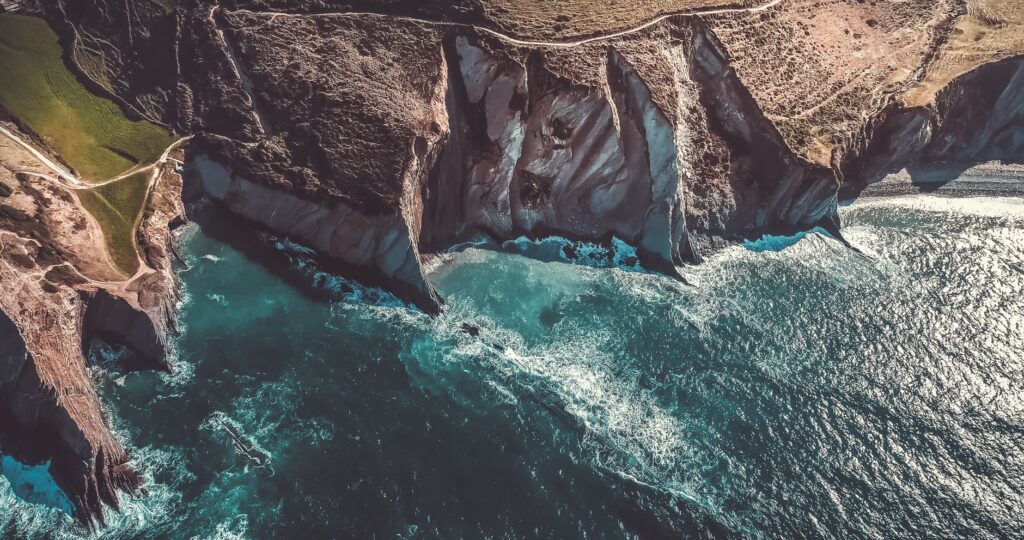
Moving around Galicia requires special sensitivity toward its topography and weather conditions. Walking routes along cliffs and coastal paths are planned while minimizing the opening of new trails and exclusively utilizing existing infrastructure. Thus, erosive processes in dune habitats and marine cliffs where protected birds nest are prevented.
Exclusive use of homologated trails to prevent the fragmentation of natural habitats.
Strict prohibition of gathering protected plant species or marine fossils.
Coordination with local environmental associations for the monitoring of coastal fauna.
Promotion of shared transport and use of low-emission vehicles for essential transfers.
This working methodology demonstrates that active leisure can be rigorous and respectful, moving away from superficial ecotourism trends that often conceal greenwashing practices.
The Dialogue with Sea and Land
A Coruña’s relationship with the Atlantic Ocean defines its culinary and cultural identity. Sustainable tourism expeditions incorporate a critical and educational approach to the management of marine resources. Instead of encouraging excessive consumption in establishments disconnected from the environment, the promotion focuses on seasonal products certified by local fishermen’s guilds practicing sea-floor-respectful arts.
Likewise, the provincial interior’s primary sector receives a decisive boost through educational visits to agroecological farms. Here, the traveler understands the difficulties of family farming in fragmented plots and the value of recovering native varieties of vegetables and fruit trees against agro-industrial homogenization.
Gastronomy as a Conservation Tool
Eating in this context becomes a political and cultural act. The menus selected along the routes reflect the agricultural and marine biodiversity of the region, drastically reducing the carbon footprint associated with food transport. The elimination of single-use plastics and the comprehensive utilization of local products are non-negotiable rules throughout the value chain accompanying the traveler.
Sustaining a territory means protecting the food sovereignty of those who inhabit it and defend it every day against rural abandonment.
This integration of gastronomy into the travel experience generates a lasting awareness in the visitor, who returns home with critical tools to demand fairer and more sustainable consumption models in daily life.
Practical guide
Planning a responsible approach to A Coruña and its surroundings requires rigor and advance preparation, given the limited nature of places in small-group tourism initiatives.
How to get there
The use of the train is strongly recommended as the primary alternative to air transport for peninsular journeys, connecting A Coruña station with the national network. Once in the city, urban mobility should be undertaken on foot, by bicycle, or via the metropolitan public transport network.
When to go
To avoid summer saturation during the peak months and enjoy a balanced climatic and social experience, the spring months (from May to June) and early autumn (from September to October) offer optimal conditions of tranquility and environmental respect.
Travel recommendations
It is essential to pack appropriate footwear for damp terrain, breathable waterproof clothing, and an attitude of active listening toward the instructions of local guides and the inhabitants of the visited enclaves.
The Horizon of a New Traveler Pact
The challenge of tourism in the 21st century does not consist of closing doors to visitors, but of transforming the nature of travel. Experiences such as those promoted on the Corunian coastline prove that it is possible to reconcile the right to rest and discovery with the strict preservation of ecosystems and the dignity of local communities. The future of tourism activity in Galicia and across the planet inevitably involves acknowledging that every journey leaves a footprint we must learn to care for and repair collectively.
At the end of the journey, when the golden light of the Atlantic sunset reflects on ancient stone walls and the sea breeze dissipates the last urban noises, the certainty remains that traveling with pause and respect is not a marginal option, but the only possible path to ensure that the landscapes we admire today continue to beat with the same strength for generations to come.