
A Horizon Where Sand Challenges Traditional Maps
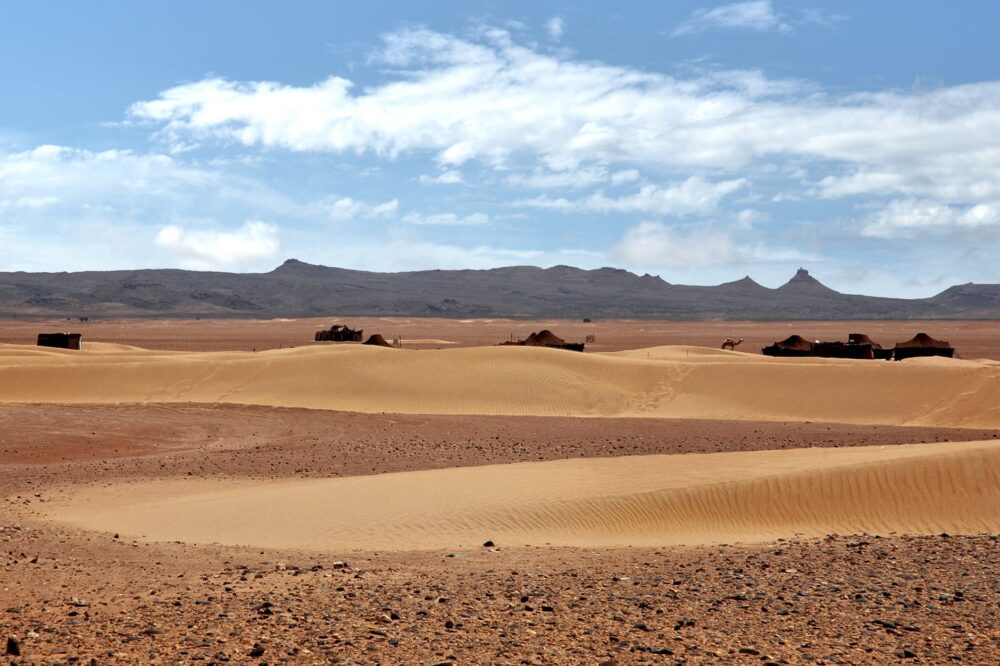
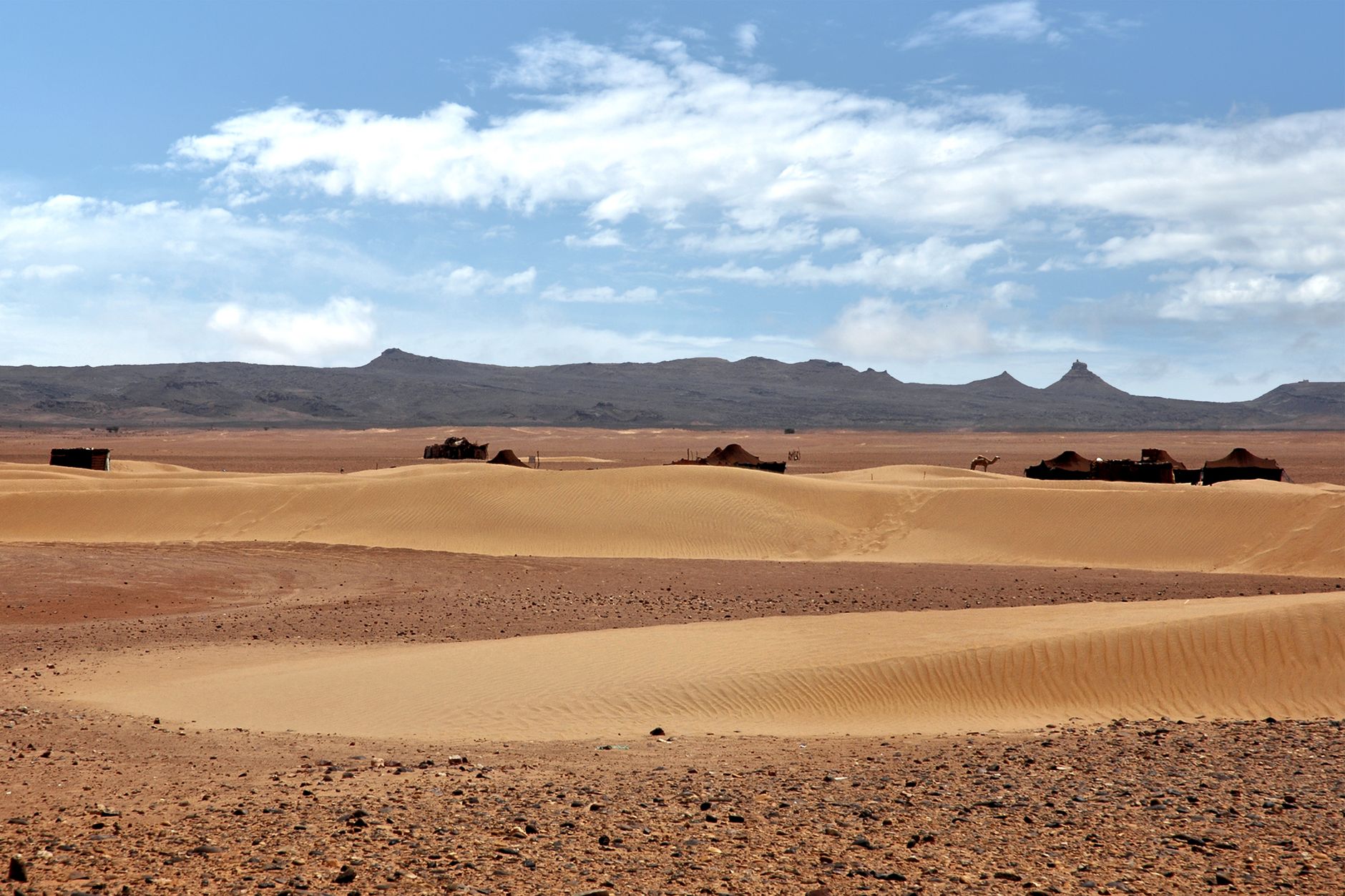
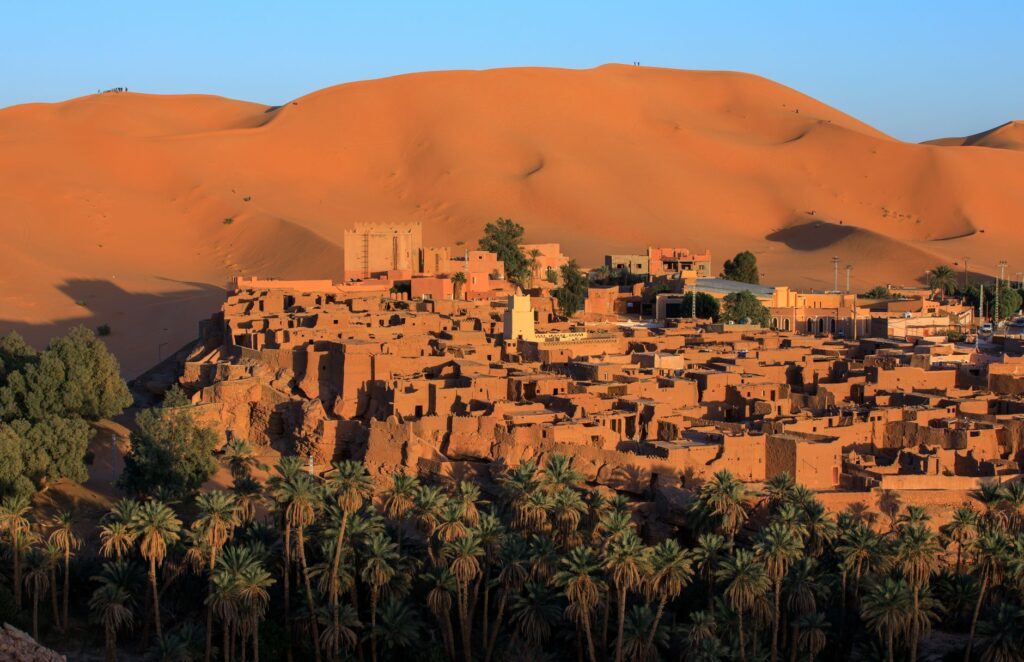
In the heart of Béchar province, where the Grand Erg Occidental unfolds its amber waves, geography ceases to be a mere physical accident and becomes a territory of symbolic encounter. Until recently, the small Algerian town of Taghit was known primarily for its millenary adobe architecture and the silent imposition of its dunes, which reach heights of three hundred meters. Today, this V-shaped oasis has transformed into the epicenter of a singular experiment intertwining high-level athletic competition and contemporary artistic creation. The recent collaboration between the shipping company Baleària and the diplomatic institution Casa Mediterráneo has redefined the region’s profile, turning the demanding Saharaman triathlon not just into an extreme endurance test, but into an international forum for cultural talent.
The initiative responds to a decentralized cultural diplomacy that seeks to build bridges beyond the Mediterranean Sea, penetrating the arteries of North Africa through culture and sport. The organizers have understood that the desert, far from being an impassable barrier, functions as a blank page where notions of borders blur. Art and physical effort share the same urgency here: the pursuit of the essential in an unforgiving environment. While athletes tune their stopwatches to face high temperatures and transitions between running, cycling, and swimming in complex desert water environments, invited artists observe, document, and translate that vital tension through plastic installations, visual poetry, and sound recordings.
The Route of Talent: Navigating from the Peninsula to the Grand Erg
The journey leading to Taghit is, in itself, an exercise in conscious displacement. For the creators and athletes selected by Casa Mediterráneo and logistically backed by Baleària, the voyage begins long before setting foot on Algerian soil. It involves crossing the Alboran Sea or the Sea of Sardinia, docking at North African ports, and driving hundreds of kilometers across steppe plateaus until the earth fractures and gives way to the ocean of sand. This physical journey conditions the artist’s gaze. The slowness of the maritime voyage and the arid immensity that subsequently opens up act as a digital and mental detoxification filter, preparing the ground for inspiration.
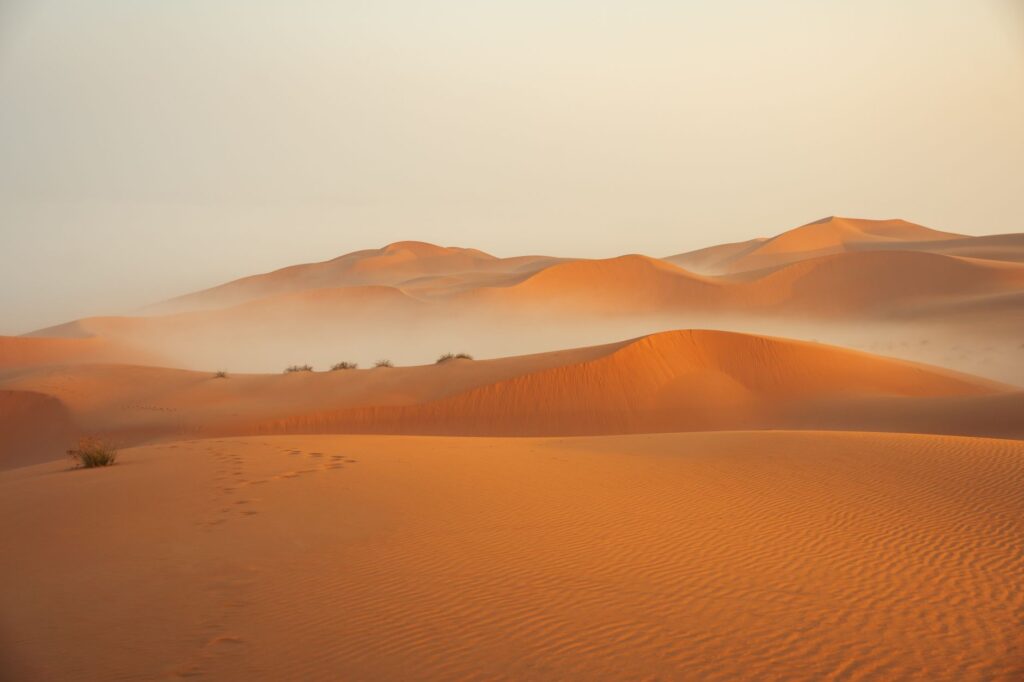
In this edition of Saharaman, the presence of international talent is not limited to a mere exhibition of athletic marks. Visual artists and musicians integrated into the delegation participate in rapid creation residencies, coexisting with local inhabitants and athletes. This coexistence generates a two-way dialogue: on the one hand, the tangible and intangible heritage of Taghit is made visible; on the other, new aesthetic perspectives are injected into dialogue with the architectural tradition of the ksar. Mediterranean culture, understood in its broadest sense as a sea of connected civilizations, finds in the Algerian desert a mirror to recognize its common roots.
Adobe Architecture and Memory Under the Béchar Sun
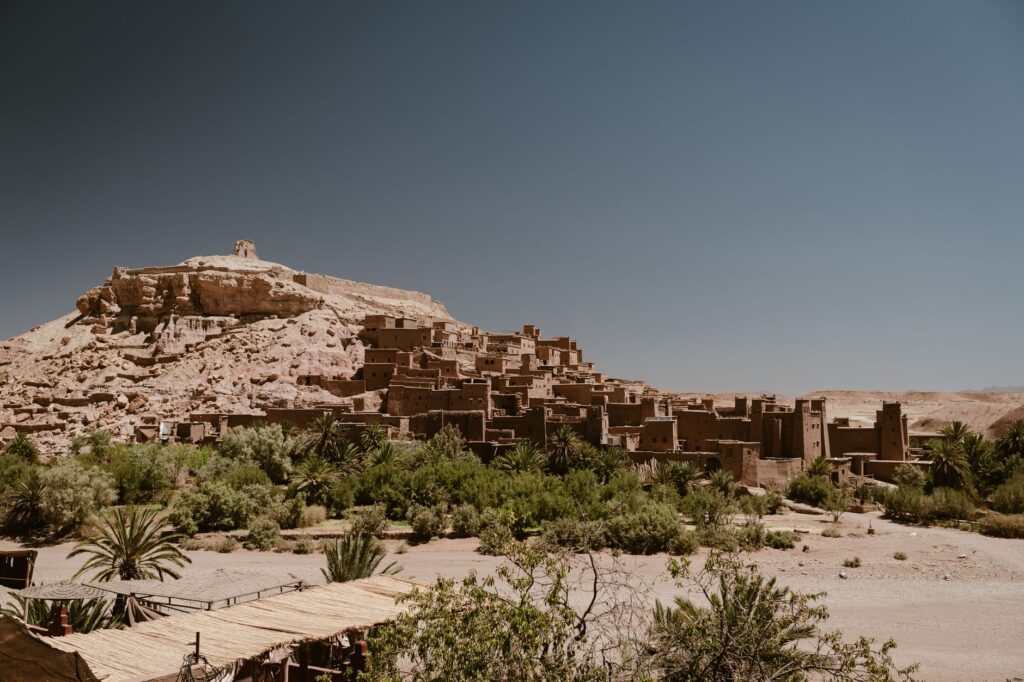
Taghit’s architectural stage offers a fascinating counterpoint to the technological and physical effort of the triathlon. The old ksar, built entirely of mud, straw, and palm trunks, is a masterclass in ancestral sustainability. Its labyrinthine streets, designed to filter solar radiation and curb dust-laden winds, turn during the event’s days into galleries of ephemeral art. Painters and photographers find an inexhaustible working material in the light and shadow games of the passageways, while the oasis neighbors act as hosts and involuntary co-authors of the exhibited works.
The integration of international athletes into this urban fabric generates moments of intense cultural hybridization. It is not uncommon to see a triathlete stretching muscles alongside the centuries-old walls of an adobe mosque, while a local plastic artist sketches the athlete’s movements in a recycled paper notebook. This coexistence dissolves the usual hierarchies between high culture, elite sports, and the daily life of the oasis. Local administration and sponsoring entities have ensured that the artistic intervention remains respectful of the environment, avoiding any hint of cultural gentrification and betting on horizontal exchange.
The Supreme Effort: Anatomy of the Saharaman Triathlon
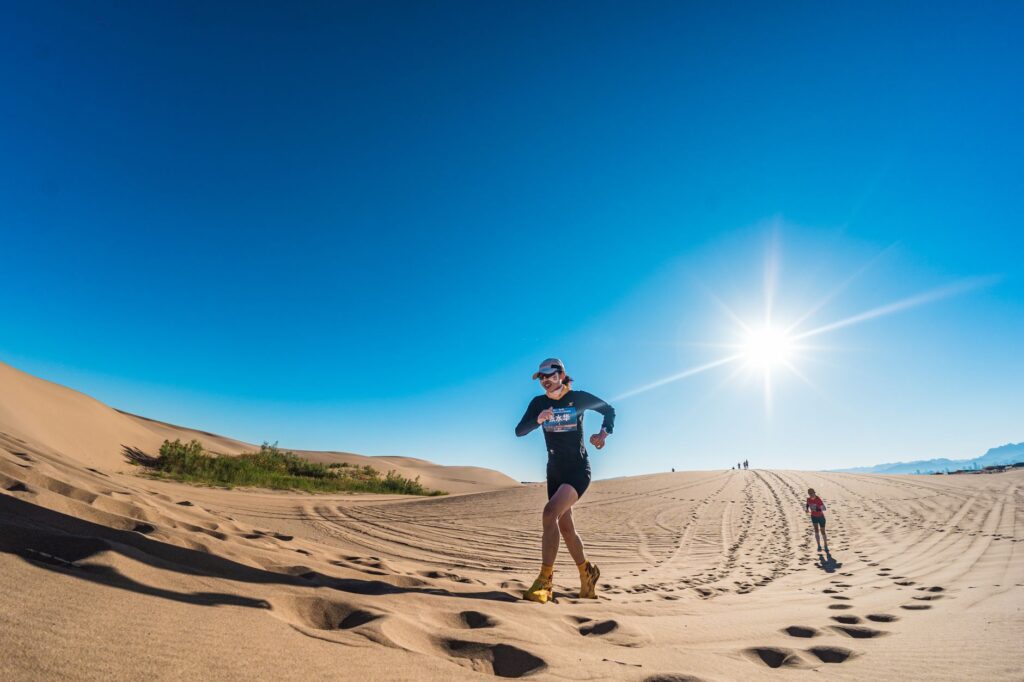
Beyond its artistic dimension, the Saharaman triathlon constitutes a first-order athletic challenge testing the limits of human physiology. Competing in Taghit’s desert implies facing extreme thermal amplitude, where freezing mornings give way to scorching noons. Participants must manage hydration, muscle wear, and orientation over changing terrains of soft sand and basalt rock with millimeter precision. The inclusion of this event in the international calendar has served as a catalyst for sustainable sports tourism in the region.
Coaches and sports medicine experts accompanying the delegation emphasize that the greatest enemy in Taghit is not distance, but the psychological disorientation provoked by the landscape’s immensity. In the desert, the horizon line curves and distances blur, demanding absolute mental concentration from the athlete. For artists observing the competition, this struggle against the elements becomes a visual metaphor for artistic creation itself: an act of resistance, perseverance, and confrontation with one’s limits against emptiness.
The Cuisine of the Oasis and Stopped Time
The breakneck pace of training sessions and creative days contrasts sharply with the slowness with which time is understood in the Sahara. Between events, participants and creators gather around the ritual of mint tea, a ceremony structuring social relations in southern Algeria. Local gastronomy, based on hard-grain couscous, oasis garden vegetables, lamb meat, and native dates—especially the Deglet Nour variety—provides the necessary fuel for fatigued bodies while fueling nocturnal conversations under a sky completely cleared of light pollution.
These culinary and social pauses are fundamental for the success of the exchange. It is in the gloom of tents or the interior courtyards of adobe houses where true collaborations are woven. Artists exchange impressions about desert light with Tuareg and Berber guides, while athletes discover orientation secrets passed down through generations by local communities. Food ceases to be simple caloric intake to become a universal language of hospitality and mutual recognition.
Sustainability and Future: The Challenge of Preserving the Desert’s Delicate Balance
An event of Saharaman’s magnitude, now amplified by Baleària and Casa Mediterráneo’s cultural dimension, raises inevitable questions about sustainability and environmental impact in such a fragile ecosystem. Saharian oases depend on complex subterranean irrigation systems—the foggaras—that must be strictly protected from tourist pressure and mass water consumption. Therefore, organizers have implemented strict protocols for cleaning, waste management, and carbon footprint limitation, requiring all triathlon and art exhibition infrastructure to be removable and low-impact.
The true success of a cultural bridge in the desert is not measured by the media noise it generates, but by the ability to leave the landscape exactly as pure as it was found, enriched solely by human understanding.
This ecological commitment is shared by institutional sponsors and participating creators, many of whose work centers precisely on the climate crisis and the urgency of rethinking our relationship with nature. The desert, in its apparent harshness, reveals itself as a stern yet fair master punishing any hint of human arrogance while rewarding humility and environmental respect.
Practical guide
How to get there: Access to Taghit is usually achieved by flying to Béchar airport, connected via domestic flights from Algiers, followed by a road journey of approximately 95 kilometers south. Maritime connections operated by shipping companies like Baleària facilitate the transport of vehicles and equipment from the Iberian Peninsula to North African stopover ports.
When to go: The ideal season to visit Taghit and participate in sports or cultural events spans autumn and winter months (October to March), when daytime temperatures are moderate and allow outdoor activity without severe heatstroke risks.
Entry requirements: Foreign citizens require a consular visa to enter Algeria, which must be processed in advance by providing an official invitation letter, accommodation bookings, and confirmed transport tickets.
Accommodation: Hotel offerings combine traditional bioclimatic architecture establishments in the oasis, such as locally managed hotels integrated into the landscape, and organized tent camps specifically enabled during major sporting events.

Health and equipment recommendations: Travel insurance covering repatriation and rescue in desert areas is essential. Breathable long-sleeve technical clothing to protect against daytime solar radiation, intense warm clothing for freezing desert nights, trekking or trail running footwear, and abundant broad-spectrum sun protection are required.
Final Reflections at the Edge of the Great Sand Sea
When the last runner crosses the finish line and the final ephemeral artworks are dismantled, Taghit recovers its ancestral pulse. Yet, the sediment of this experience remains floating in the collective memory of those who participated. The conjunction of Baleària’s driving force, Casa Mediterráneo’s diplomatic vision, athletes’ sweat, and artists’ sensitivity proves that the Mediterranean does not end at its marine shores, but extends wherever human curiosity is capable of challenging sand borders. The desert ceases to be a remote confine to become the beating heart of a new transcontinental dialogue.
Source: Todo Alicante / Google Noticias