
The Genesis of an Impossible Route Between Deep Valleys and Eternal Summits
The railway line linking the vast and dynamic region of Lyon with the alpine heart of Zermatt represents one of the most formidable testimonies of European civil engineering from the nineteenth and twentieth centuries. It is not merely a passenger corridor, but a vital artery that transformed isolated mountain economies into enclaves connected to the continental network. From the banks of the Rhone to the imposing shadow of the Matterhorn, the topography imposes a series of colossal challenges that forced engineers to devise technical solutions previously unknown. Hand-carved stone bridges, tunnels bored through living rock under extreme weather conditions, and traction systems adapted to impossible gradients make up the DNA of this historical route.
The geographical context of this route combines the French river plains with the rugged gorges of the Swiss Valais. As the convoy leaves the interchange stations and enters the enclosed valleys, the landscape transforms radically. Past engineers had to contend with the unpredictable flow of alpine rivers, slope landslides, and the advance of retreating glaciers. Every kilometer of track won from the alpine relief represented an exercise in geometric precision and physical calculation. Overcoming these natural barriers not only demonstrated the triumph of technique over nature but also established a railway logistics model that still astonishes today for its audacity and operational efficiency.
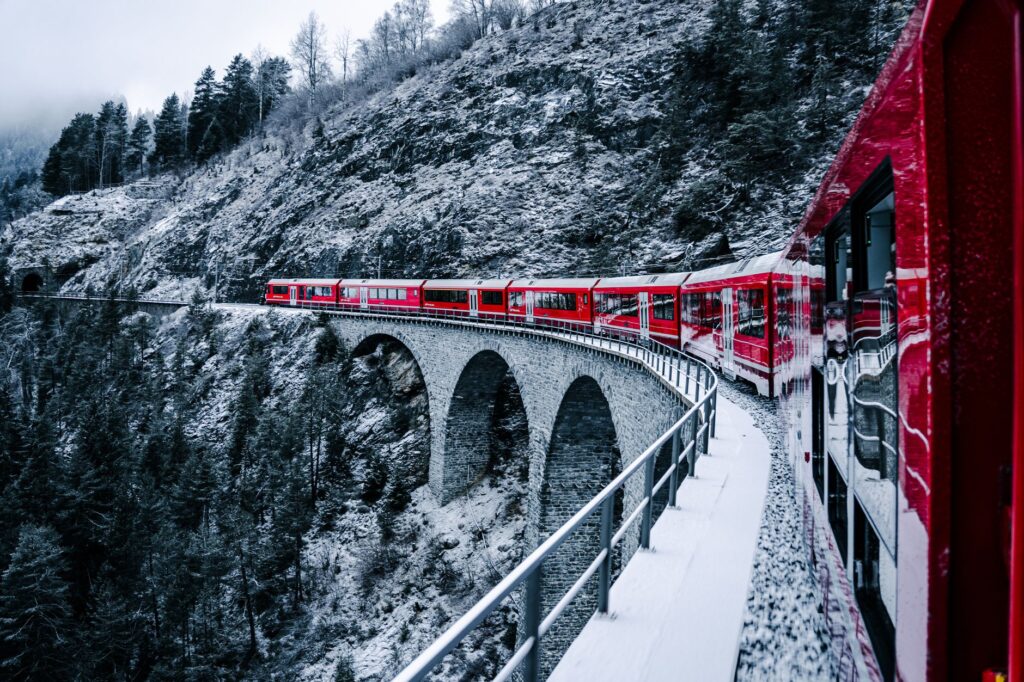
High Mountain Architecture: Viaducts and Century-Old Cuttings
The architectural heritage of this line stands out for its perfect integration into the alpine environment without compromising structural solidity. The viaducts built from local granite withstand the onslaught of the harshest winters and the seasonal surges of snowmelt torrents. The original stations, conceived as small bastions of stone and noble wood, retain the imprint of an era where train travel was an experience of exploration and refinement. These buildings not only fulfilled an operational function for locomotive changes and the supply of coal and water, but also acted as milestones of civilization amidst rugged landscapes.
The drilling of the tunnels represented the most dramatic chapter in the construction of this infrastructure. Without twenty-first-century heavy machinery, workers—mostly immigrants who endured harsh working conditions—excavated the rock using dynamite charges and hand tools. Precarious ventilation and the constant risk of flooding from underground water pockets exacted a heavy human toll. Yet, the result of that titanic effort is a network of underground galleries allowing trains to overcome mountain passes over two thousand meters high with astonishing regularity, defying the laws of gravity and the harsh weather of the alpine winter.
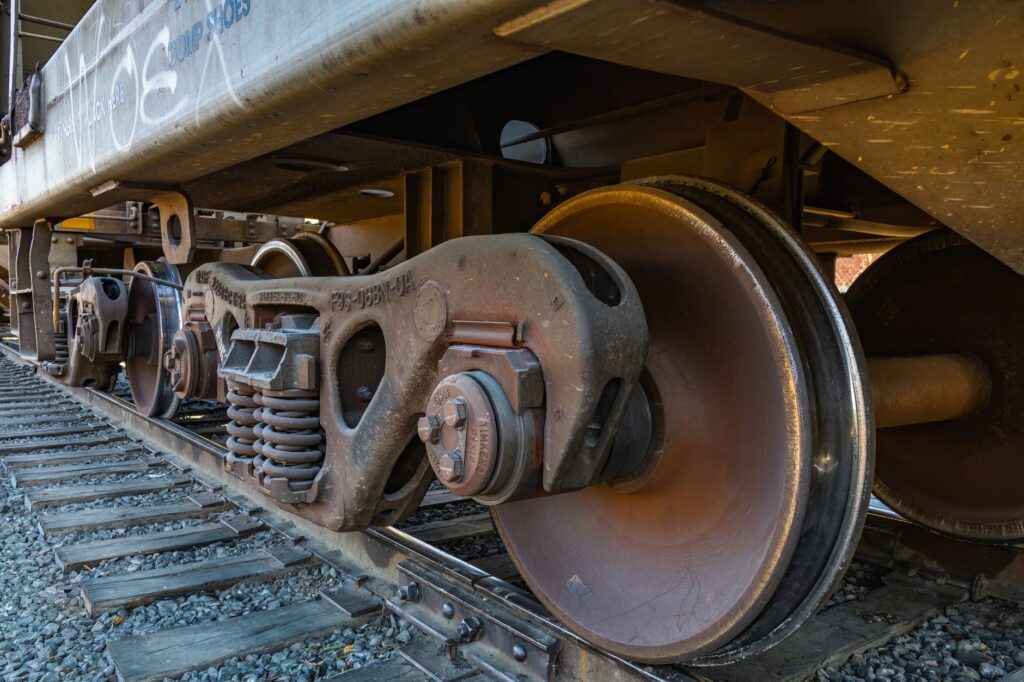
The railway track is not merely steel upon ballast; it is the tangible testimony of how human will managed to sew up the earth’s chasms to unite communities separated by walls of ice and rock.
Today, maintaining these century-old structures requires constant technical effort. Modern engineers combine traditional inspection with laser technologies and motion sensors to detect any alteration in the stability of slopes and viaducts. This meticulous care ensures that the historical heritage remains operational, offering high-reliability service that contrasts with the apparent fragility of its environment. The preservation of the original tunnels and bridges demonstrates absolute respect for industrial authenticity, turning the journey into a living lesson in engineering history.
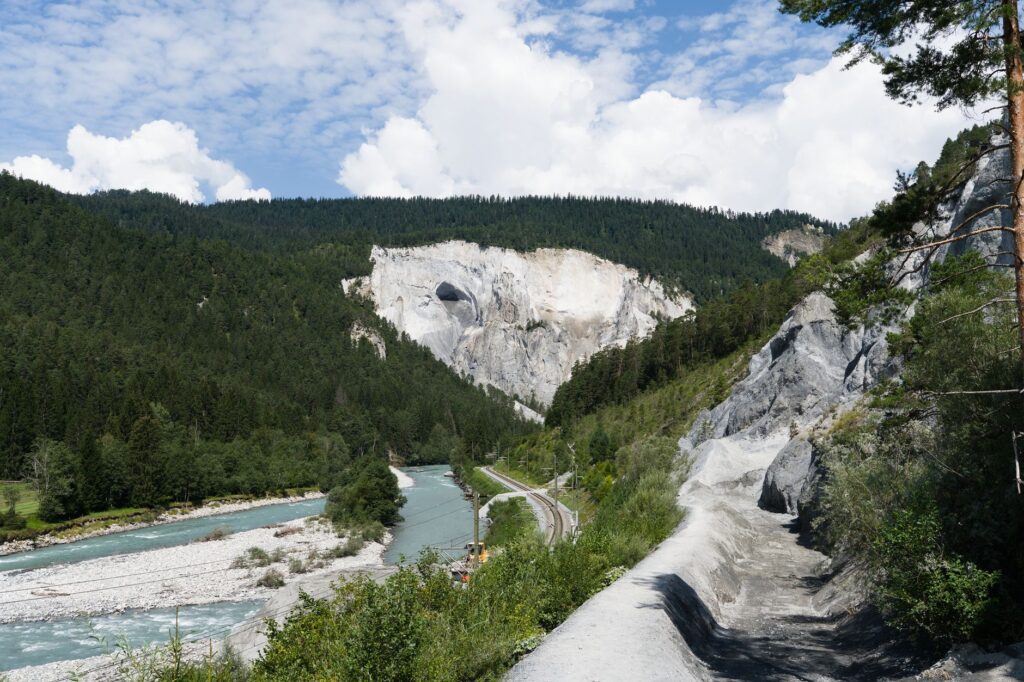
Alpine Logistics and Cross-Border Connectivity in the Twenty-First Century
The operational transition between the French railway network of the SNCF and the Swiss infrastructure operated by the Matterhorn Gotthard Bahn and the Swiss Federal Railways (SBB) constitutes an exercise in millimeter-precise logistics. At border stations, schedule coordination, traffic data exchange, and the synchronization of track gauges and electrification systems must operate seamlessly. This continuous flow allows freight and travelers to cross national boundaries without prolonged interruptions, consolidating an intermodal corridor of vital importance for the alpine economy and Central European commerce.
Freight transport along this route presents logistical peculiarities derived from the scarcity of space in narrow valleys. Unlike vast plains, convoys here must strictly adhere to weight and length limitations imposed by track curvature radii and the maximum gradient of rack sections. Despite these restrictions, the railway remains the safest and greenest medium for supplying isolated high-mountain communities, transporting everything from basic necessities to construction materials for tourism infrastructure, thereby easing the pressure of heavy traffic on mountain roads.
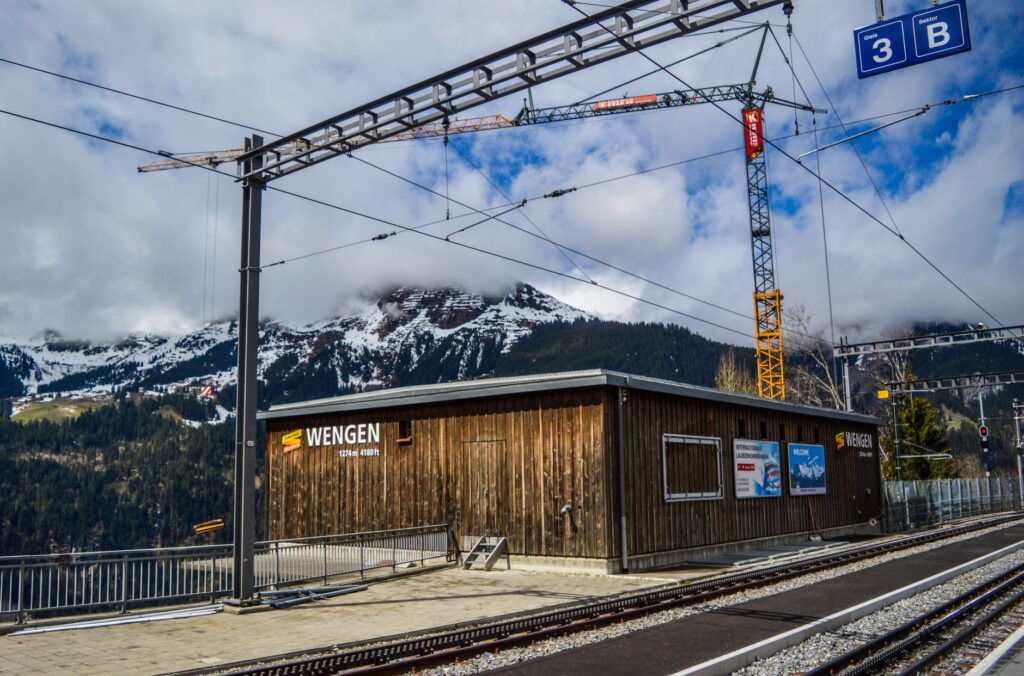
The Socioeconomic Pulse of the Valleys: Between Tradition and Global Tourism
The arrival of the railway in alpine valleys brought an irreversible demographic and economic revolution. Agrarian and pastoral communities that had lived for centuries under a regime of almost absolute self-sufficiency suddenly found themselves connected to the major urban centers of Lyon, Geneva, and Zurich. This access facilitated the commercialization of local products such as high-mountain cheeses and noble timber, while opening the doors to early waves of travelers interested in scientific mountaineering and summer hiking. The train station ceased to be a simple transit point and became the new nerve center of social and commercial life in the valley.
Over the decades, the local economy underwent a mutation toward the tertiary sector, consolidating international tourism as its main engine of development. However, this growth has been accompanied by profound debates on environmental sustainability and the preservation of traditional landscapes. Local associations and regional authorities work together to regulate the carrying capacity of destinations, promoting a mobility model where the train plays a starring role. Restricting private vehicle access to emblematic enclaves like Zermatt through the absolute ban on combustion engine cars is the most evident proof that railway connectivity is the only viable path to preserve the purity of the alpine environment.
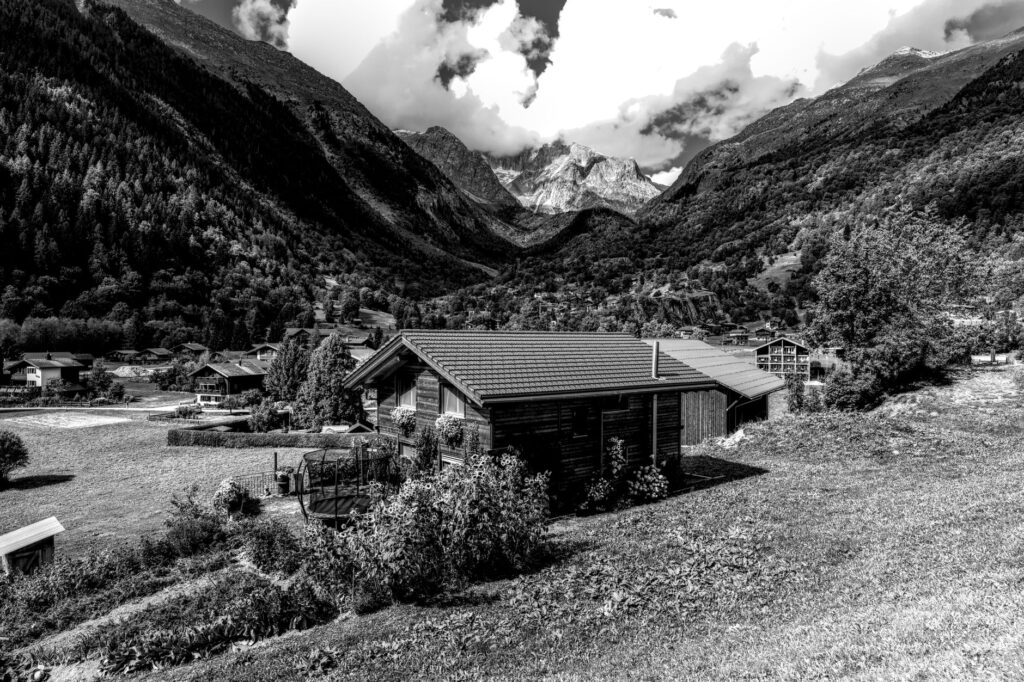
Technological Innovation and Decarbonization of Alpine Transport
Faced with the global climate urgency, the Lyon-Zermatt rail corridor stands out as a benchmark for sustainable mobility. The total electrification of the line, initiated in the early twentieth century and continuously modernized, allows for the harnessing of hydroelectric energy generated within alpine reservoirs themselves, achieving a virtually zero carbon footprint compared to road transport. Current convoys incorporate regenerative braking systems that feed energy back into the grid during prolonged descents from summits, optimizing energy consumption to the maximum in high-mountain terrain.
The digitalization of traffic management has allowed the line’s capacity to be increased without expanding physical infrastructure, something practically impossible due to topographic and environmental protection restrictions. Advanced ETCS (European Train Control System) signaling regulations guarantee millimeter-precise safety intervals between trains, absorbing seasonal demand peaks—both in winter with skiers and summer with hikers—without compromising punctuality. This symbiosis between cutting-edge technology and respect for railway heritage ensures that the transport system continues to meet the highest standards of European efficiency.
True innovation in the high mountains does not consist of leveling the relief to impose speed, but in designing a technology capable of dialoguing with nature and adapting to its ancestral rhythm.
The Traveler’s Experience: Conscious Slowness and Geological Contemplation
Traveling along this rail corridor offers a radical antithesis to the modern concept of air travel, where the journey is a procedural hurdle devoid of experience. Aboard panoramic carriages, time regains its human dimension. Passengers witness an extraordinary visual and climatic transition: from terraced vineyards sloping down the Rhone to vertical granite walls and the hanging seracs of Valais glaciers. Each curve of the track reveals a new natural painting, an imposing gorge, or a waterfall suspended against the rocky wall, turning the journey into a first-rate aesthetic experience.
This approach to travel connects directly with the slow travel philosophy, which values the depth of experience over the superficial accumulation of destinations. Travelers have the opportunity to disembark at uncrowded intermediate stations, explore historical trails, interact with local communities, and understand the complexities of life in the high mountains. The train acts here as a narrative thread that maps the territory with coherence, allowing visitors to decipher the historical, geological, and human layers that make up the alpine landscape.
Practical guide
- Getting there: Lyon Saint-Exupéry and Geneva operate as the primary international air access hubs, with direct rail connections into the regional alpine network.
- Route planning: The complete journey requires advance booking, especially during the peak ski season (December to April) and the summer hiking peak (July to August). Purchasing the Swiss Intermodal Pass is recommended to optimize costs.
- Connectivity and schedules: SBB and Matterhorn Gotthard Bahn operators offer seamless synchronization with French regional trains; local mobile apps provide real-time information on track status and connections.
- Environmental regulations: Zermatt is an entirely combustion-vehicle-free zone; final access from Täsch is carried out exclusively via high-frequency railway shuttles.
- Recommended equipment: Alpine weather is extremely variable; layered clothing, technical mountain footwear, and adequate sun protection are essential even during summer months.
Visual Epilogue Between Summits and Steam Nostalgia
When the last afternoon light imbues the slopes of the Matterhorn with a copper hue, the silent presence of the railway infrastructure acquires an almost poetic dimension. Far from the bustle of major metropolises, steel rails reflect the faint glow of millennial ice, reminding us that this layout is not merely an efficient engineering work, but the most noble bridge between the world of men and the inviolable immensity of the high mountains. In that moment of twilight stillness, the traveler understands that the true conquest of alpine space did not lie in subduing it by force, but in learning to traverse it with respect, subtlety, and profound admiration.