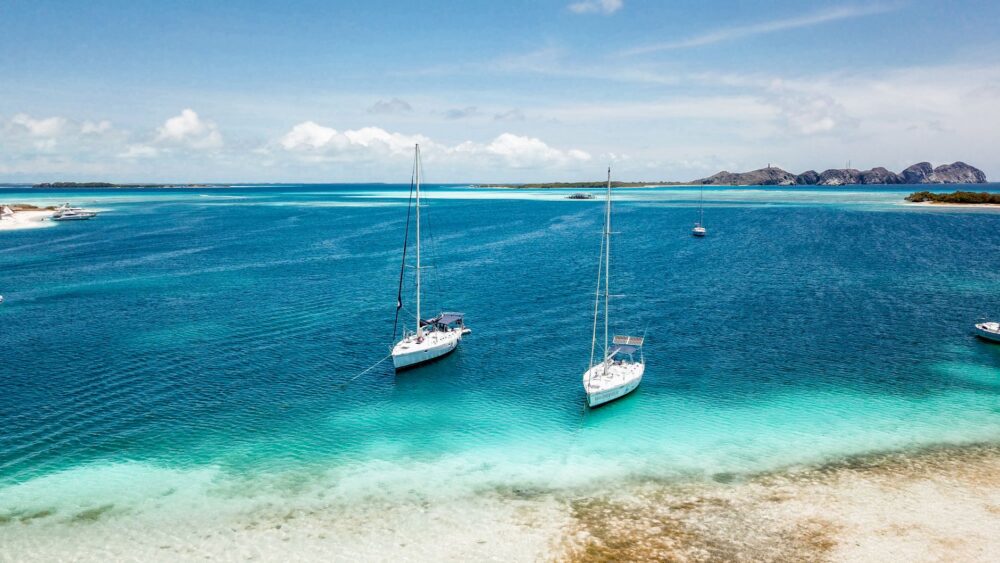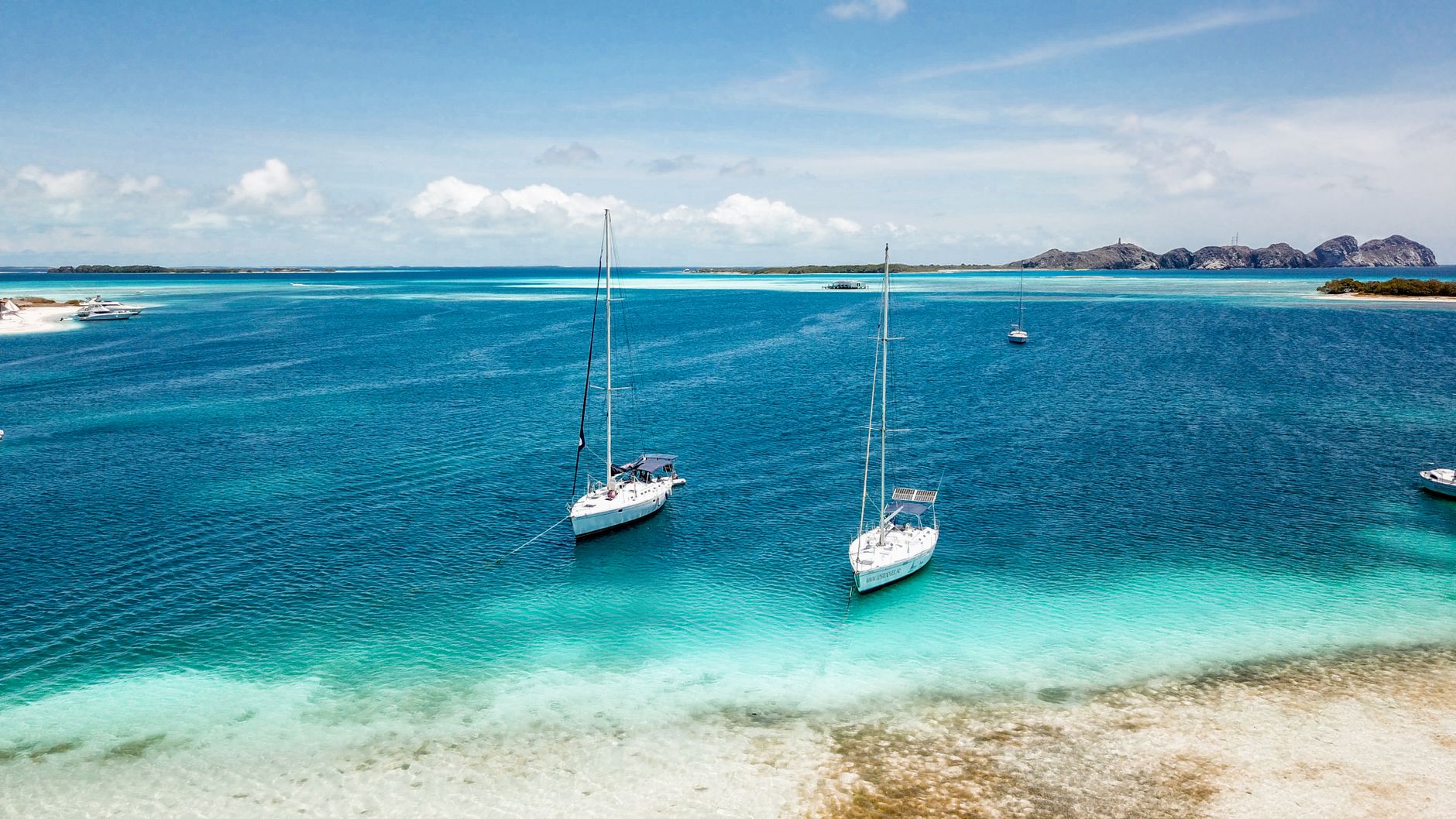

At the eastern edge of New Caledonia, where the deep blue of the Coral Sea breaks against limestone cliffs and white sand beaches, the Loyalty Islands—Lifou, Maré, and Ouvéa—form an archipelago where geography imposes its own strict rules. Here, Western modernity is not imposed through toll highways or high-speed rail networks, but is negotiated daily through a delicate balance between traditional Kanak navigation, inter-island cargo ferries, and small regional liaison aircraft. This report examines how mobility in this Melanesian outpost is not merely a technical issue, but an act of cultural survival and community cohesion that defies the logic of mass tourism.
The connectivity of the Loyalty Islands depends viscerally on the sea. Unlike continental volcanic archipelagos where altitude permits the development of complex terrestrial infrastructure, the uplifted atolls and coral plateaus of Lifou and Maré demand an intermodal transport network where every link is vital. Provincial authorities and local shipping lines manage a constant flow of goods and passengers connecting the port of Nouméa on the main island of Grande Terre with the remote docks of We, Tadine, and Fayaoué. This maritime umbilical cord supplies everything from basic necessities to the construction materials essential for local communities.
The Maritime Backbone: Between Cargo Vessels and Passengers
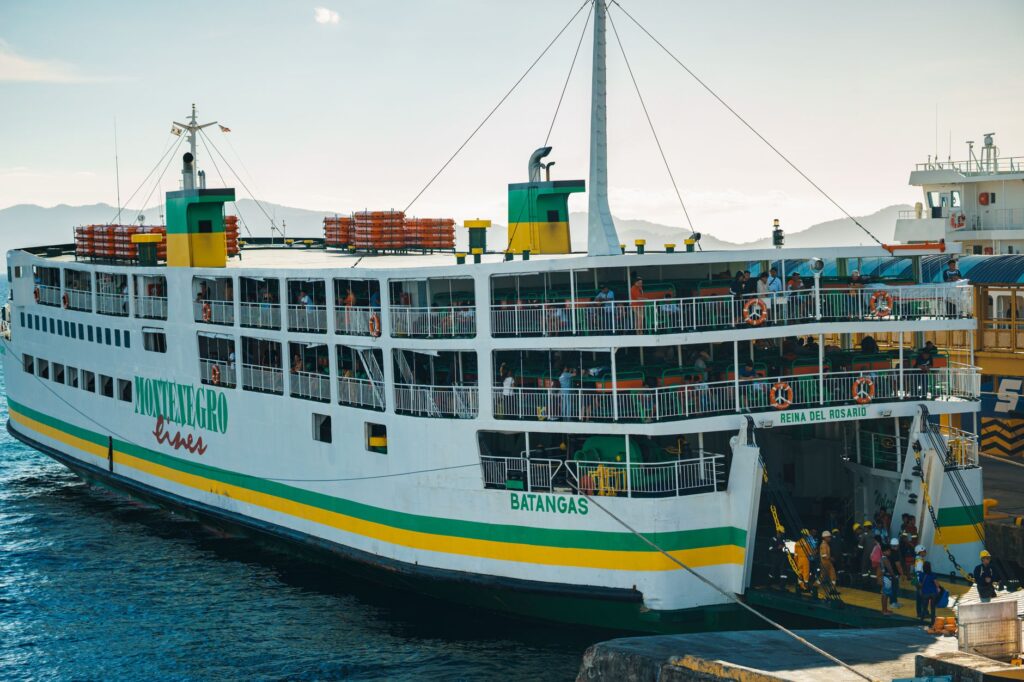
Maritime transport in the Loyalty Islands is dominated by multi-purpose vessels combining roll-on/roll-off cargo transport with passenger accommodation. Ships like the Betico operate as the primary floating artery linking Grande Terre to the archipelago. However, the voyage across the channel separating the main island from Lifou is not without challenges. Ocean currents and southeast trade winds can transform a routine trip into a test of patience and endurance for travelers. On board, the coexistence between residents returning from administrative business in the capital and the few independent travelers reveals a communal atmosphere where deck seats become impromptu conversation spaces about clans and yam harvests.
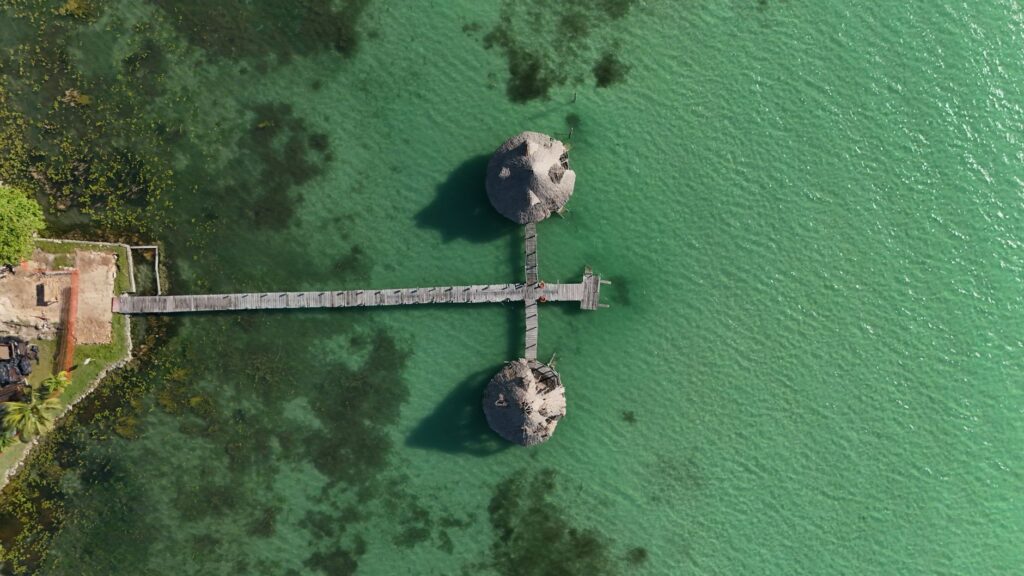
Unloading operations at the docks of Lifou and Maré illustrate the fragility of the logistics chain. Lacking large deep-water port infrastructure due to the protection of coral reefs, ships must anchor with millimeter precision while mobile cranes and local workers manipulate containers under the equatorial sun. This operation depends entirely on tides and the relative calmness of the lagoons. An unexpected storm can paralyze port activity for several days, temporarily isolating the islands and proving that, in this corner of the Pacific, nature holds the final word on schedules and human movement.
The Aerial Alternative: Regional Aviation’s Invisible Bridge
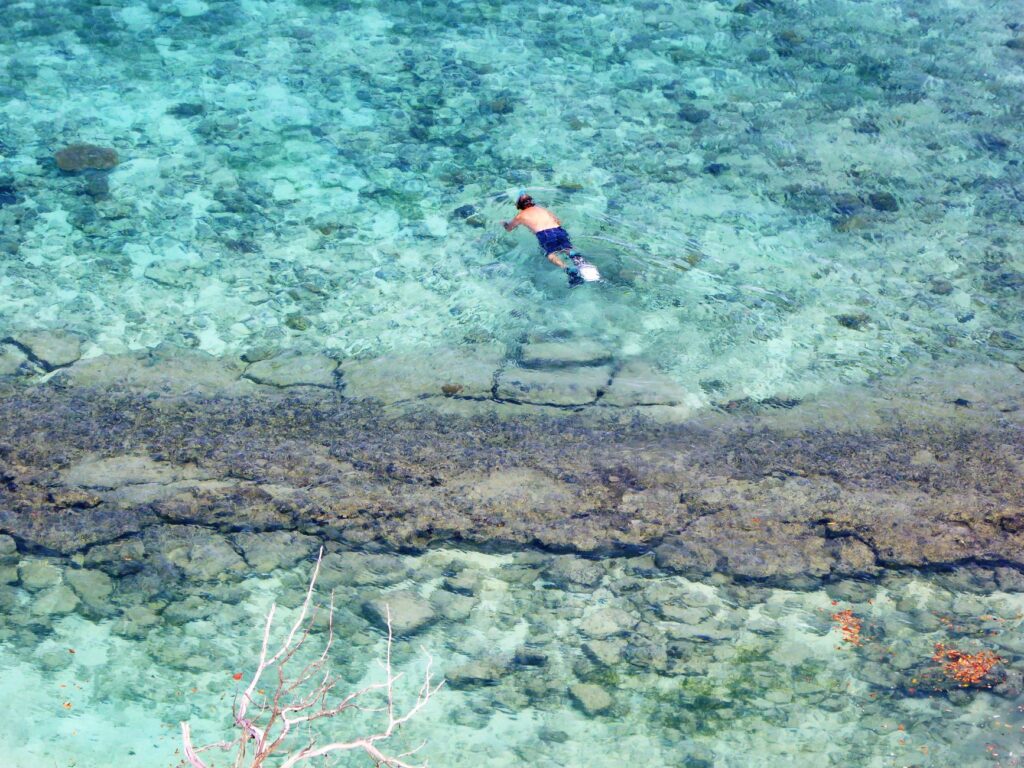
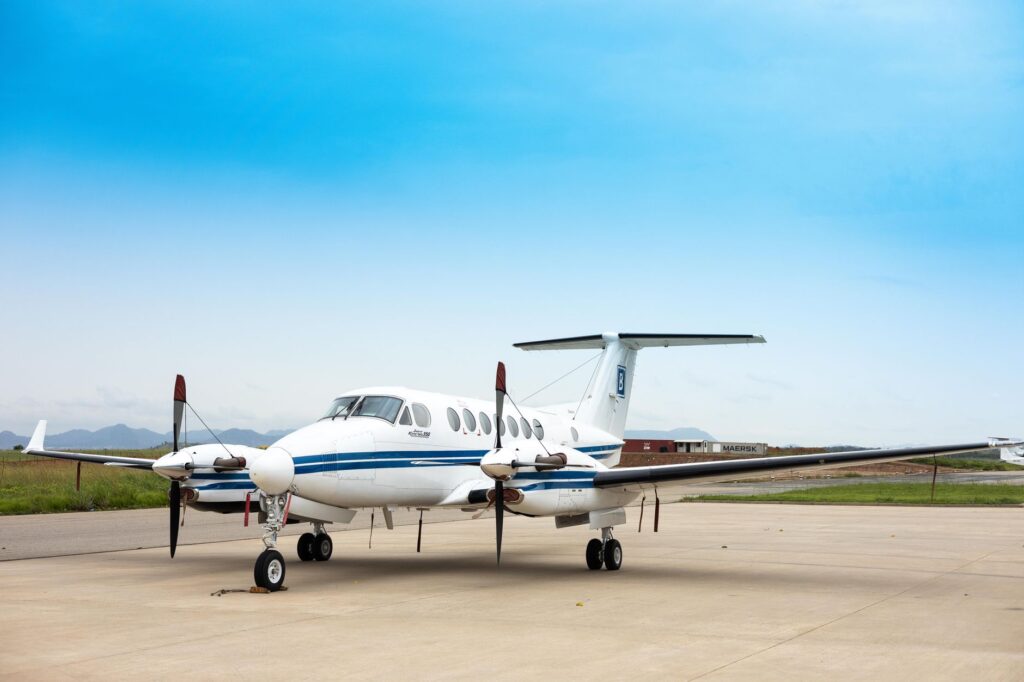
When the sea proves indomitable or time presses, regional aviation becomes the sole lifeline. The airstrips of Lifou (Wanaham), Maré (La Roche), and Ouvéa (Ouanaham) are small facilities surrounded by tropical vegetation where twin-engine turboprops operate. These air connections, managed by local airlines, are essential not only for specialized tourism but fundamentally for medical emergencies and the mobility of civil servants and teachers working in the archipelago. Flights, often lasting barely thirty or forty minutes, offer an unmatched aerial perspective of the atolls, revealing from above the intricate patterns of coral reefs and the turquoise hues of the interior lagoons.
Despite its efficiency, the aviation system faces constant operational challenges. Changing weather conditions, characterized by sudden tropical downpours and coastal mists, force frequent cancellations that test the flexibility of any travel itinerary. The airport terminals, modest in size and eminently human in management, lack the automated systems of major international hubs; here, the human factor and direct communication between pilots, controllers, and passengers are the pillars guaranteeing safety and order in every takeoff and landing.
Internal Mobility: Secondary Roads and the Culture of Hitchhiking
Once on solid ground, the challenge of mobility shifts to the secondary road network winding between coconut groves, coral cliffs, and tribes—the traditional administrative and social units of Kanak society. Lifou, the largest of the islands, features a paved road network connecting its various districts, but regular public transport is practically nonexistent. There are no urban bus lines or corner taxis; internal mobility relies on private vehicles, shared school transport services, and a deep-rooted culture of hospitality facilitating hitchhiking.
For the traveler, moving through the interior of Maré or Ouvéa requires patient planning and, above all, profound respect for local customary protocols. When crossing the territories of different clans, traditional gates or signs of respect remind visitors they are on land under customary sovereignty. Renting vehicles at airports or from the few local agencies is the most recommended option to explore the natural secrets of the islands autonomously, such as the Jokin cliffs in Lifou or the natural bridges of Maré.
The Challenge of Sustainable Tourism Versus Logistical Pressure
The Loyalty Islands archipelago walks a tightrope of tourism development. Provincial authorities and local communities advocate for a controlled tourism model based on stays in tribes and family-run accommodations, avoiding the overcrowding suffered by other Pacific island destinations. However, this sustainable approach inevitably clashes with the limitations of transport infrastructure. An uncontrolled increase in visitors would rapidly overwhelm the carrying capacity of ferries and available hotel beds, altering the fragile social and environmental balance characterizing these communities.
Transport investments are therefore calibrated with utmost caution. Improvements that directly benefit the quality of life of local residents are prioritized over tourist comfort. Expanding small shelter docks, maintaining secondary airstrips, and digitizing ticket booking systems are some of the fronts where provincial institutions work, seeking a harmonious understanding between the right to mobility and the preservation of their unique natural and cultural heritage.
Practical guide
How to get there: Main access to the Loyalty Islands is via Nouméa-La Tontouta Airport or the domestic Magenta airfield on Grande Terre. Air Calédonie operates daily flights to Lifou, Maré, and Ouvéa. By sea, the Betico ferry runs regular crossings from the port of Nouméa to the various docks in the archipelago.
When to go: The dry season, spanning from May to September, offers the most stable and pleasant weather conditions for navigation and outdoor activities. The rainy and cyclone season runs from November to April, a period when maritime and air connections may suffer prolonged suspensions due to adverse weather conditions.
Documentation and permits: Visiting the Loyalty Islands requires a valid passport. It is essential to remember that much of the insular territory belongs to Kanak clans; therefore, strict adherence to customary rules is mandatory—asking permission before photographing people or sacred sites and, where possible, making the traditional welcoming offering (the geste coutumière) when received in the tribes.
Accommodation and internal transport: Accommodation options are limited and notable for their authenticity, including municipal campsites and village stays (gîtes chez l’habitant). Booking several months in advance is strongly advised. To get around the islands, renting four-wheel-drive vehicles at local airports is the most viable alternative given the lack of a regular public transport network.
As a closing reflection, the Loyalty Islands remind the contemporary traveler that distance is not merely a metric measurement, but an immersive experience in patience and respect. When the sun begins to set over the Ouvéa atoll, dyeing the calm lagoon waters in gold and fire, the accelerated rhythms of modern life completely fade away. In that moment of serene contemplation, seated on a wooden pier weathered by salt and southern winds, one understands that the true reward of this intermodal labyrinth is not the speed of the journey, but the privilege of reaching a place where time still belongs to the rhythm of the tides.