
The Great Watercourse and the Persistence of Steam
The Volga River, traditionally regarded as the fluvial and spiritual artery of Russia, has sustained for centuries a network of trade, transport, and communication that defines the geographical identity of the Eurasian nation. Spanning over three thousand five hundred kilometers from the Valdai Hills to its delta in the Caspian Sea, the waters of the Volga have carried vessels of every description. However, it was during the period of industrial expansion in the nineteenth and early twentieth centuries that river navigation achieved unprecedented technical sophistication, dominated by imposing paddle-wheel steamers with side and stern propulsion.
These colossi of iron and wood were far more than mere passenger carriers; they functioned as floating cities connecting isolated communities across the immense expanse of the Russian steppe. Navigation on the Volga demanded an absolute understanding of local hydrography, marked by drastic seasonal variations ranging from violent spring thuds caused by melting snows to summer low-water periods that reduced the channel to treacherous mazes of shifting sandbars. In this context, naval architecture had to adapt to extreme operational constraints, prioritizing shallow drafts and powerful engine plants capable of overcoming fierce currents.
The Engineering of Fluvial Colossi
Building a Volga steamer required adherence to highly specific mechanical demands. Unlike ocean-going vessels designed to withstand deep-sea tides and heavy swells, Russian river craft prioritized longitudinal stability and operational efficiency in shallow waters. Hulls, initially constructed from local hardwoods such as oak and northern pine, rapidly evolved into riveted steel structures by the late nineteenth century, while shipyards in Nizhny Novgorod and Serpukhov adopted advanced European metallurgical techniques.
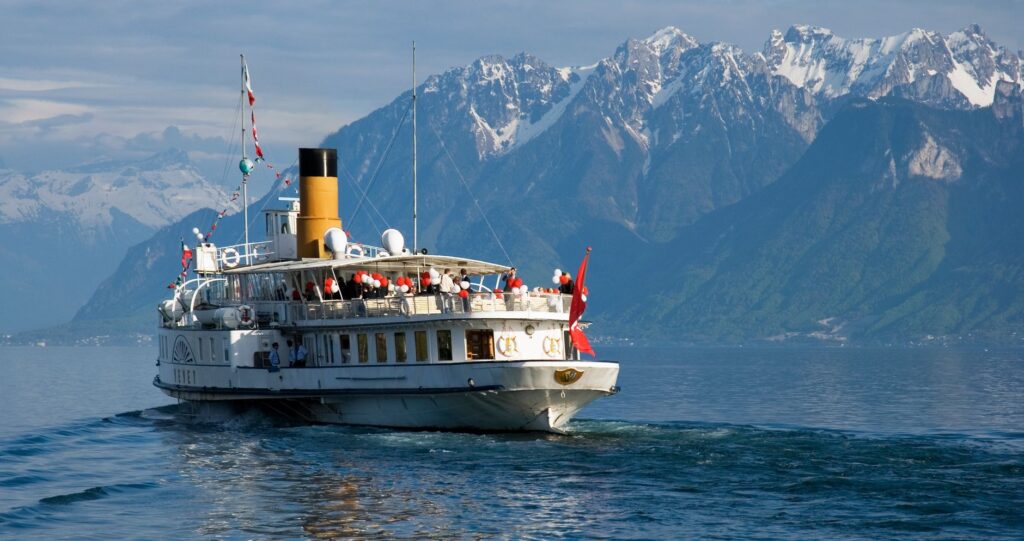
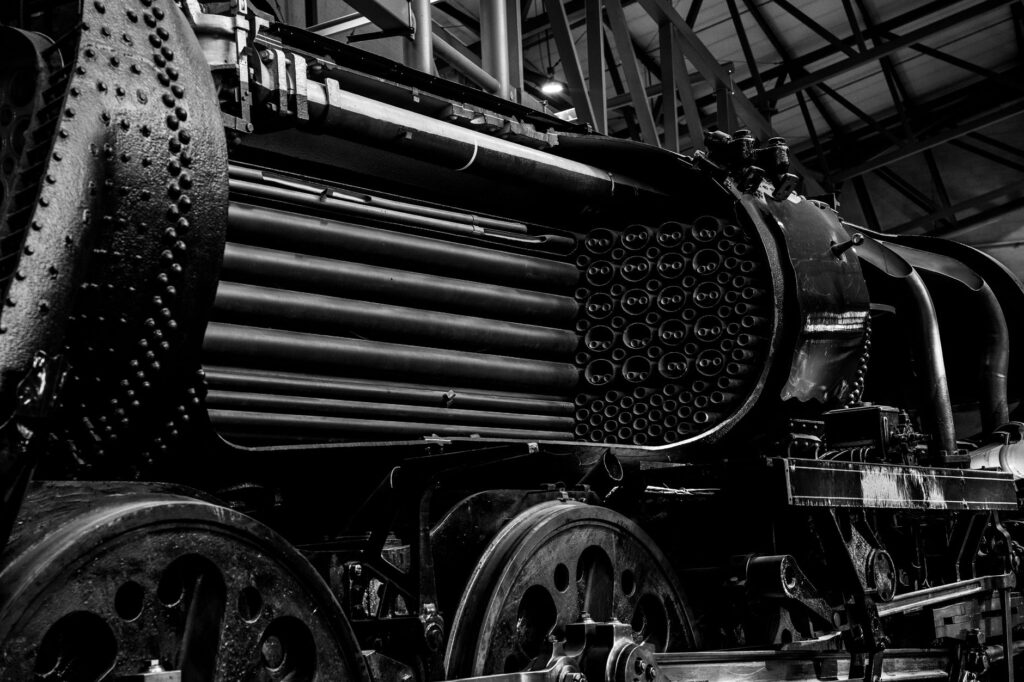
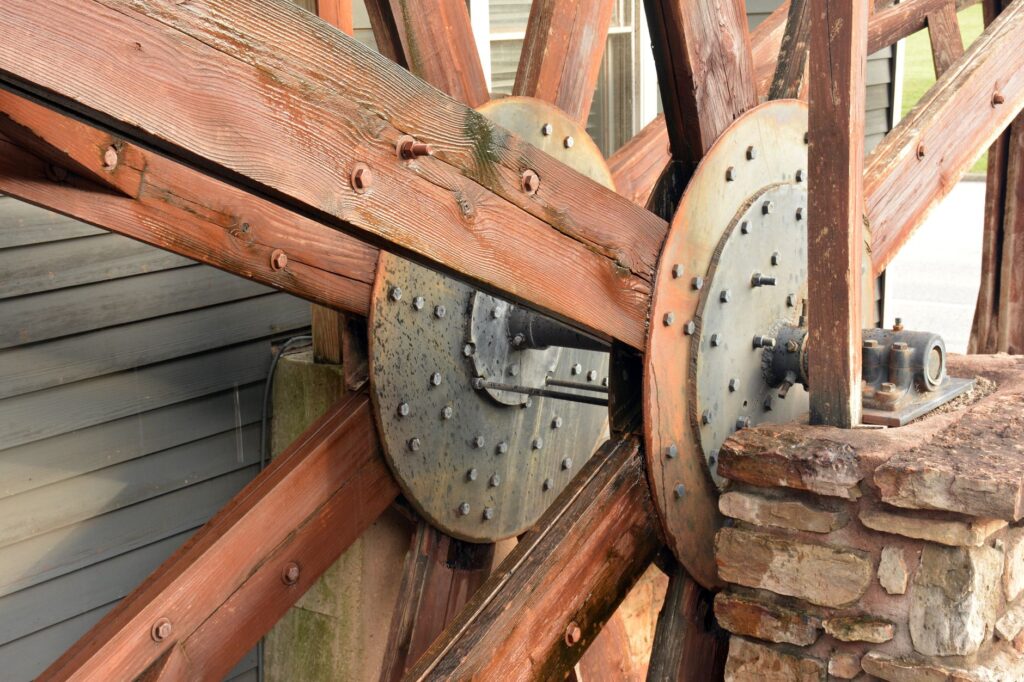
The heart of these machines was the smoke-tube boiler, initially fueled by wood gathered from dense riverside forests and later by fuel oil sourced from the Baku oilfields. This fuel fed multi-expansion steam engines that transmitted kinetic energy to enormous paddle wheels. The paddles, fitted with replaceable wooden boards, were engineered to strike the water at precise angles, minimizing splashing while maximizing forward thrust. The synchronization of these mechanical elements was an industrial-scale clockwork masterpiece, where every piston, connecting rod, and eccentric had to operate without the slightest margin of error during voyages lasting weeks.
Life On Board and the Hierarchy of the Waters
Traveling along the Volga aboard these steamers meant entering a strictly hierarchized social microcosm. Vessels featured up to four classes of travel, clearly separated by deck levels and interior finishes. While first-class offered cabins paneled in fine woods, music salons with pianos, and dining rooms serving local delicacies, lower classes accommodated peasants, itinerant merchants, and laborers who shared space on cargo decks or in communal compartments equipped with metal bunks.
The rhythm of the voyage was set by the constant thrum of machinery and frequent stops at intermediate ports, where the arrival of the steamer served as the social highlight of the day. At these improvised riverside piers, grain, textiles, dried fish, and news from major cities were exchanged. Captains and river pilots enjoyed almost mythical prestige, as their empirical knowledge of channels, shallows, and capricious steppe winds was the sole guarantee of survival for crew and cargo alike on a river that tolerated no navigational errors.
The Lock System and Soviet Transformation
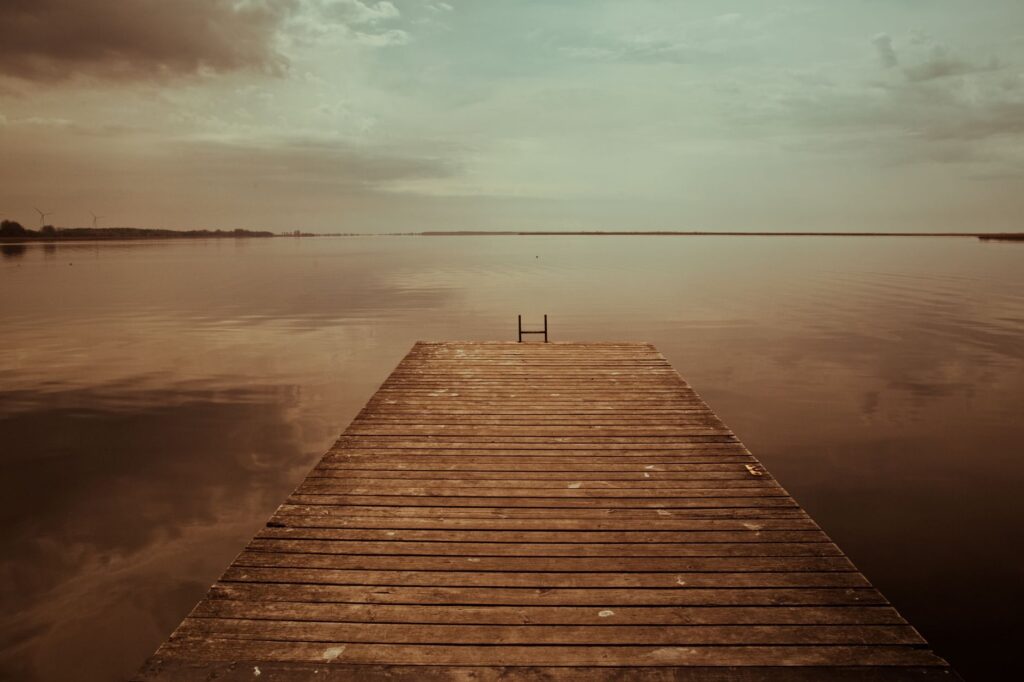
With the advent of the Soviet era, the Volga navigation system underwent a radical restructuring geared toward accelerated industrialization and massive hydroelectric exploitation. The river was subjected to deep engineering intervention through the construction of enormous reservoirs—such as the Kuybyshev and Aleksandrovsk basins—and a complex network of artificial canals, most notably the Moscow-Volga and Volga-Don canals, connecting the Baltic, White, Caspian, Azov, and Black seas into an expansive intermodal web.
This transformation posed a monumental challenge to traditional paddle steamers. Although entire stretches of the river were converted into tranquil inland lakes by the large reservoirs, artificial flow regulation irreversibly altered sedimentary dynamics and river ecology. Old paddle steamers were gradually superseded by higher-capacity diesel motor ships with greater drafts, more efficient for bulk cargo and mass passenger transport, yet devoid of the romantic mechanics and characteristic steam whistles that had defined the river’s soundscape for over a century.
The Volga River is not merely a communication route; it is the mirror reflecting the industrial and landscape memory of an entire continent.
Floating Heritage in the Twenty-First Century
Today, the presence of operational steamships on the Volga is practically testimonial, limited to restored vessels operating on select tourist circuits and rusted wrecks resting in secluded river boneyards. Nevertheless, interest in industrial archaeology and the history of inland navigation has experienced a notable renaissance among historians, naval engineers, and travelers dedicated to Eastern European technological heritage.
River museums located in riverside cities such as Nizhny Novgorod, Samara, and Astrakhan preserve original blueprints, detailed scale models, and mechanical components salvaged from old steamers. These institutions play a crucial role in safeguarding the technical memory of an era when mastering vast river distances depended entirely on coal combustion, wrought-iron strength, and the seamanship of entire crews devoted body and soul to the great Russian watercourse.
Conservation Practices and Ecological Challenges
The preservation of the Volga’s nautical heritage intersects today with complex environmental issues affecting the entire river basin. Industrial pollution accumulated throughout the twentieth century, combined with the disruption of natural flows caused by dams and dykes, has fundamentally transformed the aquatic ecosystem. River management and heritage conservation experts advocate for an integrated approach combining the protection of surviving historical hulls with the ecological restoration of original riverbanks and wetlands.
Similarly, contemporary river tourism cruising the Volga aboard modern vessels seeks to recapture part of the classical travel narrative, offering passengers a privileged window into the architecture of Orthodox monasteries, historic Golden Ring cities, and the vast horizons of the steppe. However, balancing the environmental sustainability of these operations with tourism demand remains a primary challenge for Russian regional authorities in the twenty-first century.
Practical guide
Getting there: The most accessible starting point for exploring the central Volga region is Nizhny Novgorod, connected to Moscow by high-speed Sapsan trains taking approximately four hours. Regular domestic flights are also available to Strigino International Airport.
When to go: The river navigation season on the Volga traditionally runs from late May to September, when weather conditions are favorable and lock systems operate at full capacity. July and August experience the warmest temperatures, ideal for river excursions.
Recommended accommodation: In major riverside cities like Nizhny Novgorod, Kazan, and Samara, lodging options range from historic hotels housed in former merchant mansions to modern establishments adjacent to river terminals. Advance booking is strongly recommended during the summer peak season.
Route tips: To fully grasp the scale of historical navigation, visiting the River Fleet Museum in Nizhny Novgorod is essential, combined with planning a short local ferry trip between smaller riverside towns where traditional wooden piers are still preserved.
The Echo of Steam in the Memory of the Steppe
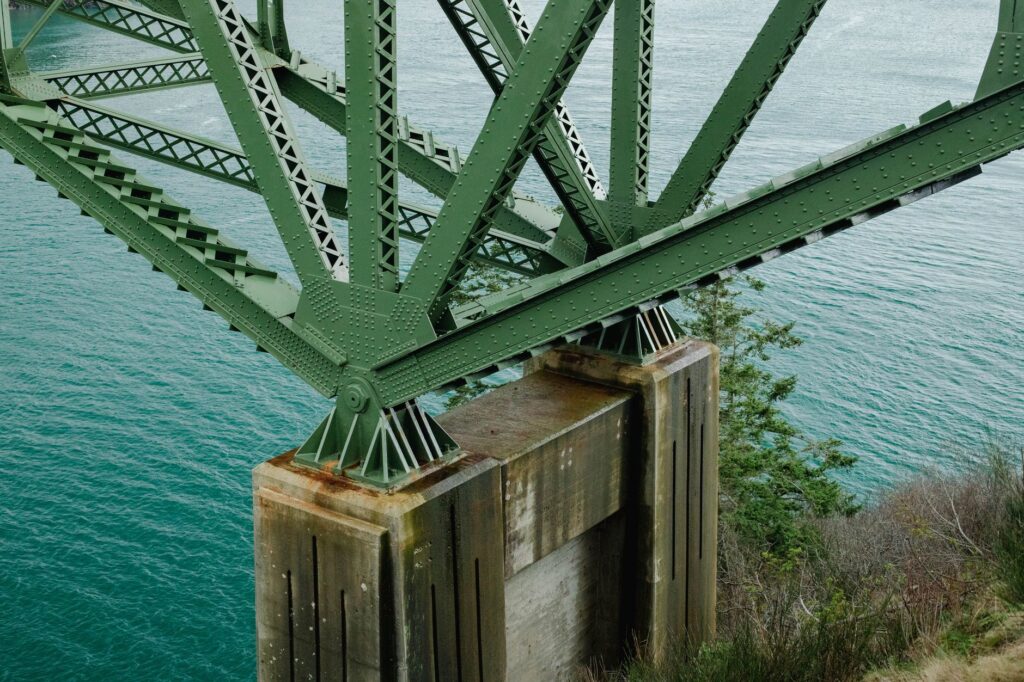
Even today, when travelers pause at dusk on the high banks of the Volga and gaze out over the immense surface of the river illuminated by the last rays of sunset, it is possible to perceive the distant echo of an era when steam was the undisputed monarch of the waters. The unhurried pace of the currents, the distant profile of former shipyards, and the silhouette of monumental bridges uniting both shores remind us that civilization in these lands was born and nurtured to the rhythm of inland navigation. The steamships of the Volga, with their grand paddle wheels and smoking boilers, were not merely marvels of nineteenth-century engineering, but the true architects of territorial and cultural unity across an unfathomable river world.