The confluence of rivers and the awakening of an ancestral territory
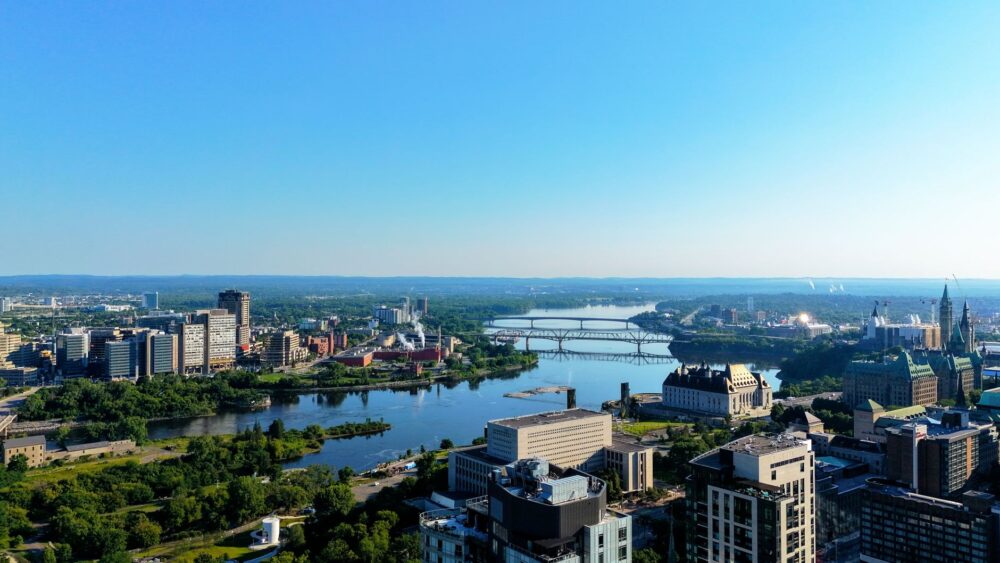
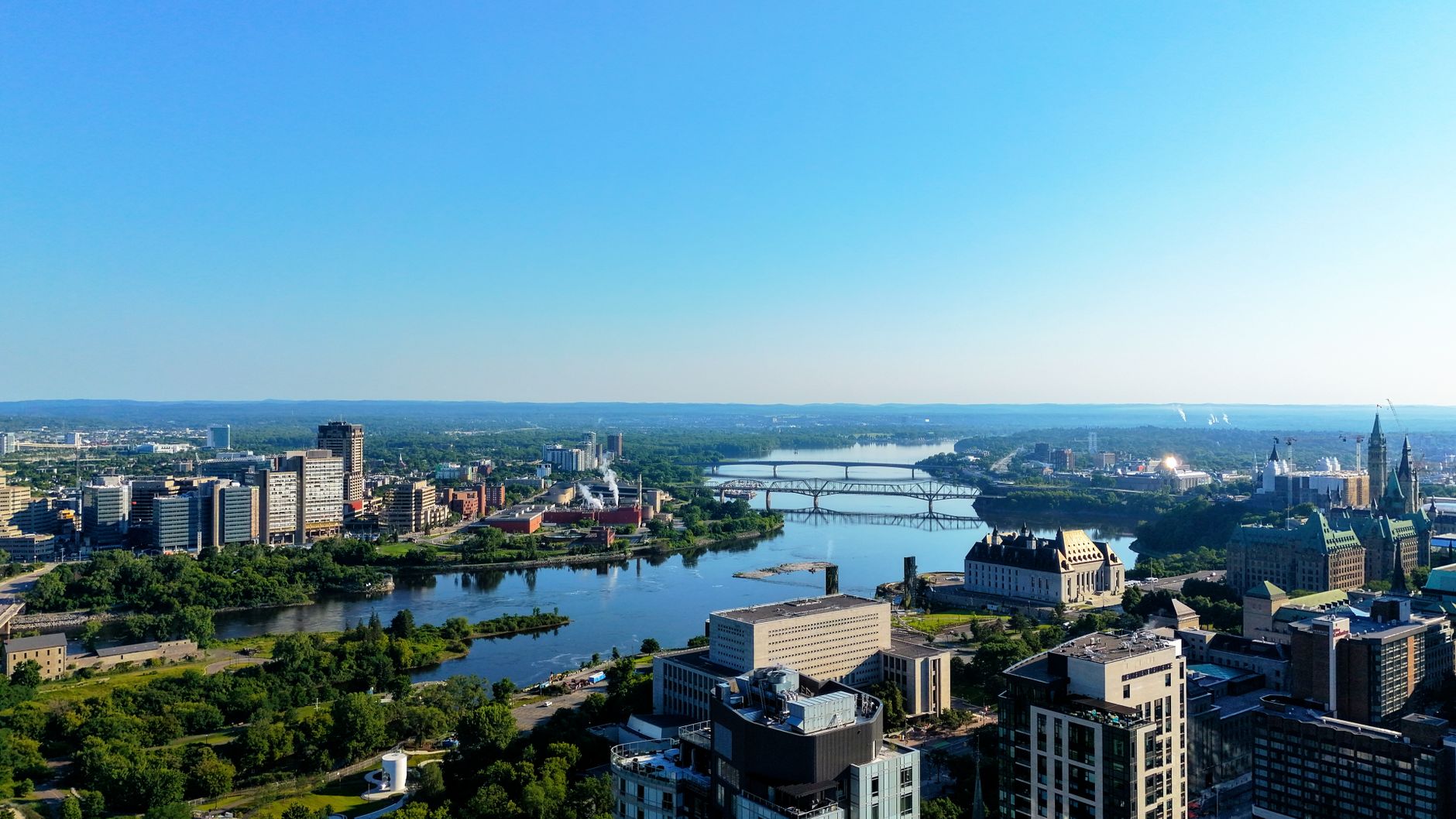
When contemporary travelers land in Ottawa, they usually anticipate the classic image of Parliament Hill, neo-Gothic architecture, and the solemn parade of federal institutions. Yet beneath the surface of this orderly capital beats a vibrant ecosystem where water is the true protagonist. In this traditional territory of the Anishinabe Algonquin Nation, the Ottawa, Rideau, and Gatineau rivers are not mere geographical accidents, but vital arteries that have shaped the region’s identity, commerce, and spirituality for millennia. Recent initiatives driven by promotional agencies and specialized tour operators seek precisely to shift the focus toward this ecological heritage, demonstrating that a modern metropolis can coexist in harmony with boreal biodiversity.
Understanding the Canadian landscape requires abandoning urban haste to attune with seasonal rhythms. Strategic alliances between entities like Ottawa Tourism and professional networks in the travel industry have opened new pathways to explore the surrounding nature without disrupting its fragile equilibrium. This is not superficial ecotourism or green window-dressing, but a rigorous immersion in the mixed forests of the Canadian Shield and the wetlands acting as purifying kidneys of the watershed. Here, travelers become conscious observers of a territory confronting global climate challenges with local mitigation strategies and radical respect for the environment.
The Rideau Canal: Hydraulic engineering integrated into the biosphere
A UNESCO World Heritage site, the Rideau Canal is far more than a historic waterway inaugurated in the nineteenth century. Stretching over two hundred kilometers to connect Ottawa with Kingston, this masterwork of military engineering has transformed into an ecological corridor of incalculable value. During the warm months, its treed banks harbor dozens of migratory bird species, amphibians, and riparian vegetation that contrasts with urban concrete. Navigating its waters in low-impact watercraft or cycling its side paths allows one to understand how human intervention can integrate into the natural landscape when long-term conservation is prioritized.
The maintenance and water management efforts along the canal serve as a model of environmental stewardship. The manual lock stations, operated in many cases by traditional mechanisms, require efficient use of water resources, minimizing erosion and protecting local aquatic habitats. River ecotourism experts emphasize that this canal functions as an ecological buffer, allowing wildlife to cross the city’s densely populated heart through a protected green corridor. It is a tangible reminder that historical infrastructure can be redesigned as an urban sanctuary of biodiversity.
Mer Bleue Conservation Park: The arctic miracle in the south
Just kilometers from the hustle of the urban center lies one of North America’s most fascinating ecological treasures: the Mer Bleue bog. This wetland, covering over three thousand hectares, is an authentic living fossil from the last glacial period. Due to its singular conditions of acidity, nutrients, and temperature, it hosts flora and fauna typical of the subarctic tundra, more characteristic of latitudes hundreds of kilometers to the north. Walking upon its authorized boardwalks feels like taking a journey through time and space, stepping into a thick silence where carnivorous plants like sundews and unique varieties of black spruce thrive.
The protection of Mer Bleue is a testament to the region’s scientific and conservation commitment. Managed as part of the National Capital Commission, this wetland fulfills a critical ecological function as a massive carbon sink and regional hydrological regulator. Environmental education programs implemented in the area aim to raise awareness about the fragility of these stagnant ecosystems, which are extremely vulnerable to climate change and urban runoff pollution. Observing the morning mist rising over the dark waters of the bog offers profound perspective on the need to preserve these pristine strongholds against real estate pressure.
The green trail network and cycling as regenerative mobility
Exploring Ottawa without motor vehicles is an entirely achievable goal thanks to its extensive network of greenways, known as the Capital Pathway. With over six hundred kilometers of paved routes and compacted earth paths, this system connects urban parks, peripheral forests, and riverbanks. Bicycles are promoted not merely as a sustainable mobility alternative to reduce carbon footprint, but as a landscape interpretation tool. Each trail section is designed to minimize habitat fragmentation, allowing local wildlife to cross safely from one sector to another.
True ecotourism is not about consuming pristine landscapes, but about letting ecosystems teach us how to inhabit the planet with humility and sustained attention.
Recent initiatives to diversify tourism offerings have integrated guided routes led by local naturalists who explain native botany, terrain geology, and signs of medium-sized mammals like beavers and red foxes. These experiences foster a respectful relationship with the environment, educating visitors on the principle of leaving no trace. Collaboration between tourism authorities and park managers ensures that rising visitor numbers do not overwhelm the most sensitive trails, establishing capacity limits and rotation in areas of highest ecological value.
Gatineau Park: The mountainous lung and boreal biodiversity
Located across the Ottawa River in the neighboring province of Quebec but intimately tied to the capital’s metropolitan life, Gatineau Park represents the transition into the vast Canadian boreal forest. With rolling hills, crystal-clear lakes, and dense groves of maples, beeches, and conifers, this park protects over thirty-six thousand hectares of wild nature. It is home to stable populations of white-tailed deer, black bears, solitary wolves, and dazzling avifauna that attract ornithologists and hikers from across the continent.
Gatineau Park management prioritizes strict conservation of nesting zones and ecological corridors for large mammals. During critical seasons, certain areas are closed to the public to avoid disturbing wildlife reproductive cycles. This policy of balancing public enjoyment with environmental protection has turned the park into an open-air laboratory for studying the resilience of mixed forests under climatic stress. Visitors traversing its trails in search of panoramic views like the Champlain Lookout experience the immensity of the Canadian landscape mere minutes from a major urban zone.
Sustainable tourism strategies and the voice of local communities
Tourism development in the Ottawa region has undergone a paradigm shift driven by climate urgency and traveler demand for more authentic, ethical experiences. Trade missions and familiarization trips organized by institutions like Ottawa Tourism have left behind the mass model to focus on alliances with local providers, eco-certified hotels, and operators practicing regenerative tourism. This means every dollar spent by travelers directly contributes to the conservation of natural spaces and the wellbeing of host communities.
A fundamental pillar of this transformation is active collaboration with First Nations, particularly the Algonquin Anishinabe community, whose ancestral knowledge of sustainable forest and water management is being reintegrated into official park management. Respect for territorial sovereignty and indigenous worldview brings an indispensable ethical dimension to the tourism narrative, steering it away from cultural extractivism. Visitors have the opportunity to participate in workshops and interpretive tours where they learn to read the landscape through millennia of human stewardship, understanding that wild nature is actually a carefully tended cultural garden.
Zero-kilometer gastronomy and the pantry of the forests
The commitment to sustainability in Ottawa inevitably extends to the dining table. The capital’s culinary scene has enthusiastically embraced the principles of the zero-kilometer movement, establishing direct partnerships with local farmers, apiarists, and foragers of wild Canadian Shield produce. Restaurants and bakeries integrate endogenous ingredients such as wild berries, artisanal maple syrup, river fish caught through sustainable practices, and ethically managed game meats into their menus. This terroir cuisine not only drastically reduces the carbon footprint associated with food transport, but celebrates the edible biodiversity of the ecoregion.
Dining in Ottawa is an act of conscious bioregionalism; every dish tells the story of the forests, rivers, and gardens sustaining the local ecosystem’s balance.
Traditional city markets, like the historic ByWard Market, have evolved to give greater prominence to local producers practicing regenerative and organic agriculture. Gastronomic experiences linked to ecotourism frequently include cooking workshops with forest products and guided tastings explaining how selecting local ingredients fosters the preservation of native agricultural varieties and protects wild pollinators. Thus, food solidifies as an avenue for environmental education and direct support for a sustainable rural economy.
Practical guide
- How to get there: Ottawa Macdonald-Cartier International Airport (YOW) connects with major North American hubs and maintains emission reduction policies. From the airport, electric public transport and shuttle services facilitate city center access without private vehicles.
- Best time to visit: Autumn months (September to November) offer an unmatched display of forest colors and optimal hiking temperatures. Spring (May to June) stands out for flora awakening and migratory bird watching.
- Sustainable mobility: Utilize the Capital Pathway network for cycling or walking. The intermodal public transport system (OC Transpo) integrates electric buses and efficient light rail lines.
- Recommended accommodations: Prioritize establishments with recognized sustainability certifications, such as Green Key Global, implementing strict energy efficiency protocols, waste management, and local community support.
- Code of conduct in natural areas: Strictly apply leave-no-trace principles. Stay on marked trails to protect fragile wetland and boreal forest vegetation, and maintain a prudent distance from wildlife.
Inner refuge: The regenerative silence of boreal forests
Ultimately, a conscious journey through Ottawa’s natural spaces transcends mere visual contemplation to become an experience of introspection and personal rebalancing. When travelers pause in the heart of Gatineau Park or watch the sunset over the gentle waters of the Rideau Canal, they experience a rare attunement where the noise of the modern world dissolves into the murmur of wind through conifers. This capacity of nature to restore human attention is perhaps the region’s most valuable resource, an eloquent reminder that ecosystem preservation is not merely a biological necessity, but an indispensable condition for our own emotional and spiritual health.
The commitment of institutions and local communities to maintaining this delicate balance demonstrates that transitions toward tourism models where human presence does not degrade, but honors and protects the environment, are entirely possible. Upon bidding farewell to Canada’s capital, travelers carry the certainty that its rivers, bogs, and forests are not mere postcard attractions, but living entities demanding our continuous respect and care. The journey concludes, but the lesson of ecological humility remains etched in memory, resonating with the very force of its landscapes’ green heartbeat.
Source in EN: Cartademexico.com – Ottawa Tourism and Expomayoristas Fam Trip