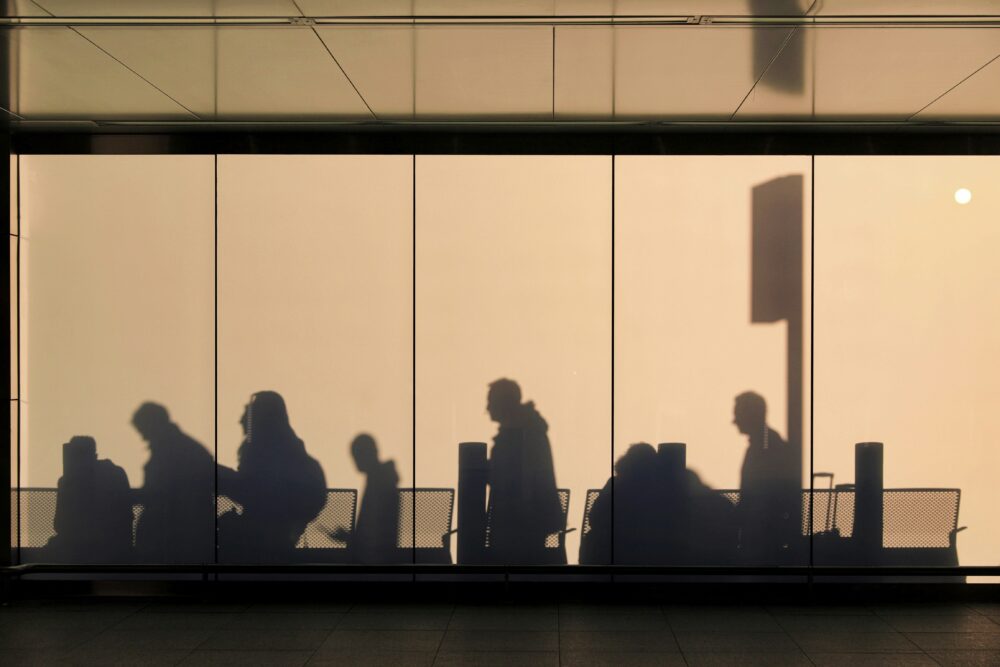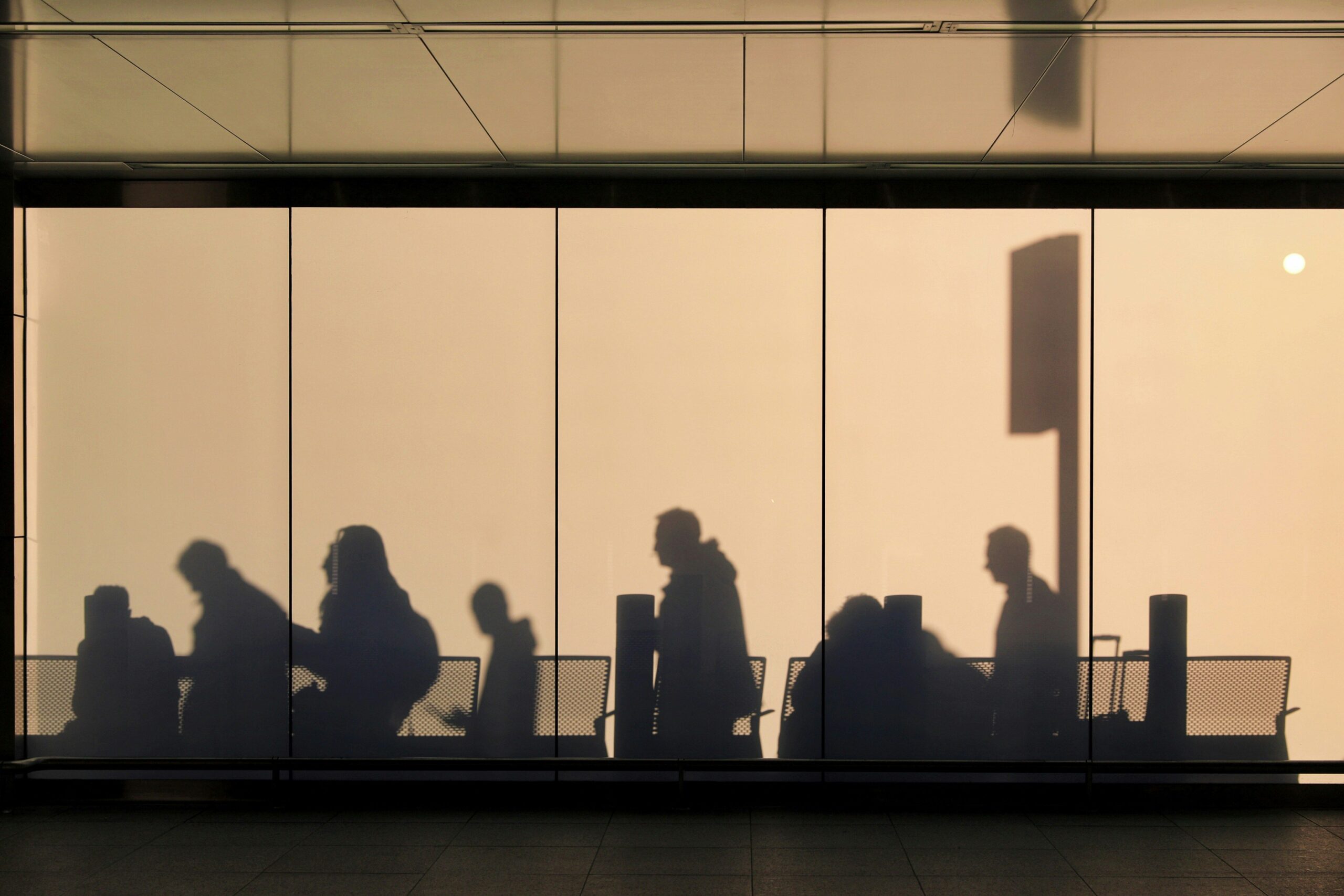
O’Hare airfield, under a persistent drizzle that dissolves runway lights into blurred stains, is the daily epicenter of a choreography that millions of travelers know all too well: flashing red departure boards, passengers crowded around overwhelmed service counters, and the perpetual uncertainty of when, how, and at what cost they will reach their final destination. For decades, this operational limbo has been managed by airlines with calculated opacity, where meal vouchers and hotel rooms depended less on consumer rights and more on punctual generosity or pressure exerted on ground staff. However, a regulatory shift driven by the U.S. Department of Transportation (DOT) aims to rewrite the rules of engagement in commercial aviation.
This federal mandate, whose effective implementation began on October 19, introduces a framework of clarity where regulatory ambiguity once reigned. It is not a utopian revolution that eradicates weather turbulence or air traffic congestion, but rather a surgical intervention on the costs of negligence. By tightening compensation obligations for delays and cancellations attributable to carriers, the rule forces a rethinking of stranded passenger logistics. For both the frequent flyer and the occasional tourist, understanding the exact scope of this legal transformation is not an academic exercise, but an essential survival tool in the contemporary aviation ecosystem.
The Regulatory Labyrinth of Airline Compensation
To understand the magnitude of the current shift, one must look back and examine the barren landscape of the U.S. regulatory umbrella compared to the European model under Regulation EC 261/2004. While the Old Continent established fixed, automatic indemnifications for waiting hours years ago, the North American market operated under a system of self-regulation. Airlines promised assistance in their contracts of carriage—the fine print no one reads when buying a ticket—but the trigger thresholds were vague, subjective, and frequently evaded under the catch-all excuse of extraordinary circumstances.
The DOT’s intervention seeks to close these legal loopholes. The core of the new rule lies in the standardization of what constitutes a compensable delay and the elimination of the bureaucracy airlines historically placed between the traveler and their rights. It is no longer sufficient to offer a lukewarm coffee and an industrial pastry after four hours of waiting; the federal regulation establishes precise time thresholds that trigger direct economic responsibilities for the airline, shifting the cost of the setback from the consumer’s pocket to the corporate balance sheet.
X-Ray of an Imputable Delay: When Is the Airline Responsible?
The Achilles’ heel of any air transport regulation has always been the dividing line between the predictable and the fortuitous. A snowstorm in the Northeast or the unexpected closure of airspace for national security reasons are, by definition, outside an airline’s operational control. Nevertheless, the previous system allowed companies to categorize as ‘force majeure’ events that actually stemmed from fleet management failures, deficient preventive maintenance, or chronic crew shortages driven by budget cuts.
Under the updated guidelines, scrutiny over the causes of delays becomes significantly more rigorous. Airlines must definitively prove that the service interruption was caused by factors truly beyond their control. If an aircraft suffers a technical failure in a part that should have been serviced in the base hangar, the company can no longer hide behind the unexpected to deny hotel accommodations or refunds. This legal precision significantly reduces the margin for corporate discretion and protects passengers against the systematic erosion of their basic rights during operational crises.
The Invisible Economy of the Ticket: Guaranteed Meals and Shelter
The most tangible and celebrated aspect of the regulation directly impacts the primary needs of stranded travelers: food and rest. In the past, securing a decent meal voucher at an international airport was equivalent to an exhausting negotiation. The assigned amounts were usually insufficient to purchase a basic sandwich, and the provision of a hotel was restricted to the most flagrant cases or the most combative passengers willing to demand a supervisor.
The new regulation stipulates mandatory and quantifiable minimums. When prolonged delays attributable to the airline occur—exceeding three hours for domestic flights and equivalent thresholds for international connections—the provision of meals and beverages adapted to the time of day becomes an imperative mandate rather than an optional courtesy. Similarly, if the delay forces an overnight stay, the carrier is required to cover not only the hotel room but also round-trip ground transportation between the terminal and the hotel, eliminating the annoying out-of-pocket expenses that traditionally wrecked travelers’ budgets.
The Financial Impact on Airlines: Reckoning or Fare Hike?
Any regulation imposing new economic obligations on an industry as competitive and thin-margined as commercial aviation inevitably sparks debate about its market side effects. Airline associations have historically argued that imposing severe fines and compensations will force companies to pass these costs onto the final consumer in the form of higher airfares, penalizing prudent travelers for infrastructure or weather failures.
However, consumer advocates maintain that the argument of rising costs is a smoke screen to mask operational inefficiency. Investing in punctuality and preventive maintenance is ultimately much cheaper in the long run than paying massive compensations and hotel bills. By penalizing poor management, the rule creates a direct financial incentive for companies to optimize aircraft rotations and reduce ground chaos. Instead of raising prices indiscriminately, airlines are pushed to compete on reliability, a value that had been relegated to the background during low-cost price wars.
The Fine Print and Persistent Legal Loopholes
No regulatory reform is a universal panacea, and a detailed examination of the DOT rule reveals certain loopholes that major aviation corporations are already scrutinizing closely. Although rights to food and lodging have been considerably safeguarded, gray areas persist regarding codeshare flights and connections operated by regional airlines associated with major global brands.
When a ticket is issued by a main carrier but the affected leg is operated by a smaller regional partner, disputes frequently arise over who should bear the financial responsibility for the delay. The regulation demands greater transparency in assigning blame, but the complexity of international airline alliances—such as major global partnerships—can slow down claim resolutions. Detailed knowledge of the contract of carriage remains, therefore, the passenger’s best protective shield, reminding us that no government decree entirely replaces a traveler’s active vigilance.
Practical guide
- Verify your itinerary before departure: Review airline alerts and air traffic tracking apps to anticipate issues along your route.
- Demand the cause in writing: If your flight experiences a delay exceeding three hours, ask ground staff for written confirmation of the exact cause of the delay.
- Keep all receipts: Save every ticket for food, beverages, or ground transportation in case you must initially cover expenses out-of-pocket for later reimbursement.
- Know the time thresholds: Familiarize yourself with the cutoff hours established by the DOT that mandate meal vouchers and hotel accommodations.
- Use official complaint channels: If the airline fails to comply with the regulations, file your grievance directly through the U.S. Department of Transportation’s web platform.
Ultimately, the experience of flying remains an exercise in faith in modern engineering and the complex human machinery coordinating millions of daily journeys. Regulations do not eliminate the vulnerability inherent in soaring through the sky at five hundred miles per hour, but they establish an ethical and financial limit against operational abuse. When the lights of O’Hare or any other major terminal in the world turn red again due to an unexpected delay, the traveler will no longer be at the mercy of corporate arbitrariness, but backed by a legal architecture that finally recognizes the passenger’s time and well-being as non-negotiable.
Source: Condé Nast Traveler (https://www.cntraveler.com/story/how-this-small-rule-could-change-what-airlines-owe-passengers-during-flight-delays-and-cancellations)