
Autumn in the Riviera Maya offers both a climatic respite and a necessary rethink of how travelers experience the biodiversity of the Mexican Caribbean. As September pricing structures open the door to greater accessibility, the true value of a journey to Mexico’s southeast lies in understanding the complex network of conservation, vernacular architecture, and cultural rescue that sustains one of the most visited destinations on the planet. Far from a mere commercial transaction, analyzing promotional strategies and seasonal discounts—such as those promoted for September 2026—reveals a broader effort to democratize access to high-value heritage experiences without compromising ecosystem integrity.
This report examines how large-scale tourism can coexist with environmental preservation, using the evolution of integrated resorts within the jungles and coastlines of Quintana Roo as a case study. Through interviews with environmental managers, landscape architects, and community leaders, we explore the ongoing tension between economic development and the protection of cenotes, endemic fauna, and Maya heritage, equipping the contemporary traveler with critical tools to decode their next Caribbean journey.
The Paradox of Mass Tourism in the Mexican Caribbean
The coastal strip stretching from Cancún to Tulum has undergone unprecedented geographic transformation over the past four decades. What began as a pioneering planned development project has evolved into a densely packed tourism corridor. In this context, the introduction of temporary economic incentives and promotional codes for the autumn season is not merely a hotel occupancy tactic, but a demand thermostat designed to ease overcrowding during peak summer months.
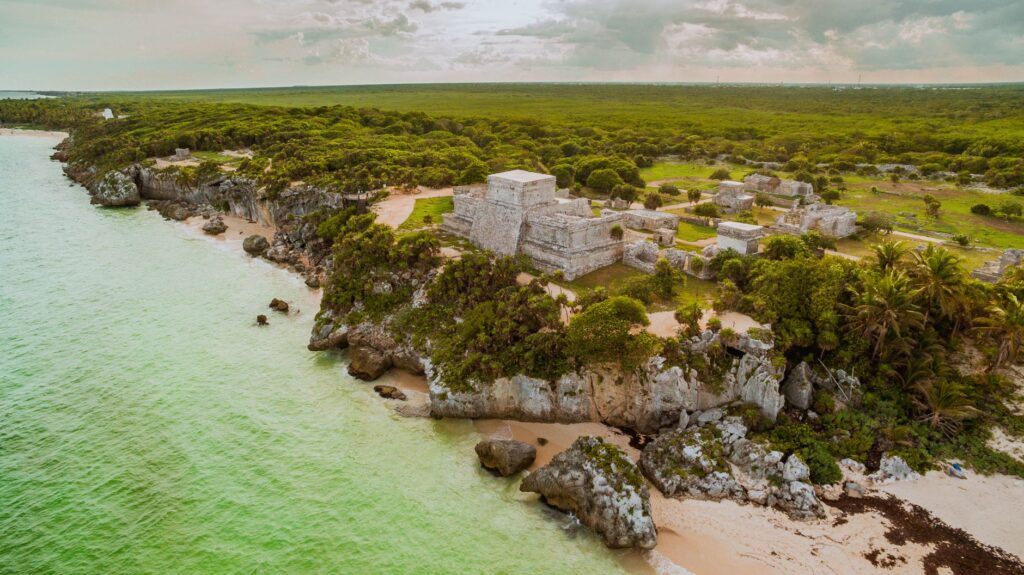
Recent data from the Quintana Roo Tourism Ministry indicates that visitor flows during September experience a logical slowdown, granting local ecosystems a much-needed operational breather. However, this seasonal drop poses financial challenges for local infrastructure. This is where strategic discounts fulfill a dual function: they sustain formal regional employment and allow travelers with modest budgets to access educational and conservation programs that might otherwise remain financially out of reach.
Landscape Architecture: Integrating Without Taming
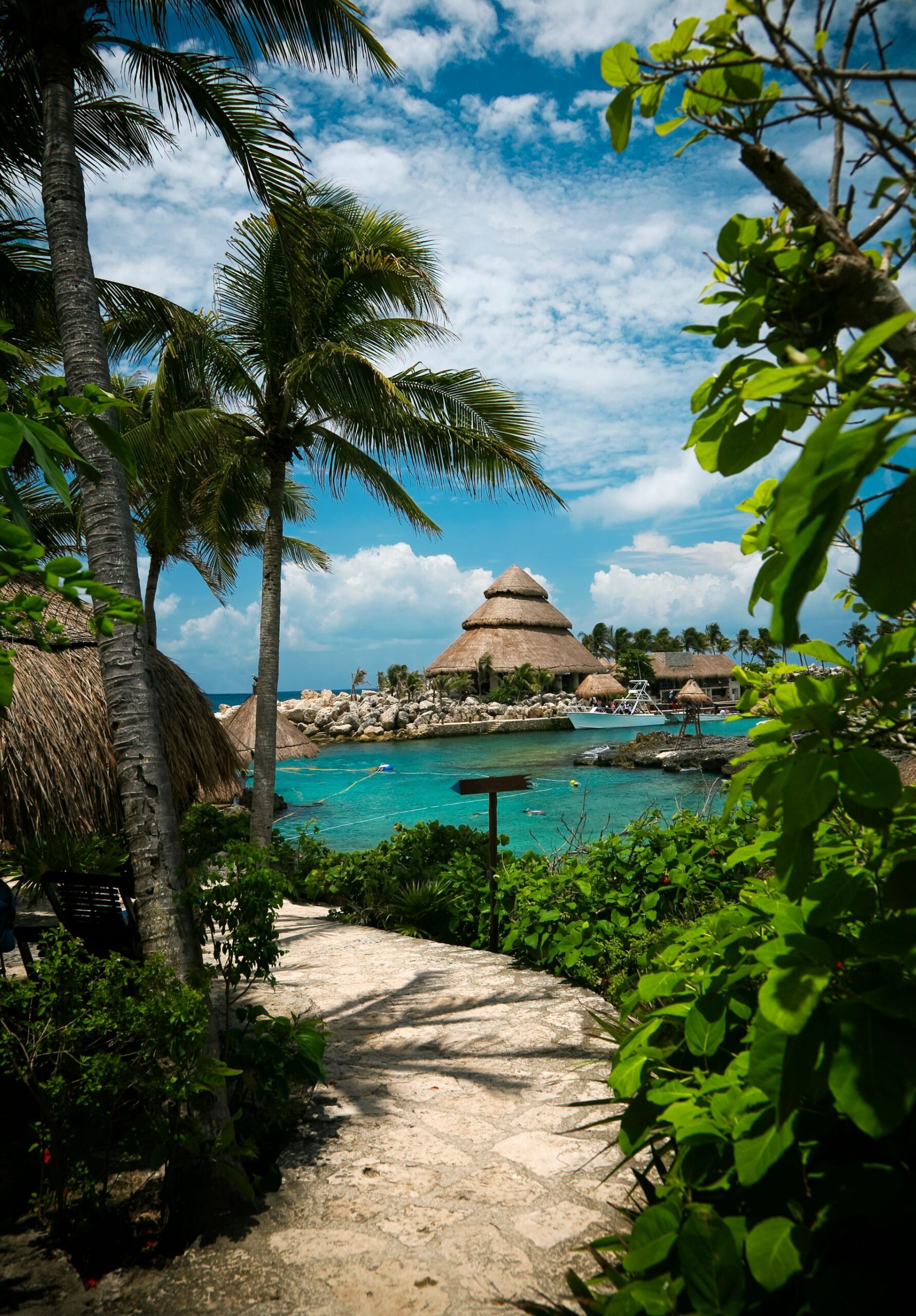
One of the major technical achievements in the evolution of the region’s hospitality and theme parks has been the shift from architectural imposition to biophilic design. The engineers and landscape architects who reshaped tourist spaces in the late 20th century realized that the low deciduous jungle and subterranean river systems should not be paved over, but inhabited with precision.
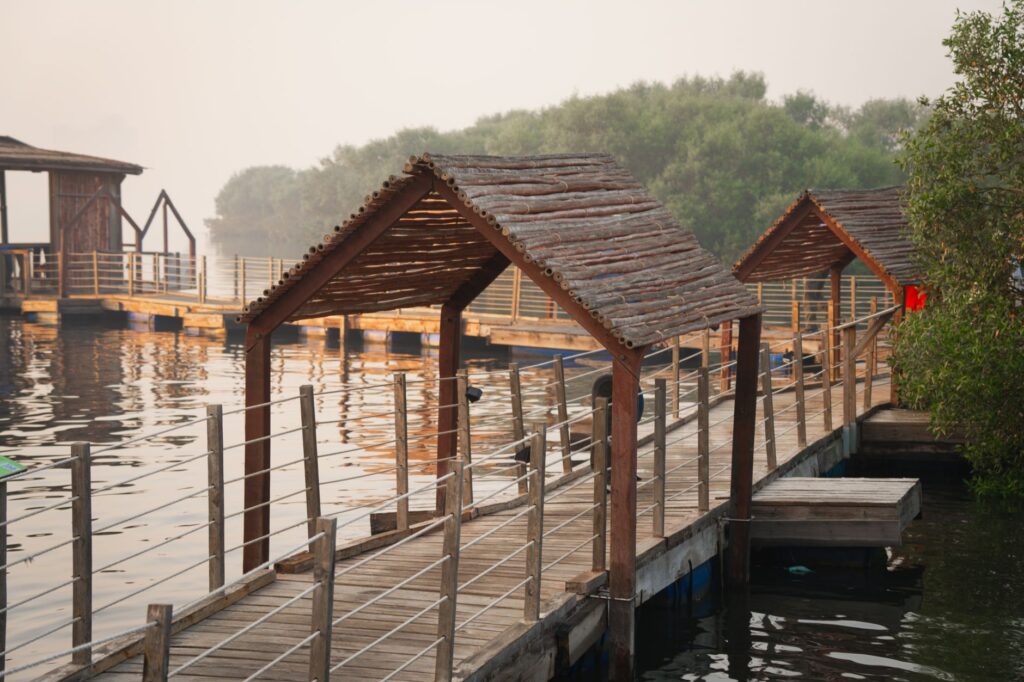
The guiding principle of this architecture is permeability. Elevated boardwalks prevent soil compaction and allow small fauna to roam freely, while buildings adapt to the pre-existing topography of cenotes and limestone outcroppings. True luxury in contemporary Caribbean architecture is not imported marble, but the ability to hear the whisper of the mangrove from your room. This construction philosophy proves that international comfort can be delivered without disrupting natural biological corridors.
Water as the Thread: Cenotes and Subterranean Rivers
Beneath the surface of the Yucatán Peninsula lies the world’s longest subterranean river system, a labyrinthine network of flooded caves connecting the jungle to the Caribbean Sea. This aquifer is not only a speleological wonder, but the sole source of freshwater for the entire region. Its management represents the ultimate ecological challenge for the tourism industry.
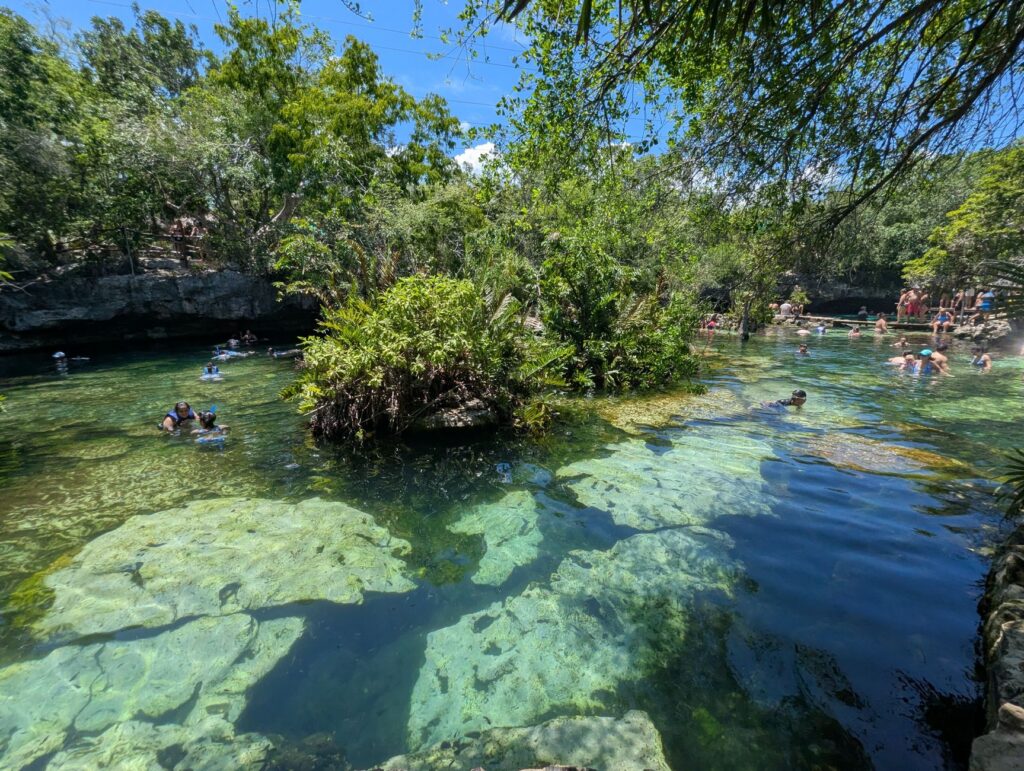
In recent years, operating standards for any attraction or resort in the zone have tightened significantly. The use of biodegradable sunscreens is no longer an optional suggestion, but a strictly monitored regulatory requirement to prevent the chemical buildup that destroys delicate coral communities and microbial flora within the cenotes. Tour operators incorporating these water bodies into their itineraries must demonstrate rigorous water quality monitoring protocols.
Water Management in the Face of Climate Change
Pressure on the Riviera Maya aquifer increases annually due to demographic growth and tourism seasonality. Hydrology experts from the Scientific Research Center of Yucatán note that cenote recharge strictly depends on preserving surface forest cover. If the jungle disappears, water rapidly runs off into the sea without filtering, eroding the soil and salinizing freshwater tables.
Water conservation in the Riviera Maya is not a technical plumbing problem, but a territorial survival issue that directly involves traveler responsibility.
For this reason, initiatives promoting off-season visits help distribute water consumption more evenly throughout the year, avoiding extreme consumption spikes that overwhelm local treatment plants during summer and year-end holidays.
Living Heritage: Beyond Commercial Folklore
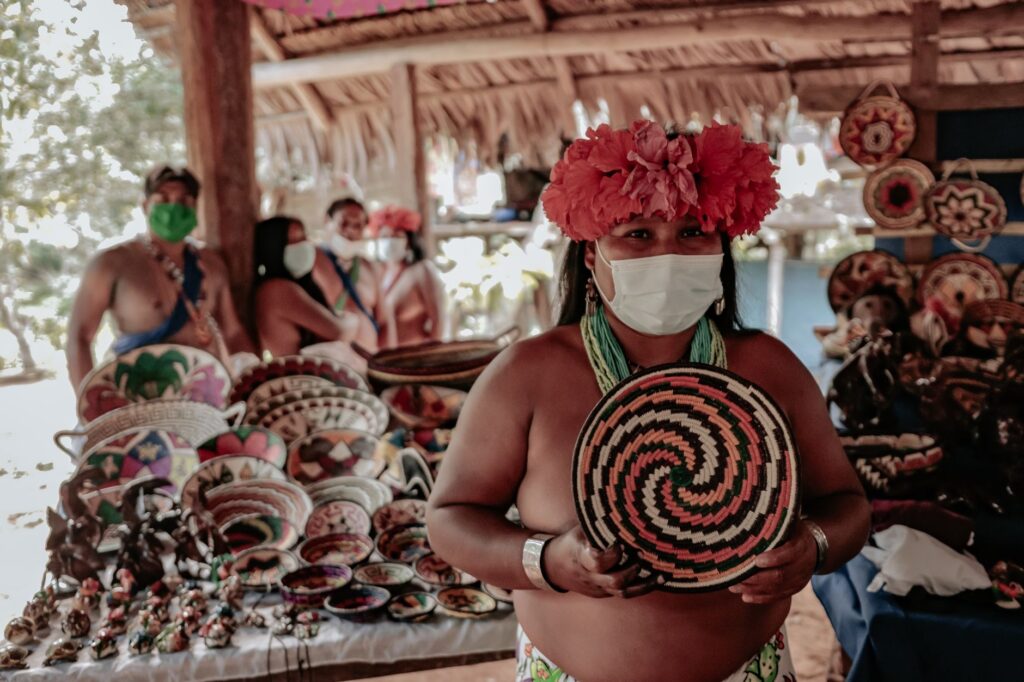
The cultural narrative of the Riviera Maya has historically leaned toward the archaeological monumentalism of sites like Tulum, Chichén Itzá, or Coba. However, contemporary anthropology insists that the territory’s true wealth resides in the living Maya communities inhabiting the interior of Quintana Roo, who maintain a daily relationship with the jungle.
Community-based tourism programs launched over the past decade seek to shift the focus of cultural exchange from theatrical performance to direct interaction. Travelers participating in these initiatives are not mere spectators, but co-investigators of traditional knowledge regarding Melipona beekeeping, herbal medicine, and forest milpa agriculture.
Language Resistance and Food Sovereignty
Despite centuries of assimilationist pressure, the Yucatec Maya language remains the mother tongue of hundreds of thousands of people across the peninsula. The most advanced sustainable tourism projects collaborate closely with elder councils to ensure historical narratives presented to visitors are rigorous, free of colonial stereotypes, and respectful of indigenous cosmologies.
Local gastronomy, far from the internationalized menus of large resorts, emerges as an act of cultural resistance and food sovereignty. Ingredients such as recado negro (black spice paste), chaya, habanero peppers, and native corn varieties tell a story of millennial adaptation to the region’s challenging karst terrain.
Seasonal Economics and the Myth of the Low Season
The meteorological phenomenon of Atlantic hurricanes and rainfall has traditionally conditioned the Caribbean tourism calendar, creating an abrupt division between peak occupancy months and periods of deep economic contraction. However, travel trend analysis for autumn 2026 reveals a gradual shift in global consumer behavior.
Economic incentives and discounted rate campaigns act as catalysts for a demographic segment preferring to avoid crowds while seeking a milder climatic experience. For the local economy, this translates to greater job stability. Tour guides, chefs, artisans, and marine biologists maintain year-round employment contracts, reducing staff turnover and improving overall service quality.
Direct Impact on Host Communities
An aspect frequently overlooked in travel reviews is the actual distribution of tourism income. When visitors responsibly utilize a seasonal discount, the difference lies in the intermediaries involved. Platforms and operators promoting autumn rates typically encourage direct contracting of local services, from cooperative transportation to craft workshops in rural communities.

Economic reports from the Riviera Maya Hotel Association emphasize that diversifying the tourism calendar reduces the region’s vulnerability to global climate and economic shocks, fostering a more resilient and equitable business model.
Practical guide
An informed visit to the Riviera Maya during the autumn season requires logistical preparation and environmental sensitivity. Below are essential recommendations based on official data and sustainable tourism criteria.
- When to travel: September offers maximum availability and reduced rates, though it coincides with the peak of the Atlantic tropical cyclone season. Purchasing travel insurance with specific coverage for weather contingencies is strongly advised.
- How to get there: Cancún International Airport (CUN) operates as the primary entry node. To travel toward the Riviera Maya, visitors are encouraged to use the regional rail system (Tren Maya) or official line buses rather than unnecessary private transfers.
- Accommodation and bookings: When utilizing discount codes or promotional rates, verify directly through official resort websites or certified agencies to avoid fraud and ensure savings apply to transparent rates.
- Recommended gear: Lightweight linen or long-sleeved cotton clothing, closed-toe footwear suitable for jungle trekking, botanical insect repellent, and strictly mineral, biodegradable sunscreen.
- Rules in cenotes and reserves: Conventional body lotions and sunscreens are prohibited before entering the water. Respect trail signage and maintain a safe distance from wildlife, particularly coatis and spider monkeys.
Epilogue: Travel as an Act of Conscience
The journey through the jungle and coastline of Quintana Roo leaves an inescapable certainty: the tourism of the future can no longer be measured solely by visitor volume, but by the depth of the ethical footprint left on the territory. When travelers cross the jungle threshold on a humid autumn afternoon, enveloped in Caribbean twilight and aware of the delicate balance sustaining life beneath their feet, they realize that every purchasing decision is ultimately a vote for or against the survival of this fragile tropical sanctuary. The beauty of the Riviera Maya lies not in advertising artifice, but in its silent, tenacious, and imperative natural resistance.