
The relationship between two seemingly distant geographies finds in aesthetics and heritage a common language capable of transcending mere transpacific distance. Recently, official delegations from Guanajuato have intensified their presence in Japan with a clear mission: positioning their cultural wealth and industrial design capacity not as a distant exoticism, but as a sophisticated value proposition for the Asian traveler and investor. This rapprochement goes far beyond the traditional tourism fair; it is a meticulous dialogue between the pink quarry stone, silversmithing, and Mexican textiles with the minimalist precision and contemporary design philosophy of Japan.
This cultural bridge redefines how Mexico’s Bajío region projects itself abroad. By connecting mining and viceregal memory with the cultural tourism circuits of Tokyo and Kyoto, Guanajuato appeals to a segment of travelers seeking historical authenticity, artisanal excellence, and a solid territorial narrative. The strategy does not seek mass tourism, but complicity with an audience that values the provenance of objects, monumental architecture, and immersive aesthetic experiences.
The Geography of Silver and Silence: Secret Affinities
At first glance, the rugged topography of Guanajuato capital —with its labyrinthine alleys and tunnels winding underground— contrasts with the geometric horizontality of Zen temples or the urban grid of Asian metropolises. However, there is an underground affinity linked to the relationship with materials. Just as Japan has elevated wood and Washi paper to the category of high architectural philosophy, Guanajuato has done the same with quarry stone, majolica ceramics, and silver. Respect for raw materials and the persistence of family workshops function as a cross-cultural mirror.
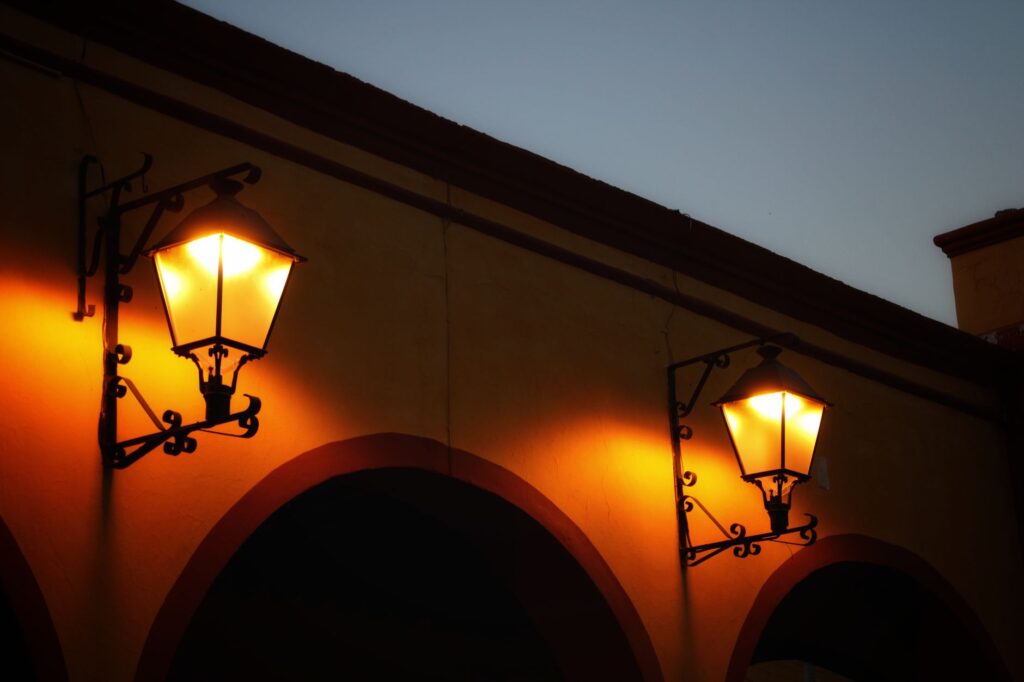
Historically, the earliest contacts between New Spain and Japan date back to the early 17th century with Hasekura Tsunenaga’s embassy. Today, that historical memory is updated through economic and tourist flows where contemporary design acts as a catalyst. Guanajuato’s institutions have understood that the contemporary Japanese traveler does not seek mere folkloric postcards, but rather an understanding of artistic creation processes. Visits to pottery workshops in Dolores Hidalgo or observing silversmiths in San Miguel de Allende engage in a direct conversation with the Japanese veneration for artisanal craft.
Architecture of the Territory: From the Viceregal Alley to the Liminal Space
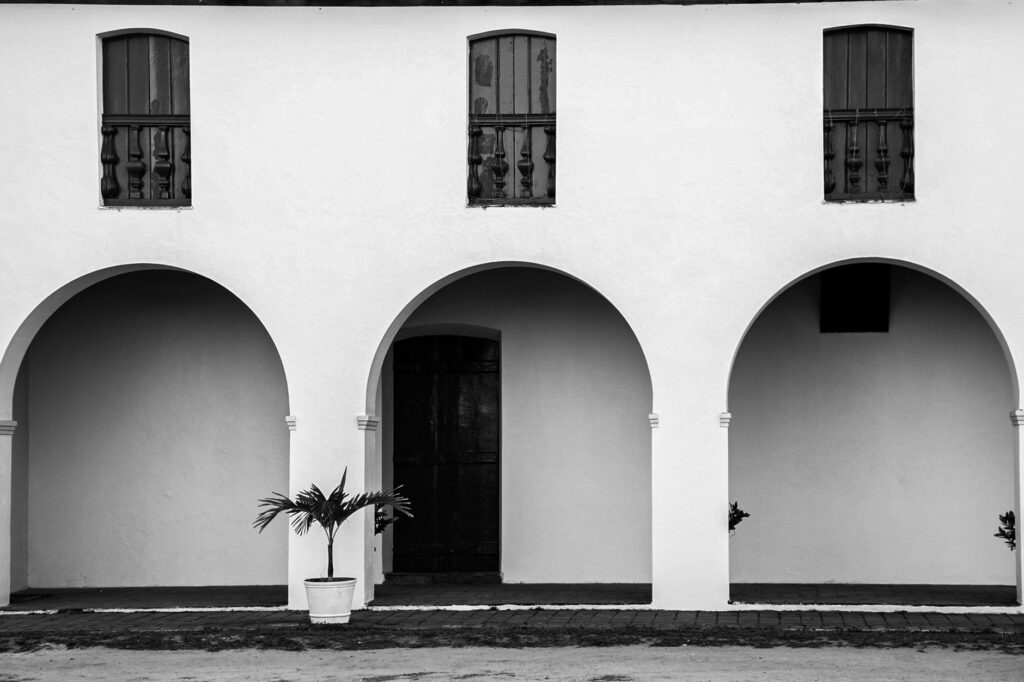
The territory of Guanajuato unfolds as an architectural palimpsest. The grand metal-processing haciendas, now converted into boutique hotels or site museums, share with traditional Japanese architecture a vocation for integration with the natural environment. While the Japanese dry garden seeks the abstraction of landscape, Guanajuato’s urban canyon uses verticality and volcanic stone to create an atmosphere of refuge and constant wonder.
This spatial dialogue is reflected in the new tourist routes designed for the international market. It is no longer about rushing through points of interest, but about inhabiting liminal spaces: interior patios with stone quarry fountains, viewpoints cutting across mountainous horizons, and alleys where light and shadow play in the same way as behind paper shoji screens. Design intervention in these historic spaces demands absolute respect for the patina of time—a shared value among Mexican restorers and master carpenters in Kyoto.
Living Materiality: Craftsmanship, Ceramics, and Industrial Design
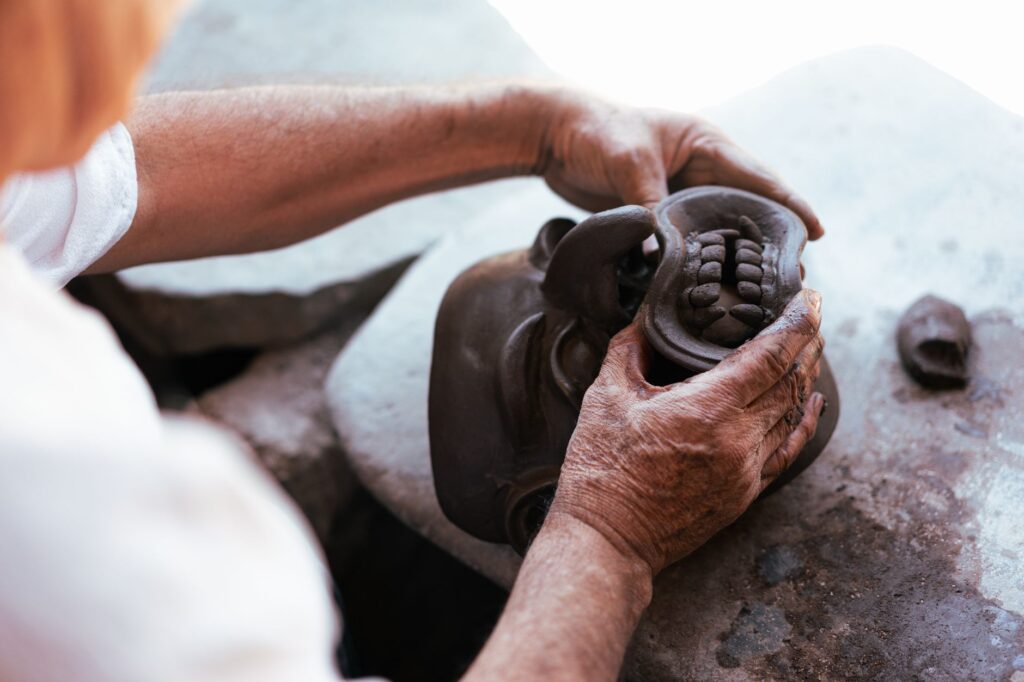
The heart of Guanajuato’s cultural proposal in Japan lies in its objects. The ceramics of Santa Rosa de Lima and the polychrome pottery of Dolores Hidalgo possess a material honesty that resonates deeply with Japanese sensibilities, educated in the concept of wabi-sabi, the beauty of imperfection and transience. The utilitarian and ceremonial pieces produced in the Mexican state demonstrate a technical persistence that defies global industrial homogenization.
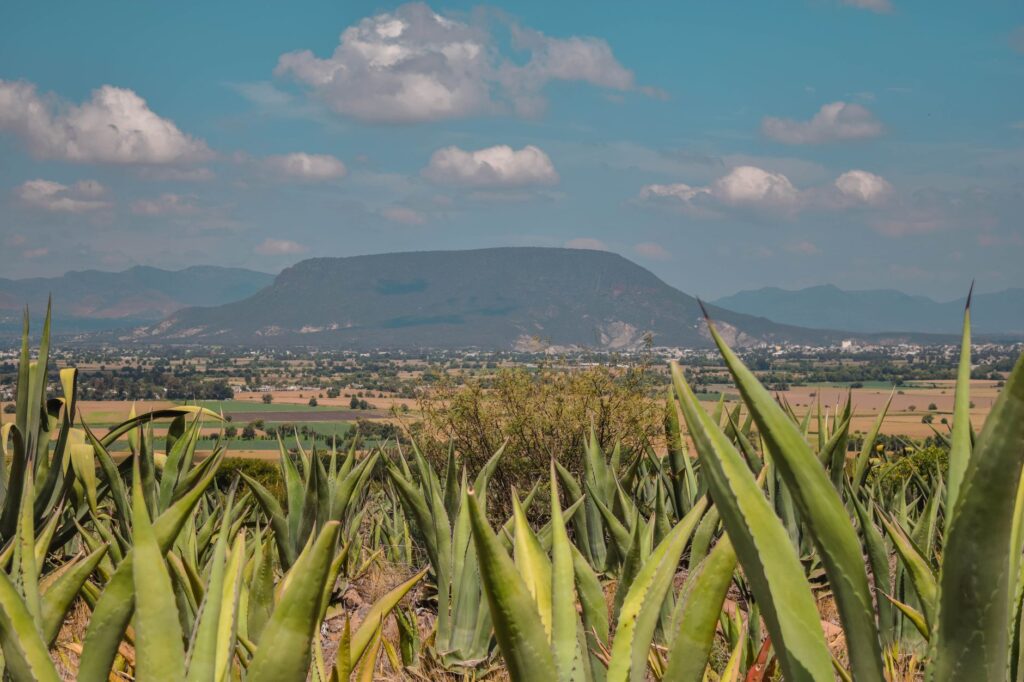
Craftsmanship is not a fossil of the past, but a living language permanently negotiating its place in the contemporary world through design and memory.
In recent years, industrial designers from Guanajuato have collaborated with traditional artisans to reinterpret classic forms under minimalist canons. This synthesis has allowed everyday objects —from textiles to mesquite wood furniture— to find a niche of appreciation in galleries and design shops in Tokyo’s Daikanyama district. Shopping tourism in Guanajuato thus acquires a curatorial dimension, where each acquisition is backed by a history of technical lineage and formal experimentation.
Gastronomy and Ritual: Flavors of the Deep Earth
The act of eating in Guanajuato possesses a ritual theatricality that finds parallels in Japanese kaiseki cuisine. Far from the stridency of international fast food, traditional Guanajuato cuisine —inheritor of Chichimeca, Purépecha, and viceregal traditions— is based on the alchemy of essential ingredients: native corn, regional chilis, cactus, and fruits from the semi-arid region. Dishes like miner’s enchiladas or Celaya caramel are the result of slow and patient cooking processes.
For visitors from Japan, the culinary experience in Guanajuato is an exercise in recognizing seasonality and respect for produce. Traditional cooks act as guardians of an intangible heritage that values both flavor and the geographical origin of every seed. Pairings with local wines produced in the state’s valleys —an emerging, internationally awarded wine industry— complete a sensory offer that competes in sophistication with the world’s best wine regions.
The External Gaze: How Guanajuato’s Heritage is Projected
The international projection of a cultural destination demands institutional rigor and aesthetic sensitivity. Guanajuato’s diplomatic and commercial missions in Japan have focused on presenting temporary exhibitions, gastronomic showcases, and design symposia that avoid the clichés of sombreros and loud mariachis. Instead, they opt for a contemporary narrative highlighting creativity, safety, high-end hotel infrastructure, and the state’s logistical connectivity.
This strategic positioning attracts a profile of traveler with greater purchasing power and longer stays. Japanese tourists visiting Guanajuato typically combine their itinerary with neighboring heritage cities, seeking slow tourism experiences. Specialized agencies in Japan have begun including viceregal architecture routes and Mexican design workshops in their catalogs, validating the institutional promotion efforts carried out over recent years in Tokyo and Osaka.
Practical guide
How to get there: The most efficient entry route from Japan is flying to Mexico City International Airport (MEX) and connecting via a domestic flight or ground transport to Guanajuato International Airport (BJX) or directly to the heritage cities.
Best time to visit: The months from October to April offer a temperate and dry climate, ideal for walking through historic streets and attending world-renowned cultural festivals.
Recommended accommodations: Prioritize boutique hotels set in former viceregal mansions in Guanajuato capital and San Miguel de Allende, where historic architecture merges with contemporary design.
Design and craft experiences: Schedule guided tours in advance to ceramic workshops in Dolores Hidalgo and independent silversmith studios in San Miguel de Allende.
Urban mobility: In historic cities, travel should be done on foot or via official taxis; avoid private vehicles due to the complexity of the urban layout.
Shared Silences: The Traveler Before the Mirror of Stone
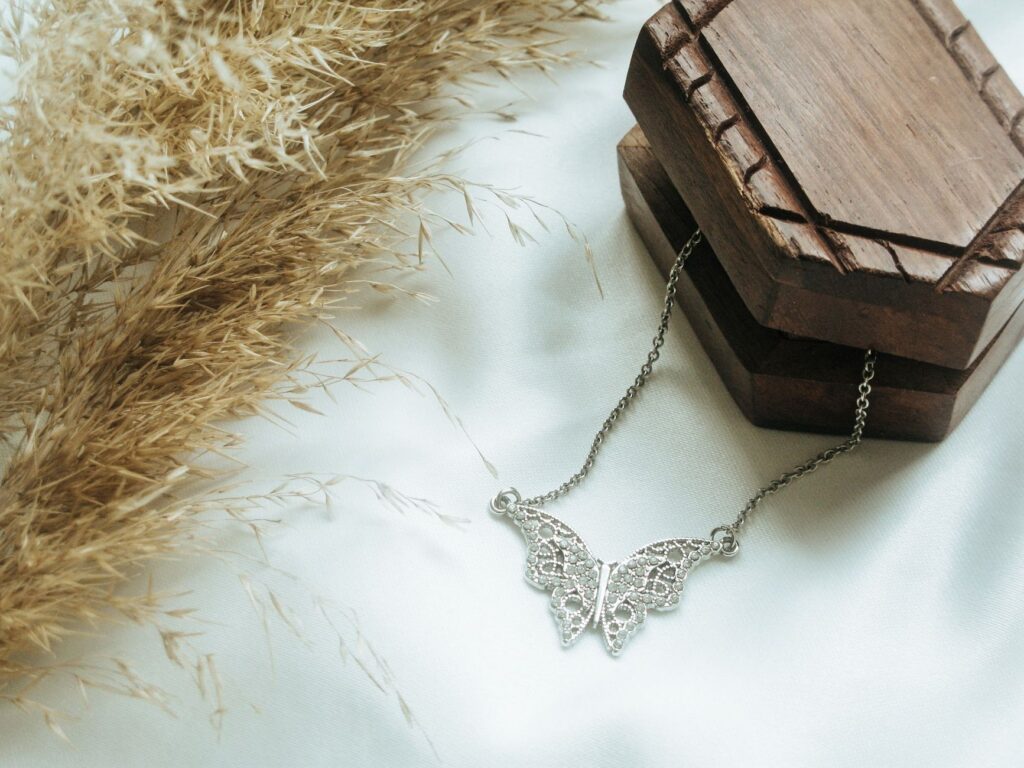
At the end of the journey, the traveler crossing the world from the Asian archipelago to the highlands of Guanajuato discovers that geographical distance is merely a mirage. At the bottom of a handcrafted ceramic cup, in the respectful gloom of a colonial temple, or in the sober glow of hand-wrought silver, the same human urgency beats: the need to leave a lasting mark upon matter. Guanajuato does not offer itself to the visitor as an ephemeral spectacle, but as a territory of reflection where time, stone, and design continue to write their shared history.
Traveling to the heart of Guanajuato is accepting an appointment with the material memory of America, reinterpreted through the timeless elegance of silence.
The consolidation of ties between Guanajuato and Japan demonstrates that contemporary cultural tourism relies on mutual respect and aesthetic admiration. Far from cold hotel occupancy figures, the true success of this international mission lies in creating lasting understanding, where the beauty of a Guanajuato alley and the serenity of a Japanese garden are recognized as parts of the same universal cartography.
Source in EN: Government of the State of Guanajuato – Ministry of Tourism (boletines.guanajuato.gob.mx).