
The Persistence of Pulp in the Mill Stream
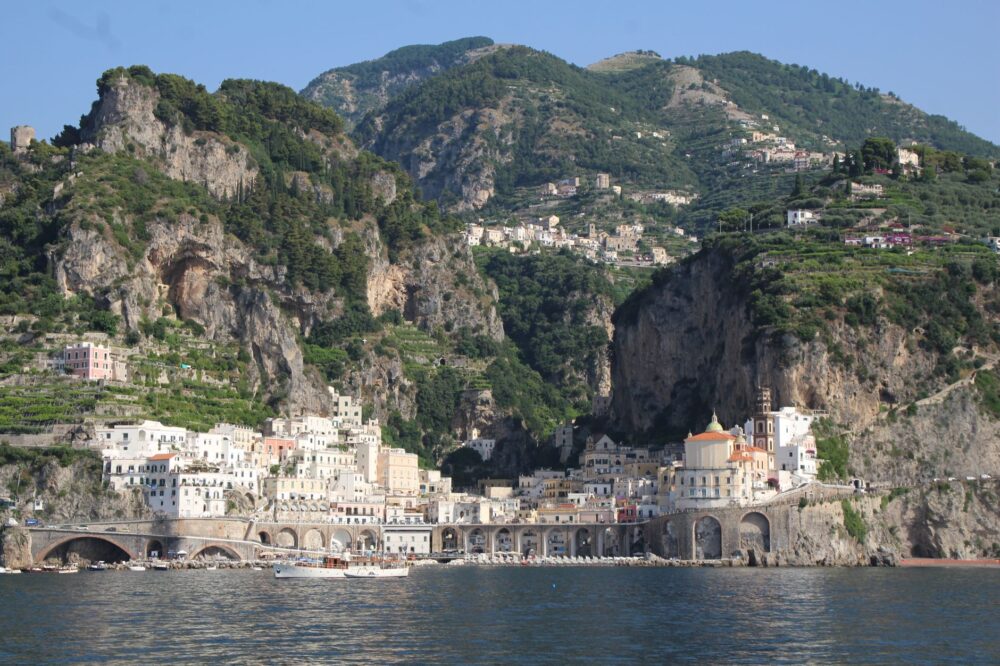
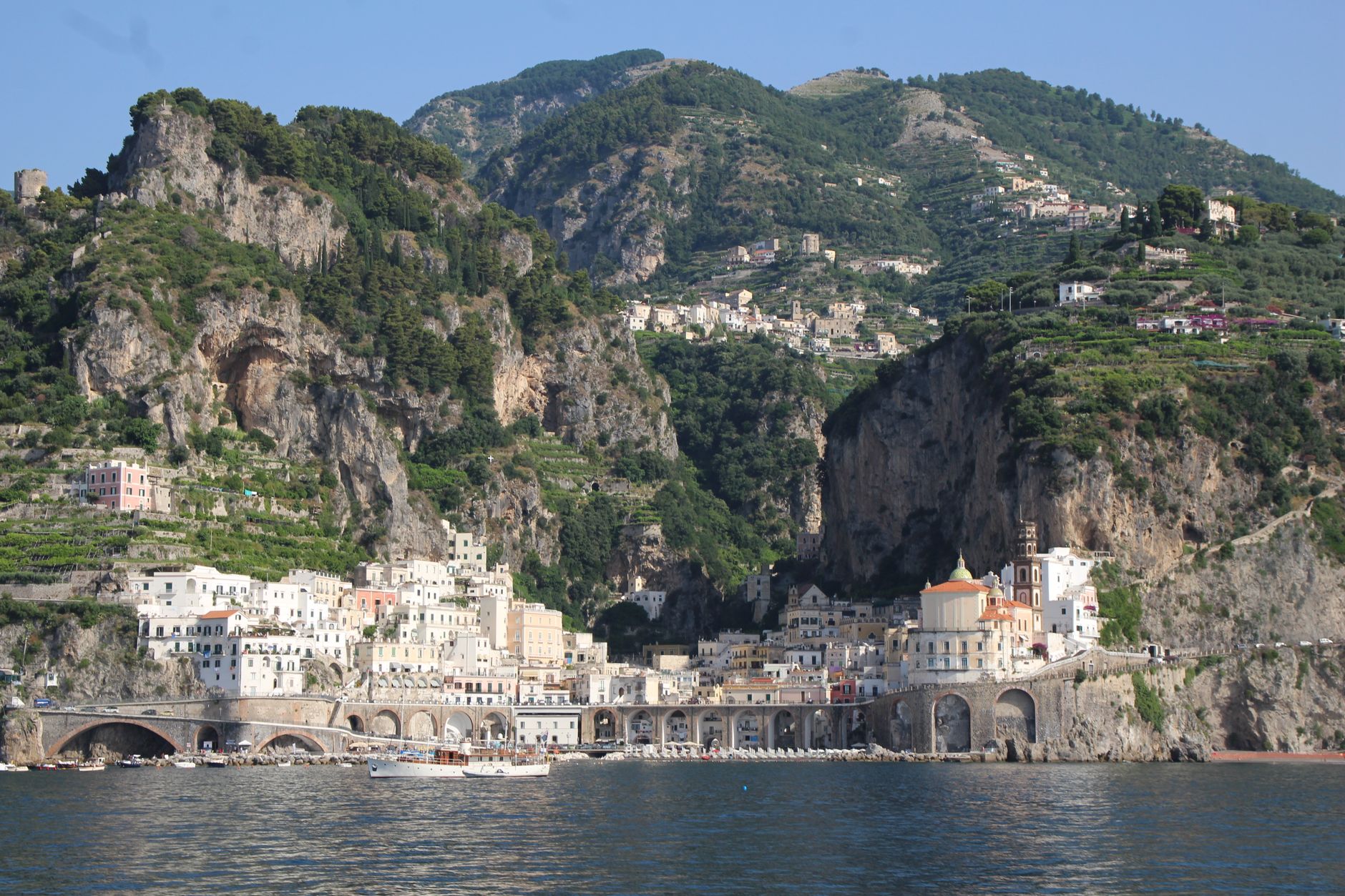
amid the vertical limestone cliffs of the Amalfi Coast, where the murmur of the Tyrrhenian Sea blends with the freshwater rushing down through the deep mill valleys, one of the most fascinating and fragile crafts of the Mediterranean survives: manual papermaking. Far from the mass resort circuit and the postcard-perfect lemon terraces, the Valle dei Mulini canyon preserves the architectural vestiges of an early industrial revolution powered entirely by hydraulic energy. Here, amid dark stone walls and barrel vaults, time is not measured in seconds, but in the rhythmic cadence of the wooden mallet beating cotton and linen rags into a homogenous slurry.
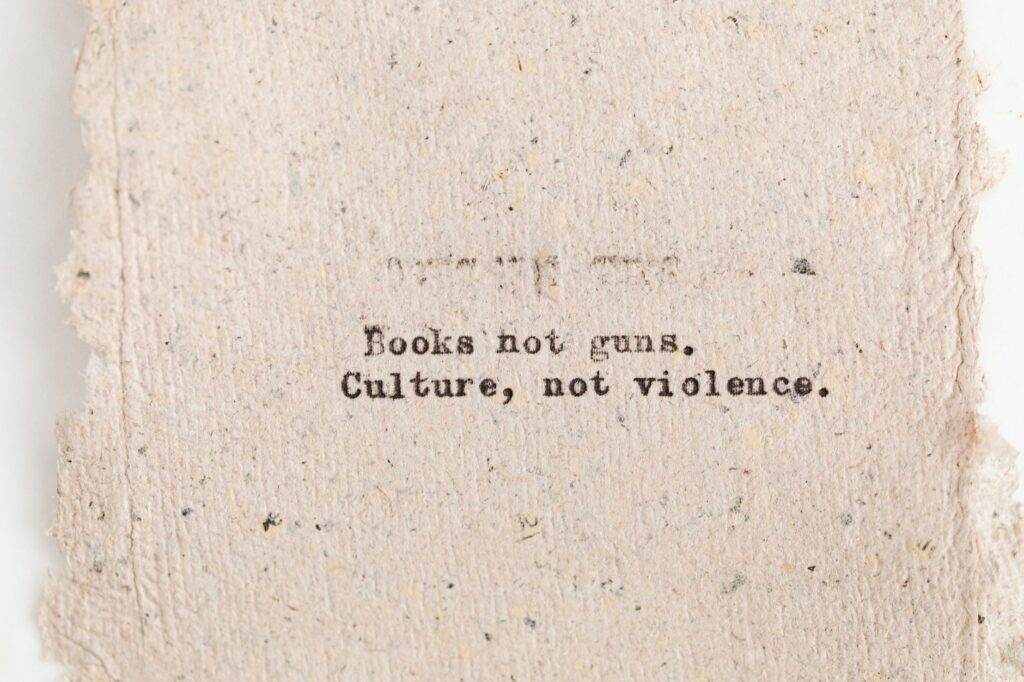
The history of bambagina, the celebrated Amalfi handmade paper, dates back to the early Middle Ages, when trade routes with the Levant introduced techniques to southern Italy that the Islamic world had inherited from China. Unlike contemporary wood-pulp paper, which is acidic and ephemeral, Amalfi paper is composed exclusively of pure textile fibers. This composition grants the support exceptional durability, an unmistakable tactile texture, and a resistance to time that captivated papal notaries, Renaissance artists, and men of letters for centuries. Today, the few workshops operating in the traditional manner stand as bulwarks against cultural homogenization, defending a process where the physics of water and human intuition remain irreplaceable.
The Hidden Geography of the Mill Valley
To understand the genesis of this material, one must delve into the unique topography of the Amalfi territory. Water is not merely a scenic resource; it is the historical engine and technical soul of papermaking. The Canneto and Dragone streams plunge steeply from the limestone peaks of the Lattari Mountains, channeled over the centuries through an intricate system of aqueducts, sluice gates, and settling basins. This hydraulic infrastructure drove the heavy paddle wheels that powered the iron mallets responsible for defibrating the raw material inside stone vats.
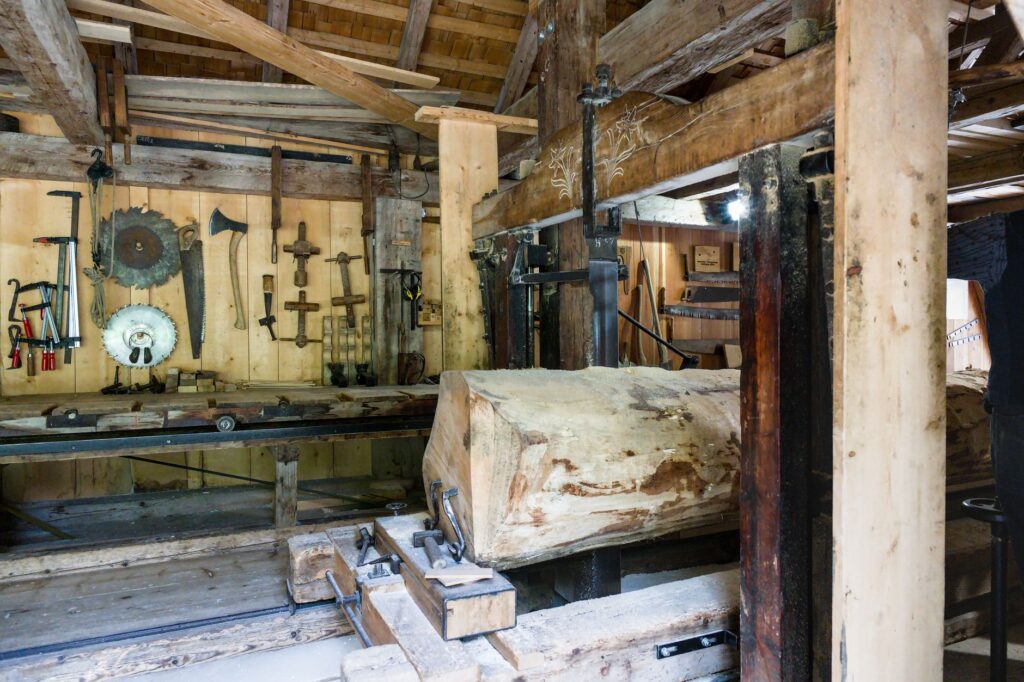
Inside these industrial buildings, now converted into sanctuaries of memory, the air retains a constant humidity and a dense aroma of damp cellulose and lime. Contemporary master papermakers continue to work with the same operational dignity as their ancestors, while adapting to modern sustainability standards. Each day begins with the rigorous selection of bales of white cotton and linen. The fibers are washed and mechanically shredded in traditional Hollander beaters, a process that avoids the excessive use of chlorine and aggressive chemical bleaches, thereby preserving the molecular integrity of the textile fiber and ensuring the characteristic warm ivory tone of the paper.
The Ritual of the Vat: Skill and Geometry in Suspension
The physical heart of any papermaking workshop is the mixing vat, a large-volume vessel where the pulp is diluted in water at precisely controlled temperatures and concentrations. Standing before it is the most experienced artisan, the vatman, who holds the mold: a noblewood frame fitted with a fine metallic mesh of brass and bronze wires. With a fluid, almost choreographic movement, the operator dips the mold into the vat, extracts it horizontally, and executes a precise, simultaneous double-shake in a cross pattern, traditionally known as the wiggle.
This deceptively simple maneuver is actually the result of decades of neuromuscular training. The objective is to interweave the textile fibers in aqueous suspension uniformly before the water drains through the mesh, determining the weight and bidirectional strength of the sheet. Deposited on the mold is a fine, damp layer of pulp—the newborn sheet—which the master immediately transfers onto a woolen felt blanket using a dry, decisive maneuver known as couching. The accumulation of this sandwich of paper and felt forms the post, a stack of hundreds of sheets ready to undergo the immense pressure of the hydraulic or screw press.
Handmade paper is not a passive support for writing or drawing; it is a living organism that breathes, absorbs light, and retains the physical memory of the hands that transformed it.
The Metamorphosis of Drying and Sizing
Once pressed to expel excess water—drastically reducing moisture content to a compact yet damp felt state—the sheets are separated one by one in a delicate process requiring immense dexterity to avoid tearing. Unlike modern industrial production lines utilizing high-temperature heated cylinders, Amalfi paper is hung for natural drying in the upper lofts of the ancient mills, spaces fitted with louvered windows oriented to capture cooling, dry air currents sweeping down from sea and mountain.
This slow, passive drying prevents internal stresses within the fibers, avoiding warping and ensuring optimal dimensional stability. However, the process does not conclude with drying. Because the sheets consist of purely vegetable fibers without synthetic additives, the resulting paper is highly porous and absorbs ink like blotting paper. To render it suitable for calligraphy and water-based painting techniques, it must undergo sizing. Traditionally, the sheets are briefly immersed in a warm solution of animal gelatin derived from collagen, an ingredient that seals microscopic pores without compromising flexibility or the organic feel of the paper, imparting that crisp, noble touch prized by bibliophiles.
Contemporary Design and New Expressive Frontiers
Far from being relegated to a mere tourist attraction or luxury wedding stationery, Amalfi paper is currently experiencing a profound renaissance through collaboration between master artisans, graphic designers, bookbinders, and contemporary visual artists. In recent years, design studios in Milan, Rome, and Paris have integrated bambagina into bespoke publishing projects, high-end packaging, and large-format printmaking, revaluing its rustic deckle edges and personalized watermarks.
This symbiosis between tradition and innovation has driven experimentation with new local raw materials. Some workshops are incorporating agricultural waste fibers from the region, such as San Marzano tomato stalks, grapevine shoots from terraced vineyards, and lemon tree leaf residue following seasonal pruning, producing supports with subtle chromatic nuances and unprecedented tactile textures. These limited series demonstrate that the papermaking craft is not a static museum relic, but a creative discipline in constant evolution that dialogues directly with the principles of sustainable design and circular economy.
Practical Guide
Planning a rigorous visit to the papermaking workshops of Amalfi requires understanding the pacing and sensitivity of an active artisanal workspace. The following technical and logistical guidelines ensure a respectful and rewarding experience.
Getting Around and Internal Mobility
The primary access to the Amalfi Coast is via the winding SS163 coastal highway, though private vehicle use is discouraged due to extreme parking scarcity and summer congestion. The most efficient option is utilizing the SITA Sud bus network from Salerno or Sorrento railway stations, or opting for high-speed ferries operating between April and October connecting major gulf ports.
Location of Historic Workshops
The highest concentration of historic paper mills is situated in the Valle dei Mulini, a pedestrian path accessible on foot from Amalfi’s Piazza Duomo in roughly fifteen minutes of moderate uphill walking. Among the recommended spaces to visit with prior reservation are the Paper Museum (located in the former Milana Counts Mill) and independent family-run workshops maintaining uninterrupted production along the Canneto riverbed.
Best Time to Visit
The shoulder season months—April, May, September, and October—offer ideal weather conditions for exploring the valley trails without oppressive summer temperatures. Furthermore, during these periods workshops operate at a more relaxed working pace, facilitating unhurried conversations with master artisans and attendance at live sheet-forming demonstrations in the vat.
Visitor Etiquette and Heritage Respect
The workshops are, first and foremost, active production centers where delicate materials and historic machinery are handled. Visitors must maintain strict safety distances from crushing vats and presses, refrain from using flash photography in drying areas to prevent degrading exposed paper, and always book guided tours through official channels of each institution or workshop.
The Silence After the Hydraulic Hammer
When dusk falls over the Valle dei Mulini canyon and the steady rhythm of the mechanical mallets ceases, the water reclaims its natural course among rocks covered in moss and ancient ferns. In that moment of acoustic truce, the stone of the ancient mills seems to exhale the accumulated memory of centuries of collective labor, a tenacious effort to transform the untamed force of alpine nature into the most delicate support of human civilization. Amalfi paper survives not as a museum fossil, but as tangible proof that material beauty, when grounded in rigorous knowledge and respect for natural rhythms, possesses a force capable of defying the relentless wear of modern time.