
The joint ambition of Ibiza and Calvià to secure the title of 2027 European Capital of Smart Tourism marks a turning point for the Balearic Islands. For decades, these destinations have been synonymous with the Mediterranean’s magnetic pull, yet they now face the urgent task of redefining success. The candidacy is not merely a pursuit of prestige; it is a strategic roadmap designed to align the islands’ tourism industry with the European Green Deal and the digital age.
By entering this competition, organized by the European Commission, Ibiza and Calvià are committing to a rigorous standard of excellence across four pillars: sustainability, accessibility, digitalization, and cultural heritage. This move reflects a growing consensus among local authorities and stakeholders that the traditional ‘sun and beach’ model must evolve into a ‘smart’ ecosystem that respects the limits of the territory and the needs of its residents.
Beyond the Horizon: The 2027 European Ambition
The journey toward the 2027 title requires a profound structural overhaul. The Balearic Islands are no longer content with being passive recipients of global travel trends; they aim to be the architects of a new, more resilient tourism paradigm. This involves decoupling economic growth from resource depletion, a challenge that is particularly acute in island environments where water and land are finite.
Calvià has taken bold steps in urban regeneration, moving away from the high-density, low-cost models of the past toward a more balanced and sophisticated offering. Meanwhile, Ibiza is leveraging its global brand to champion environmental causes, proving that luxury and sustainability are not mutually exclusive. Both municipalities are working in tandem to demonstrate that a collaborative approach can yield better results for the entire archipelago.
«The European Capital of Smart Tourism is more than an award; it is a commitment to a future where travel enriches both the visitor and the host community without compromising the environment.»
The success of the candidacy will hinge on the implementation of tangible projects. These include the restoration of natural habitats, the improvement of public transport networks, and the integration of smart technologies to manage visitor flows. The goal is to create a seamless, high-quality experience that rewards conscious travel and fosters a deeper connection with the local culture.
Calvià’s Strategic Urban Renewal
In Calvià, the focus has shifted toward reclaiming the public space. The municipality has invested heavily in transforming its coastal areas into pedestrian-friendly zones that encourage slow travel and local interaction. By upgrading infrastructure and promoting high-quality hotel renovations, Calvià is successfully attracting a more diverse demographic of travelers, including families, sports enthusiasts, and culture seekers.
This renewal is also about social sustainability. The local government is working to ensure that the benefits of tourism are felt across all sectors of society. This includes supporting local businesses, improving working conditions for tourism employees, and investing in community facilities. The aim is to create a destination where residents feel proud of their home and travelers feel like welcomed guests rather than intrusive outsiders.
Furthermore, Calvià is positioning itself as a hub for sports tourism. By hosting international events and developing world-class facilities for cycling, tennis, and sailing, the municipality is effectively extending its season. This strategy reduces the pressure on resources during the peak summer months and provides a more stable economic base for the local population throughout the year.
Ibiza’s Balance Between Nature and Global Appeal
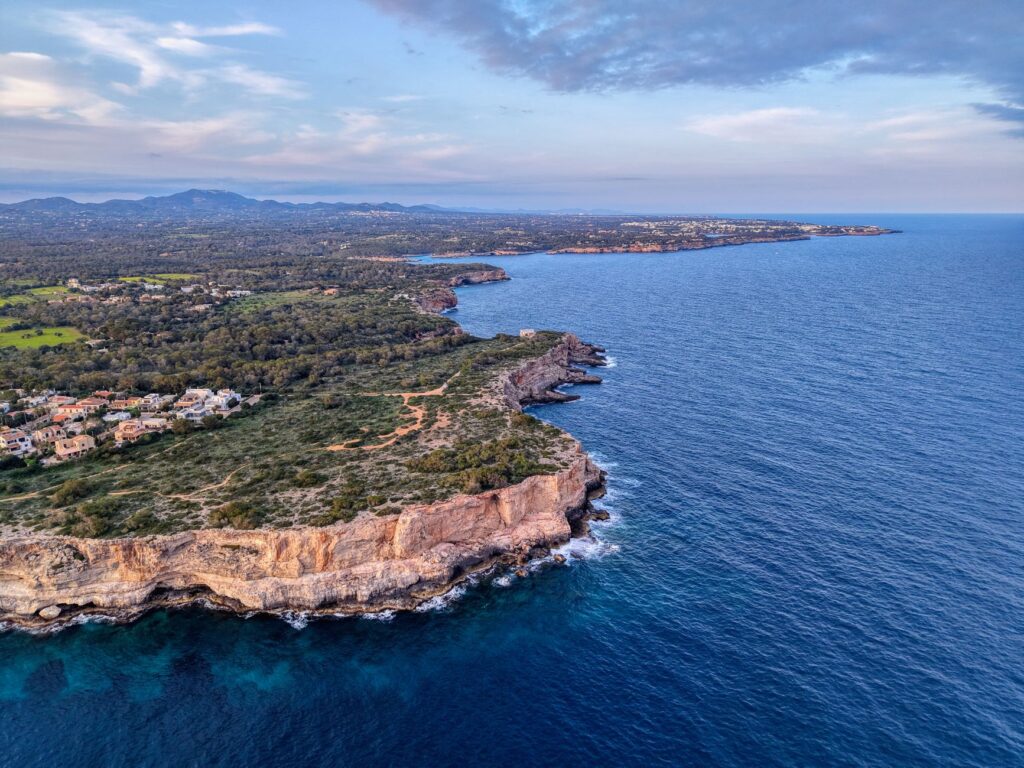
Ibiza’s candidacy is deeply rooted in the protection of its natural assets. The Posidonia oceanica meadows, which act as the lungs of the Mediterranean, are the centerpiece of the island’s environmental strategy. Protecting these seagrasses is vital for maintaining the water quality and biodiversity that make Ibiza a world-class destination. The island has introduced strict regulations for boat anchoring and is using satellite technology to monitor the health of its marine ecosystems.
On land, Ibiza is promoting its rural heritage as a sustainable alternative to the coastal hotspots. The ‘Agroturismo’ sector is thriving, offering visitors a chance to experience the island’s authentic traditions, from organic farming to ancient crafts. This shift toward the interior helps to distribute the environmental and social impact of tourism more evenly across the island, preserving the unique character of its villages.
Digitalization is also playing a key role in Ibiza’s transformation. The island is developing smart apps that provide real-time information on beach occupancy, water quality, and public transport. These tools empower travelers to make more sustainable choices and help authorities manage the island’s carrying capacity more effectively, ensuring a high-quality experience for everyone.
Decoding the European Capital of Smart Tourism
To win the 2027 title, a city must excel in innovation. In terms of accessibility, this means going beyond the basics. Ibiza and Calvià are working to ensure that their entire tourism value chain—from transport and accommodation to cultural sites and beaches—is accessible to people with disabilities. This inclusive approach is a core value of the European Union and a key metric for the award.
Digitalization is another critical factor. A ‘smart’ destination uses data to improve the lives of its citizens and the experiences of its visitors. Ibiza and Calvià are investing in open data platforms that allow for better urban planning and more efficient resource management. This includes smart lighting, intelligent waste management systems, and high-speed connectivity that supports the growing number of remote workers choosing the islands as their temporary home.

«Innovation in tourism is not just about the latest gadgets; it is about using technology to solve real-world problems like water scarcity and social inequality.»
The pillars of sustainability and cultural heritage are the soul of the Balearic bid. The islands are committed to preserving their unique identity in an increasingly homogenized world. By protecting their historic sites and promoting local gastronomy and arts, Ibiza and Calvià are creating a sustainable competitive advantage that resonates with the modern, conscious traveler.
Sustainability as a Structural Necessity
For Ibiza and Calvià, sustainability is not a choice but a necessity for survival. The islands are at the forefront of the fight against climate change in the Mediterranean. Their joint candidacy highlights projects such as the elimination of single-use plastics, the promotion of circular economy practices in hotels, and the transition to renewable energy sources. These efforts are essential for meeting the EU’s ambitious climate targets.
Water management is another top priority. Both municipalities are implementing advanced desalination and water recycling systems to ensure a sustainable supply for both residents and tourists. By educating visitors on the importance of water conservation, the islands are fostering a culture of responsibility that extends beyond the duration of their stay. This holistic approach to environmental management is a key differentiator in their bid for the 2027 title.
The protection of biodiversity is also central to their strategy. From the salt pans of Ses Salines to the mountainous terrain of the Serra de Tramuntana (near Calvià), the islands are working to restore degraded ecosystems and protect endangered species. These natural areas are not just tourist attractions; they are vital components of the islands’ ecological health and resilience.
The Human Element: Community-Centric Tourism
A successful tourism model must be built on the well-being of the local community. Ibiza and Calvià are refocusing their efforts on social sustainability, ensuring that tourism serves the people who live there. This involves creating high-quality jobs, providing affordable housing for workers, and protecting the local way of life from the pressures of over-tourism.
Engagement with the local population is a key part of the candidacy process. Authorities are holding public consultations and workshops to ensure that the vision for 2027 reflects the aspirations of the residents. By involving the community in the planning and management of tourism, the islands are building a more inclusive and resilient model that can withstand future challenges.
The promotion of local culture and traditions is also a way to empower the community. By giving artisans, farmers, and cultural performers a platform to share their work with visitors, the islands are preserving their intangible heritage and creating new economic opportunities. This human-centric approach is what truly sets a smart destination apart from a traditional one.
Digital Innovation and the Modern Traveler
The modern traveler expects a seamless, digital-first experience. Ibiza and Calvià are responding to this demand by developing a sophisticated digital infrastructure. This includes the rollout of 5G networks, the creation of immersive AR/VR experiences at cultural sites, and the use of AI-driven chatbots to provide 24/7 assistance to visitors.
However, digitalization is also about back-end efficiency. By using sensors to monitor traffic patterns and waste levels, the municipalities can optimize their operations and reduce their environmental footprint. This data-driven approach allows for more informed decision-making and helps to ensure that the islands remain competitive in the global tourism market.

The ‘Smart Destination’ certification is a rigorous process that requires ongoing commitment. Ibiza and Calvià are not just looking for a one-time award; they are building a long-term digital strategy that will continue to evolve as technology advances. This forward-thinking mindset is essential for maintaining their position as leaders in European tourism.
Practical guide
- Getting there: Ibiza and Palma airports are well-connected to major European hubs. For a more sustainable journey, consider using the frequent ferry services from mainland Spain (Valencia, Barcelona, or Denia).
- When to visit: The shoulder seasons (spring and autumn) are ideal for experiencing the islands’ natural beauty and cultural offerings without the summer crowds. The weather remains mild, perfect for outdoor activities.
- Sustainable Travel Tips: Always carry a reusable water bottle, use reef-safe sunscreen, and respect local regulations regarding waste and marine protection. Choose local products and services to support the island’s economy.
- Smart Tools: Download the official ‘Ibiza Smart Island’ and ‘Calvià Tourism’ apps for real-time updates on transport, beach capacity, and local events.
- Accessibility: Both destinations offer comprehensive guides for travelers with disabilities, including information on accessible beaches, transport, and cultural sites.
A Legacy in the Making for the Balearic Islands
The candidacy of Ibiza and Calvià for the 2027 European Capital of Smart Tourism is a bold statement of hope. It represents a collective effort to transform the challenges of today into the opportunities of tomorrow. By focusing on sustainability, accessibility, and innovation, these islands are not just aiming for a title; they are building a legacy that will benefit generations to come.
As the Mediterranean faces unprecedented environmental and social pressures, the leadership shown by Ibiza and Calvià is more important than ever. Their journey toward 2027 serves as an inspiration for other destinations worldwide, proving that with vision, collaboration, and a commitment to excellence, it is possible to create a tourism model that is truly smart, sustainable, and human-centered.
Source: Ibiza and Calvià, candidates for European Capital of Tourism 2027 – Forbes España