
The Definitive Map of Austral Excellence
On the map of contemporary tourism, few geographies manage to reconcile virgin immensity with heritage management capable of convincing the planet’s most demanding juries. The World Travel Awards, historically regarded as the Oscars of the travel industry, have once again focused their lens on the southern tip of the American continent. Chile—a long, narrow strip of land where the Andes mountain range maintains a constant dialogue with the Pacific Ocean—secured key accolades in both its regional and global editions, highlighting five destinations that operate as beacons of biodiversity, extreme adventure, and cultural preservation.
This recognition does not stem from mass marketing strategies, but rather from the consolidation of models where the territory dictates its own rules. From the crystal-clear skies of the Atacama Desert to the labyrinths of Patagonian fjords and the insular mysteries of Rapa Nui, each of these five winning enclaves offers a compelling answer to the question of how to travel in a hyperconnected world without losing the capacity for wonder. Through this report, we will examine the geographic, human, and logistical foundations sustaining these triumphs, unravelling the real value behind the international trophies.
Atacama: The Mineral Sanctuary Beneath the Clearest Dome on Earth
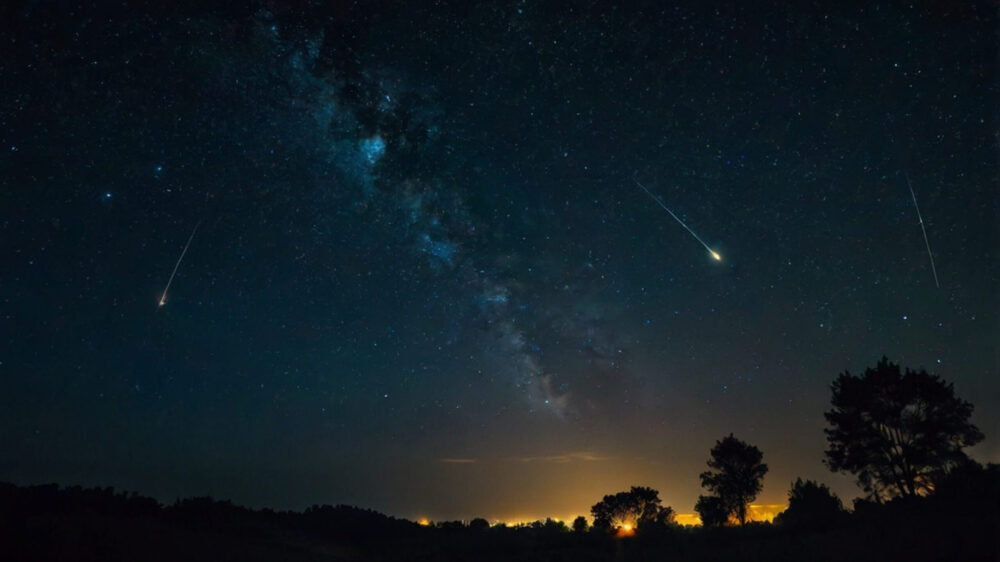
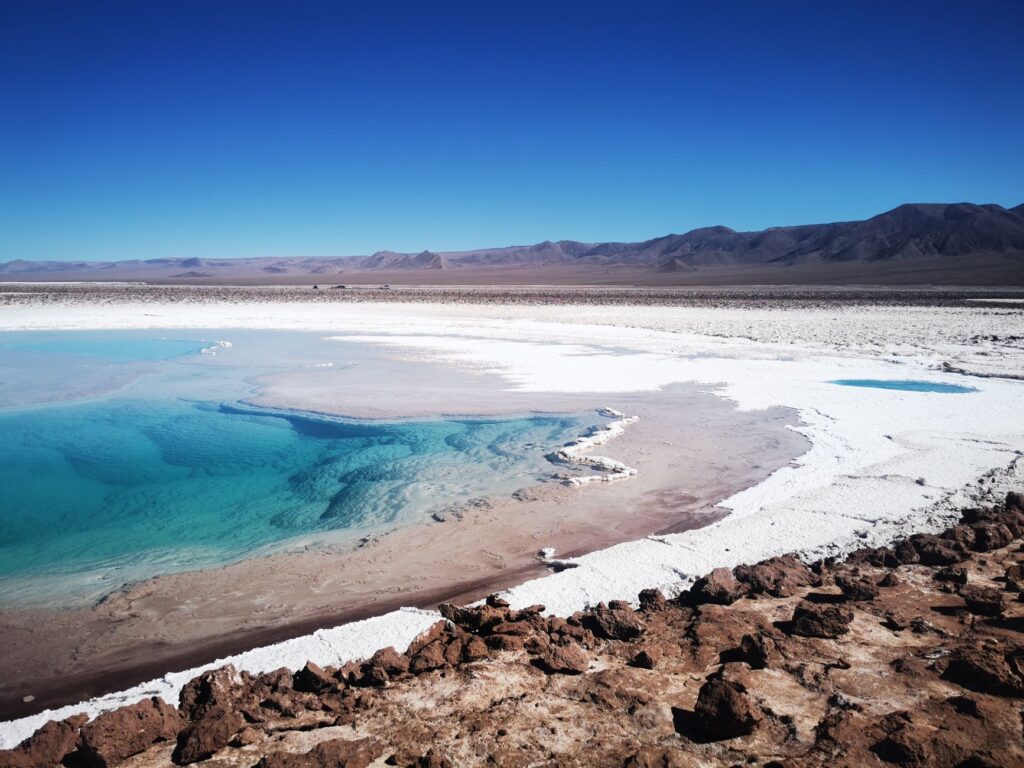
Northern Chile begins with a masterclass in scale and silence. San Pedro de Atacama and its vast salt flat are not merely photogenic destinations; they represent one of the most complex hyperarid ecosystems on the planet and the undisputed capital of global astronomical tourism. The combination of an average altitude exceeding 2,400 meters, absolute cloudlessness, and near-zero light pollution turns this desert into the ultimate natural observatory. Here, the tourism industry has had to evolve toward strict conservation frameworks to prevent visitor pressure from altering the delicate wetlands and microbial communities inhabiting the high-altitude lagoons.
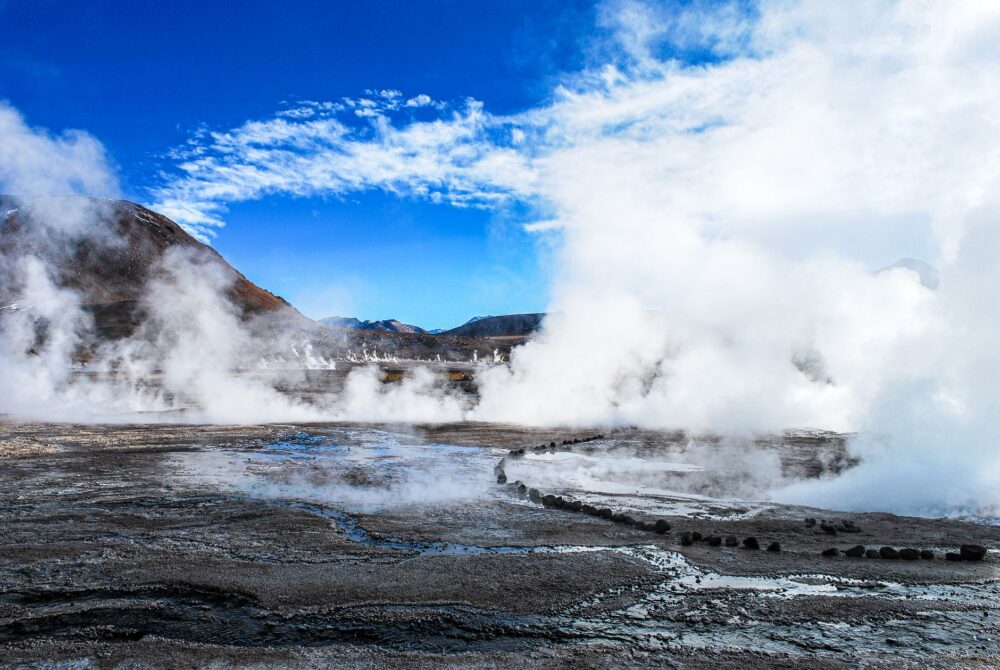
To understand Atacama’s sustained success in global awards, it is imperative to look toward the Likanantay or Atacameño communities, whose territorial governance has successfully balanced the influx of travelers with the protection of water resources. Dawn walks across the Moon Valley or pre-dawn ascents to the Tatio geysers are not mere postcard attractions; they demand acclimatization, respect for natural cycles, and a profound understanding of a landscape that feels extraterrestrial yet pulses with a millennia-old human history.
Santiago: The Andean Metropolis Reinventing the Urban Pulse
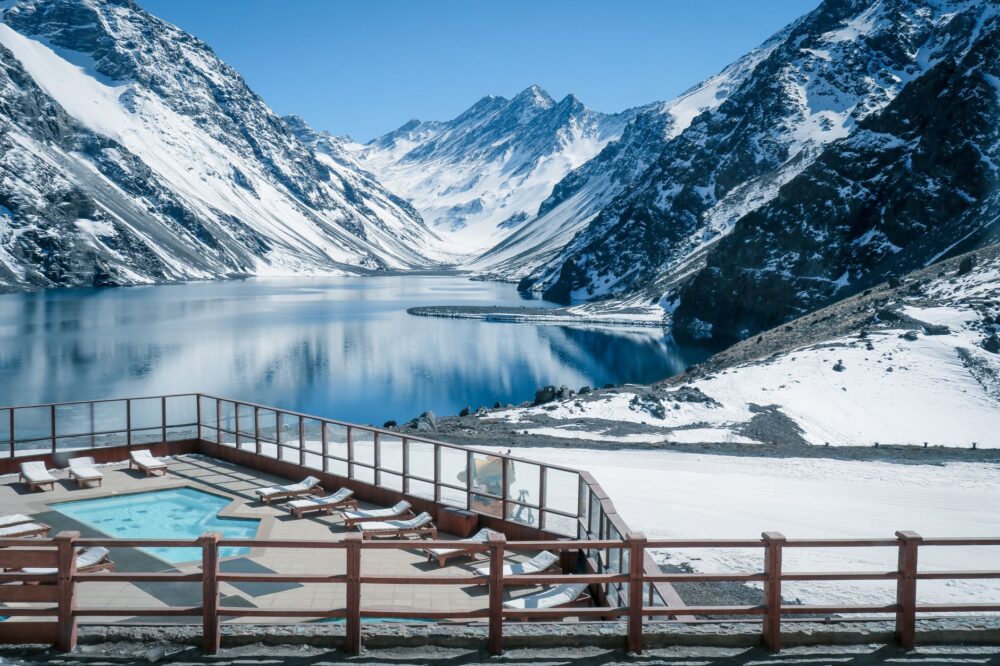
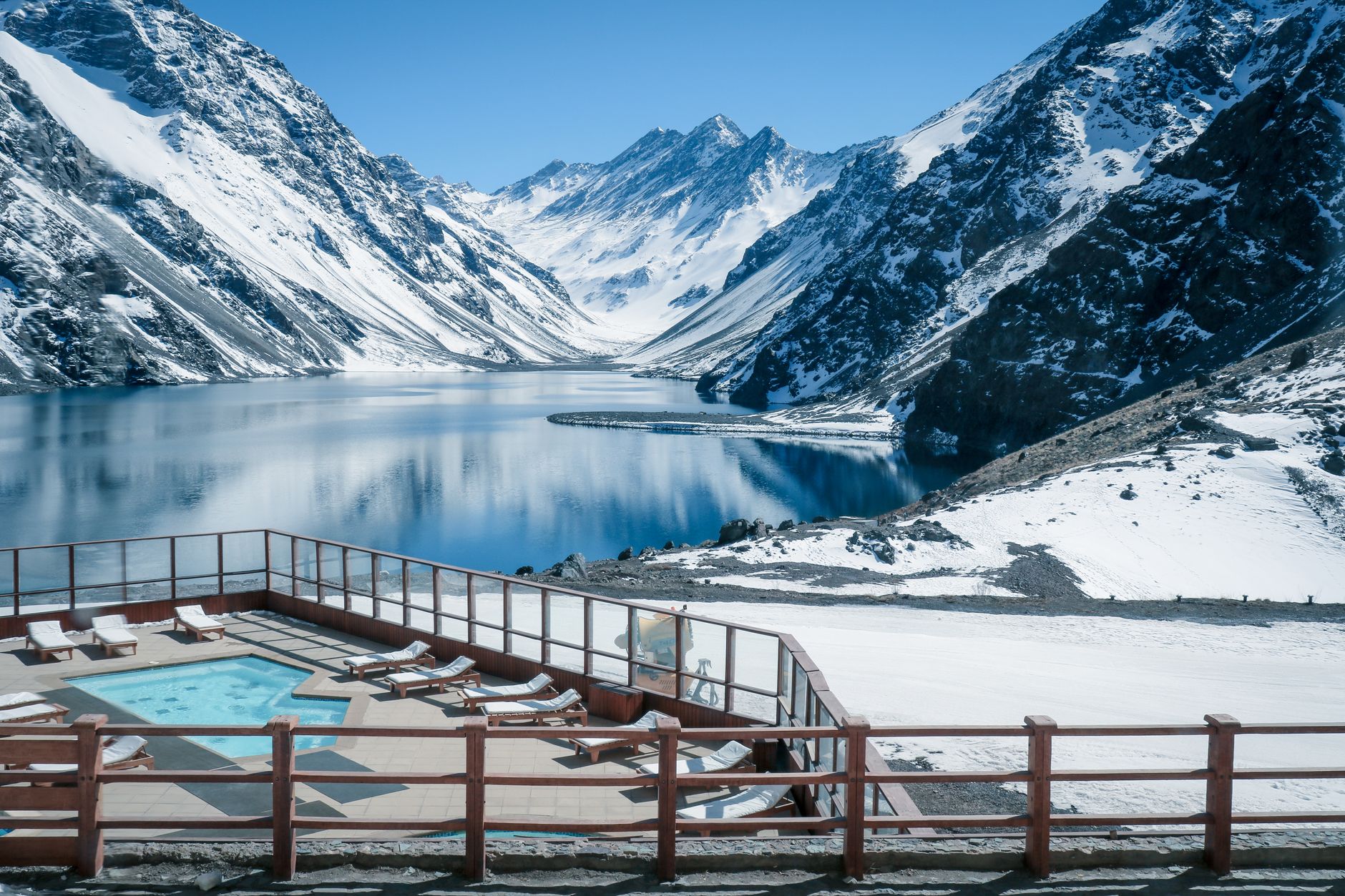
More than a thousand kilometers south of the desert, Santiago de Chile defies the stereotype of the traditional South American capital. Nestled in a valley flanked by snow-capped peaks that serve as a permanent backdrop, the city has positioned itself as the region’s premier destination for business tourism, urban getaways, and wine tourism. The key to this recognition lies in its ability to articulate a cosmopolitan offering—featuring bohemian neighborhoods like Bellavista and Italia, alongside cutting-edge financial districts like Sanhattan—with an almost insolent proximity to the wine valleys of Maipo, Casablanca, and Aconcagua.
The urban experience in Santiago is best lived today on foot and via bicycles, traversing an integrated urban park system and a culinary scene that has transcended traditional seafood concepts to embrace Andean pantry staples and ancestral Mapuche knowledge. International inspectors particularly value efficient connectivity, high-end hotel infrastructure, and relative safety that allows exploration of historic civic centers like the Plaza de Armas or municipal markets without the friction typical of the continent’s megacities.
Torres del Paine: The Sanctum Sanctorum of Grand Patagonian Adventure
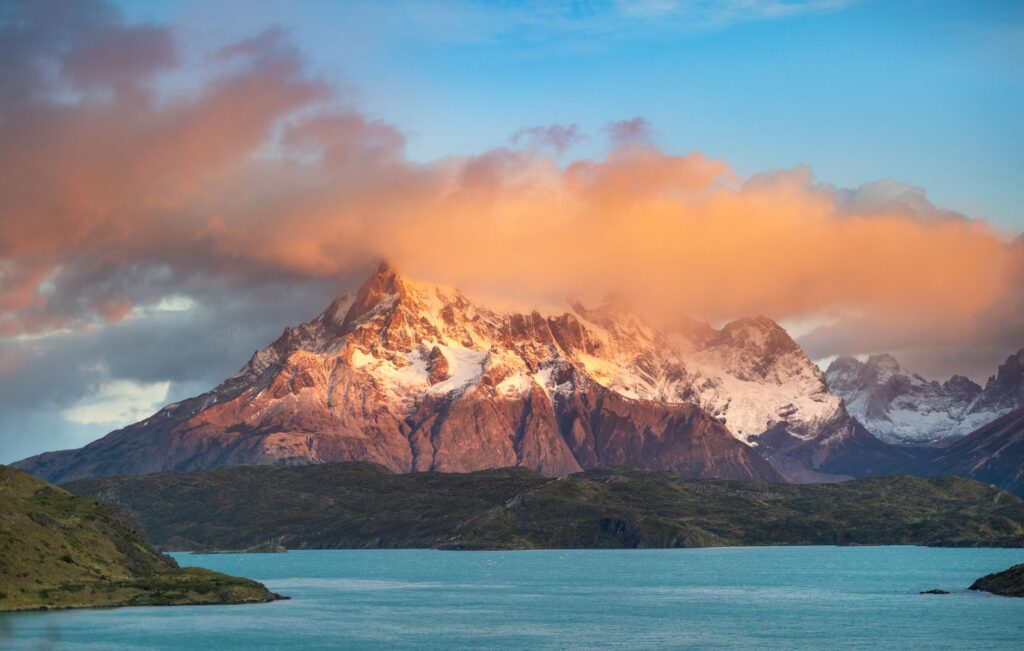
Few names evoke as much respect in the international traveler’s imagination as Torres del Paine. This national park in the Magallanes and Chilean Antarctica Region is the undisputed heart of deep Patagonia. Its towering granite spires, sculpted by glacial erosion and whipped by hurricane-force winds, dominate an ecosystem where guanacos, huemules, and pumas coexist in absolute freedom. The award earned by this natural sanctuary ratifies the success of its conservation policies and the rigor governing the Southern Hemisphere’s most famous trekking circuits, such as the legendary W or the Paine Massif Circuit.
The true measure of conservation in Torres del Paine is not found in the volume of visitors it attracts, but in the speed with which the ecosystem regenerates following strict public-use pauses and the relentless control of invasive fauna.
The contemporary challenge facing the park is immense: avoiding wear and tear from over-tourism without elitising access to one of the planet’s most democratic natural wonders. To achieve this, forest administration and local tourism operators have implemented mandatory booking platforms, strict daily visitor caps, and Leave No Trace regulations enforced with military precision. Sleeping in a tent amidst the steppe or staying in a self-sustaining mountain refuge requires acknowledging that nature here does not adapt to the traveler; rather, the traveler must submit to the fury and beauty of the southern climate.
Rapa Nui: Oceanic Isolation and the Resilience of the Moai
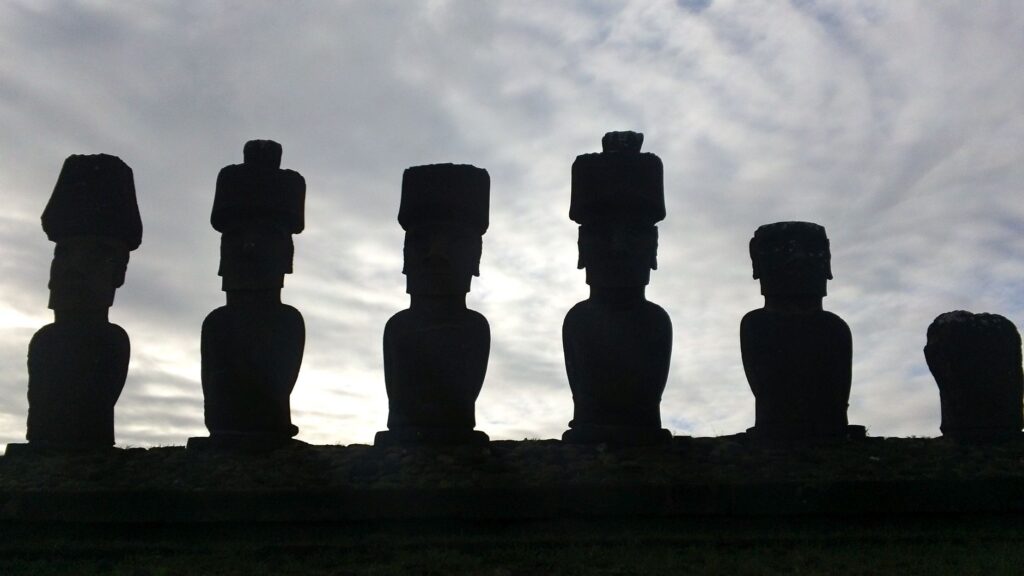
More than 3,500 kilometers off the South American coast, deep in Polynesia, Rapa Nui (Easter Island) represents one of the globe’s most fascinating anthropological and scenic enigmas. Its inclusion on the World Travel Awards podium underscores the specific weight of a destination that transcends the category of a tourist island to become a living museum of oceanic culture. The ceremonial stone platforms, known as ahu, and the monumental stone statues, the moai, standing as silent guardians facing the ocean, continue to exert a magnetic pull on archaeologists, historians, and intrepid travelers alike.
Rapa Nui’s accolade arrives at a critical juncture for its development model. Following years of mass tourism that threatened the territory’s water and cultural sustainability, the Maunga community, through local organizations, assumed direct control over visitor flows by mandating regulated stays and absolute respect for sacred sites. Exploring the quarry of the Rano Raraku volcano or watching the sunrise at Ahu Tongariki is an experience demanding silence, protocol respect, and the awareness of treading upon an extremely fragile and self-sufficient insular territory.
Valparaíso and the Southern Lakes: The Diversity of Intermediate Landscapes
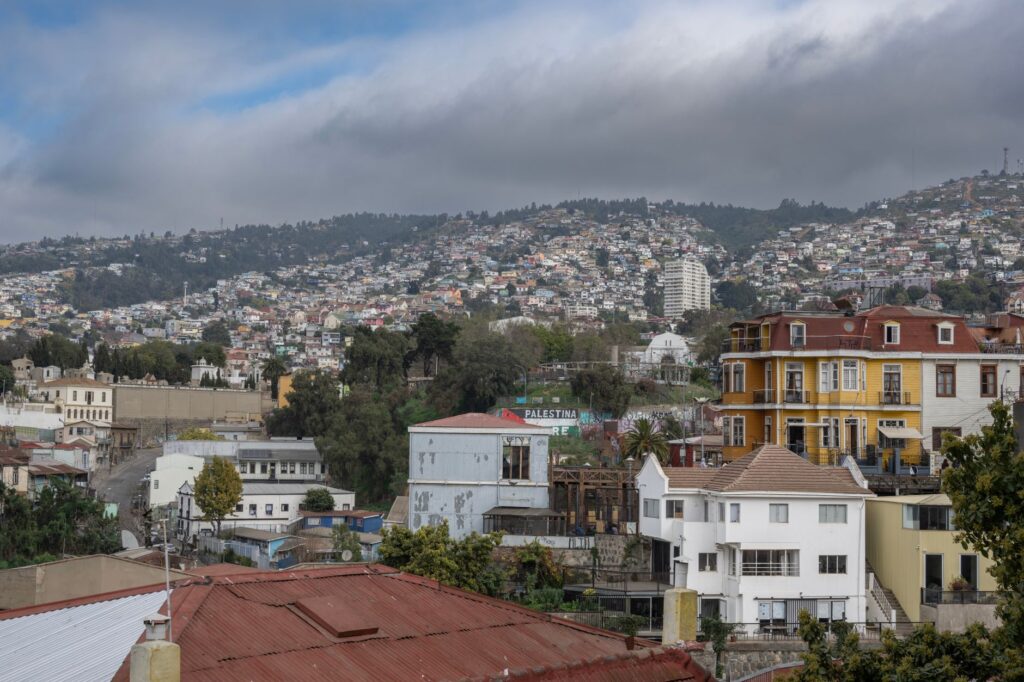
The fifth vertex of this Chilean tourism triumph unfolds between the colorful hills of Valparaíso and the lake and volcano region of the intermediate south. Valparaíso, with its amphitheater architecture facing the Pacific, its centennial funiculars, and its poetic tradition linked to Pablo Neruda, continues to captivate those seeking the authenticity of historic ports. Although it faces chronic urban maintenance and security challenges, its bohemian pulse and UNESCO World Heritage status remain intact thanks to the efforts of artists, cultural managers, and small local operators.
Meanwhile, the lake district—anchored by Puerto Varas, Frutillar, and the Vicente Pérez Rosales National Park—offers a seamless transition into Patagonia. Here, evergreen forests of ancient larch trees merge with the conical silhouette of the Osorno volcano and the mirror-like waters of Lake Llanquihue. This multiplicity of landscapes demonstrates that Chile’s strength as a destination does not rely on a single formula, but rather on its capacity to alternate the extreme aridity of the north, metropolitan vibrancy, insular mysticism, Patagonian fury, and lacustrine tranquility within a territory seamlessly connected by transport networks and specialized services.

Practical guide
- Best time to visit: November to March (southern spring and summer) for Patagonia and the Andes; September to May for the Atacama Desert and Rapa Nui.
- Air connectivity: Arturo Merino Benítez International Airport (SCL) in Santiago operates as the primary entry hub, offering direct connections to Calama (Atacama), Puerto Montt, Punta Arenas, and Easter Island.
- Entry requirements: Valid passport and, depending on nationality, proof of financial means or a return ticket. For Rapa Nui, completing the FUI form and holding confirmed, authorized lodging reservations is mandatory.
- Official currency: Chilean Peso (CLP). International credit and debit cards are widely accepted, though carrying cash is advisable for rural areas or indigenous communities.
There is a precise moment, as dusk falls upon the edges of the American continent, when sunlight shatters over millennial glacial ice or merges with the infinite horizon of the Pacific on Rapa Nui, when the traveler comprehends the true meaning of distance. It is not merely a matter of how many kilometers have been traversed from the point of origin, but the depth of the silence one is capable of inhabiting. The international awards granted to these five Chilean destinations are not shelf trophies; they are urgent reminders that the Earth still harbors corners where nature imposes its law and demands an attitude of reverent attention from humankind. In an era where tourism risks becoming a sterile repetition of identical postcards, Chile’s southern geography stands as an unyielding reminder that travel, in its noblest sense, remains an act of discovery, vulnerability, and profound respect for the unrepeatable.
Source in English: Televisión Nacional de Chile (TVN) – World Travel Awards: Chile’s five winning destinations at the Tourism Oscars.