
The Currents of an Untamed Archipelago
At the southern tip of South America, where the Andes mountain range finally plunges into the Pacific Ocean to shatter into thousands of islands and labyrinthine channels, human existence has depended since time immemorial on the relentless rhythm of the sea. The Chiloé archipelago is not merely an insular territory; it is a floating ecosystem where inshore navigation constitutes the only truly reliable bridge among communities defying geographic isolation. Here, geography is not contemplated from a distance, but inhabited with the reverent caution of those who know the overwhelming force of Patagonian tides, capable of moving cubic meters of water through narrow marine passes with the violence of an alpine torrent.
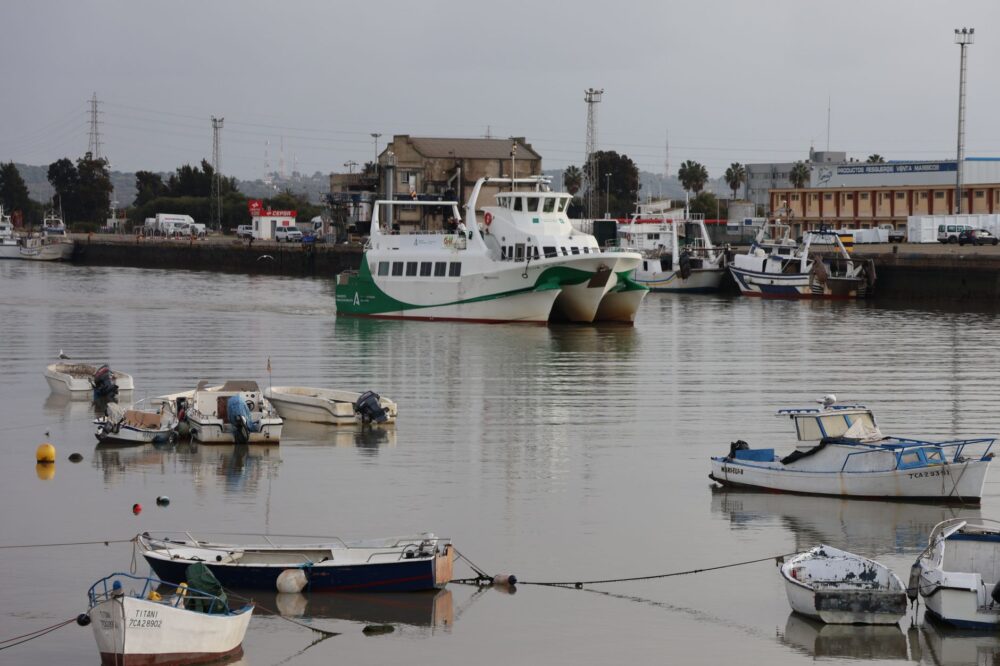
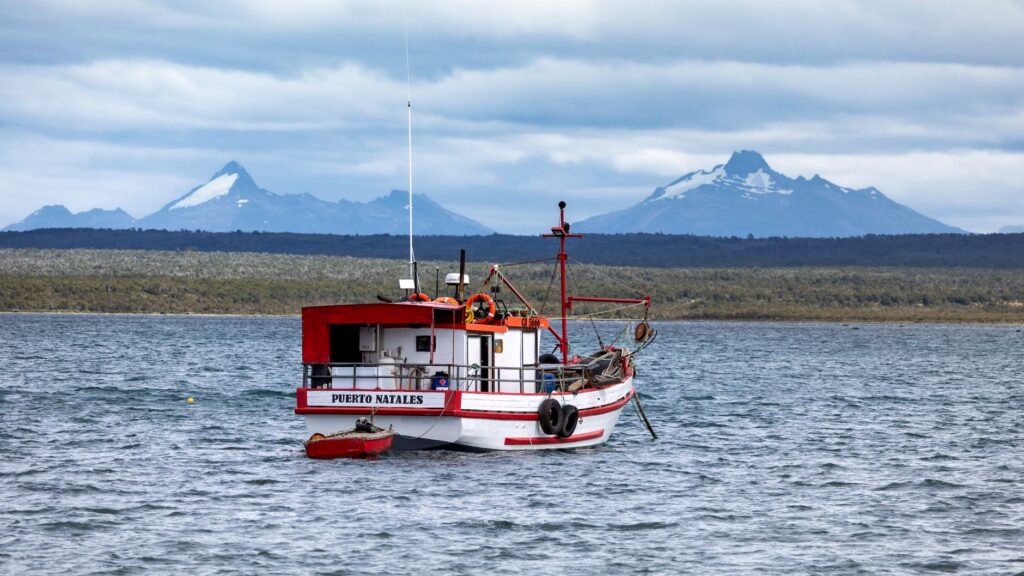
The history of this northernmost edge of Chilean Patagonia is written in the woodchips of its rib-carpenters and in the whistling of the wind over larch-shingle roofs. Far from conventional tourist circuits, the so-called Green Patagonia and its inner channels demand from the contemporary traveler a radical disposition toward slowness and methodical observation. There are no great asphalt highways here nor predictable timetables; the pulse of the territory is marked by traditional Chilote boats built from native timber, vessels constructed using ancestral techniques that have withstood the onslaught of southern storms for centuries. Understanding this landscape requires venturing into its channels aboard these handcrafted vessels, feeling the creak of cypress and coigüe wood beneath one’s feet.
Rib Carpentry and the Art of Assembling Without Nails
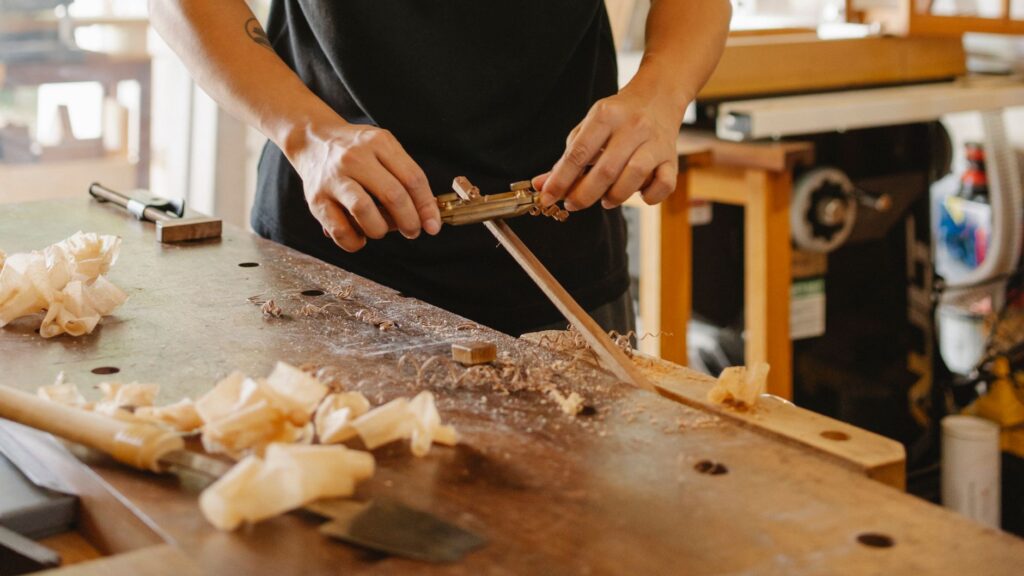
The most fascinating material heritage of Chiloé lies in its traditional naval architecture, a body of knowledge passed down through generations that defies modern engineering standards. In informal shipyards located along the estuaries, master carpenters continue to shape traditional Chilote boats using manual tools and an intuitive understanding of buoyancy and the resistance of native woods. Each structural piece is meticulously selected based on its grain, flexibility, and capacity to withstand the constant moisture of a temperate rainy climate where annual precipitation exceeds two thousand millimeters.
The construction process of these vessels is an almost alchemical ritual combining empirical geometry with a profound spiritual connection to the surrounding forests. Rib carpenters employ assembly techniques using wooden dowels and meticulous caulking with oakum and pitch, avoiding metal elements wherever possible that saline oxidation would deteriorate within a few years.
The wooden boat is not an inert object; it is a living organism that breathes with the swells and adapts to the demands of the channel.
This constructive philosophy extends equally to coastal hamlets, where dwellings and religious temples built of larch shingles display admirable structural resilience against western gales.
Amphibious Urbanism: Stilt Houses and Life Upon the Water
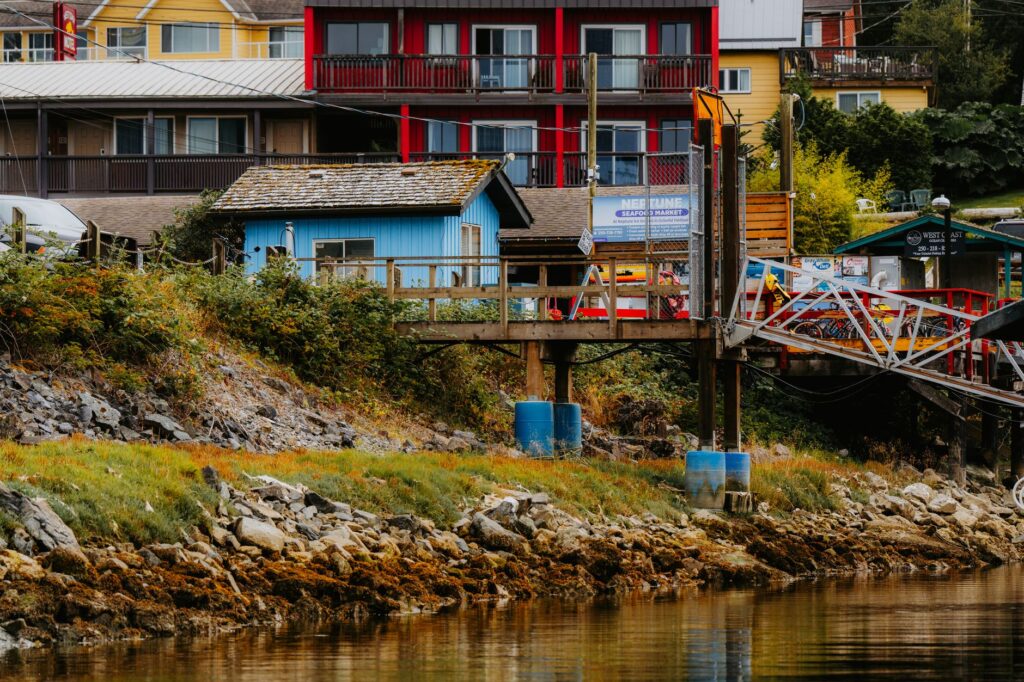
As the boats approach the natural shelters of the eastern Chilote coast, the urban landscape transforms radically to reveal a unique architectural typology: the stilt houses, or palafitos. These structures raised on luma or teepú pilings emerge directly above the intertidal zone, defying the traditional boundary between solid ground and the sea. Far from mere picturesque solutions for photographic enjoyment, the palafitos respond to a rigorous functional adaptation logic, allowing fishermen and shellfish gatherers immediate access to their vessels regardless of the tide’s state.

The stilt neighborhoods of cities like Castro or more remote coves such as Rilán reflect an amphibious way of life where domestic routines are paced by the ebb and flow of saltwater. Wooden walkways act as neighborhood streets traversed by children, fishing nets, and wheelbarrows laden with shellfish freshly extracted from benthic beds. In these enclaves, vernacular architecture demonstrates outstanding flexibility, absorbing thermal expansion and marine corrosion through the exclusive use of rot-resistant woods like the ancient larch. However, this fragile urban balance faces current real estate and regulatory pressures that threaten to undermine its historical authenticity.
The Network of Fluvial and Maritime Routes of the Archipelago
Connectivity within the insular Chilote labyrinth depends on a complex system of ferries, mail boats, and minor vessels operating as the backbone of the local economy. Planning a rigorous itinerary through these channels requires understanding the logistical limitations imposed by southern meteorology and tidal cycles. The main maritime routes connect the main island with the minor archipelagos of Lemuy, Quinchao, and the Guaitecas, tracing invisible furrows across marine surfaces that can shift from absolute calm to tempestuous storm in a matter of minutes.
Local harbor master’s offices strictly regulate the departures of minor vessels, prioritizing passenger safety and essential food cargo over any touristic expectation.
For the traveler interested in applied geography, navigating these routes represents an unparalleled opportunity to observe the ecological transition between temperate evergreen rainforests and sub-Antarctic fjords.
The port terminals of Chonchi and Dalcahue act as neuralgic centers where traditional navigation knowledge converges with twenty-first-century mobility demands, requiring perfect synchronization between interurban bus transport and the double-ended ferries crossing the Chacao channel.
Ecological Symbiosis Between the Temperate Forest and the Inner Sea
The scenic singularity of Chiloé cannot be understood without analyzing the close ecological dependency existing between the humid temperate forests—locally known as Valdivian jungle—and the rich marine ecosystems of its channels. Rivers and estuaries emptying into the inner sea transport a constant load of organic nutrients derived from vegetal decomposition, nourishing the phytoplankton that in turn sustains the entire trophic chain of the archipelago, from bivalve mollusks to humpback whales and Peale’s dolphins patrolling the protected waters.
This continuous flow between land and sea has historically determined the subsistence strategies of coastal communities, practicing inshore shellfish gathering respectful of the benthic species’ reproductive cycles. The conservation of this delicate balance is challenged today by the pressure of intensive salmon farming and global climate change, which alter the temperature and salinity of the fjords. Botanical researchers and marine biologists collaborate closely with local communities to document endemic biodiversity before potential ecological imbalances irreversibly alter this southern biological sanctuary.
Practical guide
How to get there: The main access to the Isla Grande de Chiloé is achieved by land and sea via the Chacao channel, crossing on 24-hour ferries operating from Pargua. Mocopulli Airport (MHC), located near Dalcahue, receives regular domestic flights conditioned by frequent Patagonian cloud cover.
When to travel: The months between December and Nevertheless, the austral winter (June to August) reveals the true melancholic and profound identity of the archipelago, ideal for the leisurely observation of timber architecture.

Insular transport: To tour the minor channels and the islands of Quinchao and Lemuy, combining local bus services with hiring passenger launches at the ports of Dalcahue, Chonchi, and Quemchi is essential. Consulting daily tide tables and storm warnings issued by the Harbor Master’s Office is strongly recommended.
Accommodation and gastronomy: Prioritize family-run riparian inns and small boutique hotels installed in restored former maritime warehouses. Gastronomically, the curanto en hoyo and local shellfish chowders represent the ultimate expression of Chilote inshore cuisine.
The Emotional Pulse of the Ultimate Insular Edge
As evening falls, when marine mist descends softly over the channels and the contours of ulmo and tepú forests merge with the gray horizon, Chiloé reveals its most intimate and enduring dimension. It is in that moment of absolute silence, interrupted only by the gentle lapping of water against wooden pilings, that the traveler grasps the true magnitude of this amphibious territory. Far from the urgency of the contemporary world, the archipelago clings to its identity through the unhurried rhythm of its tides and the indestructible dignity of its people. A tangible reminder that corners still exist where architecture, nature, and daily life engage in an indissoluble dialogue at the edge of the oceanic abyss.