
The vast geography that defies traditional maps
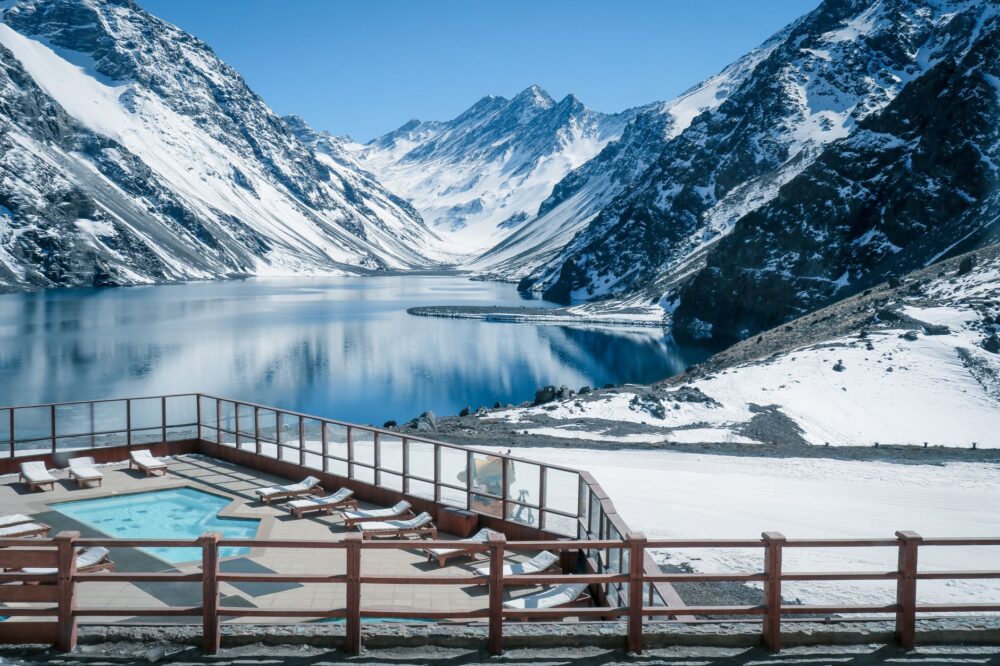
Patagonian immensity has always imposed its own rules on those who dare traverse it. From the snow-capped summits of the Andes to the rugged power of the Argentine Sea, passing through the magnetic silence of the steppe and the fertility of the river valleys, Río Negro encompasses a mosaic of landscapes as stunning as they are complex to articulate. For decades, planning a journey across this diversity meant fragmenting information, consulting scattered sources, and relying on intuition or word-of-mouth. Distance, that dimension which in the south acquires physical and psychological weight, often became an invisible barrier for travelers seeking to connect the province’s cardinal points without losing time or logistical certainty.
Faced with this structural challenge, the provincial government has driven a paradigm shift redefining how visitors approach the territory. The presentation of the new digital tourism platform is not a mere technological upgrade, but a political and cultural commitment to integration. For the first time, the four regions comprising the province—Sea, Steppe, Andean, and Valley—converge within a single virtual ecosystem designed to make a geography spanning over two hundred thousand square kilometers intelligible. This tool seeks to balance tourism flows, highlight less-traveled corners, and empower contemporary travelers with autonomy and informational precision.
Architecture of integration: a digital ecosystem for four worlds
The heart of this transformation lies in an interface conceived with usability and informational depth in mind. Far from offering digitized brochures, the platform operates as a central hub for updated data, gathering everything from the condition of mountain roads to the availability of rural lodging in the steppe. Each region features a dedicated section intersecting service offerings, geographic coordinates, local operator recommendations, and meteorological alerts—a decisive factor in Patagonia where weather can alter an itinerary within hours.
Digital integration also responds to a demand for economic sustainability. Traditionally, foreign and domestic tourism concentrated almost monopolistically in major hubs like San Carlos de Bariloche or Las Grutas, leaving regional economies in the fruit-growing valleys and the steppe plateau marginalized from the mass circuit. By democratizing digital visibility, the province offers an equitable showcase where a family winery in the Alto Valley or a community-based tourism venture on the Southern Line competes on equal terms with consolidated providers, allowing visitors to discover the hidden richness of a multifaceted territory.
The Atlantic Coast: cliffs, marine fauna, and live tides
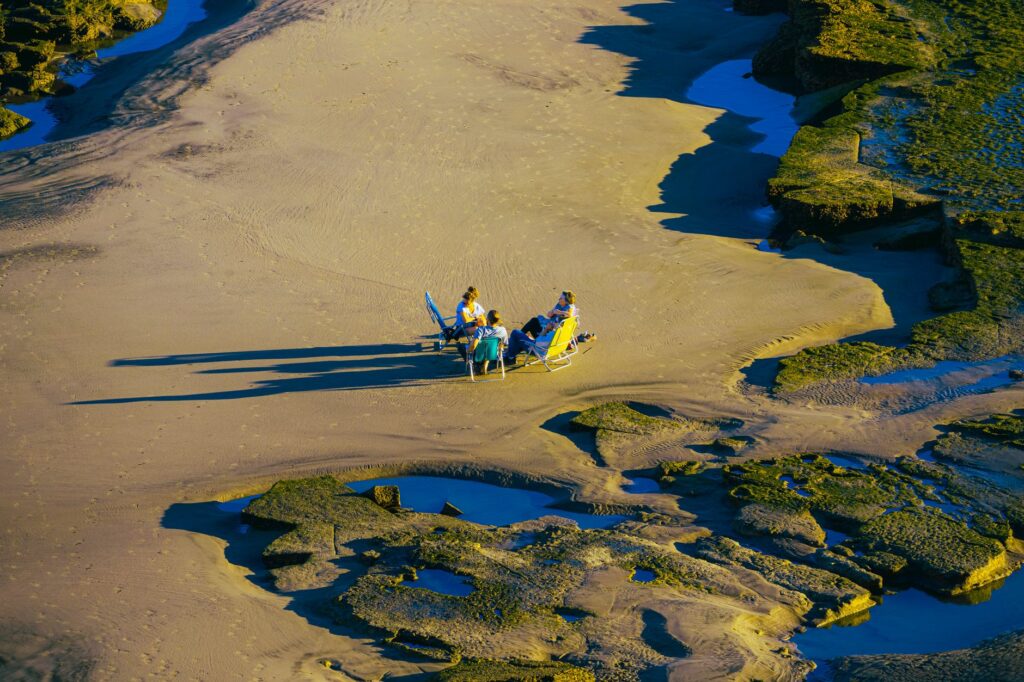
The journey along Río Negro’s coastline reveals a setting where the Patagonian desert plunges directly into the Atlantic Ocean, creating coastal landscapes of austere and singular beauty. Las Grutas, internationally recognized for harboring the warmest waters on Argentina’s maritime coast due to a unique tide and rocky platform phenomenon, leads the beach resort offerings. However, the new digital tool invites travelers to expand their gaze southward, exploring the coastal road leading to sea lion rookeries, pristine beaches like Piedras Coloradas, and the port of San Antonio Este, where tranquility and seafood gastronomy based on fresh shellfish define the travel experience.
This maritime corridor stands out for its biodiversity and unhurried pace, contrasting with the bustle of traditional urban centers. The platform facilitates planning for wildlife-watching excursions, nautical equipment rentals, and reservations in human-scale accommodations prioritizing direct contact with the natural environment. Integrating these coastal data points into the provincial system allows tourists descending from the mountains eastward to understand that the sea is not the end of the journey, but another entry point into Río Negro’s identity.
The Southern Line and the Steppe: silence as a destination
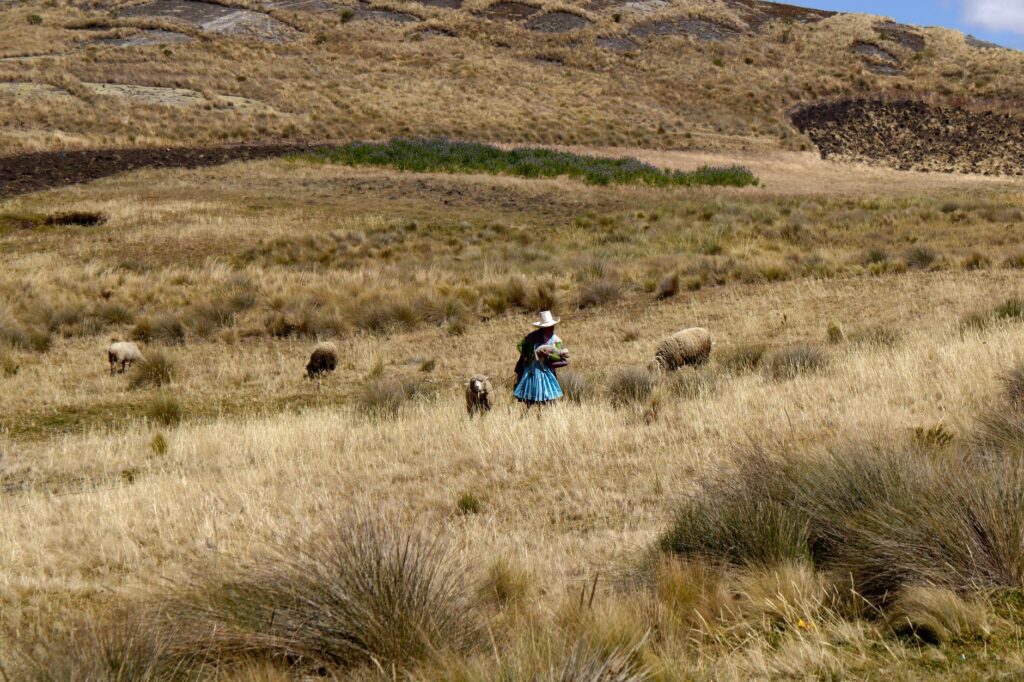
Venturing into the Río Negro steppe via the historic steam train route La Trochita or the emblematic National Route 23 is an exercise in geographical introspection. Here, the horizon curves, and immensity manifests in ochre tones, dry greens, and volcanic basalts. The steppe region has historically been the most neglected by mass tourism circuits due to vast distances and scarce conventional hotel infrastructure. With the new platform, this silent territory begins articulating a network of rural tourism and ranch stays that honors gaucho traditions, Mapuche loom craftsmanship, and stargazing under skies free from light pollution.
The Patagonian steppe is not merely looked at; it is inhabited through silence, wind, and the memory of its ancient peoples.
The digital system incorporates detailed guides on Southern Line towns—such as Maquinchao, Jacobacci, or Ramos Mexía—detailing dirt road conditions, fuel station locations, and direct contacts with local operators offering 4×4 crossings and horseback rides. This visibility not only invigorates the economies of entire villages but rescues stories of resilience and ancestral culture from anonymity, deeply enriching the province’s traveler heritage.
The Valley and the Mountains: fruit growing, lakes, and high peaks
At the opposite end, the river valley corridor and the Andean region offer a green, mountainous contrast crowning the provincial map. The Alto Valley, furrowed by the Limay and Neuquén rivers, displays a productive landscape where world-famous pome fruit orchards—apples and pears—form a mosaic of small farms, agritourism, and expanding wine tourism. The region’s wineries, combining modern technologies with Patagonian winemaking tradition, find in the digital platform a direct channel to offer tastings, guided tours, and gastronomic experiences paired with regional products.
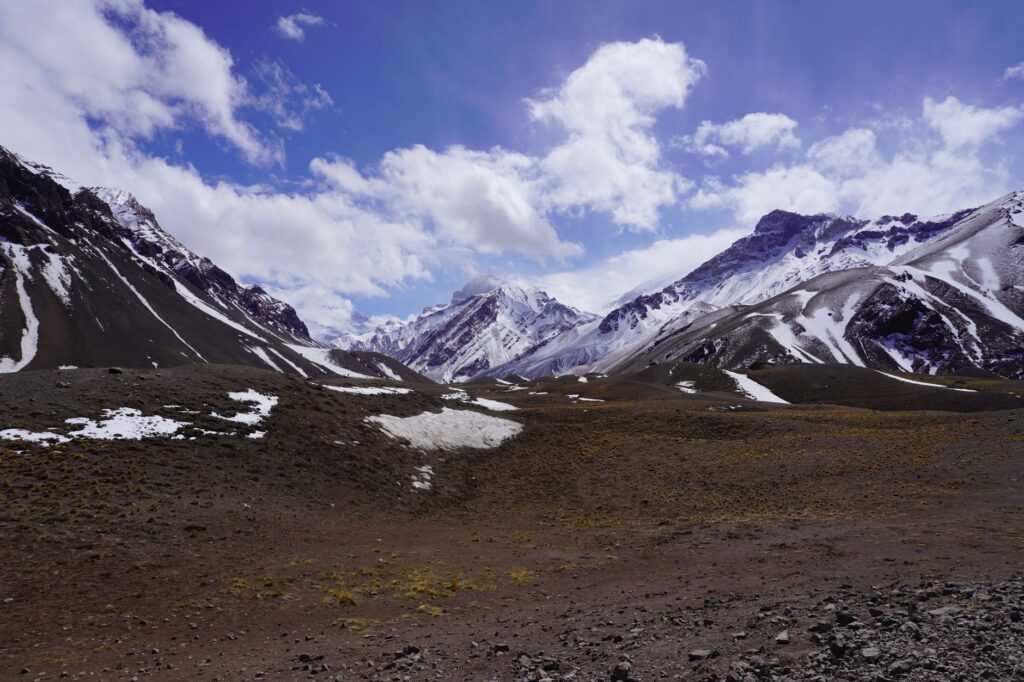
Further west, the Andes mountain range imposes its majesty with glacial lakes, native coihue and lenga forests, and world-class winter centers like Bariloche and El Bolsón. Integrating these consolidated destinations with the rest of the province via the new technological tool allows decentralizing mountain tourism, suggesting valley or steppe getaways to visitors to complement their mountain stays with wellness proposals, low-intensity hiking, and contact with local productive communities.
Technological innovation at the service of federal tourism
The development of this digital platform responds not only to an administrative modernization trend, but to a strategic vision of territorial development. According to guidelines presented by provincial tourism authorities, the core objective is to consolidate a federal model where no region is rendered invisible due to a lack of connectivity or advertising resources. The tool integrates secure payment gateways, downloadable interactive maps for low-signal areas, and a feedback system where users can rate services and report incidents in real time.
This operational transparency benefits both tourists and the local business ecosystem. Small providers, from fly-fishing guides to textile artisans, now possess a global storefront without needing unattainable investments in digital marketing. Likewise, the provincial government gathers precise metrics on demand behavior, enabling the design of public infrastructure and promotion policies based on concrete data rather than seasonal estimations.

Practical guide
How to get there: San Carlos de Bariloche International Airport and Viedma Airport connect the province with the country’s main hubs. To tour the region, car rental is highly recommended due to the vast distances between the four zones.
When to go: The summer season (December to March) is ideal for the coast and Andean hiking. Winter (June to September) transforms the mountains into a skiing paradise, while spring and autumn offer mild climates perfect for exploring the valleys and the steppe.
Digital platform: Interactive maps, service guides, and route alerts can be accessed through Río Negro’s official tourism portal, optimized for mobile devices both online and offline.

Essential gastronomy: Spit-roasted Patagonian lamb, San Matías Gulf seafood, Andean fine berries, Alto Valley artisanal ciders, and extreme-latitude wines produced in the steppe and the valley.
The secret heartbeat of an infinite land
Traveling through Río Negro ceases to be an exercise in transit and becomes a conscious immersion in the complexity of a territory defying simplistic labels. When travelers rest their gaze on their device screen and discover that the very province housing snow-capped Andean peaks also embraces marine cliffs whipped by the planet’s cleanest winds, they grasp the true dimension of this digital redesign. It is not merely about finding a hotel or plotting a map route, but about inhabiting with respect and curiosity a geography where technology ultimately serves to bring us closer to the human pulse of those who have made the edge of the world their daily home.
Source in EN: NoticiasNet – Río Negro presents its new tourism platform: innovation and integration for the four regions (https://news.google.com/rss/articles/CBMi-AFBVV95cUxNbmlfcFU1VDNnTzI0amg2WkVsaTZqT0pYUXNfRFZsMGZFbXo3WVJIaWRaaEdaMVM2amtvWC1ncUhTZDNWcnFpVDZnMTlUbnpVV1dGMGgxalhxSlR3MENiMU1PbGZTd0xuSTRWM2ppZHNQcWNxSDdtUnlYNTFBUDBUTk9kVFBjMHVKbTNyMGxLOW5ZMEdNYlhYMXlZTEE2ZVlDLUhNczdwN3ZJcUFZVnB2OVotdDlkXzh2aW9iOS1OZC1qSC1WMVlCYU9tckFyZFZ0aHA5NUM0VF9CT2NMREFSQ2NmTDFDQkRaS3N2RFBndXdHZEdiWDJTSNIB_gFBVV95cUxQdkFSSFBsb3lNU01TeV9lNXRJcWpDdDlpNjNOTXQ0dHNTR3JrWWdPbUNkaWlTRkpXalplQy1LOEV3Q1dlaXd2ZjA4SXJ5d2xWUXV6NXM3TVRNU3hEZGxpOEM2akRNZ21YTTZUYTN5V1hiblBDMkFHUVl5a2NmYnNKbnFyUDBZRHdhdUk5UENyY2ZXbWVPaFJSSkFvT0ZyY2piZDl0a3dJUVRfOFZEWGl3Z25LVEhVcVdZbDJPQURDVS0tdkFoX2YxYWhlWUtUay1qX0tiRFJyZG1GTUZWNkJnWENVeS1mVWtvSGVsaGVFQTRVZVV2Ymx5eWUwUDdCZw?oc=5)