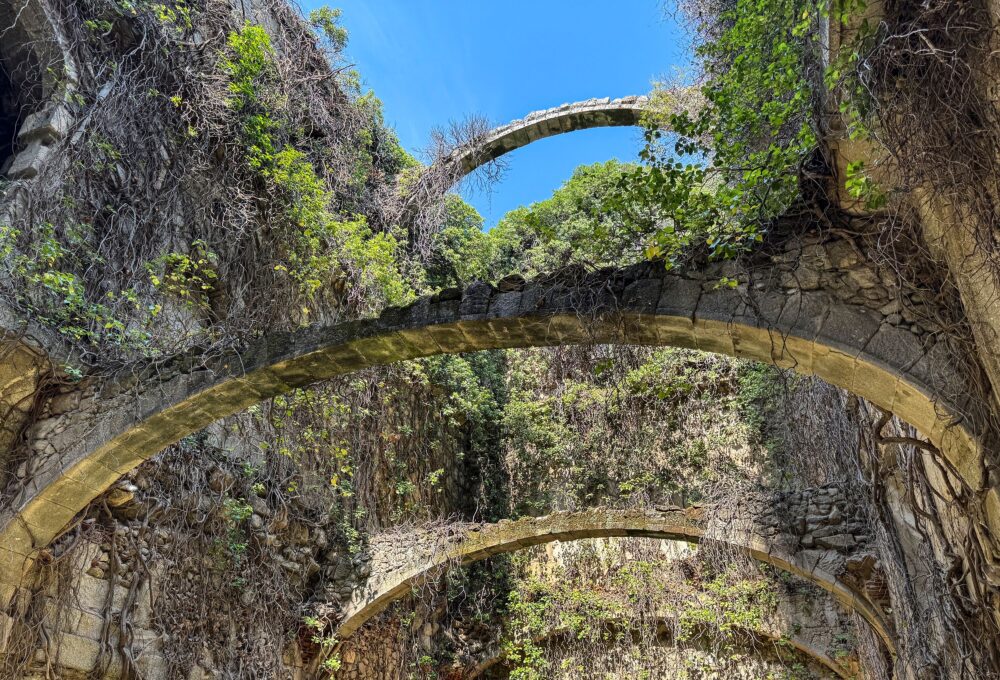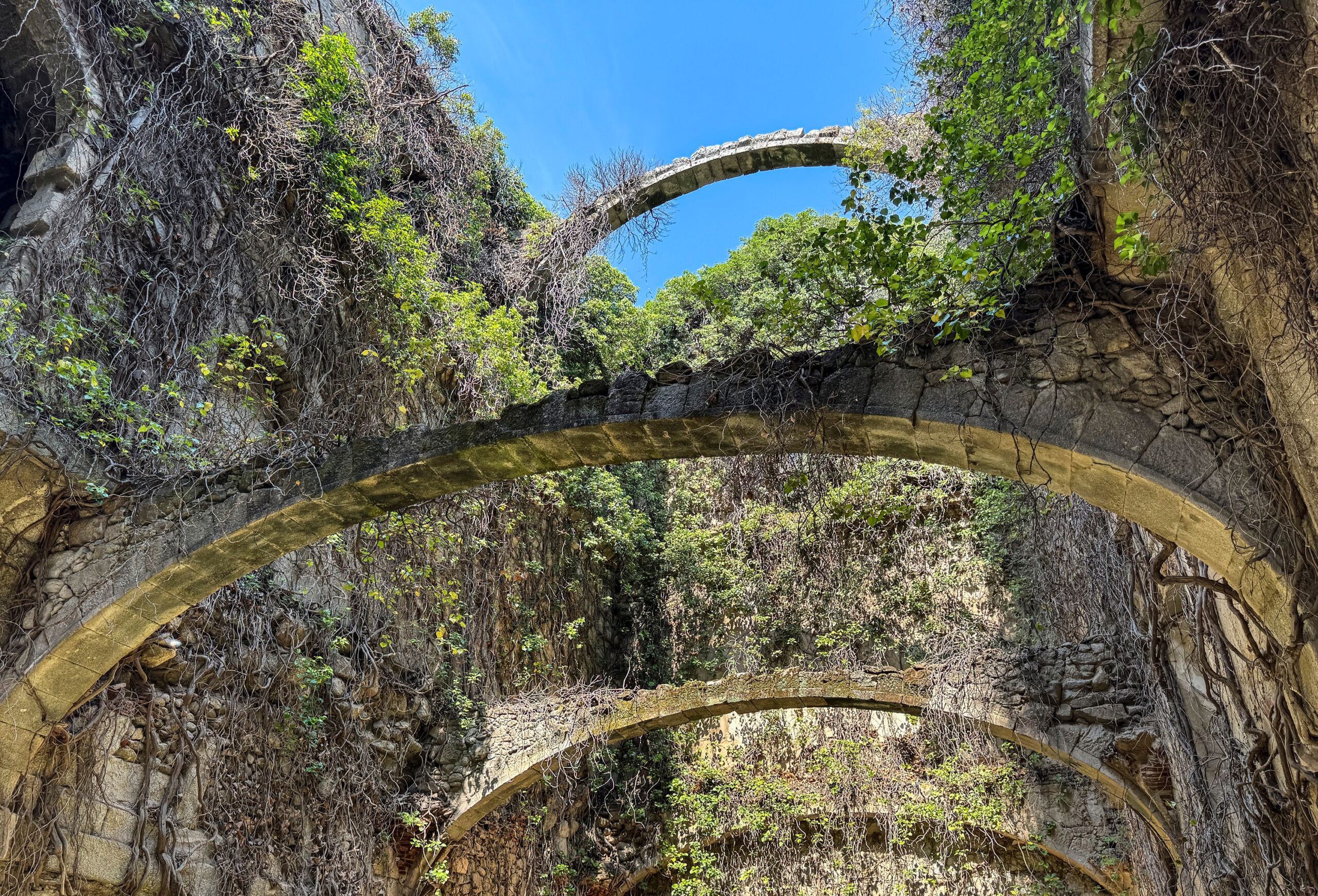

The landscape of the province of Ávila conceals hidden corners where ancient stone and untouched nature seem to have forged a secret pact against oblivion. Among the wooded folds of El Tiemblo, very close to the famous Bulls of Guisando, stands a setting that looks straight out of the most evocative pages of romantic literature: the Monastery of Guisando. This monastic enclave, now transformed into a unique space where ruins converse with contemporary cultural life, offers travelers an experience that transcends simple tourism, inviting deep contemplation and memory.
Far from mass circuits, this corner of Ávila has successfully reinvented itself without losing an ounce of its historical dignity. Here, the quietude of the natural surroundings merges with cultural initiatives ranging from acoustic concert cycles to open-air yoga sessions, proving that historical heritage can maintain an active and sustainable pulse. Exploring its rooms is like stepping into a narrative where time has left a profound mark, shaping arches, walls, and courtyards into living sculptures beneath the sky of the Sierra de Gredos.
The embrace of time: history and architecture in ruins
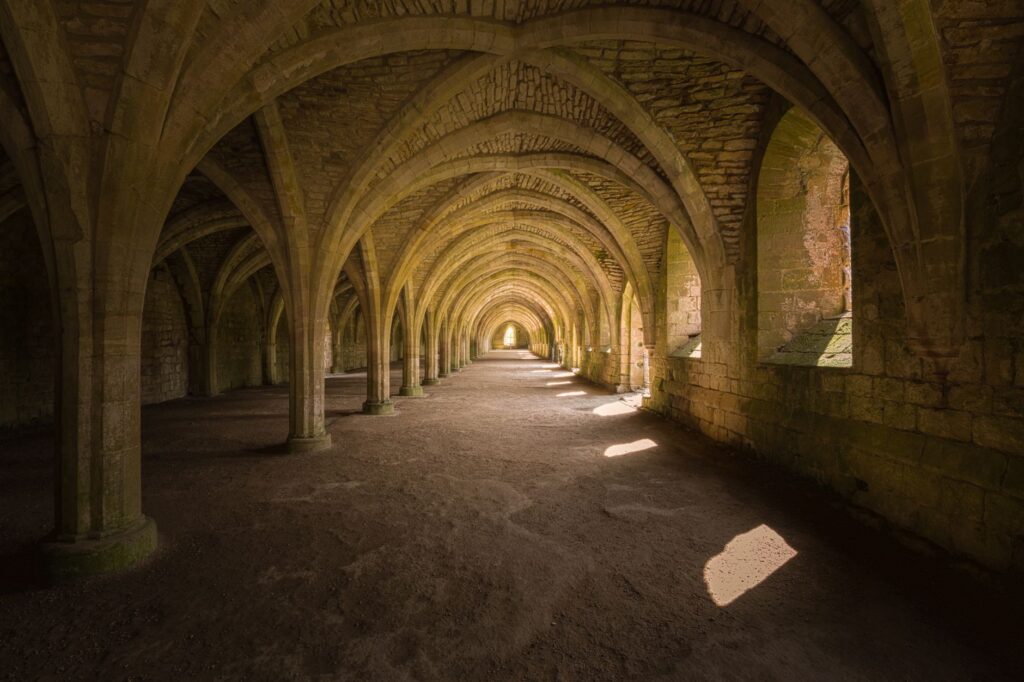
The origins of the Monastery of Guisando date back to the times when religious orders sought the isolation necessary for prayer and retreat. Founded in the 14th century and closely linked to the Jeronymite Order, this monastery stood as a silent witness to key episodes in Castilian history. Its walls, raised using sturdy local stone, have weathered centuries of history, disentailments, and abandonment, adopting that melancholic beauty that only time and weathering can bestow upon great structures.
Architecturally, the complex is characterized by the sobriety typical of its founding order, though the action of nature has steadily rewritten the original blueprint. Today, roofs open to the firmament allow zenithal light to play across pointed arches and bare columns. The absence of roofs does not impoverish the space; rather, it monumentalizes it, turning each room into a sort of open-air Gothic chapel where birdsong replaces ancient choral prayers.
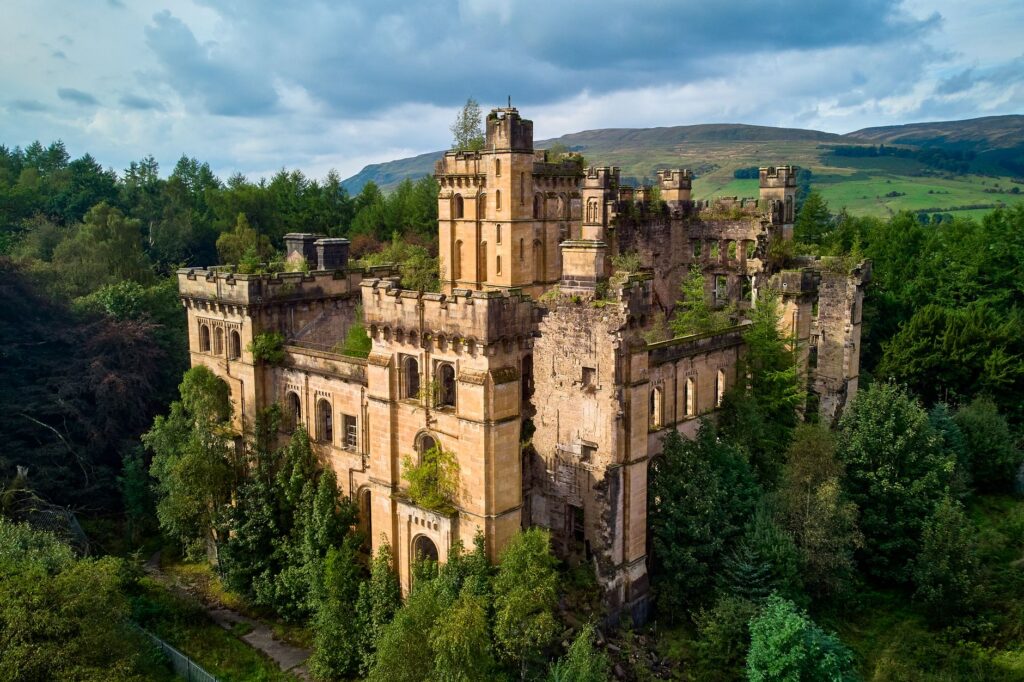
Ruins are not the end of a story, but rather the beginning of an eternal dialogue between human creation and the nature that reclaims it.
Strolling through the cloister is an unparalleled sensory experience. Wild herbs sprout between the cobblestones, and vines climb the stone masonry like a protective embrace. This precarious yet firm balance between stone architecture and surrounding vegetation endows the place with an atmosphere of absolute retreat, ideal for travelers seeking to escape noise and connect with the essence of the landscape.
A green refuge in the foothills of Gredos
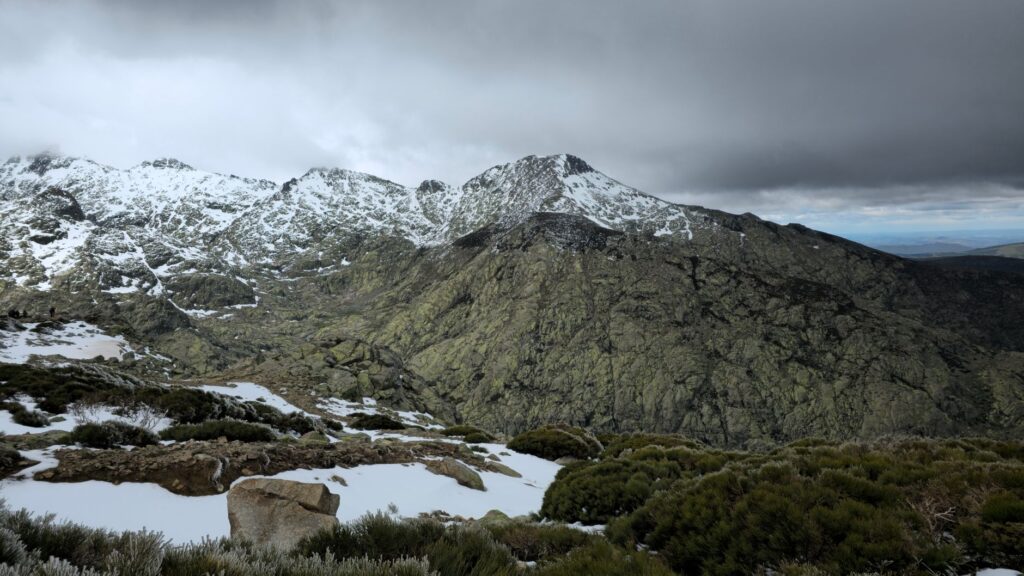
The natural environment enveloping the monastery is an inseparable part of its charm. Located within the municipal boundaries of El Tiemblo, on the slopes of the Sierra de Gredos and very close to the Alberche River, the site is surrounded by a forest of immense ecological value. Pine groves, oak woods, and centuries-old chestnut trees create a green mantle that shifts in tone with the changing seasons, offering a constant visual spectacle.
A few kilometers away lies the famous Chestnut Forest of El Tiemblo, a magical woodland that perfectly complements a visit to the monastery. The proximity of these landscapes turns the area into a premier ecological corridor, where biodiversity manifests in every corner. Respect for this fragile ecosystem is the fundamental rule guiding any intervention in the area, ensuring tourism acts as a preserver rather than an agent of wear and tear.
The terrain’s topography, marked by gentle slopes and crystal-clear streams, invites slow-paced hiking. The goal is not to conquer inaccessible peaks, but to walk without haste, paying attention to the murmur of water, the crunch of dry leaves beneath boots, and the aroma of rockrose and pine that permeates the mountain air. It is this scenic context that gives full meaning to the monastery, framing it within a territory where nature still retains its primal voice.
Contemporary culture among centuries-old walls
In recent years, the Monastery of Guisando has undergone an exemplary revitalization thanks to the organization of cultural events that scrupulously respect the integrity of the site. Far from undermining its heritage value, initiatives such as acoustic concert series harness the natural acoustics of the ruined naves to offer musical experiences of unusual intensity. Listening to classical music, jazz, or folk with the sky as a vault and stone walls as witnesses is a privilege accessible to very few.
These cultural proposals aim to decentralize leisure offerings and highlight rural heritage through respectful formats. Attendance capacities are strictly limited to guarantee the preservation of the monument and the quality of the auditory experience. Music in this setting does not compete with the surroundings; it amplifies them, creating a seamless synergy between human art and the monumentality of the landscape.
In addition to music, the venue hosts artistic workshops, poetry readings, and literary gatherings that attract creators and thinkers in search of inspiration. This cultural use of the monastery demonstrates that historical heritage does not have to be a museum fossil, but rather a living organism capable of generating new layers of meaning in the present.
Wellbeing and disconnection: yoga in the sanctuary
The pursuit of inner wellbeing finds an exceptional framework at the Monastery of Guisando. Yoga and meditation sessions organized on an occasional basis in its vicinity harness the energetic charge and quietude of the place to foster deep relaxation. Practicing asanas surrounded by roofless Gothic arches while the mountain breeze brushes against the skin is an experience that transcends simple physical practice.
Instructors guiding these sessions emphasize connection with the surroundings, integrating forest sounds and solid stone into breathing and posture. The silence of the monastery acts as an amplifier of mental peace, helping participants detach from urban life tensions and achieve a state of introspection difficult to replicate in conventional studios.
This holistic wellbeing aspect is rounded out by mindful walks through the woods and breathwork workshops, consolidating the monastery as a destination for regenerative tourism. The proposal avoids rapid consumption, favoring the slow assimilation of experiences that nourish body and spirit, perfectly aligned with the most advanced trends in global sustainable tourism.
The weight of history: the Bulls of Guisando and their surroundings
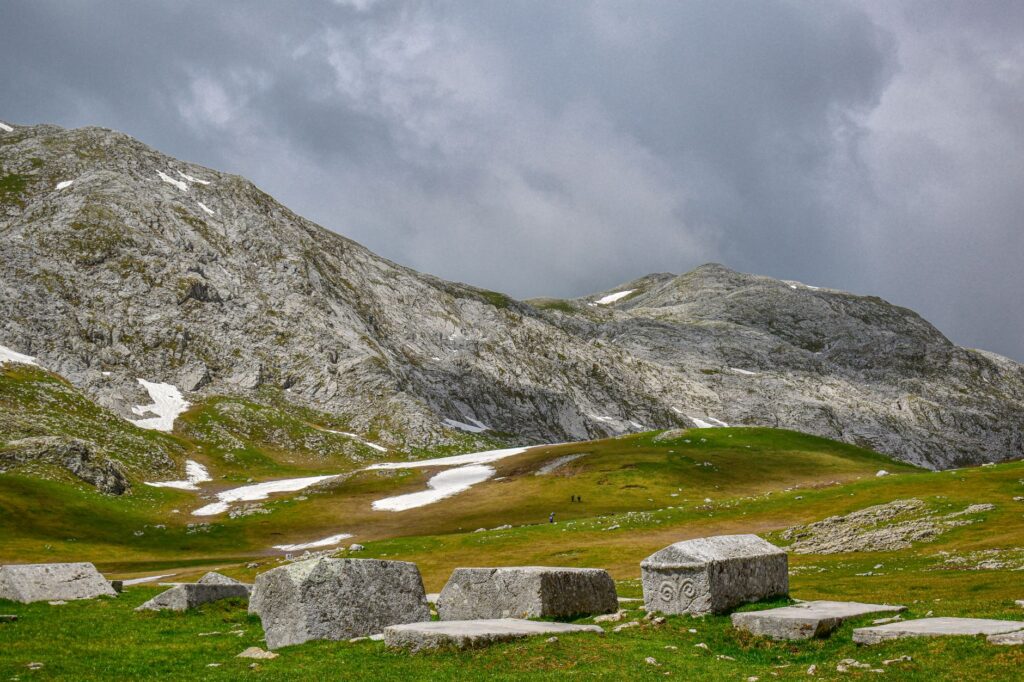
It is impossible to speak of the Monastery of Guisando without mentioning its most famous neighbors: the Bulls of Guisando. This collection of Vetton stone sculptures, dating back to the final centuries before our era, lies a short distance away, adding an even deeper historical layer to the territory. These bull- or boar-shaped stone monoliths evoke the mysteries of the pre-Roman peoples who inhabited the Castilian plateau.
The history of this corner of Ávila is not read in textbooks; it is walked upon every trail and touched in every stone sculpted across the centuries.
Furthermore, this landscape served as the stage in 1468 for the famous Concordia de Guisando, a historic pact in which Henry IV recognized his half-sister Isabella as Princess of Asturias, laying the foundations for the future unification of the kingdoms of Spain. The historical density of this valley is overwhelming, concentrating milestones of Vetton, medieval, and Renaissance culture within a few kilometers, enriching any cultural itinerary through the province of Ávila.
Practical guide
How to get there: The Monastery of Guisando is located in the municipality of El Tiemblo, in the province of Ávila. The most convenient way to access it is by private vehicle from Madrid (about 90 kilometers away) by taking the A-5 highway to Móstoles and connecting to the M-501 (Carretera de los Pantanos) to El Tiemblo, from where signposted paths lead to the monumental area.
When to go: Spring and autumn are the ideal seasons to visit the enclave. In spring, the surrounding countryside displays its full chromatic splendor; in autumn, the nearby Chestnut Forest of El Tiemblo offers an unmatched golden leaf spectacle. Summer months are ideal for nighttime cultural events thanks to the pleasant evening temperatures of the mountain range.
Admission and visits: Access to the area is regulated to protect both heritage and the environment. It is advisable to check the official schedule of the El Tiemblo City Council or the managing entity to confirm exact dates for concerts, yoga workshops, and authorized guided tours, as capacity is strictly limited.

Travel tips: Comfortable, non-slip footwear is recommended, as the monastery floor and surrounding trails are uneven. It is advisable to bring sufficient water, light warm clothing even in summer (mountain nights can be remarkably chilly), and a bag to carry away any waste, keeping the purity of the natural and monumental environment intact.
Epilogue among shadows and memory
When the sun begins to dip behind the peaks of the Sierra de Gredos, the golden rays of afternoon pierce through the roofless openings of the Monastery of Guisando, casting long shadows across the ancient stone. In that moment of transitional light, time seems to come to a complete halt. The silhouettes of the ruined walls stand out against a sky shifting from indigo to mauve, and the mountain silence reclaims its absolute hegemony, dissolving the ephemeral echoes of human activity.
Visiting this corner of Ávila is not simply completing a tourist itinerary, but accepting an invitation to pause and introspect. Among eroded stone and the tenacious green of surrounding forests, travelers realize that the most beautiful places are not those displaying immaculate luxury, but those retaining the untamed soul of time. Guisando remains there, patient and magnetic, awaiting those who still know how to listen to the secret language of ruins.
Source: Condé Nast Traveler España.