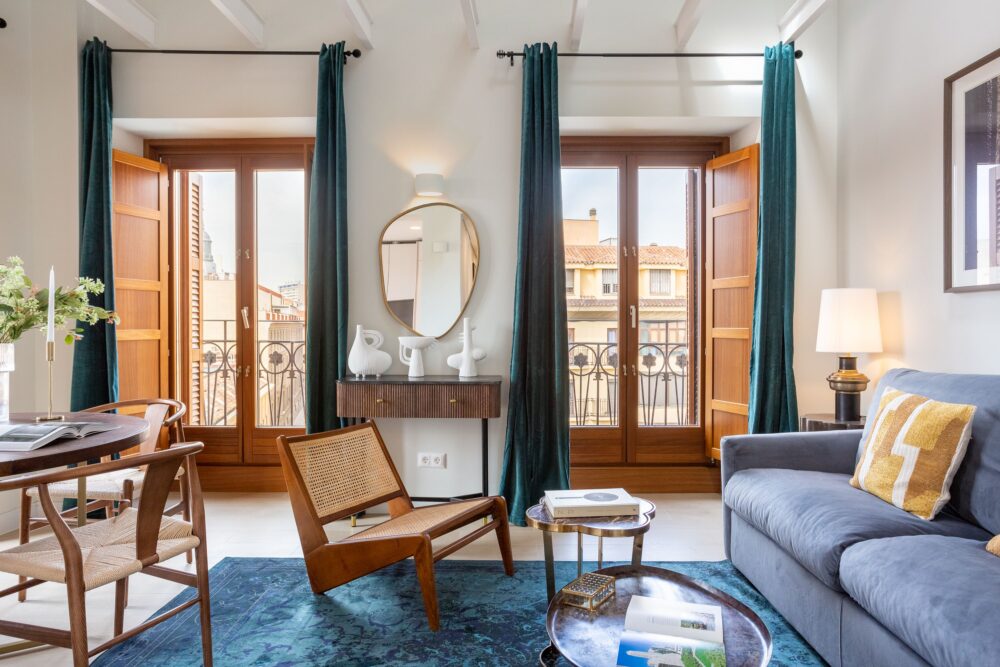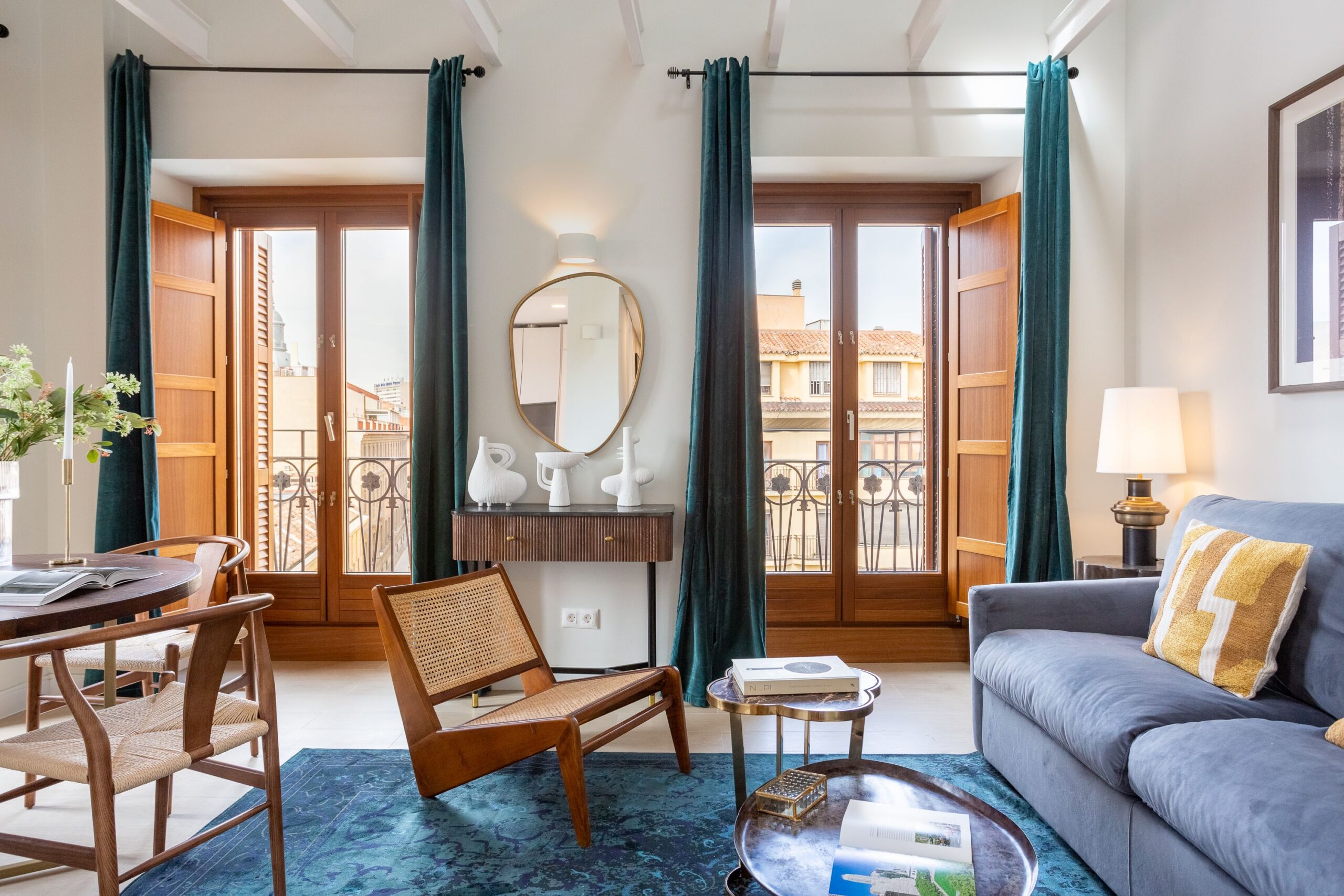

Madrid is not a city that yields its secrets to the first-time visitor in a rush; it is a living organism that demands time, a measured pace, and the proper threshold to truly understand its daily pulse. While the traditional hotel circuit offers standardized comfort, the experience of inhabiting an independent apartment in the capital’s most emblematic districts allows travelers to unveil the backstage of a metropolis that masterfully balances imperial heritage with constant creative effervescence. This residential immersion transforms the journey into a stay where the visitor ceases to be a seasonal spectator and becomes a temporary neighbor, capable of buying bread at the corner bakery, greeting the local bookseller, and watching the golden afternoon light spill over wrought-iron balconies.
Choosing accommodation in Madrid goes far beyond mere aesthetics or square footage; it is a decision about which facet of the city one wishes to inhabit. From the modernist bustle of Malasaña to the elegant sobriety of the Salamanca neighborhood, each zone demands a distinct interior architecture and atmosphere. Analyzing this offering from a journalistic perspective involves examining how the recovery of housing heritage and contemporary design redefine the way we experience the urban core, offering a mature, autonomous, and deeply rooted alternative within the social fabric of Madrid.
The Historic Pulse of Plaza Mayor and the Austrias District
The founding heart of Madrid, known as the Madrid de los Austrias, beats with a particular intensity when one steps away from the commotion of the main monuments to take refuge in a porticoed alleyway. Here, buildings frequently date back to the 17th and 18th centuries, preserving exposed wooden beams, hydraulic tile floors, and mansard roofs that defy modern gravity. Apartments situated near Cava Baja or Plaza de la Villa offer privileged access to the city’s most tangible history, where every facade recounts a chronicle of kings, merchants, and poets.
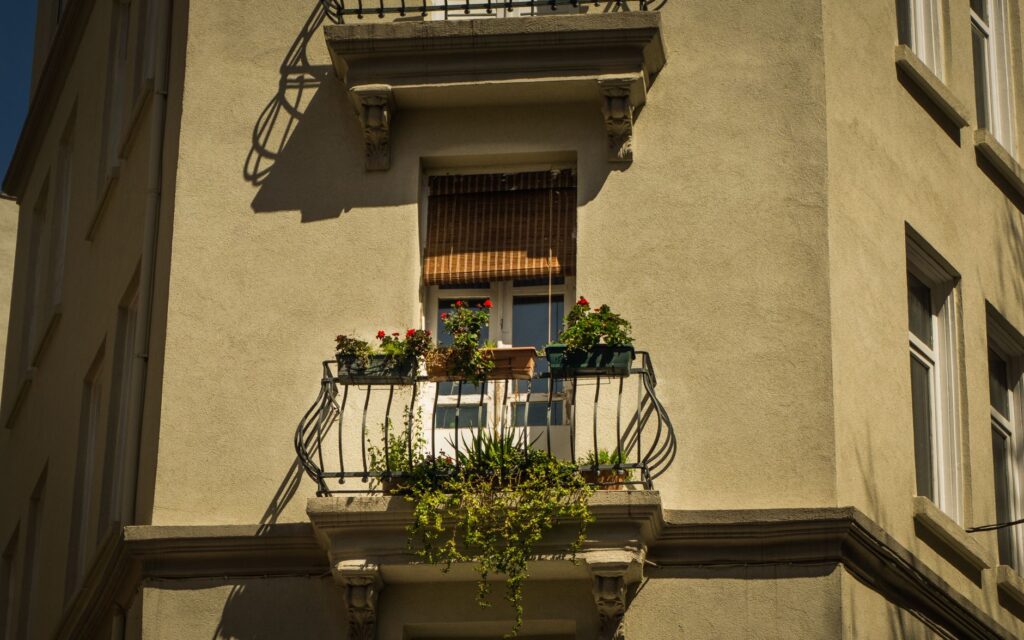
Opting for an apartment in this sector requires understanding the particularities of ancient architecture. High ceilings and large windows amply compensate for the occasional absence of modern elevators. Living among these centuries-old walls means accepting the rhythm of a protected zone, where modernity hides discreetly behind cataloged facades. Interiors typically combine mid-century modern furniture with restored structural elements, creating a visual dialogue that connects the courtly past with the demands of the contemporary traveler.
Malasaña and Bohemian Avant-Garde Design
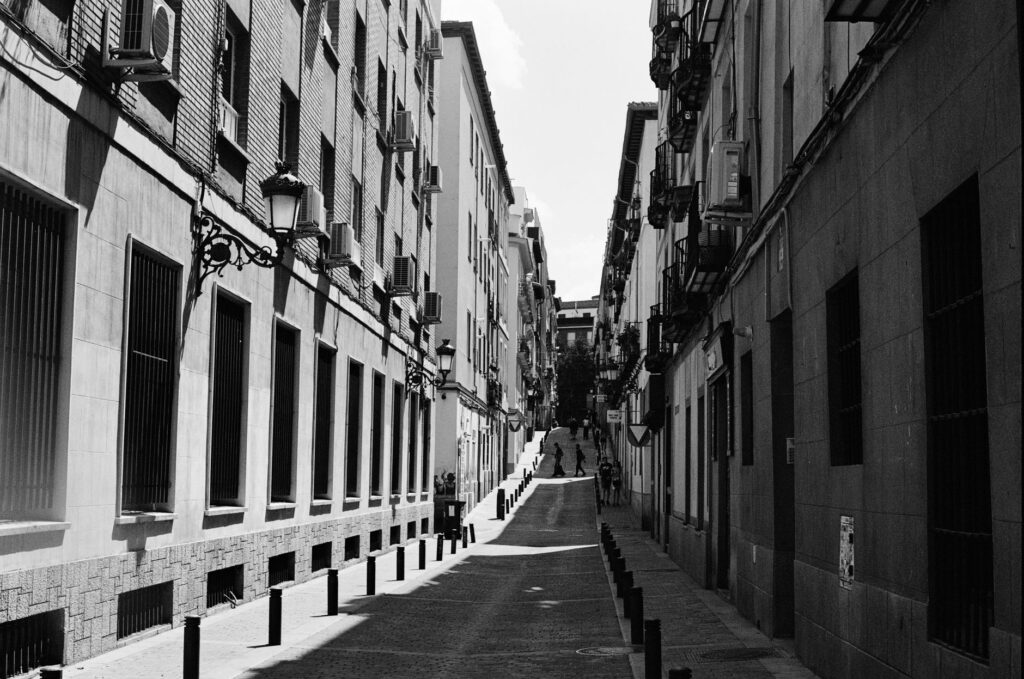
Just a few minutes north, crossing Gran Vía, the urban landscape shifts dramatically to plunge the visitor into the epicenter of castizo modernity: Malasaña. This neighborhood, the cradle of the Madrid countercultural movement known as La Movida and now a sanctuary for independent art galleries, specialty cafes, and creator-owned shops, features a highly distinctive housing typology. Apartments here tend to be more compact, ingeniously optimized to make the most of every square meter through lofts, open-plan concepts, and a neutral color palette warmed by light wood.
Accommodations in Malasaña stand out for their strong commitment to auteur design and local emerging art. It is not uncommon to find shelves brimming with fanzines, prints by Madrid illustrators hung on the walls, and integrated kitchens that invite guests to prepare dinners using ingredients bought at the nearby Mercado de San Ildefonso or traditional grocery stores resisting gentrification. This environment attracts those seeking an immediate connection with urban culture and nightlife, without sacrificing the peaceful sanctuary provided by a landscaped interior courtyard—a true oasis of silence amidst the district’s dynamism.
The Stately Elegance of the Salamanca Neighborhood
At the opposite end of the architectural spectrum lies the Salamanca neighborhood, conceived in the 19th century by the Marquis of Salamanca as a grid of tree-lined avenues, grand townhouses, and monumental portals. Here, independent apartments take on a dimension of sober luxury and generous proportions. Ceilings frequently exceed three and a half meters in height, adorned with original plaster moldings, while living rooms open to the street through large glazed bay windows that cast a diffuse, elegant light over herringbone parquet flooring.
The experience of staying in Salamanca is defined by refinement and tranquility. The interiors of these properties are typically signed by renowned interior design studios, balancing classical majesty with advanced home automation systems and high-end furnishings. It is the ideal territory for those who value proximity to the Golden Mile boutiques, the art galleries of Jorge Juan street, and the nearby green lung of Retiro Park, allowing a rhythm of stay where rest and sophistication go hand in hand.
The true luxury in Madrid is not ornamental excess, but the ability to inhabit a space that breathes the authentic history and rhythm of the city.
Chueca and Salesas: Diversity and Traditional Commercial Pulse
Between the grand artery of Alcalá street and the bustle of Fuencarral, the neighborhoods of Chueca and Salesas form a vibrant urban fabric where 19th-century architecture coexists with intense commercial and social life. Apartments in this zone are typically characterized by their luminosity, thanks to an abundance of south-facing balconies and open block courtyards. These are spaces that have successfully reinvented themselves, transforming former service attics into contemporary lofts equipped with private terraces overlooking the domes and rooftops of Madrid.

Staying in Chueca and Salesas means being at the neuralgic center of the capital’s gastronomic and commercial creativity. The apartment offerings reflect this duality: eclectic interiors blending inherited antiques with Nordic or Italian industrial design pieces. Neighborhood life is experienced here intensely, with traditional markets converted into tasting hubs and pedestrian squares acting as open-air living rooms where locals gather at dusk.
La Latina and Lavapiés: Multiculturalism and Popular Tradition
Descending southward from Plaza Mayor, the urban grid recovers the irregular medieval layout of La Latina and opens toward the multicultural slope of Lavapiés. In these neighborhoods, buildings display a deeper patina of time and an indomitable personality. Residences tend to be on a smaller scale, with thick walls that maintain summer coolness and an organic layout adapted to ancient plots. Terracotta floors, panelled doors, and small windows framing steep, winding streets lend these spaces an authenticity difficult to replicate in newly constructed areas.
Choosing an apartment in this sector is a declaration of intent: seeking the most popular and mixed-race pulse of Madrid. Lavapiés, in particular, offers a unique cultural crucible reflected both in the offerings of its bakeries and grocers and in the interior decor, dominated by artisanal textiles, macramé, and a carefree mix of objects found at El Rastro flea market. Living here means connecting with the most supportive, artistic, and working-class Madrid, a constant reminder that the capital is a sum of multiple identities.
Interior Architecture and Sustainability in the Madrid Home
In recent years, the renewal of independent accommodation stock in Madrid has been marked by a strong commitment to sustainability and energy efficiency, without compromising the heritage value of the buildings. The city’s top architectural studios have proven that it is possible to climate-control centuries-old properties using concealed aerothermal systems, advanced thermal insulation on party walls, and the restoration of original wooden carpentry fitted with double acoustic glazing.
This effort to preserve the historic envelope while updating the interior responds to a growing demand from informed travelers who value architectural authenticity but demand modern standards of comfort and environmental respect. The use of volatile organic compound-free ecological paints, low-consumption LED lighting, and the integration of water-recycling systems in kitchens and bathrooms are details no longer perceived as mere additions, but as essential requirements for responsible residential tourism in the 21st century.
Practical guide
Planning a stay in an independent apartment in Madrid requires considering several fundamental logistical aspects to ensure a smooth experience that respects the urban environment.
- Location and Districts: For a first cultural visit, the Central district (Austrias, Sol, Cortes) offers the greatest walking proximity to major museums and monuments. If quiet residential living and exclusive shopping are desired, the Salamanca neighborhood is the ideal choice. For a bohemian and alternative atmosphere, Malasaña, Chueca, and Lavapiés are unbeatable.
- Regulations and Legality: Ensure that the accommodation holds an official tourist license from the Community of Madrid or strictly complies with current municipal regulations for medium and short-term rentals, thereby guaranteeing consumer rights and safety.
- Urban Mobility: Madrid’s metro and EMT bus network covers the entire city efficiently. Most downtown apartments lack private parking spaces; travelers are advised to use public park-and-ride facilities or opt for public transport from Adolfo Suárez Madrid-Barajas Airport (Metro Line 8 or Cercanías commuter train).
- Connectivity and Services: Practically all quality accommodations in Madrid feature high-speed fiber-optic Wi-Fi, independent climate control (hot/cold), and fully equipped kitchens with basic utensils, a coffee maker, and essential appliances.
- Neighborhood Coexistence: Respect for homeowners’ association rules is strictly enforced in Madrid. Loud parties are prohibited, and mandatory night-time quiet hours (typically from 10:00 PM to 8:00 AM) must be respected.
The true art of traveling to Madrid lies in knowing how to close the street door, climb the stairs, and feel, even if only for a few days, that this immense and luminous city also belongs to us.
At nightfall, when the street bustle subsides and the zinc and clay rooftops silhouette against Madrid’s twilight sky, choosing an independent apartment reveals its deepest meaning. It is not merely a place to sleep, but an intimate refuge from which to contemplate the continuous transformation of one of Europe’s most vibrant capitals. It is in this quietness shared with ancient walls that travel endures as a lasting memory.
Source in EN: Condé Nast Traveler