
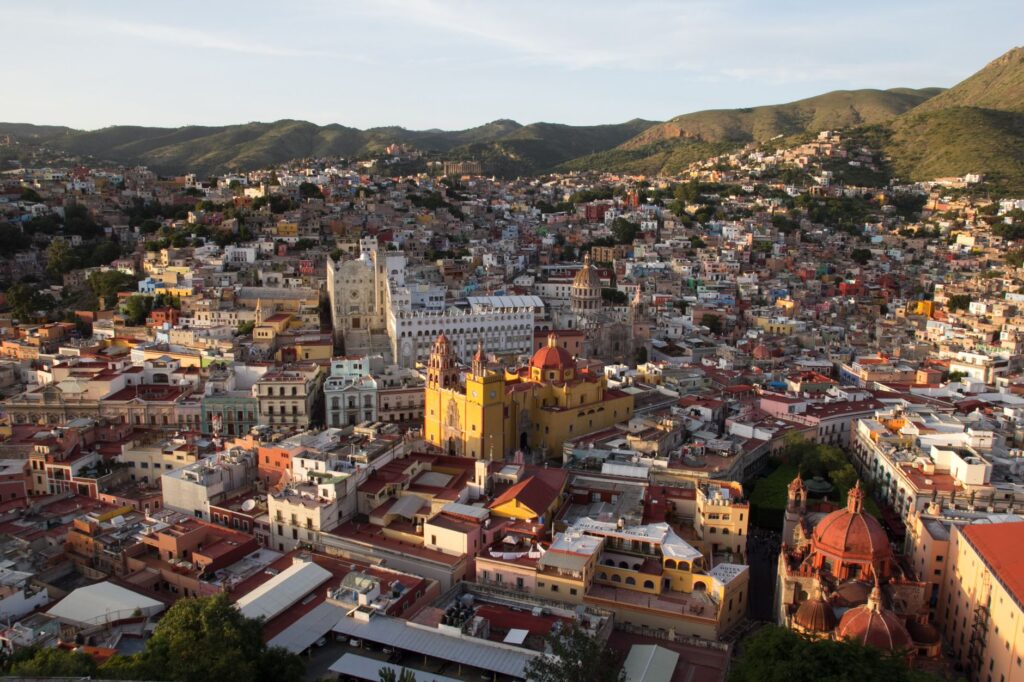
The skyline of Guanajuato is measured not only in altitude above sea level, but in the superimposed layers of its mining history, labyrinthine alleys, and viceregal architecture that defies the gravity of the hills. Far from settling for the steady flow of traditional tourism, the state has decided to cross the Pacific to build a silver bridge with one of the most demanding cultures in the world: Japan. This strategy goes far beyond a conventional advertising campaign; it is an intercultural dialogue where heritage preservation, origin gastronomy, and a deep admiration for detail find common ground.
For the contemporary traveler, understanding this rapprochement means looking at Guanajuato not merely as a weekend destination, but as an epicenter of living heritage where every small square tells a chronicle of bonanza and resilience. The tourism diplomacy deployed in Asian lands highlights the historical and economic ties that already existed—especially in the automotive and manufacturing sectors—while adding a profoundly human and touristic layer, inviting the oriental visitor to discover a sophisticated, secure, and deeply respectful Mexico.
The Route of the Inland Royal Road and the Viceregal Legacy
The heart of Guanajuato’s tourism proposal before the Japanese public rests on the international recognition of its past. The Inland Royal Road, declared a UNESCO World Heritage site, represents the backbone of this historical journey. During colonial centuries, this route not only transported precious metals to shipping ports, but facilitated pioneering cultural exchange between Europe, America, and, indirectly, global trade routes.
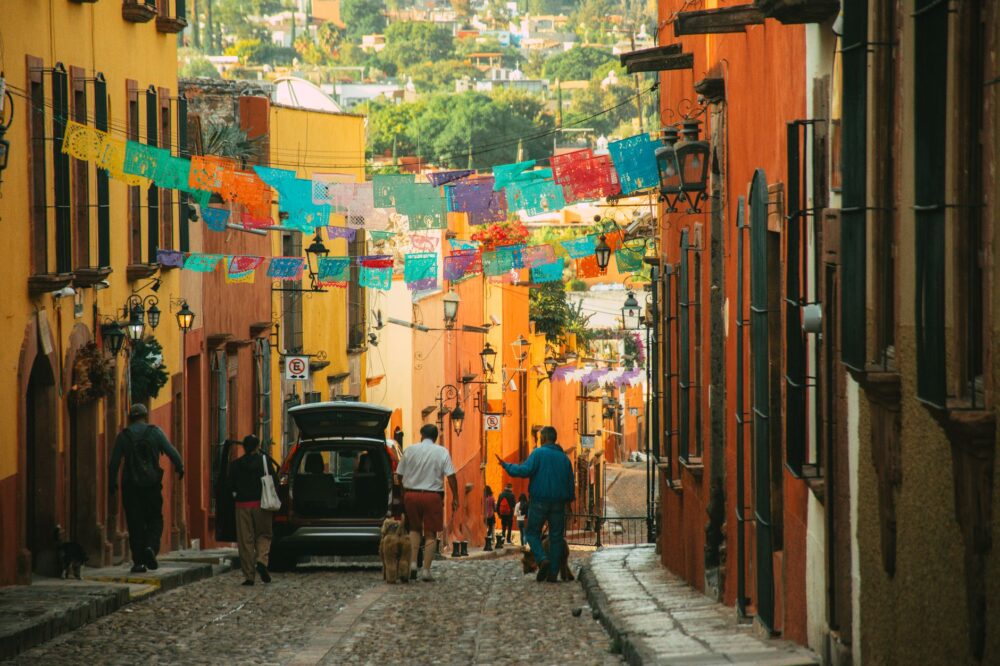
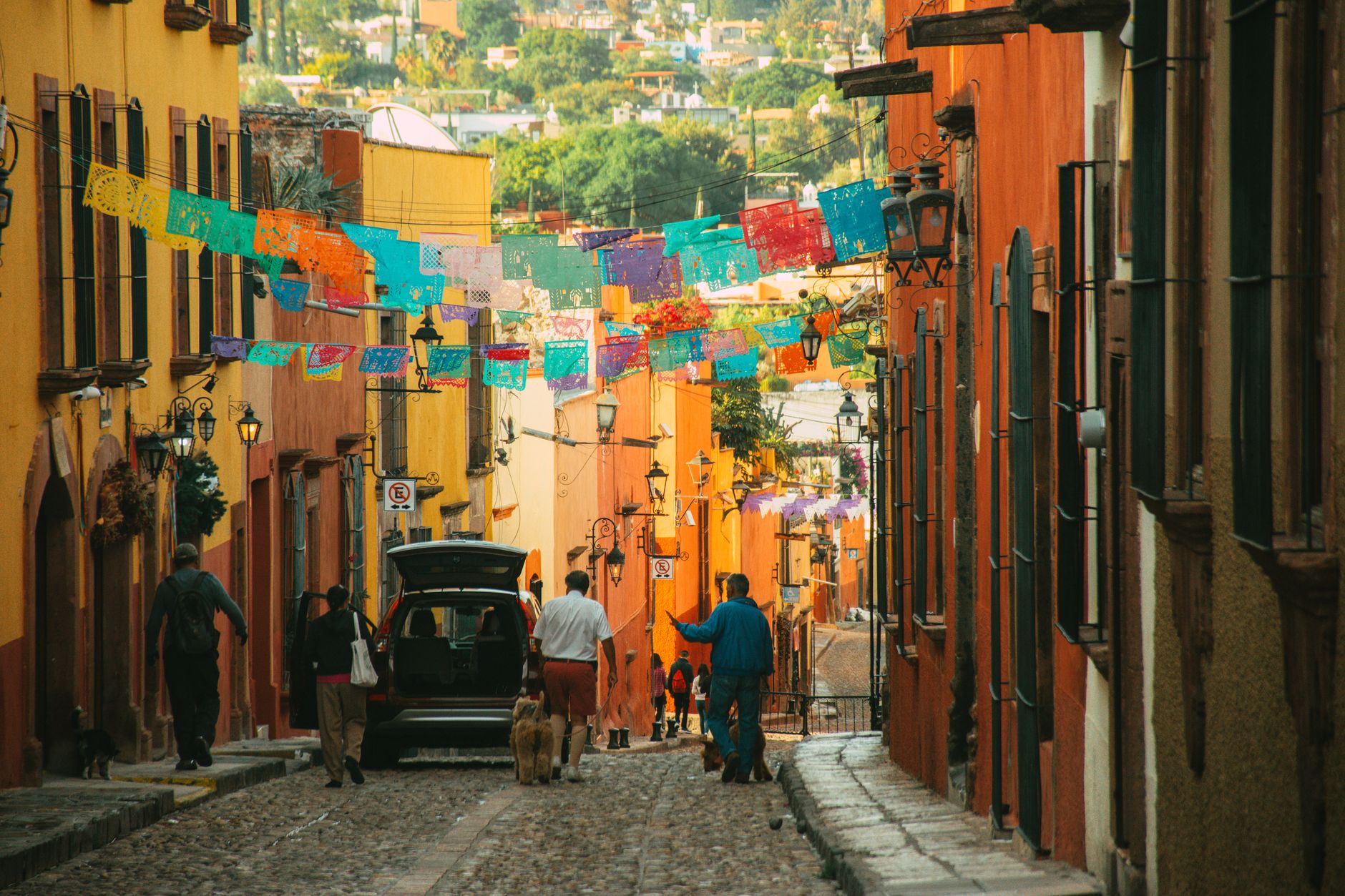
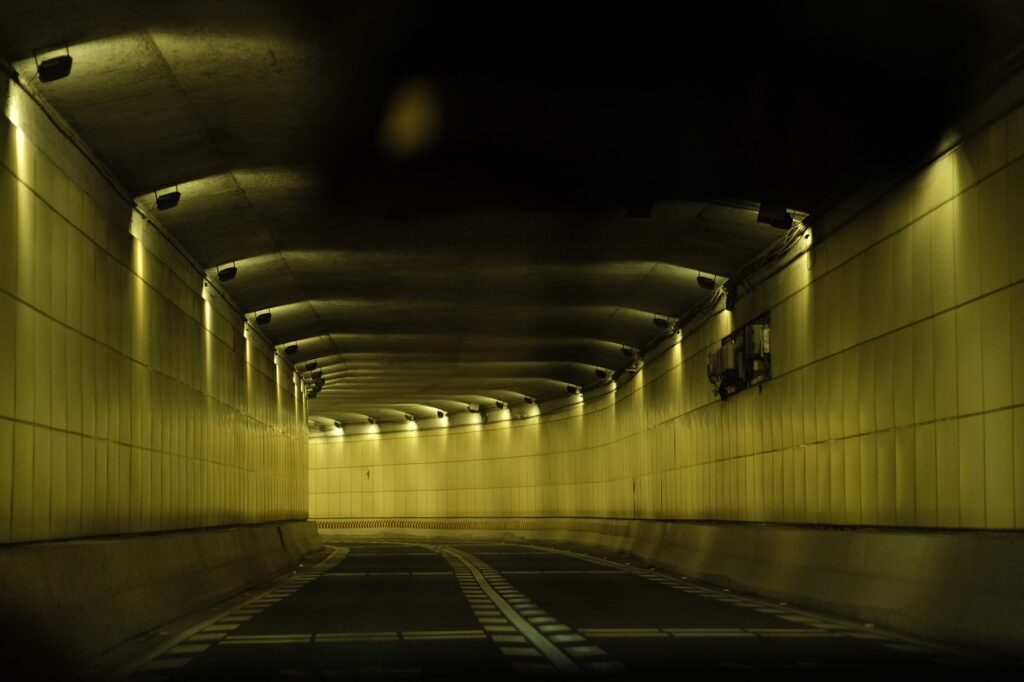
In cities like Guanajuato capital and San Miguel de Allende, visitors encounter an urban layout that surprises the Japanese traveler with its complex urban geometry. The underground streets—former riverbeds diverted to prevent flooding—evoke subterranean engineering that dialogues perfectly with the Japanese fascination for space optimization and infrastructural development adapted to topography. Cantera stone and the subsoil thus become the first narrators of an experience that blends baroque monumentality with the intimacy of alleyways.
Historical Mining as a Museum and Experiential Narrative
Guanajuato’s history is inseparable from silver. The Valenciana mine, at the height of its splendor, produced a fifth of all the silver in the world. For Japanese tourism, accustomed to valuing the technical mastery and human effort behind craft and industry, descending into the mine shafts represents an exercise in historical empathy. Local guides explain with technical rigor how the beneficiation plants and amalgamation patios worked, connecting the New Spain past with modern industrial memory.
Guanajuato’s silver not only financed transatlantic empires, but forged a community identity based on resilience and profound artisan labor.
This underground tour is complemented by a top-tier museum offering. The Alhóndiga de Granaditas Regional Museum provides the indispensable political and social context to understand Mexico’s independence, a tale of emancipation that resonates strongly in societies with a strong sense of sovereignty and historical honor.
The Aesthetics of Silence: Alleys, Plazas, and Cervantine Art
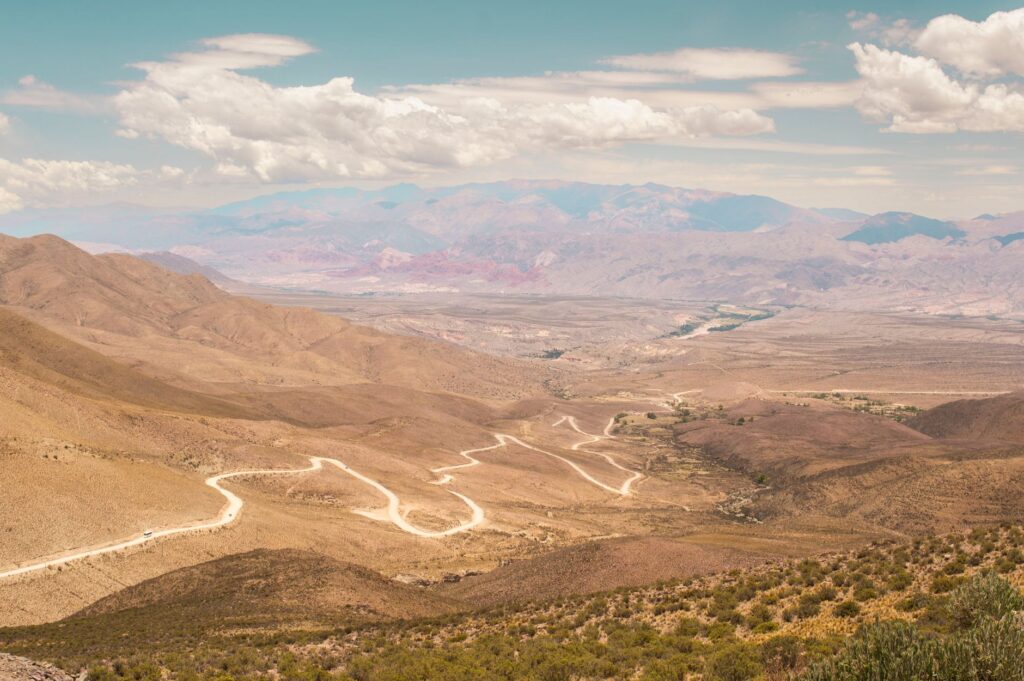
One of the strongest connection points between Japanese sensibility and Guanajuato’s spirit lies in the appreciation of art and architecture at a human scale. While modern metropolises impose verticality and speed, Guanajuato invites leisurely strolls. Tree-lined squares, balconies brimming with bougainvillea, and the play of light and shadow at dusk over pastel facades generate a contemplative atmosphere closely akin to the aesthetic concept of wabi-sabi, the beauty of imperfection and impermanence.
Furthermore, the International Cervantino Festival, considered Latin America’s most important cultural event, acts as a magnet for artists, creators, and spectators worldwide, including contingents from Japan. The presence of Japanese theater, dance, and music companies in past editions has demonstrated that Miguel de Cervantes’ universal humor and Asian scenic modernity share a language of emotionality and interpretive rigor.
Temples and Convents: Architecture as Spiritual Refuge
Guanajuato’s religious heritage is another great attraction promoted in international tourism missions. The Church of the Company of Jesus, with its Churrigueresque facade, and the Basilica Collegiate of Our Lady of Guanajuato, which houses the venerated image gifted by King Charles I of Spain in the 16th century, showcase a sumptuousness that contrasts and complements the sobriety of Augustinian and Franciscan convents scattered throughout the state.
For the international traveler, these spaces are not mere architectural monuments, but refuges of peace where time seems to stand still. The acoustics of their naves, the scent of Campeche beeswax, and the twilight illuminated by stained glass create a complete sensory experience rigorously valued by long-distance cultural tourism.
Gastronomy of Origin: From Heirloom Corn to Author Cuisine
Modern tourism promotion cannot be understood without flavor. Guanajuato’s gastronomy, recently recognized globally, has successfully conquered the Japanese palate thanks to its respect for endemic ingredients and ancestral techniques. Heirloom corn, prickly pears, xoconostles, and local chilis form the basis of a cuisine combining Chichimeca and Otomi heritage with Spanish conventual influence.
Guanajuato chefs have reinterpreted these elements through author cuisine, achieving a perfect pairing with the region’s wines—a winemaking industry in full renaissance already harvesting international awards. This culinary sophistication breaks with fast-food stereotypes and positions the state as a high-end gastronomic destination, ideal for Japanese travelers whose culture places supreme value on the origin, temporality, and seasonality of food.
Mezcal and Tequila: Distilled Spirits with Appellation of Origin
The state shares zones with appellations of origin for both tequila and mezcal. In municipalities like Pénjamo and San Luis de la Paz, tequila haciendas and artisanal agave distillate distilleries offer guided tastings explaining the life cycle of blue and wild agaves. The rigor in cooking, fermentation, and distillation processes fascinates oriental visitors, accustomed to technical precision in crafting traditional beverages like sake or whisky.
Crafts and Design: The Persistence of Fire and Clay
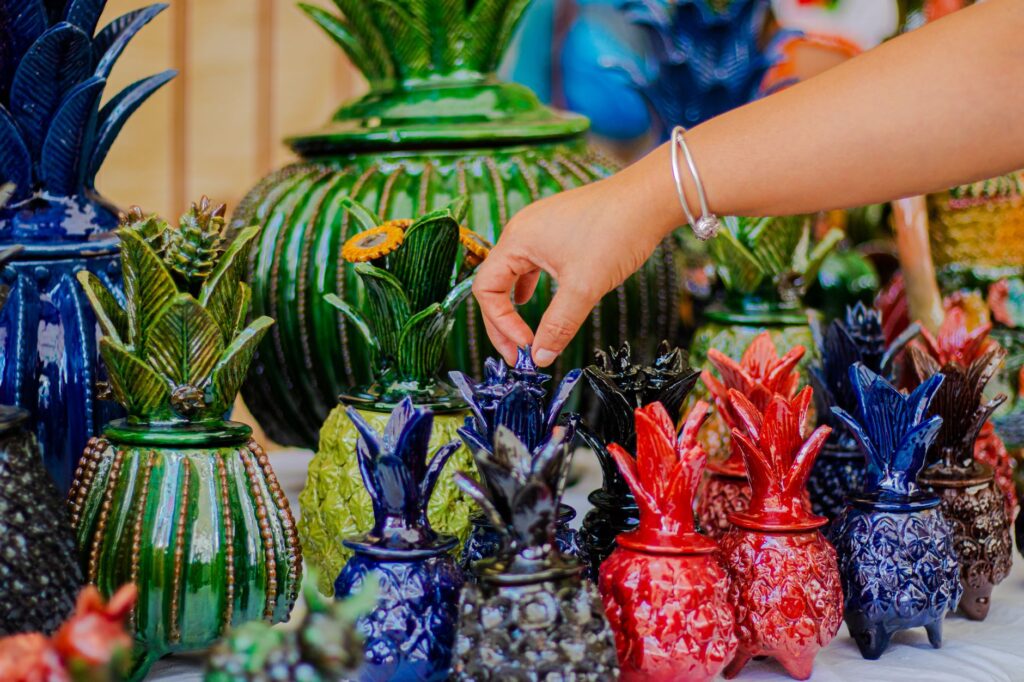
Artisanal work in Guanajuato is a living testimony to cultural continuity. In Dolores Hidalgo, cradle of National Independence, pottery and majolica ceramics maintain techniques introduced during the viceroic era, reinterpreted generation after generation. Each hand-painted piece reflects a patience and steady hand finding a direct echo in Japan’s ceramic tradition, such as kutani or bizen art.
The value of an artisanal piece lies in hours of invisible craftsmanship and the soul the artisan deposits in every brushstroke.
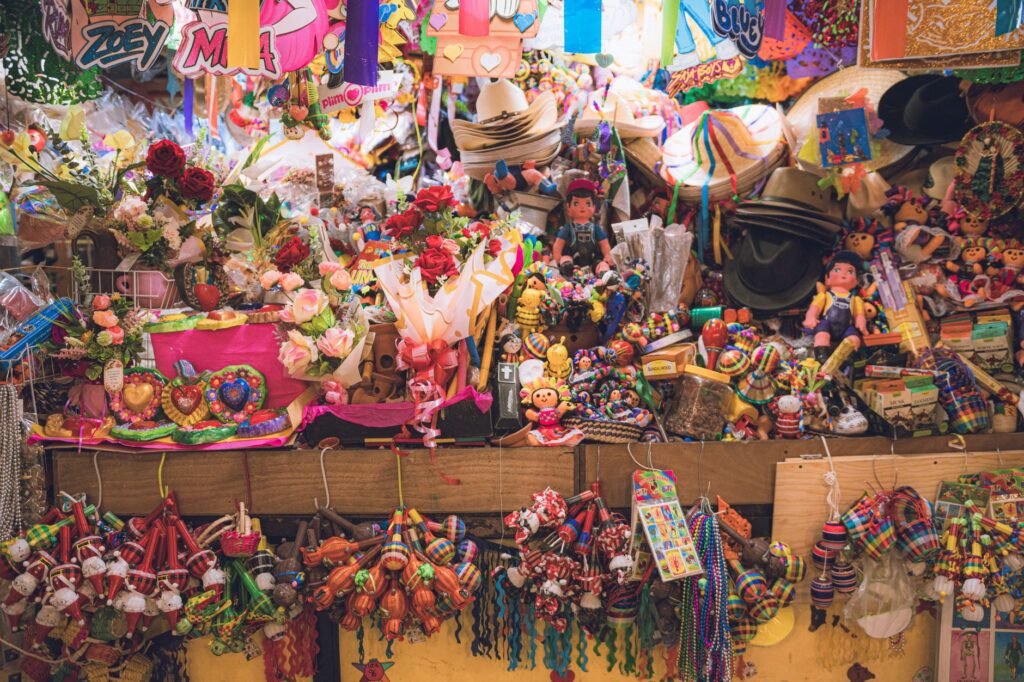
Likewise, popular wooden and tin toys, wool weaving in the municipality of Coroneo, and fine leather goods demonstrate that Guanajuato’s creative economy is robust and diversified. The promotion strategy in Japan has placed special emphasis on directly connecting master artisans with international galleries and buyers interested in fair trade and author design.
Practical guide
How to get there: Guanajuato International Airport (BJX) receives domestic and international flights with smooth connections from Mexico City and Tijuana. From Japan, the most common route includes layovers in US West Coast airports or Mexico City.
When to go: The ideal season runs from October to May, when the weather is dry and temperate, allowing comfortable walking through the alleys. October is especially recommended as it coincides with the International Cervantino Festival.
Accommodation: Offerings range from boutique hotels located in restored viceregal mansions in the historic centers of Guanajuato and San Miguel de Allende to wine haciendas in El Bajío.
Local transport: In historic districts, travel must be done on foot due to narrow streets. For inter-municipal transfers, authorized private transport or first-class bus lines are recommended.
Etiquette and respect: Punctuality on scheduled tours and absolute respect inside temples and archaeological zones are highly valued.
The Invisible Beat of Stone and Spirit
At the end of the journey, when colonial streetlamp lights begin to flicker over the slopes of Guanajuato’s hills, one understands that this territory’s true appeal does not reside solely in tourism figures or international promotion campaigns. It lies in its capacity to move the traveler through the persistence of its beauty. A baroque temple illuminated by twilight amber, the distant murmur of a guitar in a steep alleyway, and the hospitable smile of its people form a subtle symphony. For the Japanese visitor, accustomed to seeking harmony in the most secluded details of the world, Guanajuato reveals itself not only as a distant destination on the map, but as a warm mirror where universal heritage acquires a human, intimate, and deeply unforgettable face.
Source in EN: Guanajuato strengthens its tourism promotion in Japan – guanajuato.travel (Google News).