Financial X-ray of a journey to Japan: how much it truly costs to explore the Japanese archipelago
We thoroughly examine the budget required to travel to Japan from overseas, breaking down flights, lodging, domestic transport, and food based on current exchange rates and expert estimates.
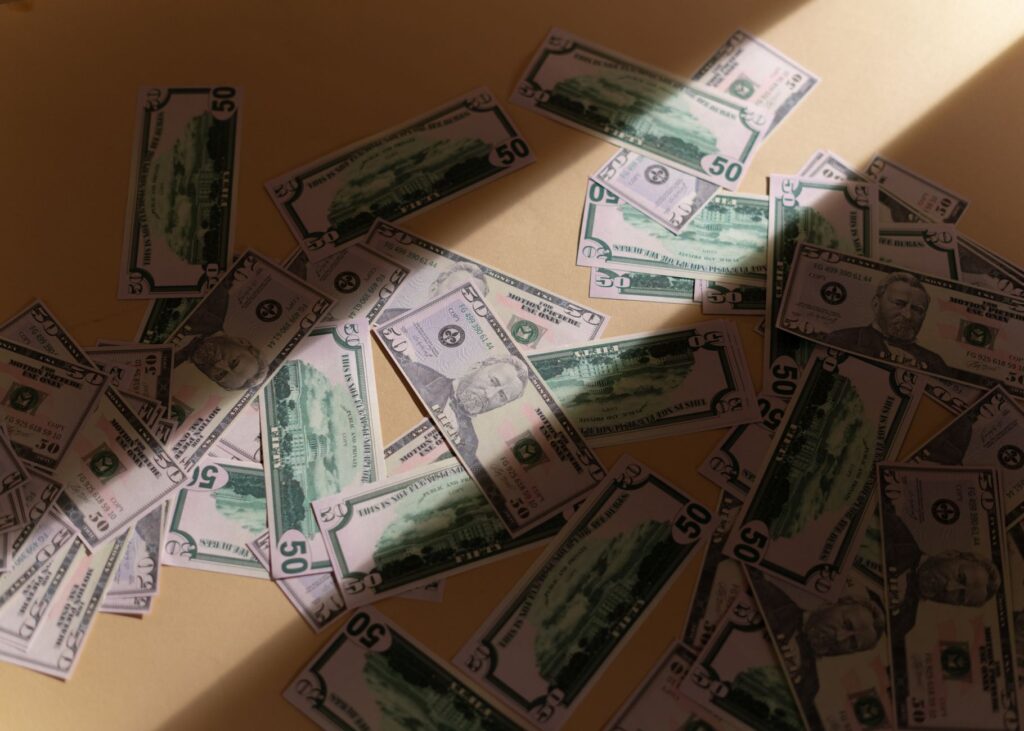
Planning a voyage to the Japanese archipelago is invariably accompanied by a blend of deep fascination and unavoidable financial doubts. Far from being a destination restricted exclusively to unreachable fortunes, Japan has evolved into an accessible mecca for travelers from diverse backgrounds, provided there is rigorous discipline in resource allocation. This financial analysis takes as a reference the data and estimates shared by specialized media outlet Alan x el Mundo, setting the economic outlook as of September 2026, when the exchange rate stands at approximately one Mexican peso for every 9.14 Japanese yen.
Understanding the monetary balance between the traveler’s home currency and the Japanese currency is the indispensable foundation for any realistic estimation. Demystifying the costs associated with this Asian giant requires examining every budget item under a magnifying glass, from the exact moment the plane ticket is purchased to the last snack consumed at a train station. Throughout this report, we will examine the key items that determine the total cost of the adventure, offering a structured guide so that every traveler can map out their route with mathematical precision and peace of mind.
The transcontinental flight: the largest initial investment
The first major financial hurdle on the road to Japan is undoubtedly international air transportation. Departing from major global hubs, airline ticket costs represent a very substantial portion of the overall budget. Prices vary drastically depending on the chosen season, how far in advance the purchase is made, and the necessary layovers to complete the transpacific journey.
Opting for airlines with layovers in North America or directly at some point on the Asian continent is usually the most common strategy to cushion the financial blow. However, it is vital to consider the transit migration requirements that such points may demand. Booking flights well in advance is not a minor recommendation, as fares tend to skyrocket exponentially as the departure date approaches.
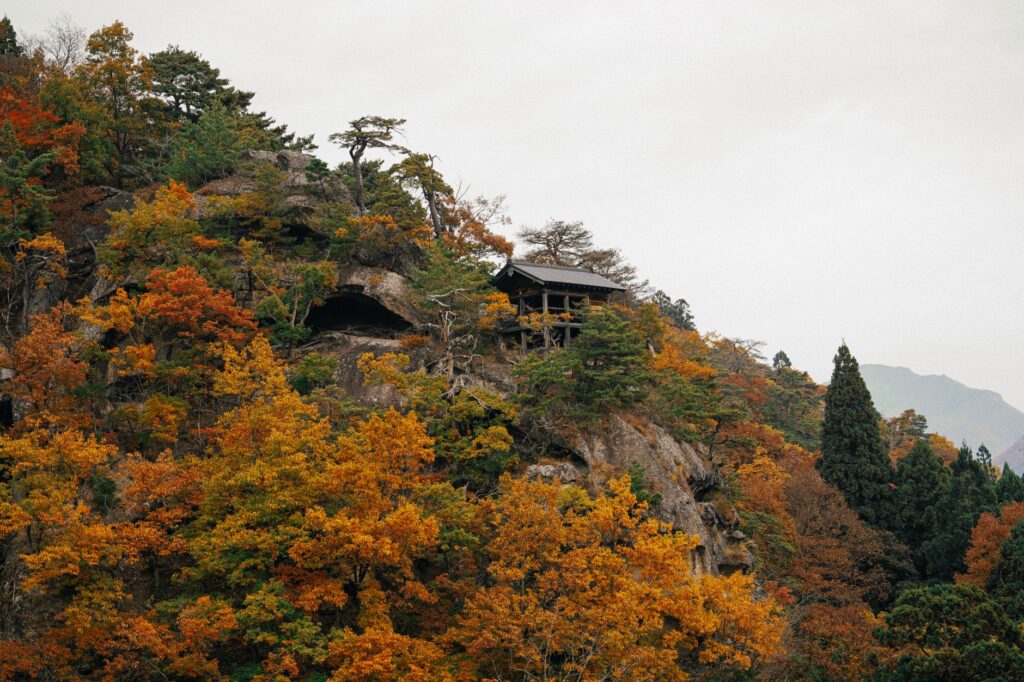
Within this air planning, travelers must consider high-demand seasons such as spring, coinciding with the coveted cherry blossom season, or autumn, when the foliage acquires exceptional reddish tones. Traveling during the low season, in the winter months or the weeks following summer, can mean substantial savings in this category, freeing up valuable funds for enjoyment at the destination.
Lodging in Japan: between tradition and functionality
Once air travel is secured, the next pillar in the cost structure is accommodation. The hotel offer in Japanese territory is as vast as it is diverse, adapting to any pocket if searched with intelligence. From traditional ryokans with tatami mats and hot spring baths to efficient capsule hotels and reduced-size business chains, options multiply across every prefecture.
For those looking to optimize daily spending, hostels and private rooms in shared accommodation platforms offer clean and functional beds at highly competitive prices. On the other hand, urban mid-range hotels guarantee a strategic location near major public transit lines, which more than compensates for their slightly higher rate by reducing internal travel costs and times.
The secret to staying overnight in Japan without unbalancing finances lies in balancing geographical location with the type of establishment, prioritizing proximity to railway stations over superficial luxury.
It is essential to remember that rooms in major metropolises like Tokyo or Kyoto tend to be noticeably more compact than Western standards. When budgeting for this item, a daily average should be calculated that maintains comfort without sacrificing the economic viability of the entire trip.
The railway network and internal transport
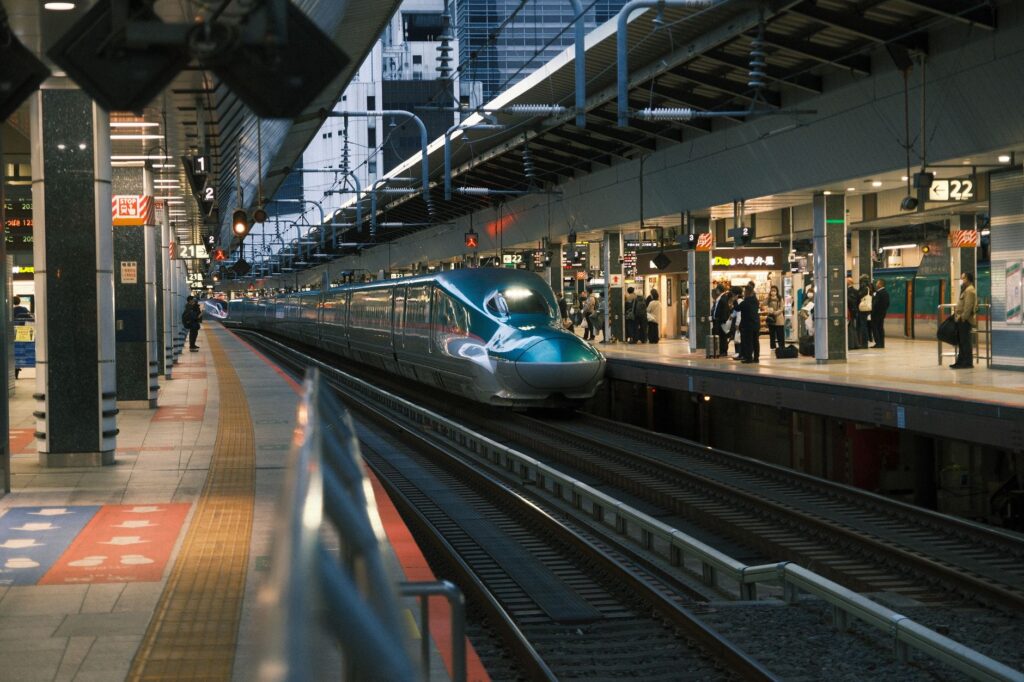
Getting around a country whose transport infrastructure is globally renowned for punctuality and efficiency is a fascinating experience, but it also requires detailed financial calculation. Bullet trains, or Shinkansen, operated by the Japan Railways group, connect major cities with astonishing speed, although individual fares can accumulate rapidly.
Daily urban commutes, carried out mainly through subway networks and local trains, demand the use of rechargeable transit cards like Suica or Pasmo. Controlling transportation expenses requires mapping out logical routes that avoid unnecessary or duplicated journeys between cities, carefully evaluating whether regional passes remain cost-effective compared to buying individual tickets following recent tariff adjustments.
Likewise, long-distance overnight buses stand out as an excellent alternative for travelers on tighter budgets. While they involve sacrificing some comfort compared to high-speed trains, they save the cost of a night’s lodging while moving toward the next destination on the itinerary.
The gastronomic universe: eating well without emptying pockets
Far from the myth that eating in Japan is a prohibitive luxury, the country’s culinary reality offers a democratic range spanning from haute cuisine with Michelin stars to modest street food stalls and local fast-food chains. Japanese gastronomy is a tourist attraction in its own right, and managing this budget is an essential part of the experience.
The famous convenience stores, popularly known as kombini—such as 7-Eleven, Lawson, or FamilyMart—are true financial lifesavers. In them, it is possible to acquire portions of fresh food, sandwiches, onigiris, and high-quality bentos at remarkably affordable prices, ideal for a quick lunch during intense sightseeing days.
Light breakfasts at local bakeries or budget coffee chains.
Formal meals in ramen shops, gyudon restaurants, or conveyor-belt sushi chains.
Relaxed dinners in traditional izakayas where various small dishes are shared.
Snacks and beverages purchased from vending machines distributed on every corner.
Activities, culture, and unexpected shopping
The cost of accessing temples, shrines, museums, and observation decks is usually quite affordable compared to other world capitals. Many historical religious sites do not charge admission or require symbolic donations, though landscaped gardens and skyscraper viewpoints do have fixed rates that must be included in the daily log.
The category of shopping and personal souvenirs deserves a separate mention due to the constant temptation represented by hundred-yen shops, traditional markets, and large commercial electronics and fashion centers. Establishing a strict monetary cap for this concept prevents small, ant-sized expenses from compromising the remainder of the general budget.
Practical guide
How to make payments abroad? Combine the use of international credit or debit cards with zero foreign transaction fees with carrying physical cash in yen for small establishments and rural temples.
What is the best time to visit the country? The autumn months (September to November) and spring (March to May) offer mild weather, though they require earlier reservations and a slightly higher budget.
How to optimize mobile internet usage? Acquire a digital eSIM card before leaving or rent a Pocket Wi-Fi device at the airport upon arrival to maintain constant connectivity without paying excessive roaming fees.
Is tipping mandatory? No. In Japan, tipping does not exist culturally and can even be considered an offense or cause confusion among service staff.
What documents should be prepared in advance? Verify the validity of your passport and current visa requirements or digital tourist registrations for your nationality before issuing any final payments.
Emotional balance and economic conclusions of the route
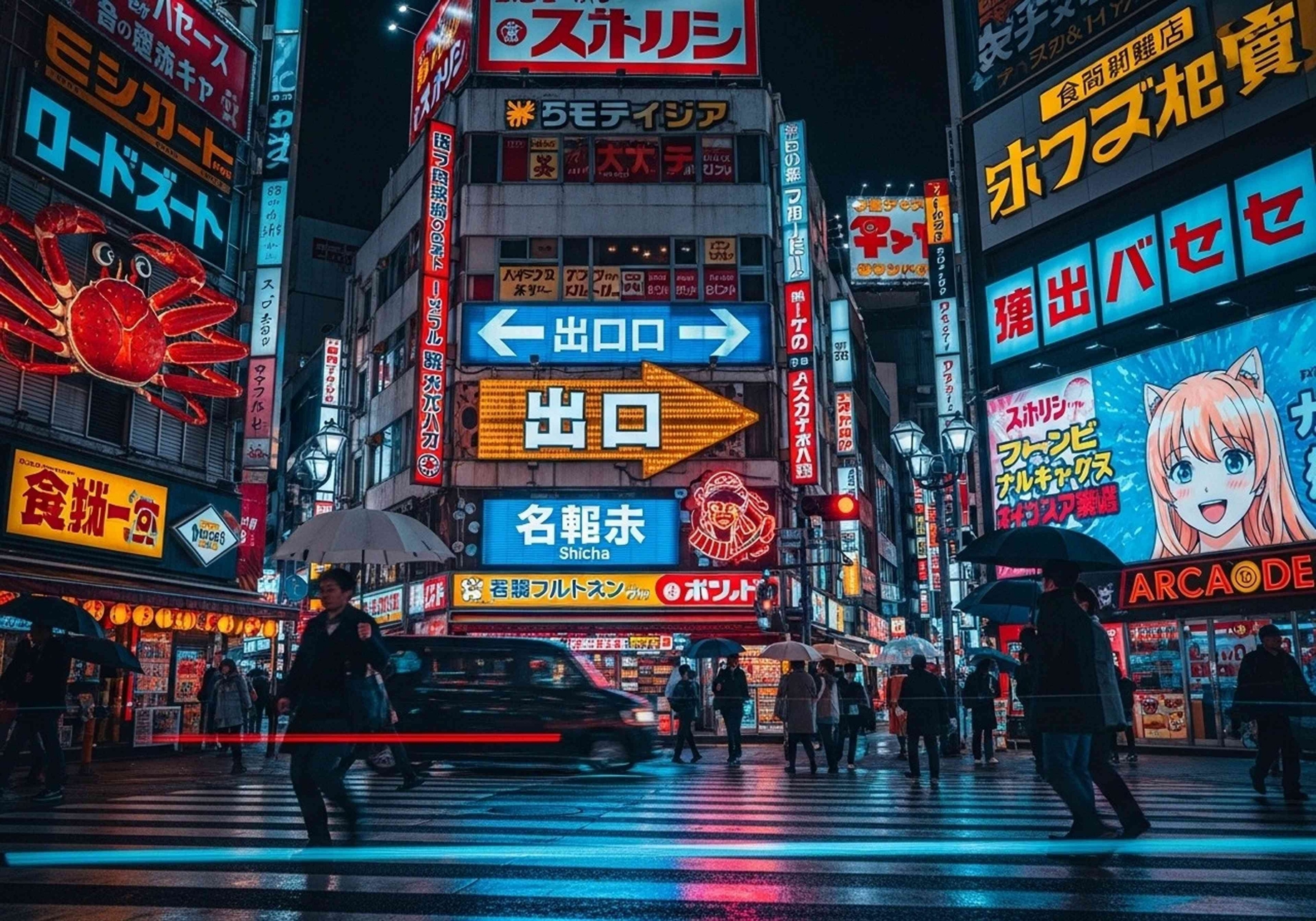
Facing a journey of this magnitude transcends the simple mathematical sum of tickets, lodging, and food; it is an exercise in personal transformation where financial peace of mind translates directly into a capacity for wonder. Knowing that every yen has been budgeted with a cool head allows one to surrender completely to the murmur of a bamboo forest in Kyoto or the luminous trail of Tokyo at nightfall.
At the end of the journey, the economic investment made transforms into an incalculable collection of human experiences, cultural learnings, and indelible memories. Rigorous planning does not subtract magic from the adventure; on the contrary, it builds the secure scaffolding that sustains the freedom to explore the world with the certainty of having made conscious and well-informed financial decisions.
Source in EN: Alan x el Mundo – Cuánto cuesta viajar a Japón (https://alanxelmundo.com/cuanto-cuesta-viajar-a-japon?utm_source=rss&utm_medium=rss&utm_campaign=cuanto-cuesta-viajar-a-japon)
ATLAS LUME · ANTES DE VIAJAR
Una lectura que continúa en el destino
DocumentaciónComprueba visados, requisitos sanitarios y vigencia de documentos en fuentes oficiales.
ReservasConfirma el precio final, impuestos y condiciones directamente con el proveedor.
Viaje responsableRespeta las comunidades, el patrimonio y los ecosistemas locales.