
Modernism as a living organism
Antoni Gaudí’s architecture has rarely understood static museums. Originally conceived as a summer retreat bathed in the light of Barcelona’s Gràcia neighborhood, Casa Vicens stepped out of its condition as a visitable monument to become, for a single night, the epicenter of national and international contemporary creation. On the occasion of the fourth edition of the AD100 awards, the magazine summoned creators, architects, interior designers, and collectors in an exercise of spatial archaeology where the past is not merely contemplated, but inhabited anew.
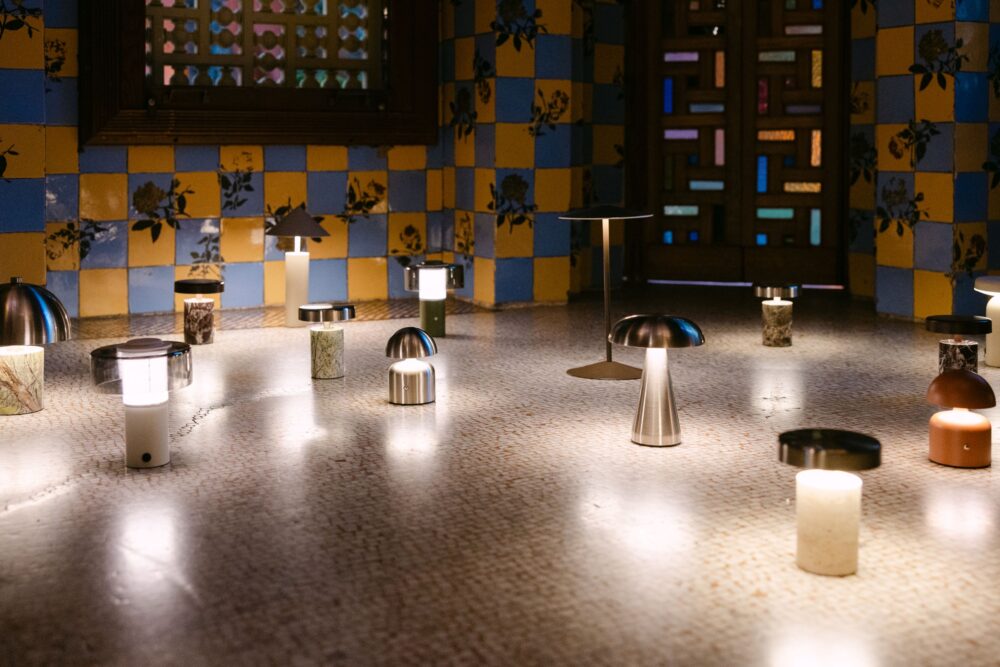
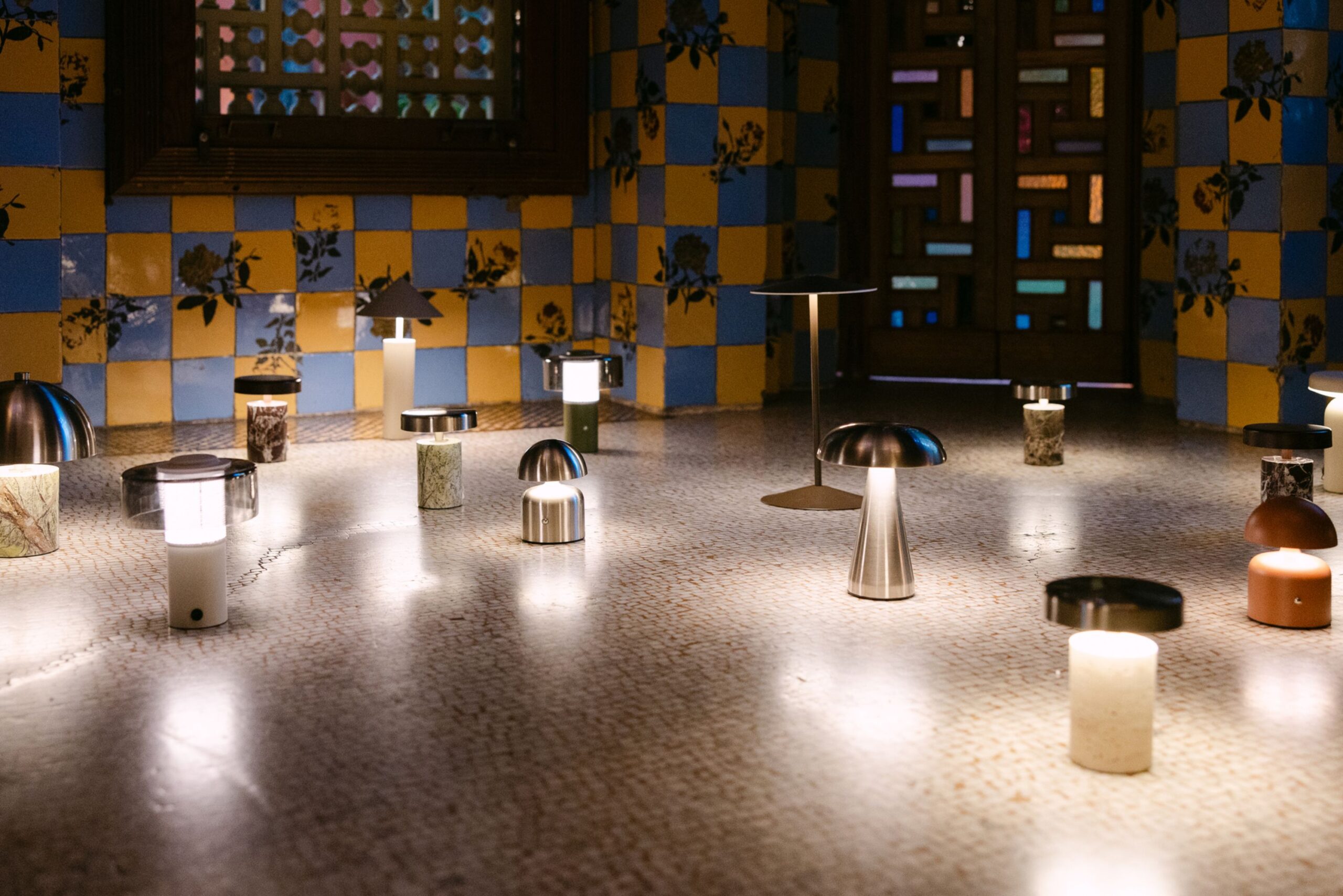
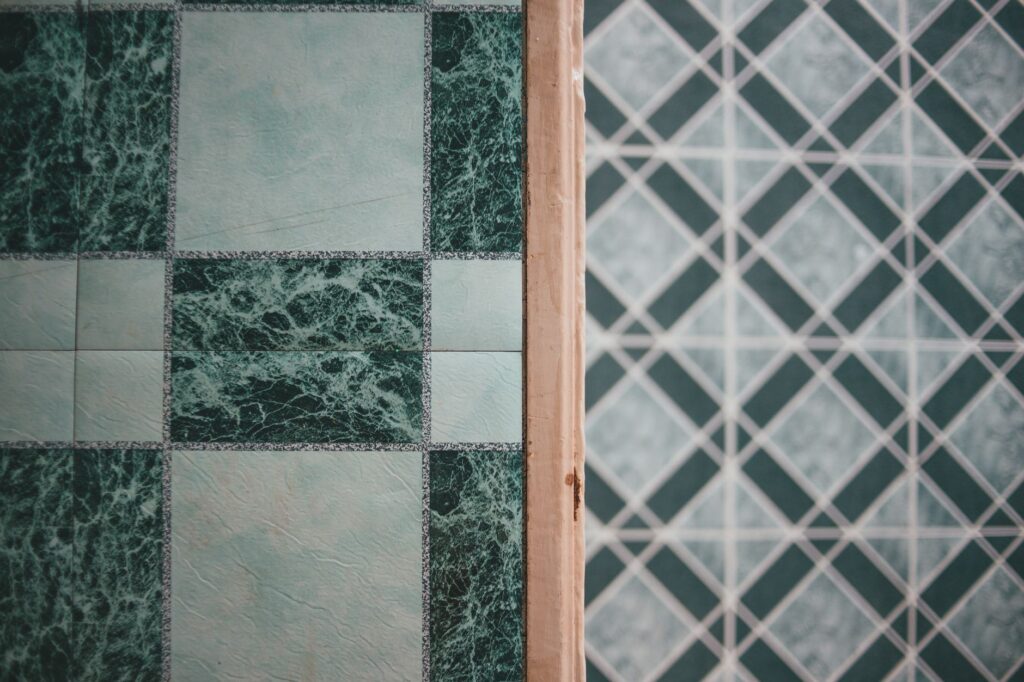
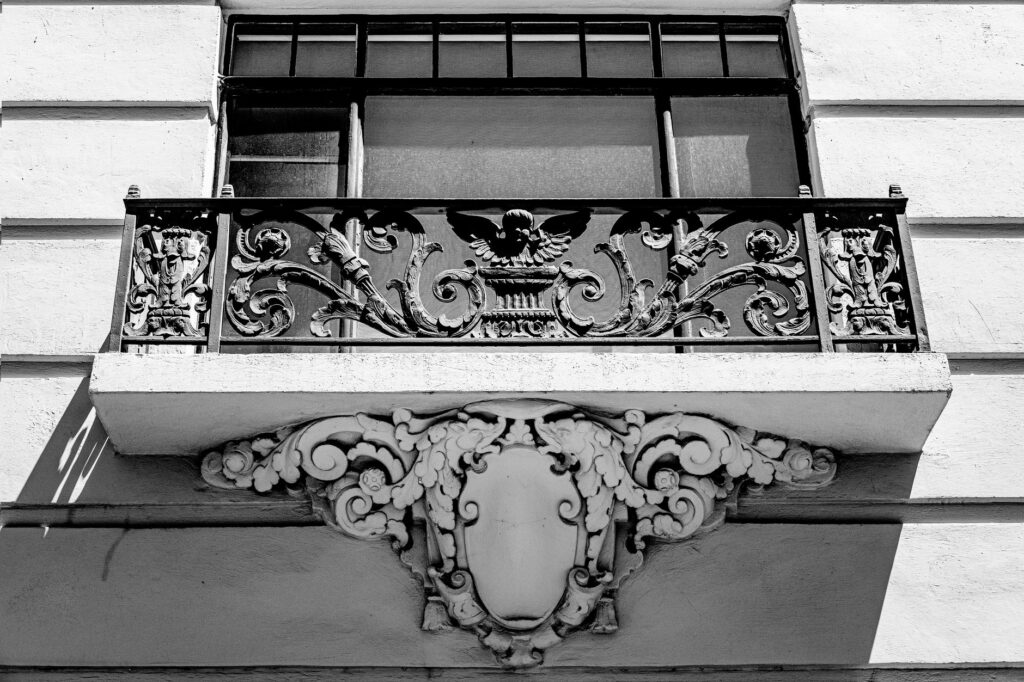
The challenge was substantial. Intervening in a space declared a UNESCO World Heritage Site demands extreme delicacy, an exercise in restraint, and at the same time, conceptual daring capable of sustaining the pulse with the exuberant ornamentation of the young Gaudí. Far from the neutrality of white exhibition cubes, the salons and courtyards of the house responded organically to the arrival of the most innovative pieces signed by design firm Sklum, integrating into the Nazarene-inspired tiles and wrought ironwork with unsettling naturalness.
Materiality as a dialogue between centuries
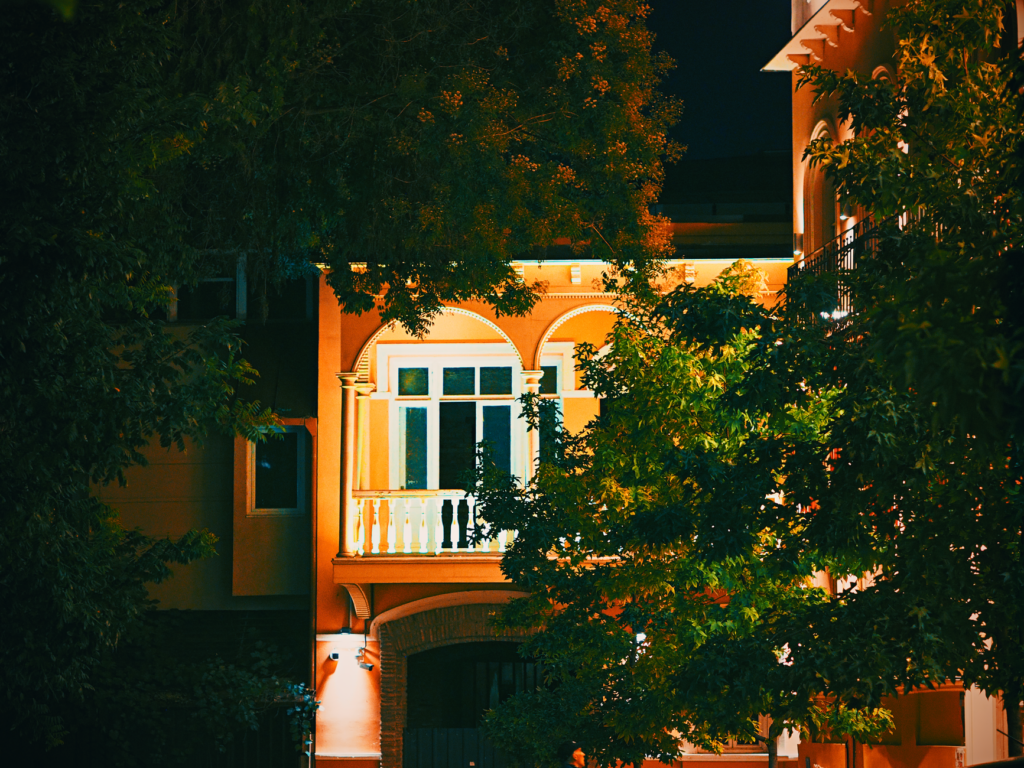
From the moment guests crossed the threshold, the atmosphere differed radically from the usual daytime visit. The strategic dimming designed for the occasion outlined the silhouettes of the vegetation on the façade, an original work of green and white tiles imitating fan palm leaves, while the interior filled with tactile textures and sculptural volumes. The artistic intervention was led by a carefully curated selection of contemporary furniture dominated by clean lines, noble materials stripped of artifice, and a color palette that conversed directly with the terracotta, ochre, and powdery green tones of the building.
Gaudí’s architecture is, in essence, an extension of nature, a postulate that the artistic direction of the evening read with millimetric precision. The chairs, tables, and lamps arranged in the dining rooms and the main floor did not compete with the papier-mâché coffered ceilings or the ceramic-clad walls; on the contrary, they underlined them. Each object seemed to have been there forever, waiting for the moment when the light of contemporary design lamps would reveal the hidden nuances of the stuccos and floral details that the architect projected between 1883 and 1885 for the broker Manuel Vicens i Montaner.
The pulse of current creation within an icon
The guest list reflected the vitality of the design sector in Spain. Internationally renowned architects, established studios, and young promises who form part of the select AD100 list shared space with local artisans, textile editors, and gallerists. In the corridors where the footsteps of the 19th-century Catalan bourgeoisie once echoed, debates arose regarding the urgency of rethinking sustainability in construction, the recovery of endangered crafts, and the need to integrate technology into artisanal processes without losing the soul of the object.
True innovation in design does not consist in inventing forms out of nothing, but in giving new meaning to the structures that history has bequeathed to us.
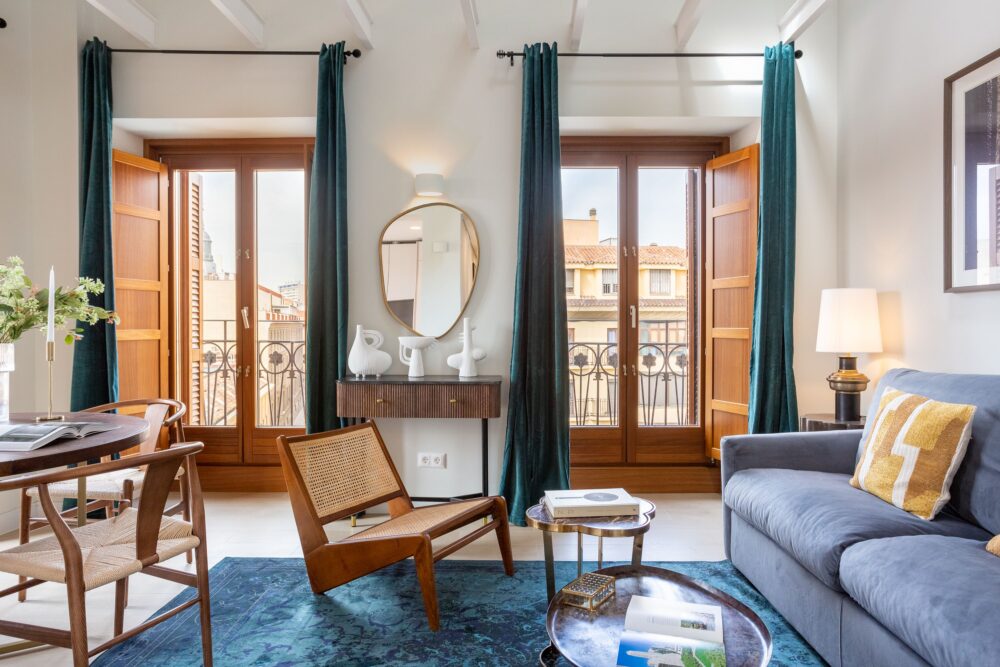
This exchange of ideas materialized in small groups gathered by the garden fountains and beneath the shadow of the main balcony. The presence of Sklum as a strategic partner for the evening provided a very concrete reading on the democratization of auteur aesthetics, demonstrating that pieces with bold lines and conscious manufacturing find a home in both the most avant-garde lofts and modernist palaces. The organic shapes of the seating, with their sinuous curves, felt like a direct echo of the structural theories that Gaudí first tested on this Barcelona plot.
Geometry at the service of emotion
As the night progressed, the spaces of Casa Vicens transformed into a luminous choreography. The upper floor, dedicated to the building’s permanent exhibition, served as a reflective contrast against the hustle and bustle of the ground floor. There, the explanatory panels on the architect’s construction methods—based on the catenary arch and the exhaustive study of natural forms—acquired a three-dimensional dimension thanks to the arrangement of ephemeral elements marking visual axes toward the exterior.
The domestic space as a total work of art was the central concept that hovered over the institutional speeches of the publication. The editors recalled that interior design in Spain is experiencing a moment of exceptional creative maturity, driven by a new generation of professionals who neither fear looking at the past with daring nor take risks in choosing materials. The coexistence between Sklum’s industrialized ceramics and traditional hydraulic tiles proved that aesthetic hybridization is the most fruitful path for renewing the contemporary habitat.
A journey behind the scenes of the event
Organizing an event of this magnitude in a protected building requires millimetric logistics that rarely reach the public eye. In the weeks prior, teams of restorers, lighting technicians, and assemblers worked during night hours to avoid any alteration to the original structure. Each support point of the auxiliary furniture was studied with engineers to ensure the integrity of the historic flooring, while sound equipment was invisibly integrated into the coffered ceilings to offer an immersive acoustic experience respectful of the rooms’ natural acoustics.
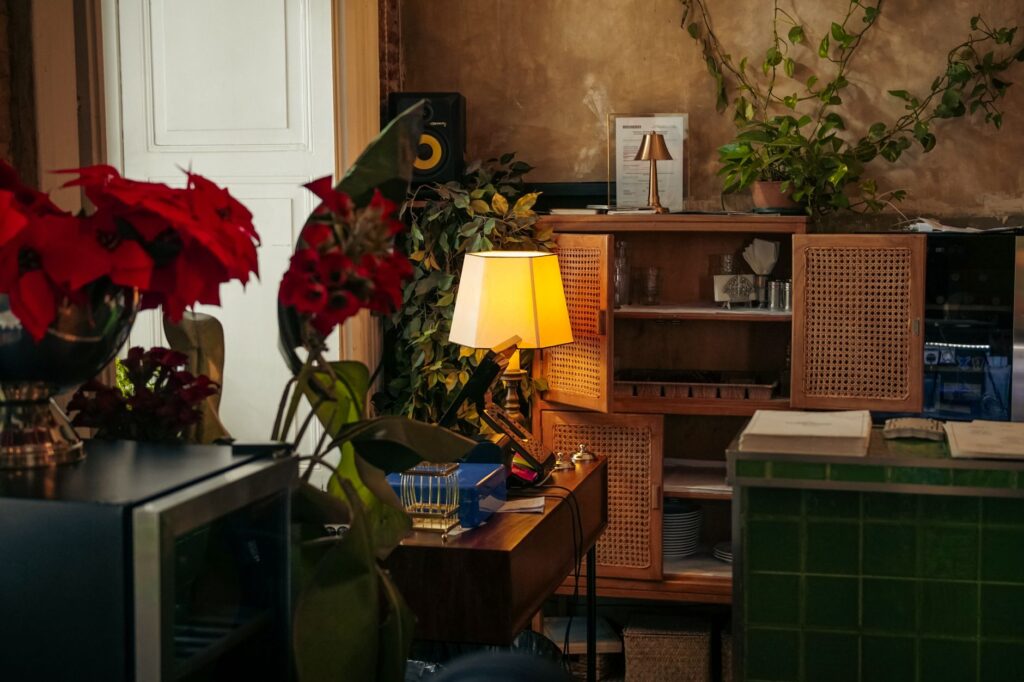
The result was an immersive experience that rewrote the rules of editorial presentation. Attendees did not come to a mere society party, but to a masterclass on how historical heritage can be reactivated through contemporary design without falling into pastiche or banality. Artificial lighting modeled the wall volumes, making reliefs visible that go unnoticed under the midday sun and revealing the totalizing ambition with which a young Gaudí conceived his magnum opus.
The ephemeral legacy redefining luxury
When midnight dissolved the evening and lights progressively dimmed at number 24 Carrer de les Carolines, the certainty lingered in the air that something significant had occurred within those walls. The AD100 night not only celebrated present talent; it demonstrated that the best way to honor a historic monument is not to keep it under a glass dome, but to allow it to converse with the creators of its time. Sklum’s daring in intervening in such a coveted space and the magazine’s vision in fostering this encounter consolidate Barcelona as an essential laboratory for international design.
The echoes of this evening will endure in the publication’s pages and in the memory of those who attended, reminding us that architecture and interior design are disciplines bound by the same will to transform the human environment into a more beautiful, habitable, and expressive place. For a few hours, Casa Vicens recovered the bustling, creative, and avant-garde spirit for which it was conceived over a century ago.
Practical guide
How to get there: Casa Vicens is located at 24-26 Carrer de les Carolines, in Barcelona’s Gràcia neighborhood. The nearest metro station is Fontana (Line 3), just a few minutes’ walk away. It is also accessible via numerous urban bus lines.
Regular visiting hours: The museum opens Monday through Sunday, although hours vary depending on the summer or winter season. Checking the official website before planning a visit is recommended, as capacity is limited to ensure the building’s preventive conservation.
Tickets and rates: Advance online booking is highly recommended. Reduced rates are available for students, visitors over 65, and people with functional diversity. Children under a certain age enter free when accompanied.
Accessibility: The historic building features partial adaptations due to its heritage cataloging, providing an elevator and ramps in areas enabled for visitors with reduced mobility.
Cultural surroundings: A visit to Casa Vicens can be complemented with a walk through the Gràcia neighborhood, known for its tree-lined squares, local shops, and vibrant cultural life away from the overcrowded circuits of the historic center.
Source in EN: Condé Nast Traveler Spain