
Sailing through the deep waters of the Vanuatu archipelago requires an understanding of the ancient fury of the South Pacific Ring of Fire. Here, where the Australian and Pacific tectonic plates constantly collide, nautical adventure tourism acquires a deeply technical dimension attuned to the rhythms of the ocean. Each passage between the islands of Tanna, Ambrym, and Pentecost represents an exercise in carefully reading trade winds, swell patterns, and the complex bathymetry of a constantly transforming barrier of volcanic reefs.
This report examines the reality of traditional sailboat expeditions across the southern and central islands of Vanuatu, stripping the experience of any commercial artifice. Through interviews with local navigators, current analysis, and a meticulous review of the minor port infrastructures of Port Vila and Luganville, we address the real logistical challenges faced by travelers willing to drop anchor in pristine coves where the only constant is the unpredictability of the tropical climate.
The dynamic geography of the Melanesian archipelago
The insular territory of Vanuatu stretches over a thousand kilometers from north to south, forming a double chain of eighty-three islands that act as a gigantic breakwater against the Pacific Ocean. The underwater morphology is dominated by abyssal trenches exceeding six thousand meters in depth, generating drastic disruptions in wave and wind patterns. For any expedition under sail, this translates to the obligation of calculating weather windows with extreme precision, avoiding narrow island passages during the most aggressive tidal shifts.
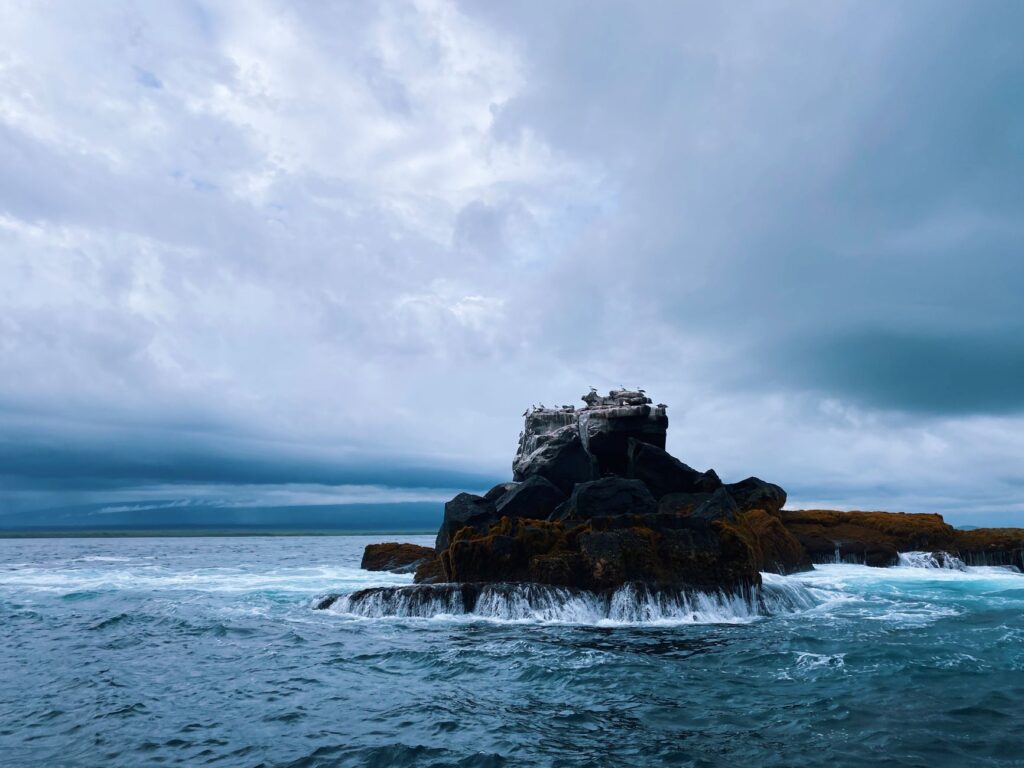
Tidal currents in channels such as the one separating Malekula from Ambrym can exceed five knots, turning a simple crossing from point to point into a vector calculation test for the skipper. Traditional nautical charts often fall short due to the constant uplift of the seabed caused by submarine volcanic activity. For this reason, the combined use of global positioning systems and visual observation of breakers over coral reefs is essential to prevent catastrophic groundings.
Trade winds and leeward microclimates
The wind regime in Vanuatu is governed by the southeast trade winds, which blow with maximum intensity between May and October. During this period, navigation in eastern channels exposed to the open sea demands vessels with excellent directional stability and crews experienced in emergency reefing. Conversely, leeward coasts offer temporary shelters, though the towering volcanic peaks of islands like Tanna generate local wind acceleration phenomena known as williwaw effects, capable of unleashing gale-force gusts within minutes.
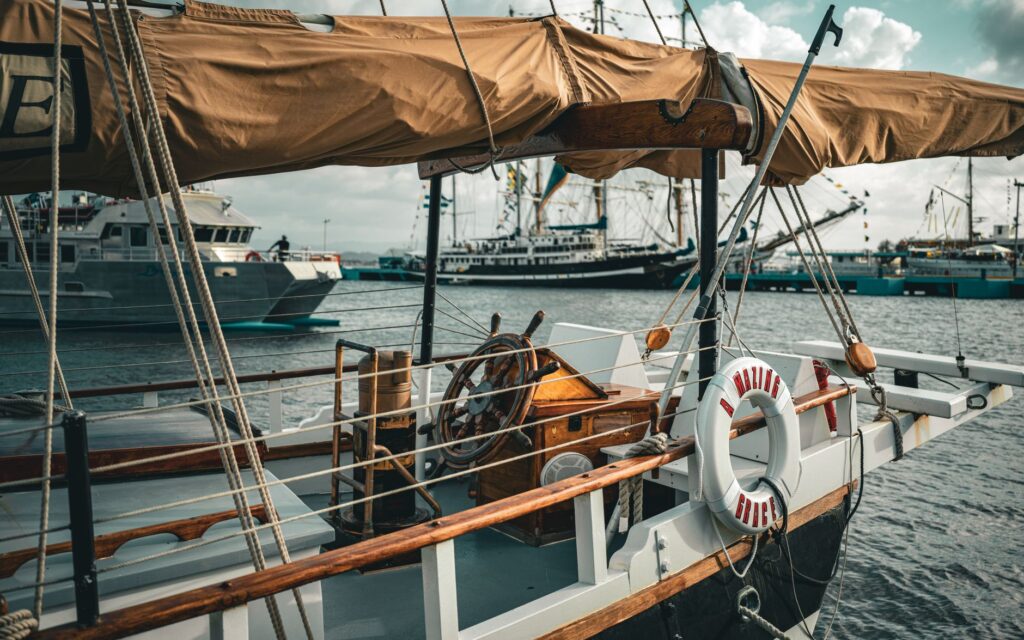
Managing the sailboat under these conditions requires absolute mastery of traditional rigging and an exhaustive review of running rigging before every departure. Secure anchorage zones are scarce and usually limited to small bays protected by barrier reefs where the depth drops off sharply, forcing the use of two-stage anchoring techniques with a bow anchor and a line ashore.

Port logistics and critical provisioning points
Nautical infrastructure in Vanuatu is concentrated almost entirely in the primary ports of Efate and Santo. Outside these enclaves, technical assistance is practically nonexistent. Long-duration expeditions must self-provision with diesel fuel, potable water, and fresh supplies before leaving commercial docks, calculating a safety margin of at least fifty percent over the estimated passage time due to the high probability of weather blockages.
Freshwater supply on minor islands depends on rainwater harvesting in sparse coastal settlements, a resource that must be rigorously treated through filtration and chemical purification before storage in the vessel’s tanks. Likewise, the management of solid and organic waste represents a considerable logistical challenge, as local communities lack industrial recycling or waste treatment systems, requiring the entire expedition to maintain a strict zero-discharge policy ashore.
The sea of Vanuatu does not yield to the haste of the contemporary traveler; it only grants passage to those who accept subordinating their itinerary to the inconstant pulse of wind and tide.
Emergency repairs at sea or in remote anchorages test the crew’s self-sufficiency. Carrying a complete inventory of auxiliary engine spare parts, riparian carpentry tools, spare sails, and fiberglass materials for quick repairs of hulls subjected to coral reef battering or floating logs from river floods following torrential rains is mandatory.
Cultural interaction and landfall permits
Vanuatu is a unique linguistic and cultural mosaic, with over a hundred distinct languages spoken across its territory. When dropping anchor at a remote island or atoll, customary law (locally known as kastom) requires strictly adhering to protocol before setting foot ashore. The sailboat skipper must locate the traditional chief of the local community and present a symbolic offering or pay the community anchorage fee, a fundamental act of respect that guarantees the safety of the vessel and crew during the stay.
Ignoring these traditional norms can lead to immediate landing bans or complex local conflicts. Coastal communities depend directly on the health of their territorial waters for subsistence fishing, so anchoring on regenerated reef areas or unauthorized fishing is strictly prohibited and closely monitored by local guardians.
The barter economy in coastal villages
On many of the islands visited during the traverse, fiat currency holds secondary value compared to the direct exchange of useful goods. Experienced crews often carry specific supplies aboard such as hand tools, durable kitchen utensils, fishing lines, and basic textiles to facilitate exchange for fresh agricultural produce like yams, taro, papayas, and freshly caught reef fish.
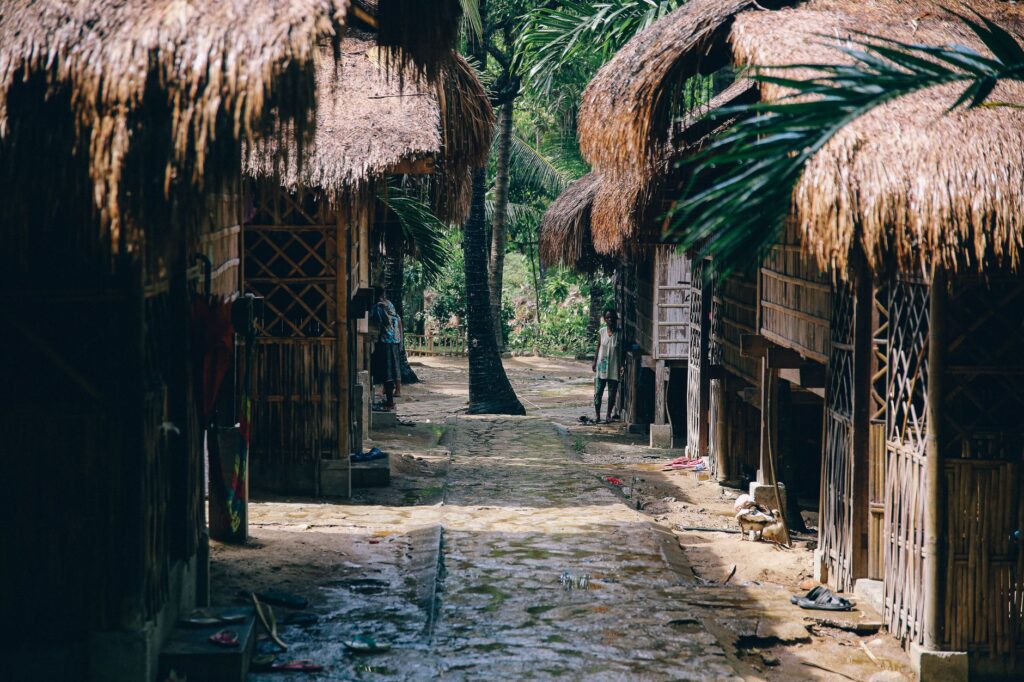
This barter economy model not only enriches the human experience of the journey but fosters a symbiotic and respectful relationship with coastal inhabitants, steering nautical tourism away from the traditional extractive model and transforming it into a balanced, sustainable cultural exchange.
Maritime safety and protocols for natural disasters
Vanuatu’s location on the Ring of Fire implies living with permanent geological threats, ranging from submarine volcanic eruptions to earthquakes and tsunamis. Vessels operating in the area must keep VHF and SSB radio communication systems permanently tuned to coastal meteorological stations broadcasting early warning bulletins in Bislama and English.
In the event of a severe seismic activity alert with tsunami risk, the emergency protocol requires weighing anchors immediately and gaining deep water offshore, where the impact of vertical displacement waves is practically imperceptible, avoiding at all costs anchoring in shallow bays or enclosed estuaries where the funnel effect multiplies the destructive force of the sea.
Practical guide
- Documentation and visas: Passport valid for at least six months, onward ticket, and prior entry authorization issued by the Vanuatu Department of Customs and Immigration.
- Health and vaccinations: Yellow Fever vaccination certificate if arriving from endemic areas. Recommended malaria prophylaxis for certain outlying islands and strict precautions against mosquito-borne diseases.
- Official currency: Vatu (VUV). Carrying sufficient cash in local currency or US dollars for secondary ports is strongly advised, as ATMs are nonexistent outside Port Vila and Luganville.
- Best time for navigation: Between May and October, coinciding with the dry season and stable southeast trade winds, avoiding the tropical cyclone season (November to April).
- Mandatory technical equipment: Updated nautical charts, Emergency Position Indicating Radio Beacon (EPIRB), satellite navigation equipment, and redundant heavy anchoring systems.
The final echo of the Melanesian tide
When the sailboat cuts its engine in the final cove before returning to the home port, the ocean’s silence reclaims absolute authority over the crew. There are no more charts to plot or tidal calculations pending; only the rhythmic rolling of the hull over the dark surface of the Pacific and the distant glow of the Yasur volcano cutting against the starry horizon. This traverse is not measured in nautical miles traveled, but in the capacity to attune the human spirit to the relentless cadence of a planet that continues to carve itself out between fire and tide.