
Introduction to the Arctic Edge and Rail Engineering
Beyond the Arctic Circle, where solar light adopts impossible geometries during winter and stretches endlessly through the summer, civil engineering competes with geological harshness. The Ofoten Railway, popularly known as the iron ore line or Ofotbanen, represents one of the most formidable achievements of transport infrastructure in Northern Europe. It is not merely a railway track designed for freight or passenger transit, but a vital corridor connecting the mines of Kiruna in Sweden with the ice-free port of Narvik in Norway.
This report examines how the technical design of the track, adaptation to the vertical topography of the Norwegian fjords, and the logistical management of heavy convoys create an unparalleled travel experience for those seeking to understand the hidden gears of northern mobility. Through steep gorges, suspension bridges, and stations clinging to impossible slopes, the train defies an environment where the climate dictates operational rules and passengers experience the unhurried rhythm of an ancestral territory.
The Geopolitical Genesis of the Corridor Between Sweden and Norway
The construction of the Ofoten Railway, inaugurated in the early twentieth century after immense engineering efforts, responded to an urgent economic necessity: securing an Atlantic maritime outlet for the iron ore extracted deep within Swedish Lapland. During the coldest months, the Baltic Sea freezes, blocking eastern ports and paralyzing the export of raw materials essential for European heavy industry. The solution involved drilling through the Scandinavian mountain range and tracing a downward route toward the Ofoten Fjord, whose warm currents guarantee navigable waters year-round.
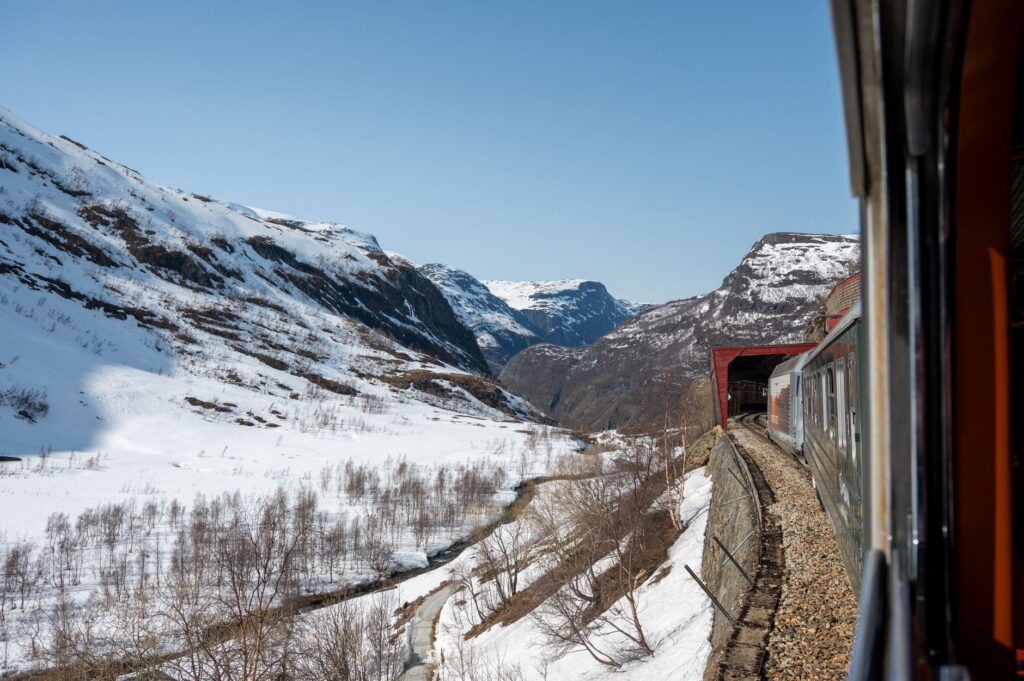
This commercial purpose radically transformed the region’s demographics. Small fishing and reindeer-herding settlements evolved into railway hubs equipped with maintenance workshops, telegraph infrastructure, and housing for operators. The arrival of the train marked the irruption of industrial modernity into a landscape previously dominated by the silence of the tundra. Today, the coexistence between the historical legacy of the pioneers who blasted the rock with dynamite and automated traffic control systems defines the operational identity of the route.
Extreme Topography and Constructive Solutions in Vertical Terrain
Along its barely forty kilometers within Norwegian territory, the layout overcomes a gradient exceeding five hundred meters from the coast to the Swedish border at Riksgränsen, forcing a steep and constant slope. The engineers of the era had to design a network of tunnels representing a significant portion of the route’s total length. Drilling through granite rock without modern heavy machinery demanded titanic human effort, where animal traction and primitive explosives exacted a high toll in lives and health among workers.
The result is a masterpiece of civil engineering where stone viaducts coexist with modern metallic structures designed to withstand snow avalanche impacts and polar winds. Every bridge and retaining stone wall responds to millimeter calculations to prevent rockfalls from disrupting circulation. For the traveler observing from the window, the sensation is that of floating over an abyss, suspended between vertical rock walls and the dark immensity of the fjord waters.
The Logistics of Heavy Ore and Coexistence with Passenger Traffic
Unlike other high-mountain tourist lines, the daily pulse of the Ofotbanen is marked by the constant passage of gigantic freight trains operated by the LKAB company. These convoys, formed by dozens of high-capacity wagons packed with iron ore pellets, advance with millimeter precision toward the unloading docks in Narvik. Coordination between these freight trains—whose total weight frequently exceeds eight thousand tonnes—and regular passenger services requires advanced signaling systems and strict management of single-track crossings.
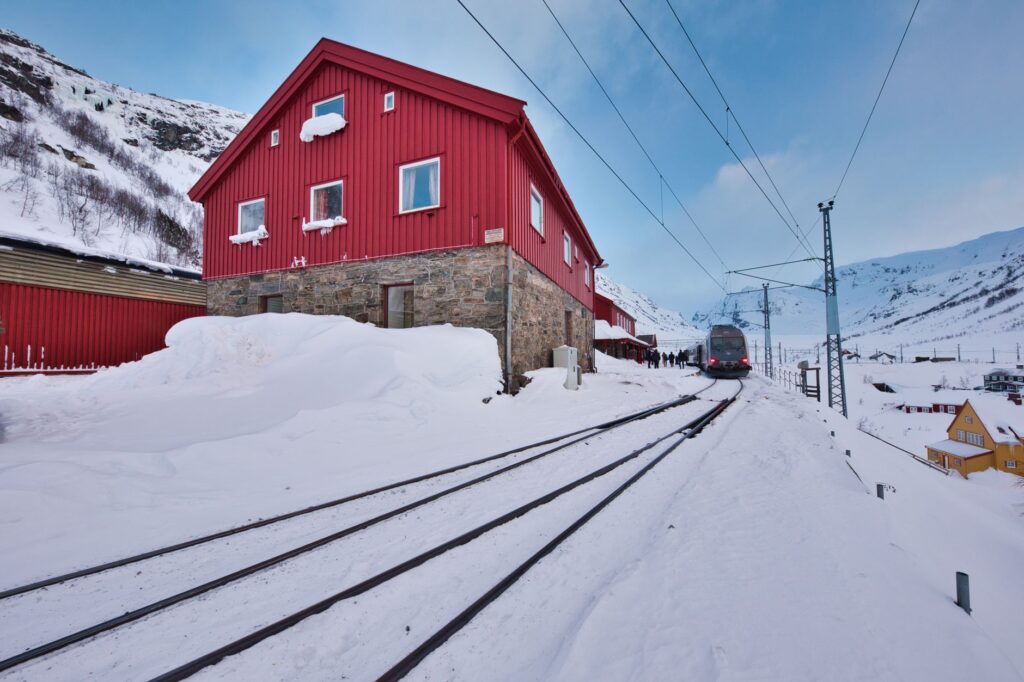
For transport and engineering enthusiasts, witnessing crossing maneuvers in remote stations like Katterat or Rombak constitutes one of the journey’s greatest attractions. Passenger trains, specifically adapted to operate in extreme cold conditions with reinforced heating systems and special insulation, share the track with these industrial monoliths, offering a unique perspective on the real economy of the Polar Circle.
Railway Architecture and Historic Shelters Along the Track
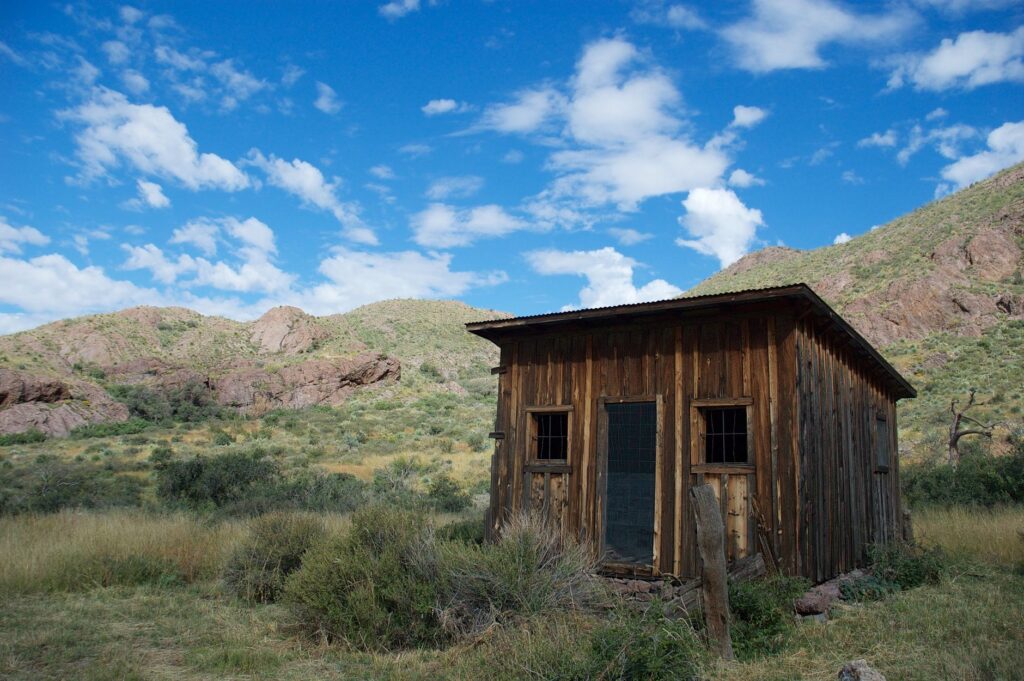
The stations punctuating the Ofoten route are not mere functional stops, but architectural testimonies from the early twentieth century. Built predominantly of wood with gabled roofs to prevent excessive snow accumulation, these structures reflect vernacular Norwegian architecture adapted to industrial demands. Buildings such as Bjørnfjell or Katterat maintain their original structure, recalling the days when track maintenance depended entirely on maintenance crews permanently residing on-site.
Many of these former railway lodgings have been converted into shelters for hikers and trekking enthusiasts traversing the historic Rallarveien trail, the service road built parallel to the tracks during the line’s construction. This network of refuges allows visitors to explore abandoned machinery remains, period camps, and old powder magazines, turning the journey into an archaeological immersion in the industrial history of the north.
Safety, Adverse Weather, and Winter Maintenance
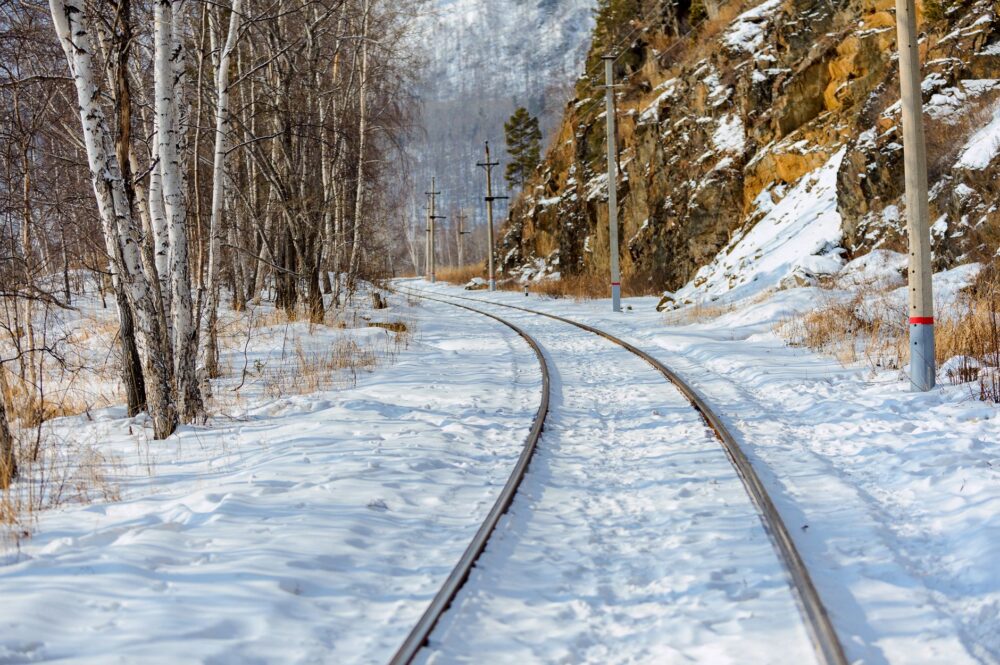
Operating a railway at the 68th parallel requires rigorous safety protocols and immediate response capacity against blizzards and snowstorms lashing the plateau during winter. Rotary snowplows, locally known as roterende snøplog, form an indispensable part of the operational fleet. When snow accumulations exceed two meters, these vehicles clear the way for convoys in a meticulous technical choreography coordinated from Narvik’s control centers.
Risks associated with landslides and avalanches are monitored via geotechnical sensors installed on vulnerable slopes, capable of automatically interrupting the catenary’s power supply if anomalous rock movements are detected. This integration of predictive technology ensures that, despite extreme Arctic weather severity, the corridor remains operational for the vast majority of the year, consolidating its reputation as a highly reliable infrastructure.
Sustainability and the Future of Northern Rail Mobility
In the current context of energy transition, the Ofoten Railway stands out as a low-carbon transport model compared to road alternatives. The line’s electrification, completed in the first half of the twentieth century, allows both heavy freight trains and passenger convoys to run on renewable hydroelectric power generated within the region itself. This factor is decisive for mining and logistics companies seeking to certify sustainable supply chains toward European markets.
Likewise, local authorities and tourism operators promote a development model that values landscape authenticity over mass tourism. Recent investments focus on modernizing signaling systems without altering the historic profile of the stations, ensuring the line maintains its original industrial and scenic character for future generations of travelers.
The railway does not cut through the Arctic landscape; it vertebratizes it with a steel seam that defies gravity and weather.
Practical guide
How to get there: The nearest airport with regular connections is Harstad/Narvik (Evenes), located about 45 kilometers from Narvik. From there, bus services connect directly to Narvik central station, the starting point of the railway.
When to travel: To enjoy continuous daylight and accessible hiking, the months between June and August are ideal. If seeking the polar night experience combined with fully snowy landscapes, the period from February to April offers optimal conditions.
Tickets and reservations: Tickets for the Ofotbanen line can be purchased via the Norwegian railway company Vy. Advance booking is recommended during the peak summer season, especially for seats located next to panoramic windows facing the fjord.
Recommended equipment: Regardless of the chosen season, windproof clothing, waterproof footwear with non-slip soles, and thermal layers are essential, as alpine Arctic weather can change drastically within minutes.
Accommodation: Narvik offers varied hotel accommodation, while in intermediate stations like Katterat or Rombak, lodging is limited to mountain shelters managed by local hiking associations, requiring prior reservation.
Emotional Epilogue at the Fjord’s Abyss
When the train stops briefly at the edge of the precipice, with the dark mirror of the fjord reflecting the final glimmers of twilight light, the traveler comprehends the true dimension of human effort in these extreme latitudes. There are no commercial stridencies or tourist artifices in this corner of Norway; only the metallic echo of wheels on the rail, the whisper of freezing wind descending from the plateau, and the solemn presence of a mountain that tolerates, with respectful silence, the constant passage of human ingenuity.