
Introduction to the Fertile Plain and its Provisions
In the heart of the northern Spanish plateau, where the horizon dissolves between the geometry of cereal fields and the tranquil flow of the Pisuerga River, the city of Valladolid has forged a symbiotic relationship with its agrarian surroundings over the centuries. The Central Market of Abastos, a secular cathedral of local commerce, embodies the realization of this historic alliance. Here, the twentieth-century iron-and-glass architecture is not merely a functional container, but the stage where a silent liturgy is celebrated daily: that of harvesting, direct trading, and the preservation of flavors that have nourished generations of Castilians.
Far from the noise and standardization of large commercial surfaces, this space keeps the pulse of the Tierra de Campos region alive. Every dawn, the market stalls fill with produce that tells a very specific geological and climatic story. The harshness of Castilian winters and the generosity of its dry summers translate into raw materials of exceptional density and flavor, ranging from milk-fed lambs raised on poor pastures to perfectly calibrated legumes that defy time in clay stewpots.
The Architecture of Iron and Morning Bustle
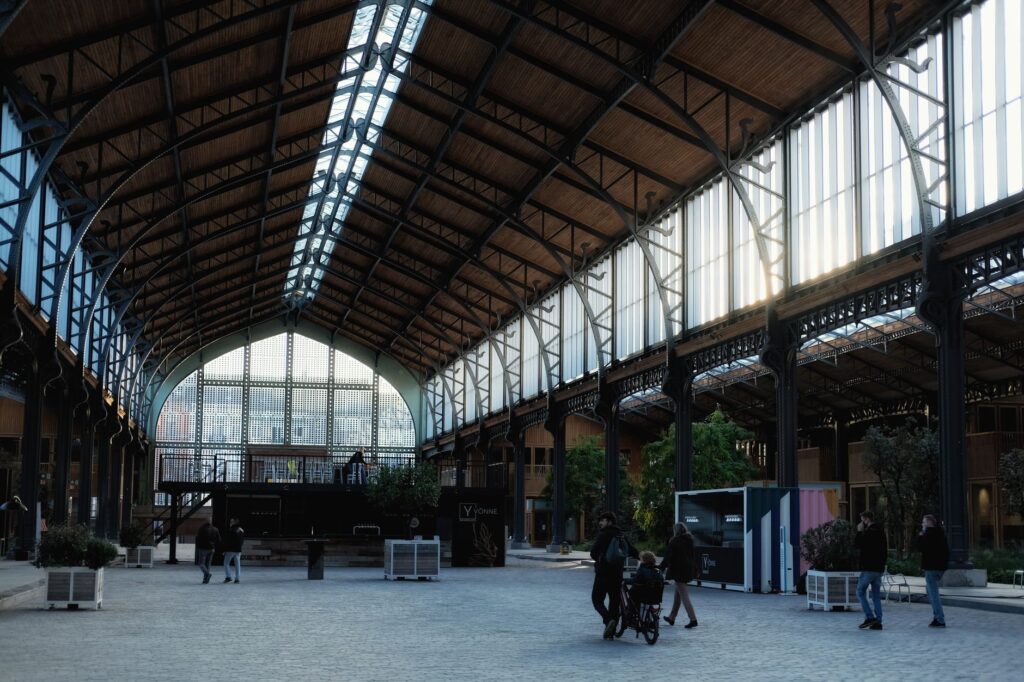
The market building stands as a monument to the aesthetic functionality of the early past century. Its metallic structures, designed to maximize overhead light and natural ventilation, allow the fresh morning air to sweep through the aisles crowded with vegetable, meat, and fish stalls. Unlike modern shopping centers, the Central Market of Valladolid demands an exercise in sensory attention: the sound of blades being sharpened against stone, the murmur of low-voiced negotiations, and the pungent aroma of cured cheese impregnating the limestone walls.
In the central aisles, the vendors act as depositaries of collective memory. Many of them inherited their stalls from parents and grandparents, perpetuating a trade that requires encyclopedic knowledge of the produce. It is not simply about dispatching goods, but about advising on the exact ripening point of a cheese wedge or explaining the precise origin of a batch of white beans from nearby river valleys. This oral transmission of culinary knowledge is the true intangible heritage sustaining the day-to-day life of the market.
The Blonde Gold of Tierra de Campos: Legumes and Cereal
If there is one element defining this region’s pantry, it is undoubtedly wheat and its inseparable companion, the legume. The clay soils of Tierra de Campos, watered by a network of small streams and Duero tributaries, have historically served as the peninsula’s granary. In the market stalls, beans in all their varieties—especially the emblematic caparrana and the fine palmesana—are displayed in large open jute sacks, inviting the buyer to assess their shine and size with the tips of their fingers.
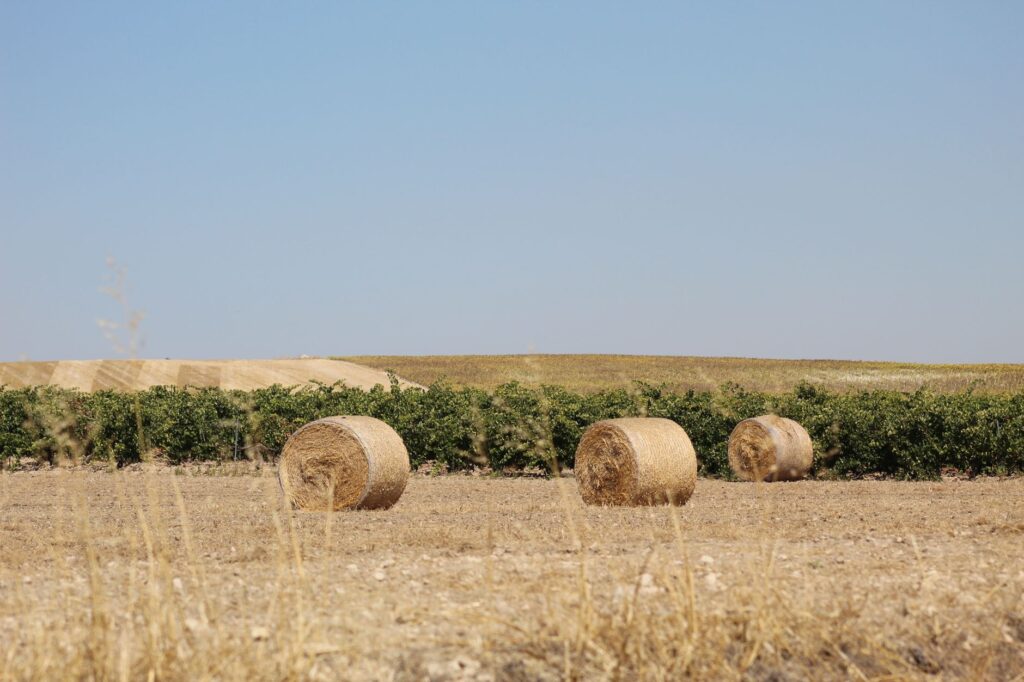
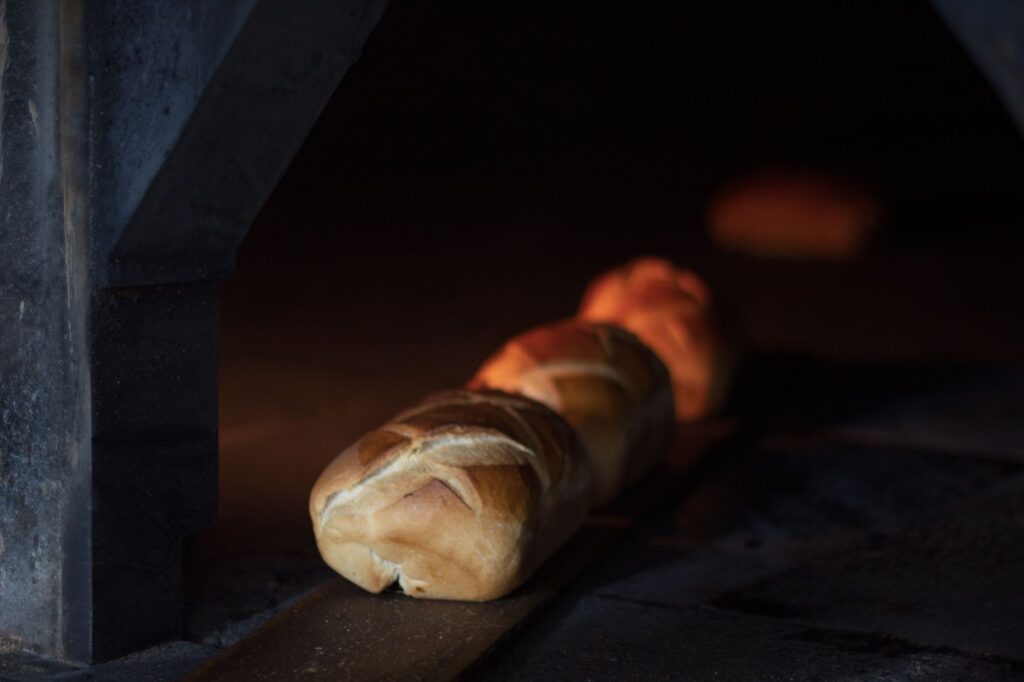
The historical importance of cereal in Valladolid is not limited to bread consumption or pastry; it is the foundation upon which a survival gastronomy, now converted into high root cuisine, is structured. Garlic soups, made with dense-crumb candeal bread and Vera paprika, exemplify how scarcity, managed with technical intelligence and top-quality produce, can yield dishes of unparalleled gustatory depth. Local bakers supplying the market continue using traditional wood-fired ovens, guaranteeing a crispy crust and a spongy crumb capable of absorbing the most complex broths.
The River Orchard and the Treasures of the Riverbank
A few kilometers from the historic walls, the green strip following the course of the Duero and Pisuerga rivers contrasts vividly with the aridity of the surrounding moorlands. This riverside orchard provides the Valladolid market with a seasonal variety of vegetables that mark the rhythm of the gastronomic calendar. During the summer months, homegrown tomatoes, cultivated without haste and exposed to intense sunlight, achieve a perfect balance between acidity and natural sugars.
Artichokes from the riverside gardens, buttery white asparagus, and tender Swiss chard complete a vegetable offering that local restaurateurs seek with devotion. The relationship between farmers and market vendors is built on mutual trust and decades of loyalty. There are no superfluous intermediaries; produce travels from the earth to the counter within hours, preserving intact the organoleptic properties that industrial long-distance distribution channels inevitably degrade.
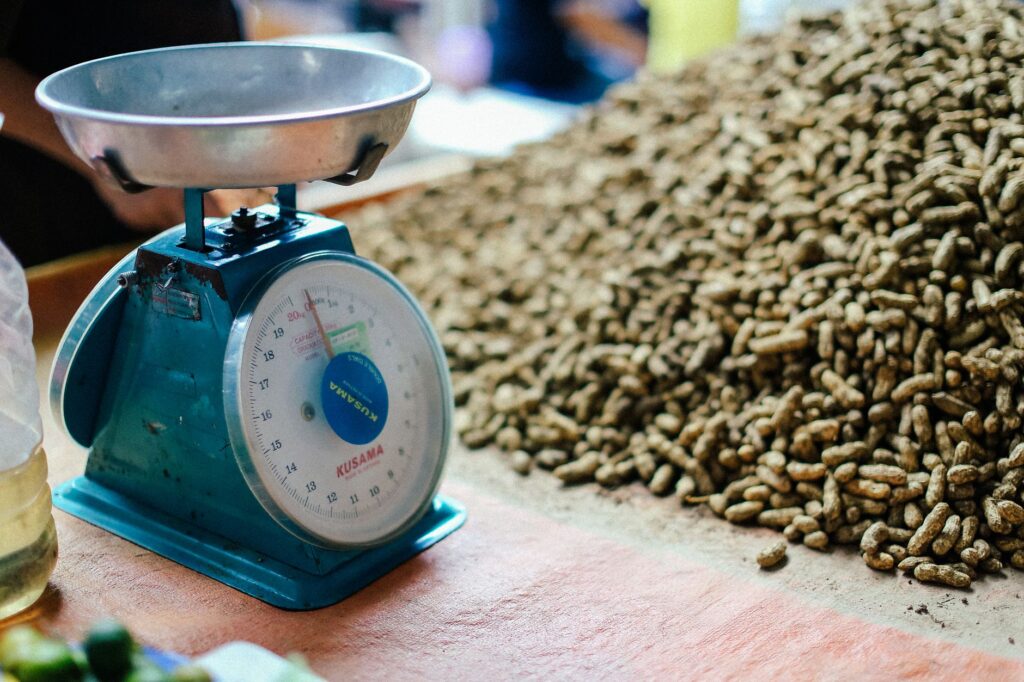
The market is not a tourist showcase, but the ultimate stronghold where the land and the citizen converse through everyday food.
The Realm of Milk-Fed Lamb and Extensive Livestock
Animal husbandry in this area of Castile has traditionally been linked to transhumant grazing and the utilization of stubble fields after the cereal harvest. In the market’s meat sector, the undisputed protagonist is the churro suckling lamb. This lamb, raised exclusively on maternal milk during its first weeks of life, presents meat of pearly whiteness and extreme tenderness that requires no additives other than water, salt, and the enveloping heat of a clay casserole in a roasting oven.
Market butchers perform precise cuts responding to centuries-old recipes. From choplets fried with grapevine shoots to the quarter of roast lamb with golden, crispy skin, each piece is selected considering weight, infiltrated fat, and the exact age of the animal. This rigor in origin guarantees that the gastronomic experience in the city’s taverns and homes preserves the authenticity of ancestral flavors, untainted by fusion cooking trends.
The Culture of Wine and the Plateau’s Vintages
No journey through the Valladolid pantry would be complete without stopping at the winemaking culture surrounding the city. Although Valladolid boasts several designated origin appellations in its province—such as Ribera del Duero, Rueda, Cigales, and Toro—the market functions as an informal meeting point where small local producers commercialize tavern wines and unique crianzas that do not always reach mass distribution channels.
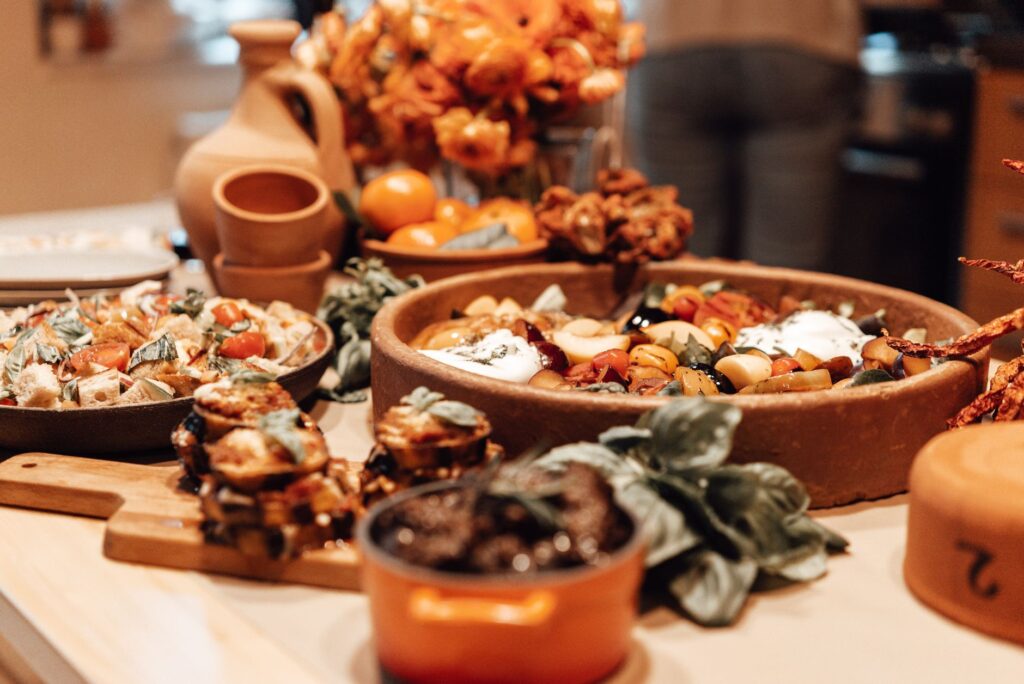
In the taverns and stalls surrounding the market, wine is understood as just another food, a necessary accompaniment to round off the fatty profile of game stews or the robustness of cured pork charcuterie. The Verdejo variety in Rueda and Tempranillo in Ribera del Duero find their perfect counterpart in food markets: a down-to-earth and bustling space where they can be tasted without artifice, served in short tumblers alongside a wedge of aged sheep’s cheese.
Practical guide
- How to get there: The Central Market of Abastos is located in Valladolid’s historic center, accessible on foot from the Plaza Mayor in less than ten minutes. The high-speed rail network (AVE) connects Madrid to Valladolid in approximately one hour.
- Visiting hours: Monday to Saturday, mornings from 08:00 to 14:30. Fridays and eves of holidays feature a particularly dynamic atmosphere due to the influx of local shoppers.
- What to buy: Artisanal candeal bread, quality-sealed legumes from Tierra de Campos, aged sheep cheeses, and traditional slaughterhouse cured meats.
- Expert tip: To fully enjoy the experience, it is recommended to start the visit around 09:30, combining it with a hearty fork-breakfast at surrounding bars serving traditional garlic soups and tripe.
The Human Pulse Behind the Counter
Behind every scale and refrigerated display case in Valladolid’s Central Market beats a story of resilience and adaptation. In an era dominated by the cold efficiency of digital logistics and the uniformity of supermarket aisles, these halls represent a human trench. Vendors do not merely sell food; they perform a cultural and affective mediation labor that sustains the neighborhood’s social fabric. Conversing with them about harvest conditions or the evolution of family recipes is stepping into the true DNA of Castile.
The future of these spaces depends on the ability of new generations to value authenticity over immediacy. Fortunately, an increasing number of young chefs and conscious consumers are returning to the market in search of traceability, sustainability, and respect for local produce. Thus, among the metallic arches and the coming and going of shopping carts, the soul of Tierra de Campos renews itself every morning, proving that true modernity consists of never forgetting where we came from or whose hands cultivated our sustenance.
Preserving traditional markets ensures that the flavor of the land always maintains its human face and proper name.