
Stone and Water Roots in the Hanging City
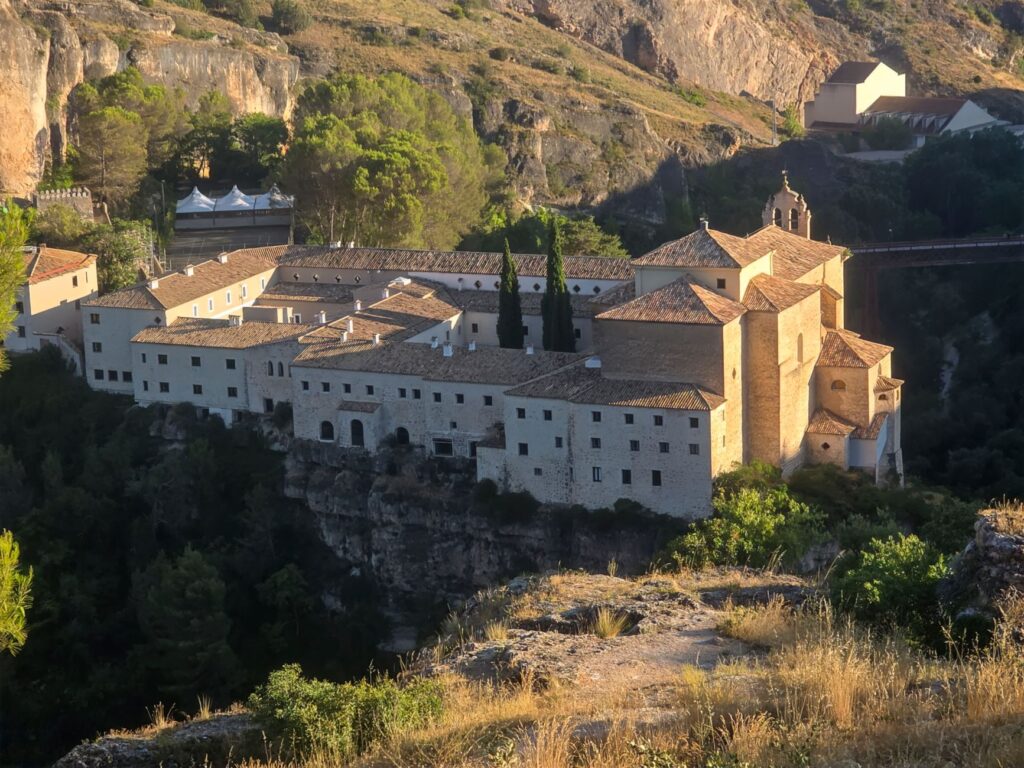
Cuenca rises upon a rocky promontory sculpted by time, a territory where limestone and the waters of the Júcar and Huécar rivers have dictated the destiny of its inhabitants. In this environment of vertical chasms and impossible gorges, gastronomy is not a mere exercise in subsistence, but an adaptive response to a severe landscape. Climatic conditions, marked by rigorous winters and deeply dry summers, historically forced inhabitants to develop culinary ingenuity based on preservation, resourcefulness, and a profound respect for natural cycles. Cuenca’s cuisine is, in essence, a reflection of its topography: austere in appearance, yet of immeasurable anthropological wealth that unfolds resoundingly at every table.
The daily pulse of this food culture finds its civic sanctuary in the urban fabric descending from the upper town to the fertile valley below. Here, traditional cooking draws sustenance both from the river gardens thriving in the valleys and from the dense forests of the Upper and Lower Serranía. While the valleys provide intensely flavored vegetables and dryland legumes, the wooded heights supply a mycological and game-hunting bounty that has remained virtually unchanged for centuries. This balance between the agricultural and forest worlds defines a pantry where the aromas of rockrose, thyme, and pine subtly permeate every preparation, turning the act of eating into a perfectly legible geographical map.
The Market Temple: Architecture of Encounter
Inaugurated in the mid-20th century after decades of municipal aspirations, Cuenca’s Municipal Market stands as the true beating heart of local provisioning. Its structure, conceived to organize the bustle of ancient street stalls, combines the functionality of its era with an atmosphere where human relationships retain the warmth of yesteryear. Upon crossing its doors, the visitor enters a space where the senses awaken to the chromaticism of seasonal produce and the constant echo of direct transactions between producer and buyer. It is not merely a grocery marketplace, but a space of sociability where knowledge transmitted from generation to generation is preserved.
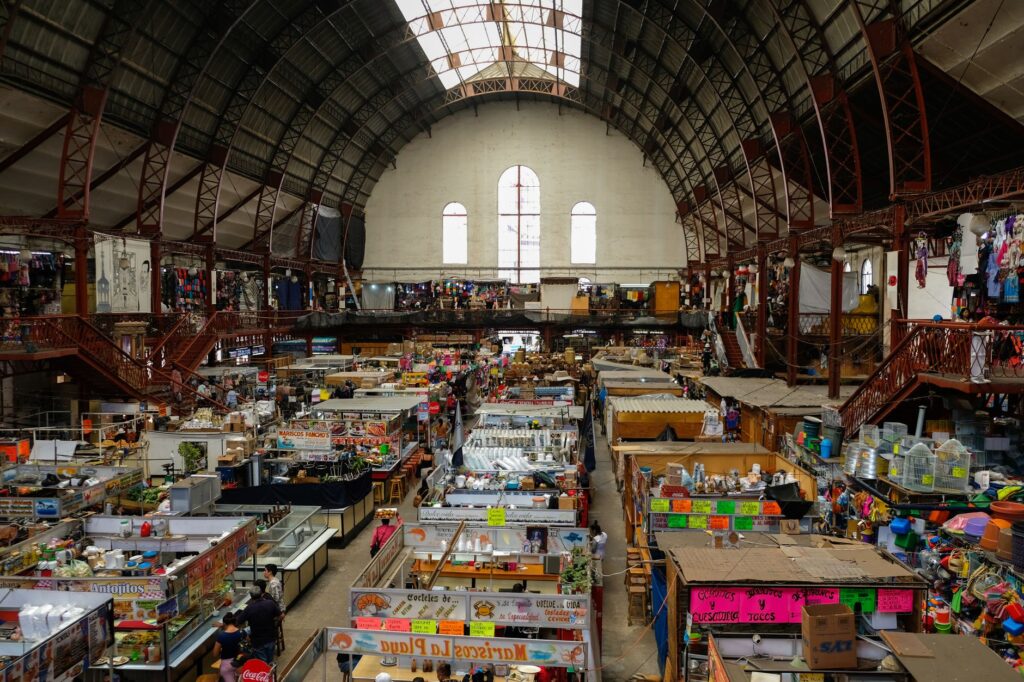
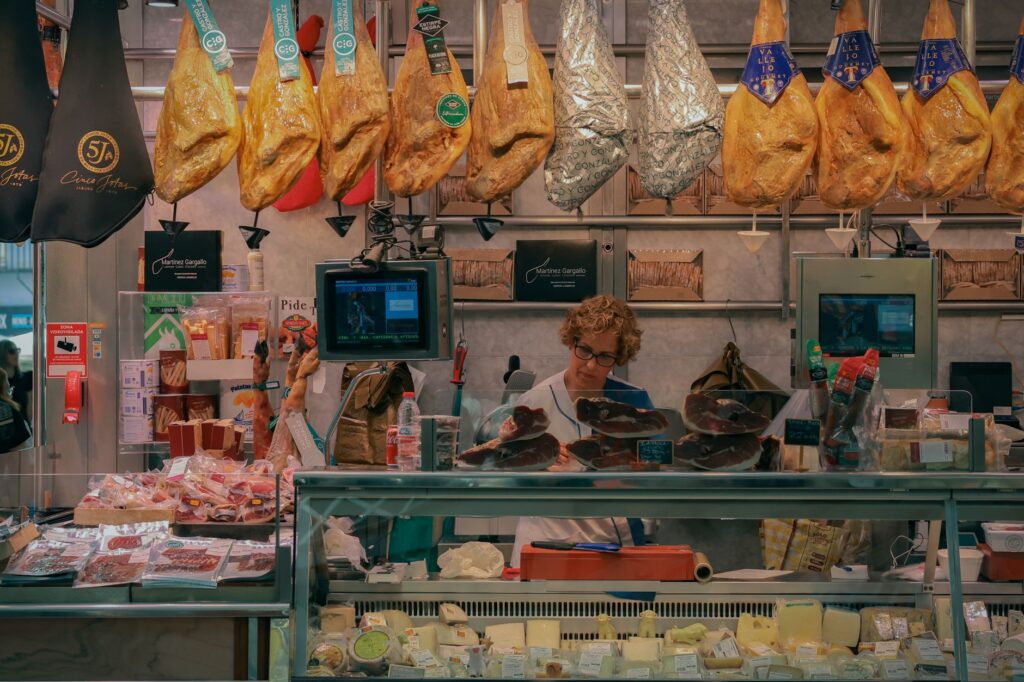
Mornings at the market are a precise liturgy. The vendors, many of them heirs to lineages dedicated to local trade, arrange their goods with an almost artistic neatness. Cuts of big game rest alongside artisan pressed-paste cheeses made from Castilian and Manchego sheep’s milk, while vegetable stalls display the latest local varieties rescued from oblivion. Here, the act of buying and selling is invariably accompanied by leisurely conversation: recipes are exchanged, the exact ripening point of a fruit is debated, or the quality of freshly arrived mushrooms from the pine forests is evaluated. This verbal exchange is the social glue that keeps the community’s identity alive.
The Mycological Pantry of the Mountain Pine Forests
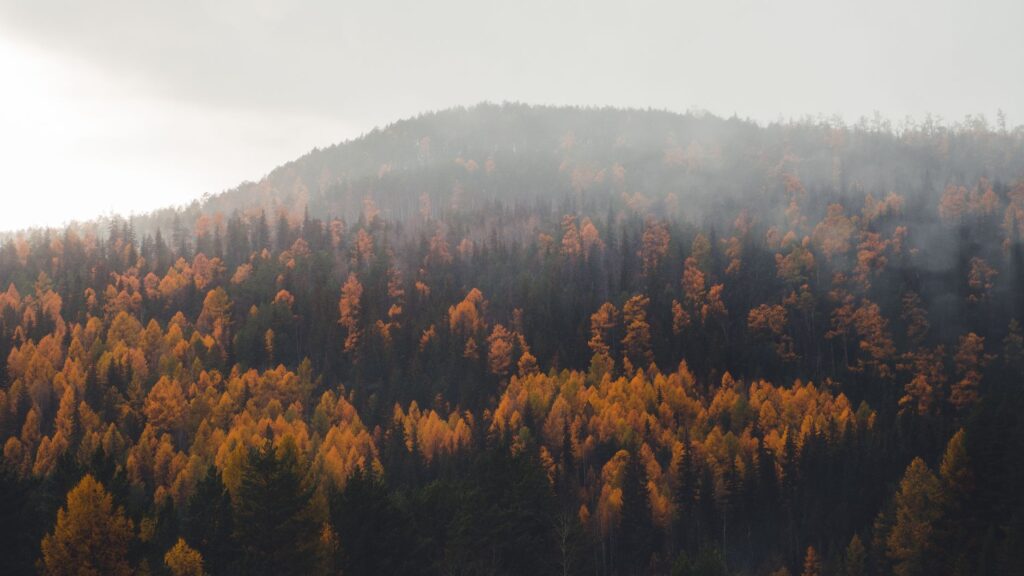
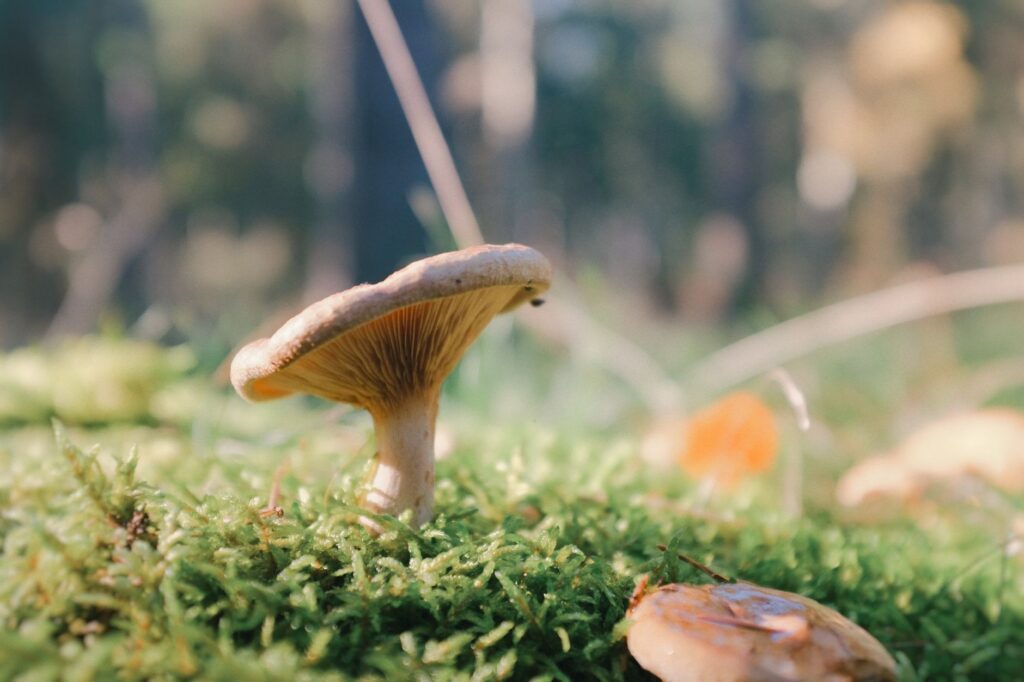
With the arrival of autumn and following the first rains that moisten the humus of the Cuenca Serranía, the Scots pine and oak forests transform into the setting for one of the peninsula’s most coveted foraging traditions. The city’s markets are then flooded with saffron milk caps (Lactarius deliciosus), thistle mushrooms (Pleurotus eryngii), and prized porcini (boletus edulis). Local foragers, guardians of rigorous empirical knowledge, comb the mountains applying unwritten rules that guarantee the resource’s sustainability. In the market stalls, the sale of these fungi is conducted with the same solemnity accorded to a luxury product, reflecting the cultural value that mycology holds in the region.
The cooking of these mushrooms in Cuenca’s homes and inns shuns unnecessary artifice to focus on enhancing their natural organoleptic profile. Whether prepared in a mountain stew with potatoes and game chorizo, sautéed with a thread of extra virgin olive oil and garlic, or forming part of light scrambles, the mushrooms of the Serranía contribute an unmistakable earthy depth. This close bond with the forest turns the mycological season into an event awaited with fervor, mobilizing not only local gourmands but visitors seeking the authentic taste of the land in the simplicity of these dishes.
The Art of Big Game and Shepherd Stews
The rugged topography and extensive game preserves of the Serranía make Cuenca an inescapable benchmark for game gastronomy. Red deer, wild boar, and roe deer form an indissoluble part of local culinary tradition, especially during the colder months of the year. In the market halls and the kitchens of traditional restaurants, these lean, robustly flavored meats are treated with the patience demanded by long-simmering stews. Wild boar stews in regional red wine, enriched with juniper berries and aromatic herbs, represent the highest expression of a cuisine that transforms the harshness of the environment into spiritual and gastronomic comfort.
Alongside game, spoon dishes linked to nomadic pastoralism maintain their unalterable relevance. Morteruelo, a dense, spiced warm paté traditionally made with pork livers, game, and breadcrumbs, is the undisputed ambassador of this survival cuisine turned delicacy. Similarly, ajo arriero—a warm emulsion of salt cod, potato, garlic, and olive oil—synthesizes the ingenuity of muleteers and travelers who had to sustain themselves on easily transportable ingredients. Both preparations, far from being museum relics, continue to be crafted with rigor in traditional workshops and are offered in the market as living testimony to a resilient collective memory.
The Guardians of the Valley and the River Garden
At the foot of the rocky cliffs, the course of the Júcar river carves a fertile valley where traditional agriculture resists the homogenization of global markets. In these small plots, veteran gardeners continue to cultivate local varieties requiring meticulous manual attention. Fine white beans, broad-ribbed chard, local tomatoes, and purple garlic from Las Pedroñeras—cultivated nearby and marketed massively throughout the province—form the vegetable foundation that complements the heartiness of meats and salted fish.
This green belt not only supplies the municipal market stalls but sets the seasonal rhythm of Cuenca’s menus. In spring, tender shoots and artichokes star in soups and vegetable stews; in summer, fresh vegetables become the foundation of robust salads and country ratatouilles. The relationship between the valley farmer and the market merchant is symbiotic and direct; there are no unnecessary intermediaries distorting the product’s origin. This proximity guarantees absolute traceability and allows the final consumer to access foods whose freshness and flavor directly evoke the effort of riparian cultivation.
Bread, Oil, and Mountain Lamb
No analysis of Cuenca’s pantry would be complete without mentioning the fundamental pillars supporting its culinary architecture: crusty artisan hearth-baked bread, extra virgin olive oil from the province’s southern olive groves, and milk-fed lamb of the Manchega breed. The bread, crafted with strong wheat flours and baked in traditional wood-fired ovens, boasts a crunchy crust and dense crumb capable of withstanding the heartiest sauces without losing its structure. Its presence at the table is mandatory, functioning both as an accompaniment and an indispensable culinary tool for mopping up plates.
Meanwhile, extra virgin olive oil, obtained primarily from native varieties such as Cornicabra or Picual, contributes herbal notes and a balanced bitterness that enhances everything from a simple salad to a complex roast. As for the milk-fed lamb, raised in the arid pastures of the surrounding high plains, it provides a tender, delicately flavored meat that shines on its own when simply roasted in the oven with water, lard, and a touch of rosemary. These three elements, simple in appearance, constitute the backbone upon which the province’s entire culinary identity is built.
The cuisine of the Serranía does not seek the easy applause of pretentious avant-garde; it prefers the leisurely whisper of tradition, where every ingredient tells the story of a territory shaped by the weather and human endurance.
Practical guide
How to get there: Cuenca is perfectly connected via the AVE high-speed rail line, which links Madrid and Valencia to the Cuenca-Fernando Zóbel station in under an hour. By road, the A-40 highway facilitates access from the peninsular center, while the secondary road network winds through the Serranía.
When to visit: The autumn months (October and November) offer the supreme attraction of the mycological season and the start of the hunting season, alongside an exceptional chromatic palette in the forests. Spring (April to June) is ideal for touring the river valley and enjoying the temperate climate.
Where to shop: Cuenca Municipal Market, located in the lower part of the city, is open Monday through Saturday mornings. It is the nerve center for acquiring local products such as artisan cheeses, game charcuterie, and seasonal vegetables.
Addresses of interest: Specialized shops in the historic center and around the market offer a rigorous selection of wines with the Uclés and Ribera del Júcar Denominations of Origin, as well as honey from Alcarria and artisan big-game preserves.
The Final Beat in the Pine Forest Twilight
When the afternoon begins to decline over the gorges of Cuenca and the last rays of sunlight set the limestone walls ablaze, the city recovers an ancestral stillness. In small workshops and family restaurant kitchens, the fire is reduced to gentle embers exuding a dense aroma of Holm oak and pine wood. It is in that moment of transition, when daytime bustle yields to nocturnal silence, that the true essence of this territory reveals itself in its utmost purity. Sitting down to eat in this corner of the Castilian plateau is not simply satisfying appetite; it is participating in an ancient pact between man and untamable nature that, dish by dish, continues to narrate its story of survival, beauty, and flavor.