
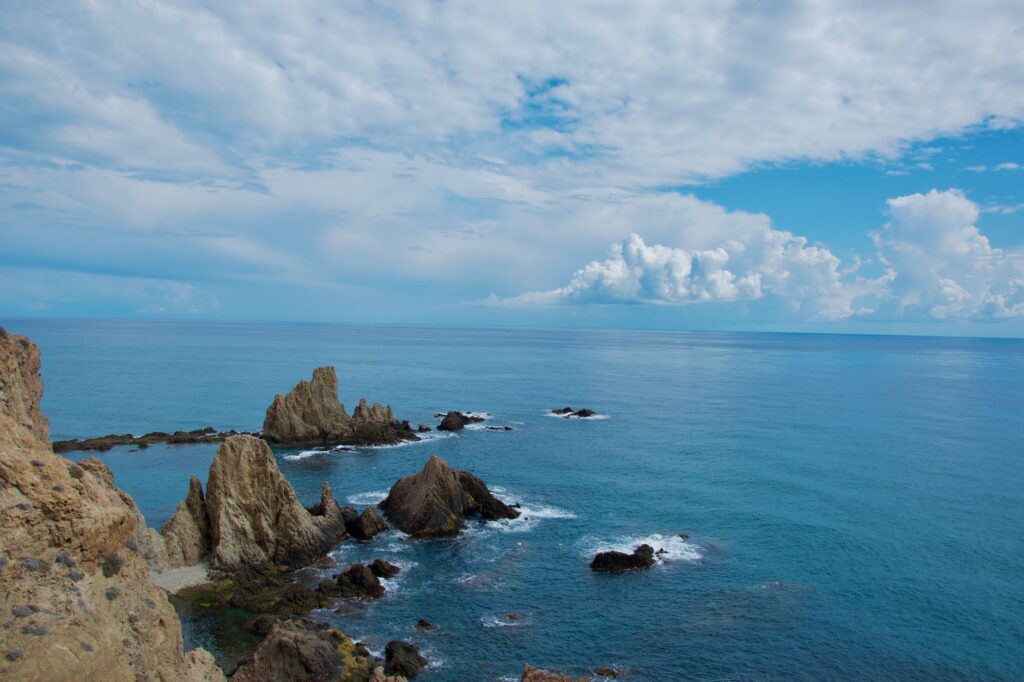
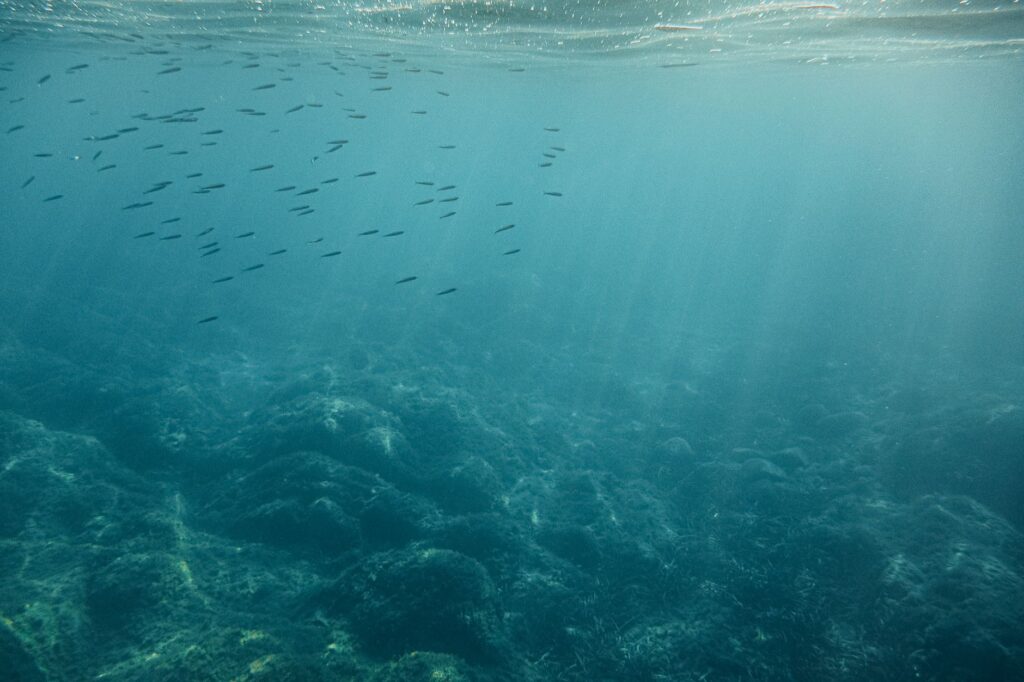
Cabo de Gata-Níjar is far more than a striking succession of volcanic cliffs and sun-baked coves defying the arid climate of Spain’s southeastern coast. Beneath the surface of its crystalline waters, where sunlight penetrates with an intensity rarely found in the western Mediterranean, lies an invisible yet decisive ecological engine: the vast meadows of Posidonia oceanica. Far from being a simple macroalgae, this endemic plant forms a complex ecosystem acting as the primary natural barrier against coastal erosion, a massive blue carbon sink, and an indispensable nursery habitat for dozens of commercial and ecological species. For decades, the pressure of uncontrolled anchoring, diffuse pollution, and unregulated fishing threatened to fragment this underwater green tapestry. Today, however, the natural park is witnessing a profound paradigm shift driven by citizen science, high-precision acoustic mapping technology, and the active commitment of artisanal fishers.
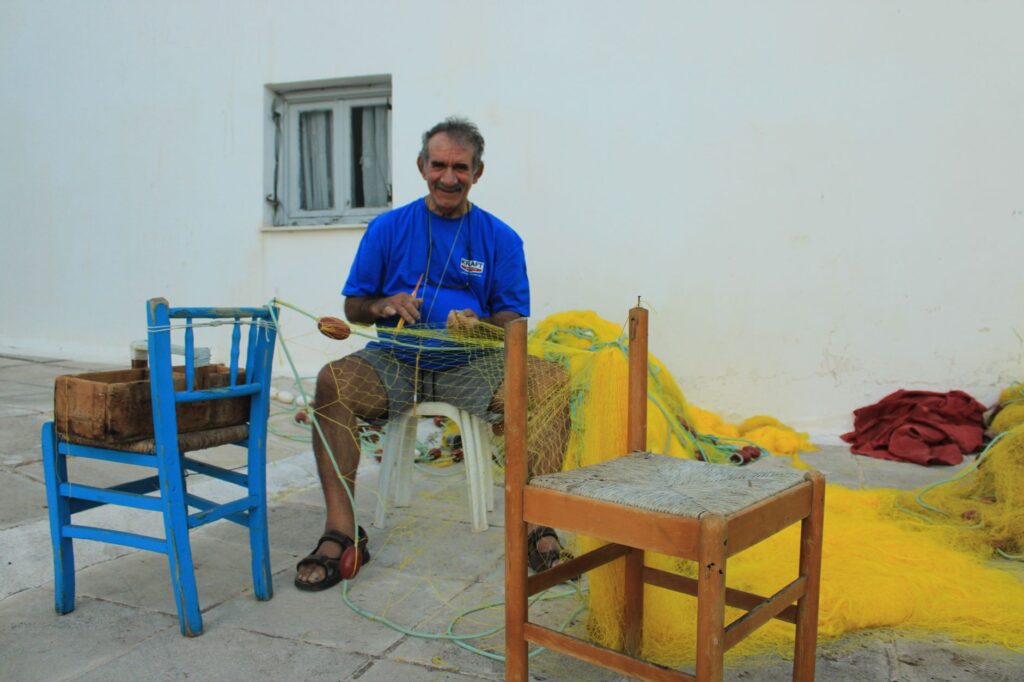
The central question guiding this transformation is how to reconcile the economic viability of traditional coastal communities with the scientific imperative of restoring degraded marine habitats before reaching an ecological tipping point. The answer lies neither in absolute prohibition nor in the isolation of resources, but in active co-management. Small-scale artisanal fishers from villages such as San José and Las Negras are no longer perceived by authorities as passive agents of impact, but as primary guardians of the environment. Through the gradual replacement of destructive gear with selective wide-mesh gillnets and the establishment of temporary exclusion zones in spawning grounds, the local fishing sector has demonstrated that strict conservation translates, over the medium term, into a remarkable recovery of catches and the revaluation of local seafood in nearby markets.
The Invisible Architecture of Seabeds and Satellite Mapping
Understanding the sheer scale of Cabo de Gata’s underwater meadow requires delving into advanced scientific methodologies combining physical oceanography with remote sensing. Unlike terrestrial forests, whose canopy can be monitored via simple photogrammetric flights, the seabed demands side-scan sonars and autonomous underwater vehicles capable of mapping every square meter of rhizomes and ribbon-like leaves. Teams from the Institute of Marine Sciences recently mapped over four thousand hectares of continuous meadow, detecting historical regression zones caused by illegal trawling and recreational yacht chains during the summer months. This millimeter-level diagnosis has enabled the regional government and fishing guilds to design a dynamic map of low-impact ecological moorings, replacing traditional concrete blocks that scoured the seabed with helical screw anchors fixed directly into the subsoil.
The impact of this sustainable mooring infrastructure was immediate. Areas once battered by catamaran anchors show early signs of natural regeneration, with new shoots colonizing empty spaces among surviving patches. Marine ecological restoration does not rely solely on direct laboratory planting—which remains extremely costly and yields low success rates at scale—but on the radical removal of anthropogenic stress sources, allowing the plant’s natural resilience to do the heavy lifting. This strategy of non-intervention combined with strict surface surveillance forms the core of the park’s new conservation policy.
Fisheries Co-Management as Democratic Governance
The success of any conservation initiative in an inhabited environment depends on the direct involvement of its residents. In the port of Carboneras and smaller anchorages within the park, fishing guilds have taken a leading role in defining closed-season calendars and voluntarily limiting daily catch quotas for emblematic species such as dusky grouper, white seabream, and red spiny lobster. This commitment stems not from altruism, but from a clear-eyed reading of biological reality: without fish there is no fishing, and without healthy meadows there are no juveniles to repopulate traditional fishing grounds. Monthly meetings between marine biologists and guild masters have evolved into technical negotiation spaces where traditional ecological knowledge intersects with satellite data on water temperature and salinity.
Concurrently, a digital traceability system has been deployed, allowing consumers to certify that seafood purchased locally was harvested via artisanal methods preserving seabed integrity. This environmental quality stamp has increased the auction value of Cabo de Gata fish, more than compensating for reduced catch volumes imposed by new sustainability regulations. The added value of local produce thus becomes the strongest economic incentive to maintain good fishing practices, closing a virtuous circle where ecology and local economics pull in the same direction.
Protecting the ocean does not mean turning it into an untouchable museum, but restoring its capacity to sustain those who have lived off its generosity for generations.
Environmental Education and Low-Intensity Underwater Tourism
Mass tourism pressure represents one of the most complex challenges for Cabo de Gata’s conservation during the peak summer season. To mitigate the impact of thousands of visitors flocking annually to its coves for snorkeling, park authorities—in collaboration with certified diving centers—have launched guided environmental interpretation dive programs. These underwater routes, featuring fixed itineraries and strictly limited participant numbers per shift, transform recreational practice into a premier educational experience. Instructors act as underwater field guides, explaining posidonia’s ecological functions and pointing out key species such as groupers or the noble pen shell, a critically endangered endemic bivalve across the Mediterranean.
This decentralized, low-impact approach contrasts sharply with the mass sun-and-sand model prevailing along other stretches of Spain’s Mediterranean coastline. Here, visitors assume the role of respectful observers, financially contributing to research funds through specific fees applied to authorized marine services. Environmental education ceases to be an informational pamphlet printed on recycled paper and becomes a direct, immersive, and transformative experience leaving a lasting mark on the traveler’s conscience.
Citizen Science and Real-Time Biological Monitoring
The vastness of the protected coastline makes permanent surveillance by the limited available environmental ranger corps materially impossible. To resolve this operational bottleneck, the University of Almería and local conservation groups have built an underwater citizen science network engaging recreational divers, sport fishermen, and tourism operators. Through specific mobile applications and standardized observation protocols, hundreds of volunteers weekly record water temperature, invasive algae blooms, early bleaching episodes, and sightings of protected fauna such as loggerhead turtles or bottlenose dolphins.
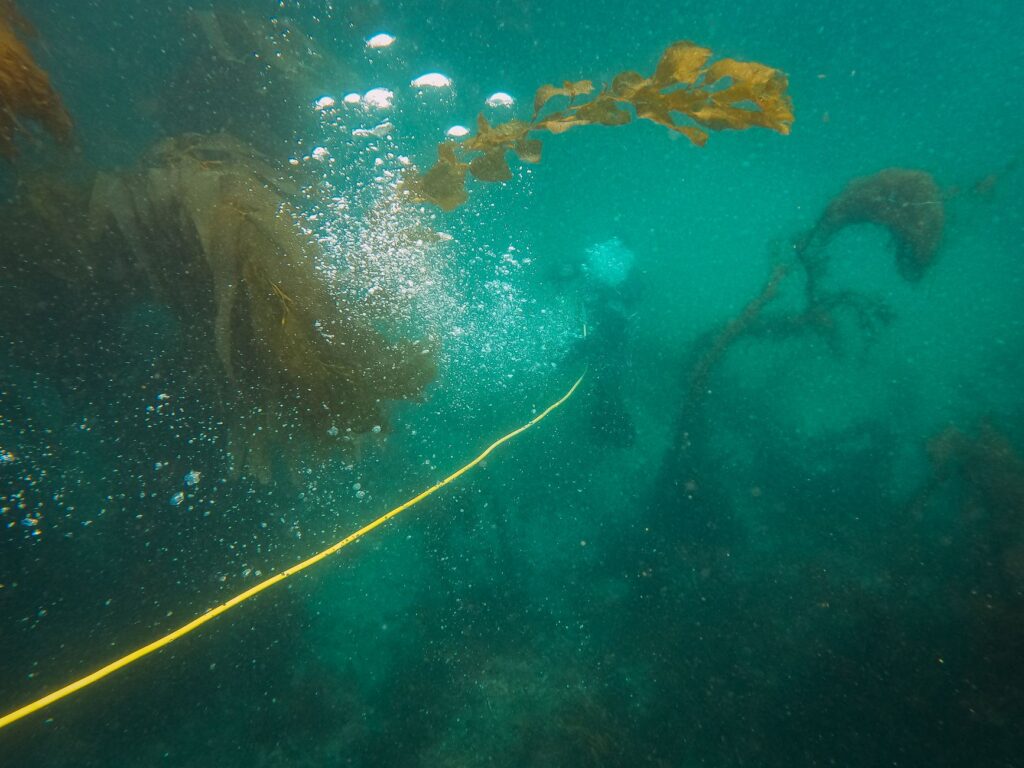
This massive influx of data, processed via artificial intelligence algorithms, enables scientists to detect thermal anomalies and diffuse pollution events weeks ahead of traditional spot-sampling methods. Close collaboration between academia and civil society democratizes scientific knowledge and equips park management with rapid response capabilities against environmental emergencies, such as accidental spills or massive strandings of plastics from international shipping lanes. The ocean ceases to be an opaque, distant territory and becomes a shared responsibility.
True sustainability is not measured by the absence of human activity, but by the quality and respect of the footprint we leave in the ecosystems we inhabit.
Practical guide
- How to get there: The main access to Cabo de Gata-Níjar Natural Park is via the A-7 highway from Almería or Murcia, taking exits toward Níjar, San José, or Carboneras depending on your destination sector. Efficient vehicles or seasonal public transport are highly recommended to avoid congestion in the coves.
- Best time to visit: The months of May to June and September to October offer the perfect balance between optimal water temperature for sustainable diving, lower tourist crowds, and full operational activity by local fishing guilds.
- Responsible accommodation: Prioritize small rural hotels, traditional guesthouses, and accommodations certified under the European Charter for Sustainable Tourism (ECST) in villages such as Níjar, Las Negras, or Rodalquilar.
- Gastronomy and local produce: Look for the fresh catch seal from Cabo de Gata’s artisanal fleet in local restaurants, ensuring the consumption of seasonal species harvested via low-impact gear.
- Diving and anchoring regulations: Anchoring directly over posidonia meadows is strictly prohibited. Use exclusively authorized low-impact mooring buoys or designated marinas. Respect marine reserve zones where swimming and fishing are regulated or restricted.
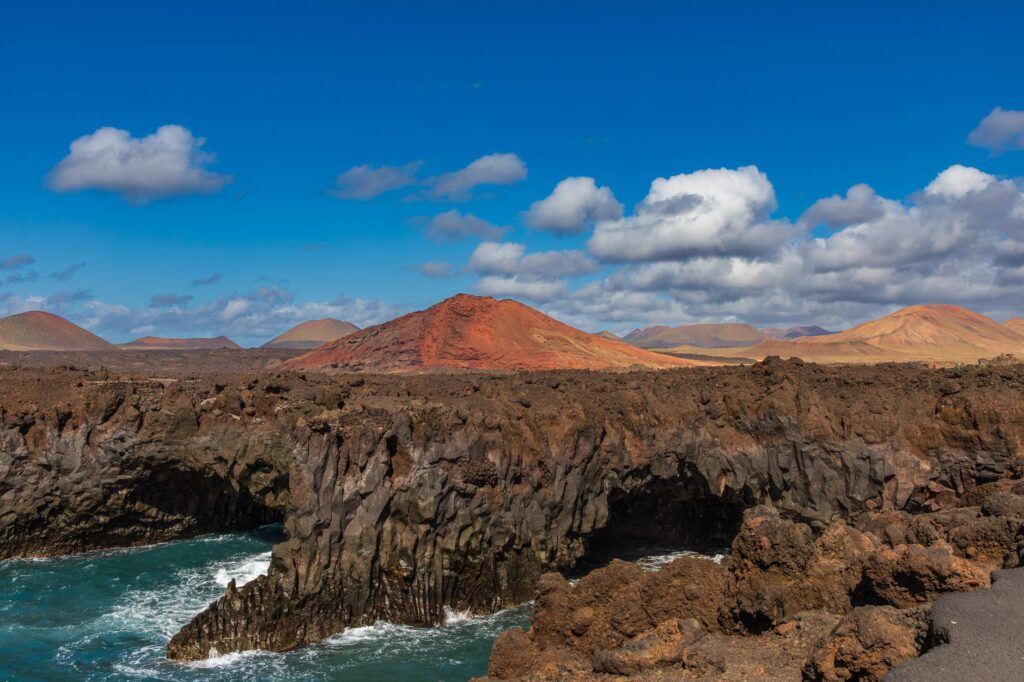
Sunset over the volcanic cliffs of La Isleta del Moro dyes the water a deep copper tone, seeming to fuse earth and sea into a single element. On the terraces of the small harbor bars, fishers mend their nets with unhurried gestures inherited from generation to generation, discussing next tide details with the tranquility of those who know collective effort is finally bearing fruit. Beneath the surface, in the green twilight of the recovering meadow, millions of posidonia leaves sway gently to the rhythm of currents, filtering water and returning to the Mediterranean a fragile yet solid promise of the future.