
An Amphibious Sanctuary Facing the Tide of Climate Change
The vastness of Ciénaga de Zapata, located on the southern coast of Cuba’s Matanzas province, does not reveal itself all at once. It unfolds slowly across an aquatic labyrinth where fresh water from underground rivers merges with the salinity of the Caribbean Sea, creating one of the most complex and rich wetland complexes in the Antilles. For decades, this territory has functioned as a giant natural filter and a living barrier against meteorological storms. However, rising sea levels and cumulative anthropogenic pressure over the past century drastically altered original hydrological flows, causing premature salinization in certain sectors and suffocating vast expanses of red mangrove.
Faced with this scenario of ecological vulnerability, the national park has undertaken a profound yet silent transformation. Far from relying on models of total exclusion that marginalize historical settlers, the new conservation strategy is grounded in active hydrological restoration and the revaluation of traditional knowledge held by local communities. Artisanal fishermen, nature guides, and scientists now share a common working table to heal the wounds of the ecosystem, proving that biodiversity safeguarding is not incompatible with the socio-economic well-being of those who inhabit the edge of the swamp.
The Natural Engineering of Channels and Flow Reconnection
The heart of scientific intervention in Ciénaga de Zapata lies in restoring original hydrological dynamics. During the 1960s and 1970s, the construction of embankments and artificial canals for forestry and agriculture irreversibly altered the pulse of tides and the surface runoff of fresh water. These alterations caused habitat fragmentation, preventing numerous species of fish and marine invertebrates from completing their life cycles in protected estuaries.
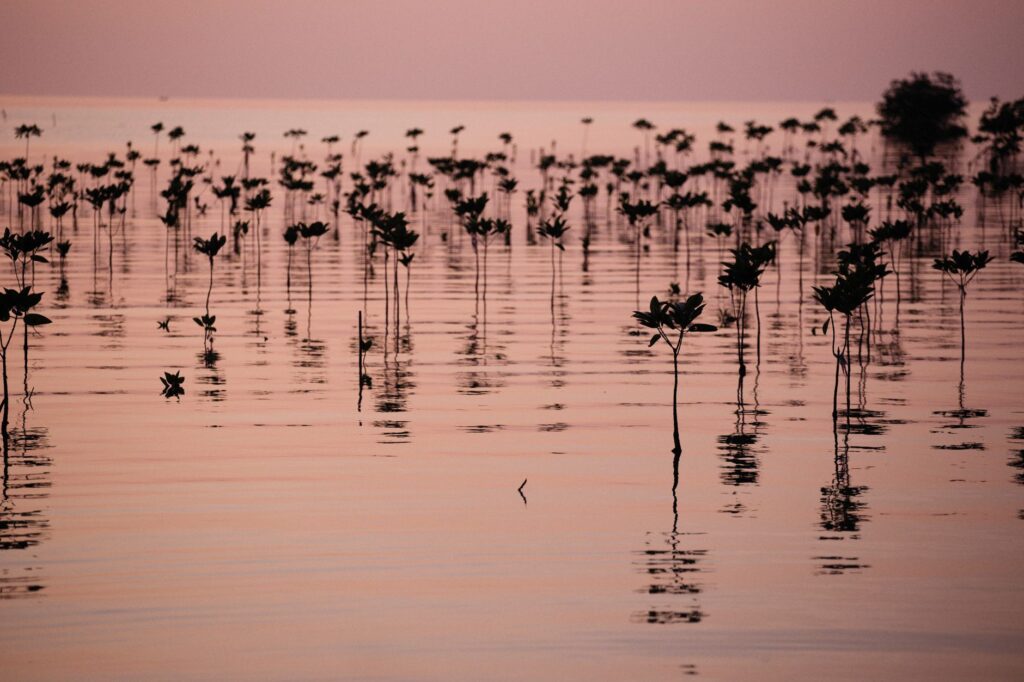
To reverse this diagnostic, teams of hydrologists and environmental engineers have designed a plan for opening floodgates and selectively dredging silted channels. This restoration does not seek aggressive artificial intervention, but rather returns freedom of movement to the water. By reestablishing the proper salinity gradient, black and red mangrove forests have regained their vigor, increasing their capacity to capture organic carbon—known as blue carbon—and offering safe refuge to endemic species such as the Cuban crocodile and numerous migratory birds crossing the Caribbean corridor each season.
Ancestral Knowledge and Low-Impact Artisanal Fishing
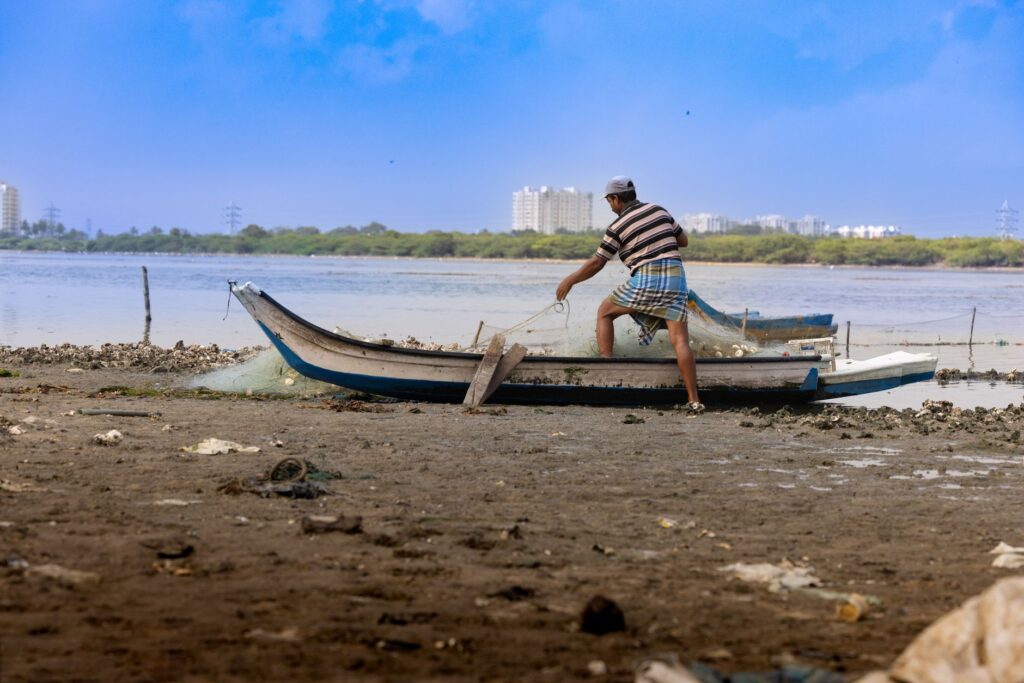
No conservation plan in tropical wetlands can consolidate without the active complicity of riparian communities. In the settlements of Playa Larga and Playa Girón, traditional fishing has constituted the fundamental economic sustenance for generations. Far from criminalizing this practice, park managers have fostered a co-governance framework that regulates fishing gear, establishes temporal closures based on scientific data, and encourages transition toward truly selective extraction models.
Local fishermen have become the primary guardians and sentinels of the mangrove. Their deep empirical knowledge of currents, lunar phases, and spawning behaviors allows researchers at the environmental studies center to detect alterations in real-time before they turn into irreversible ecological crises. This horizontal collaboration has transformed community perception: environmental protection is no longer experienced as an external imposition, but as a tool for survival and cultural dignity.
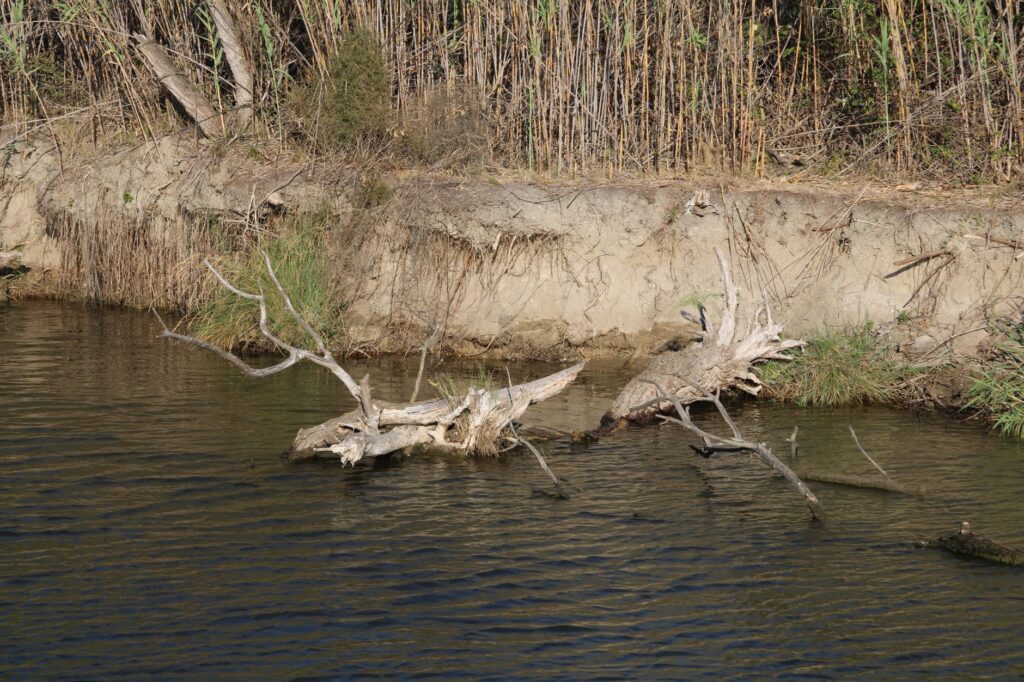
True ecological restoration does not consist of freezing a landscape in time, but of returning its autonomous capacity to respond to change.
Community Ecotourism as a Motor of Resilience
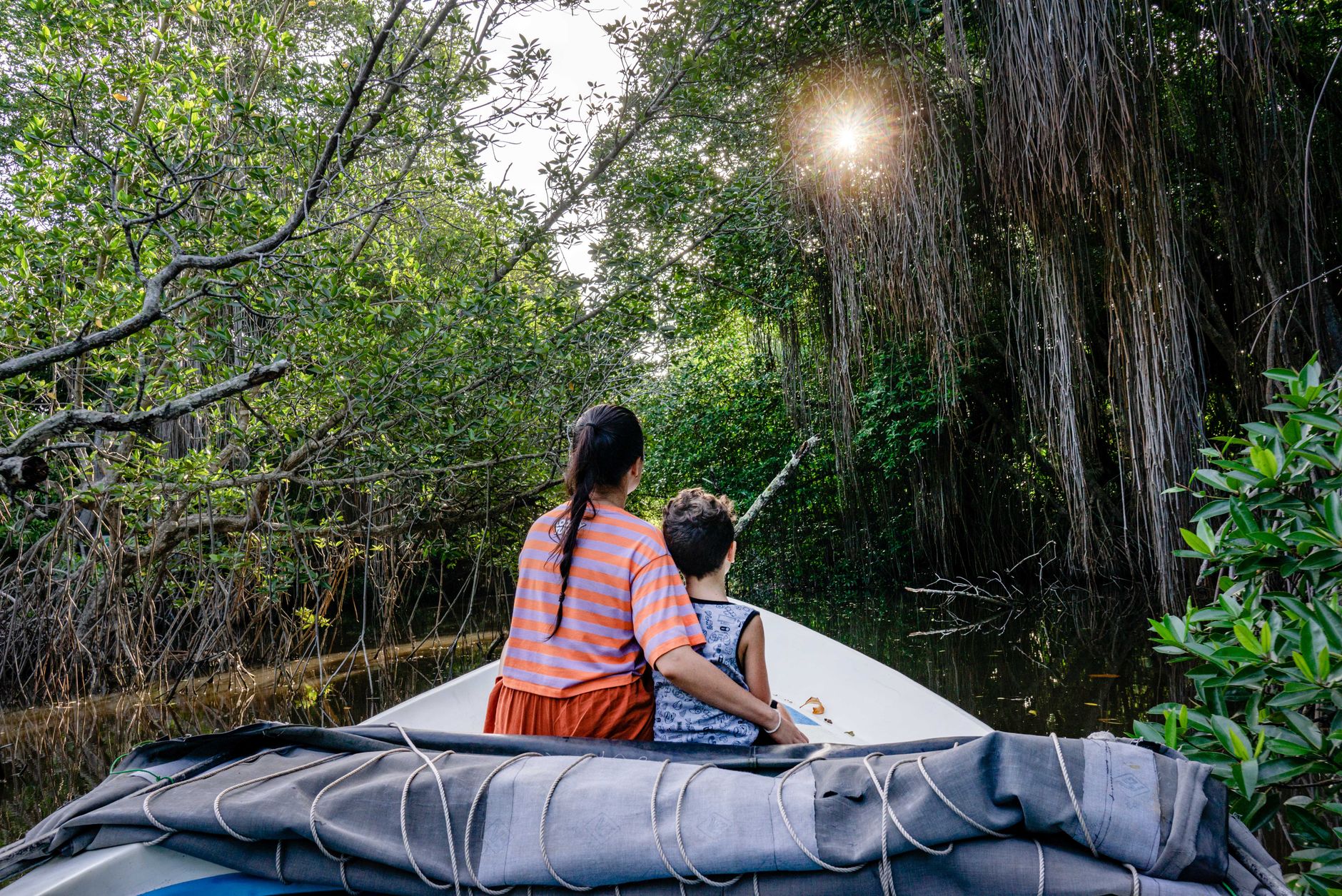
To diversify the local economy and reduce dependence on extractive activities, Ciénaga de Zapata has firmly committed to low-intensity nature tourism. Unlike the massive hotel enclaves proliferating in other areas of the Caribbean coastline, tourist infrastructure here consists of family-run rural accommodation networks, self-guided interpretation trails, and a fleet of rowboats managed by local cooperatives.
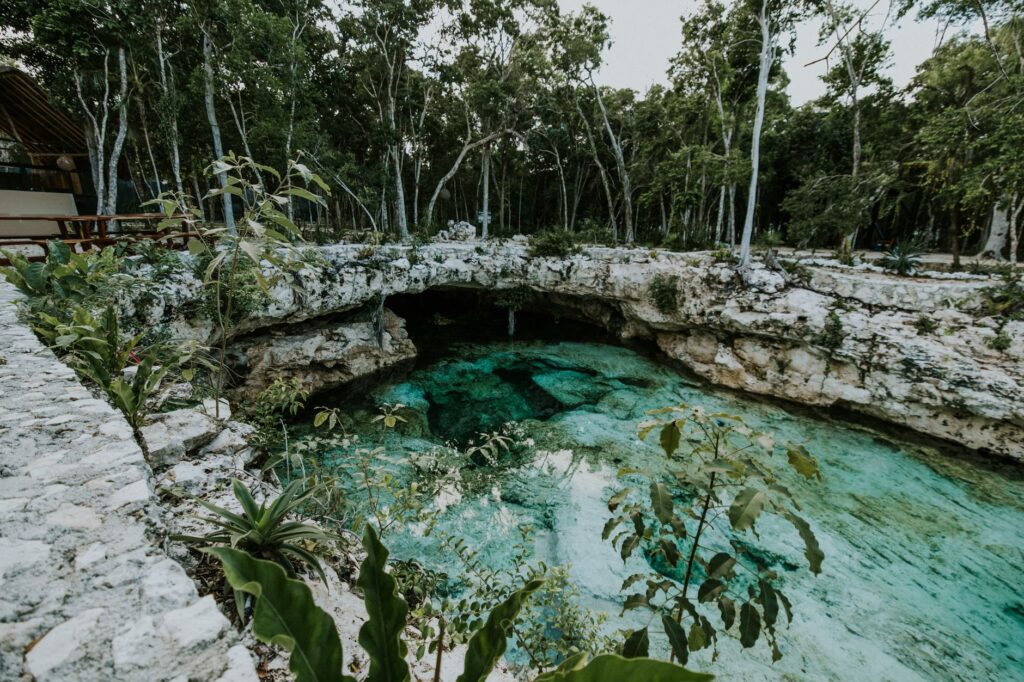
This community ecotourism model ensures that per capita economic benefit remains in the region, incentivizing landowners and local tourism operators to maintain the strictest standards of environmental management. Visitors who venture into cenotes and flooded forests participate in environmental education workshops, accompany botanists in monitoring threatened flora, and directly finance maintenance funds for community biological corridors.
Scientific Monitoring and Adaptation to Climate Crisis
Citizen science and academic rigor form an indispensable tandem in the daily management of the park. National universities and international institutions collaborate closely to monitor waterbird populations, analyze water quality in cenotes, and assess the impact of rising sea surface temperatures on coral reefs adjacent to the swamp.
Continuously gathered data are integrated into an open platform for adaptive management. If indicators point to extreme water stress in a specific area during prolonged dry months, management protocols allow freshwater flows to be redirected in a controlled manner to mitigate the impact. This dynamic approach contrasts with the rigid master plans of the past, adapting agilely to the climatic unpredictability characterizing the 21st century.
Pending Challenges in Wetland Governance
Despite achievements in hydrological restoration and community integration, Ciénaga de Zapata still faces considerable formal and operational challenges. Pressure to develop infrastructure on park peripheries, the latent risk of forest fires during dry periods, and the need to secure stable international funding for long-term projects are issues demanding constant vigilance from environmental authorities.
Likewise, consolidating generational handover in traditional activities represents an inescapable demographic challenge. Youth migration toward urban centers threatens to dilute ecological knowledge accumulated over centuries. Therefore, local schools have begun incorporating specific modules on environmental management and ecotourism into their curricula, ensuring future residents understand the strategic and economic value of living in one of the best-preserved wetlands on the continent.
Conserving such a fragile ecosystem requires abandoning the temptation of absolute control and accepting that our role is that of facilitators of natural resilience.
Field Practices for Low-Impact Tourism
Travelers deciding to explore Ciénaga de Zapata assume a tacit pact of respect and co-responsibility with their surroundings. Wildlife observation must always be conducted from a prudent distance, using adequate optical equipment and avoiding any artificial feeding that alters the foraging behaviors of wild animals. Transit along trails must be strictly limited to marked routes to prevent soil compaction and the destruction of fragile mangrove nurseries.
Additionally, visitors are strongly advised to hire certified local guides and stay within the network of authorized private homes complying with solid waste management and water-saving protocols. Every decision regarding daily consumption within the territory—from choosing locally sourced foods to the responsible use of drinking water—directly contributes to sustaining the fragile balance of this giant amphibious lung.
Practical guide
How to get there: The main access to Ciénaga de Zapata is by road from Havana or Matanzas via the National Highway, taking the turnoff toward Playa Larga or Playa Girón. The journey by private vehicle or scheduled bus takes approximately two and a half hours.
When to go: The dry season, spanning from November to April, offers the most stable weather conditions for hiking and birdwatching. Summer months (July to August) register high temperatures and greater humidity, though they coincide with periods of lower tourist influx.
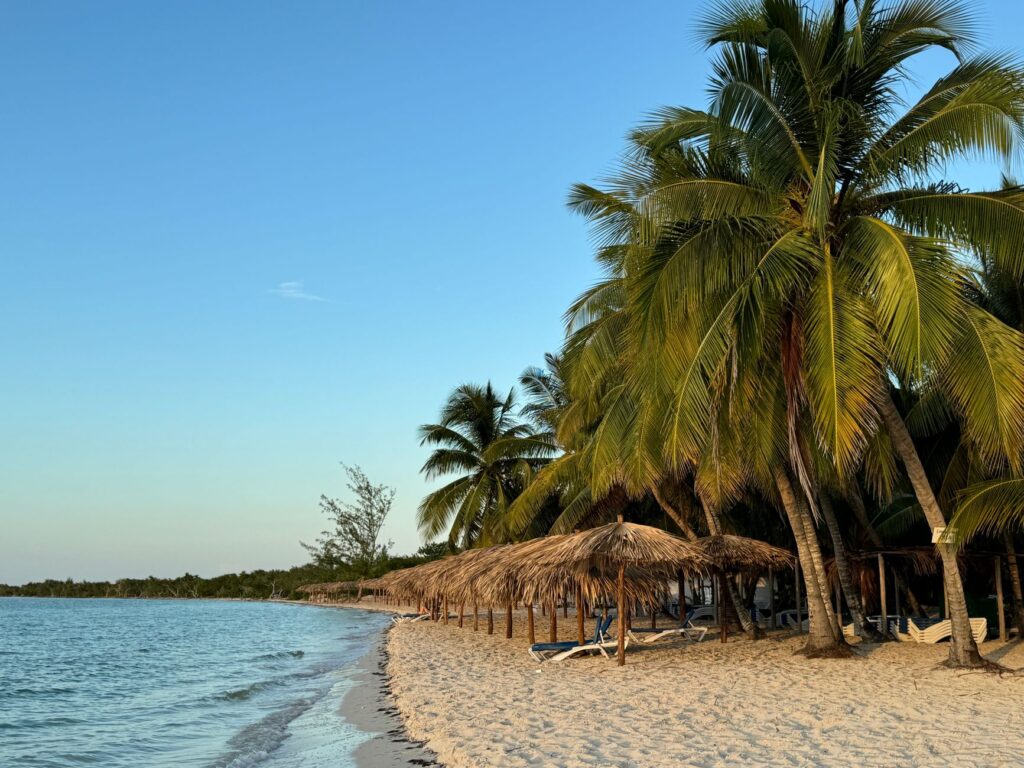
Accommodation: Priority is given to local private lodging networks (casas particulares) and small eco-lodges integrated into the communities of Playa Larga and Caleta Buena, operating under strict guidelines of sustainability and energy efficiency.
Gastronomy: The culinary offering is based on local products, highlighting fresh coastal fish, traditional rice dishes, and tropical fruits grown in community gardens free of synthetic chemicals.
The Final Reflection of an Amphibious Horizon
At dusk, when golden Caribbean light breaks into a thousand hues over the aerial roots of mangroves, Ciénaga de Zapata regains a primordial silence that awes the visitor. In that exact instant, where water and land merge into a single diffuse silhouette, the true dimension of the collective effort sustaining this sanctuary becomes clear. This is not simply an exercise in passive conservation, but a daily pact between human beings and the landscape. The silhouettes of fishermen returning in their wooden boats along restored canals remind us that the future of nature on the planet depends on our capacity to walk beside it, listening to its ancient rhythms and respecting the invisible limits that make life possible.