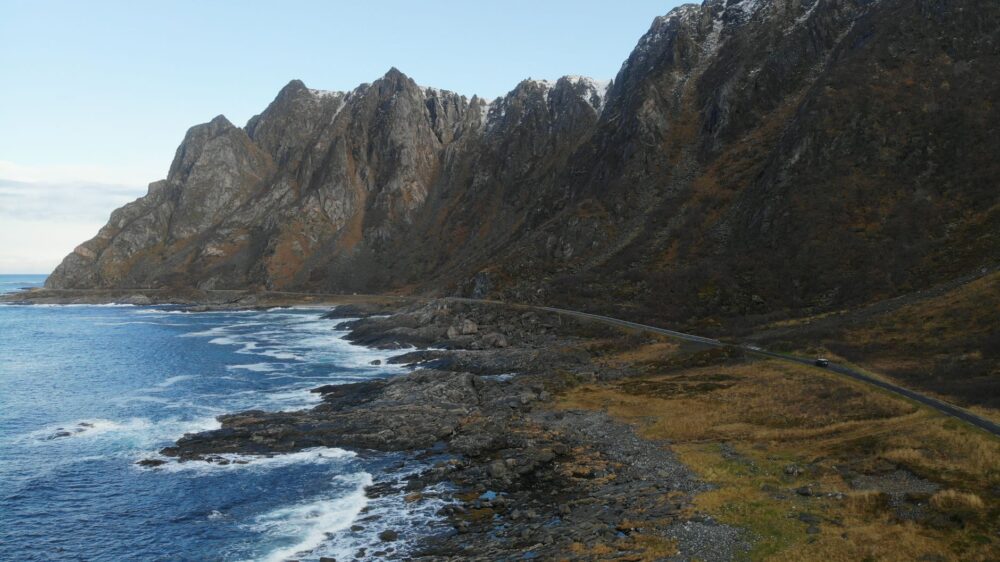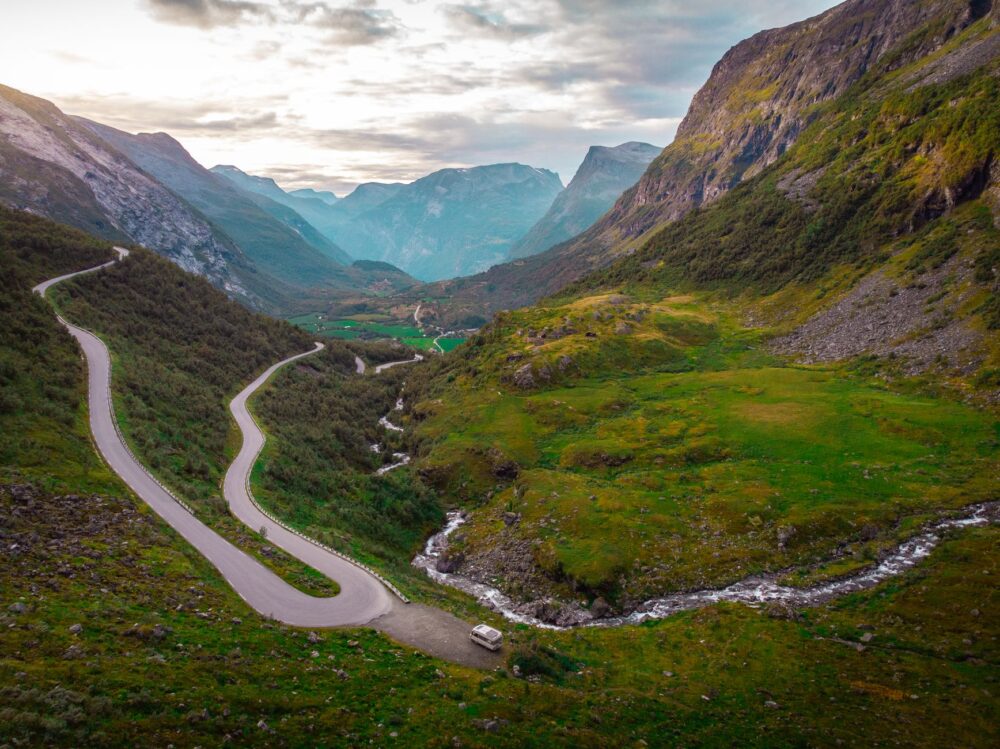

In the southern foothills of the Alps, where granite peaks slice through an intense blue sky and valleys harbor centuries of geographical isolation, transportation has ceased to be a simple matter of asphalt and combustion engines to become an intricate choreography of green engineering. South Tyrol, a historic crossroads between the Germanic and Latin worlds, faces a contemporary paradox: how to keep its agrarian communities alive and welcome travelers without compromising the fragile ecology of its slopes. The answer does not lie in building new highways, but in the radical reconfiguration of its existing mobility network, banking on multimodal integration and high-mountain electrification.
This rugged territory, crisscrossed by meltwater rivers and slopes blanketed in vineyards and conifers, has demonstrated that the transition toward truly sustainable transport requires abandoning temporary patches. For decades, rising private car traffic threatened to choke entire valleys, transforming landscapes of incalculable scenic value into open-air parking lots. Today, however, the region articulates a model where hydrogen buses, funiculars powered by photovoltaic solar energy, and high-altitude cycle lanes operate under a single public management platform, proving that technical efficiency and environmental respect can go hand in hand.
The Genesis of the Integrated Network: From Isolation to Interoperability
To understand the scope of this transformation, one must look back to the 1990s, when transit traffic through the Brenner Pass began choking road arteries. Local communities realized that the private vehicle could no longer remain the undisputed protagonist of the territory. The turning point arrived with the creation of the Alto Adige Pass, a unified transport card allowing residents and visitors to use regional trains, urban and intercity buses, and public cable cars with a single digital medium.
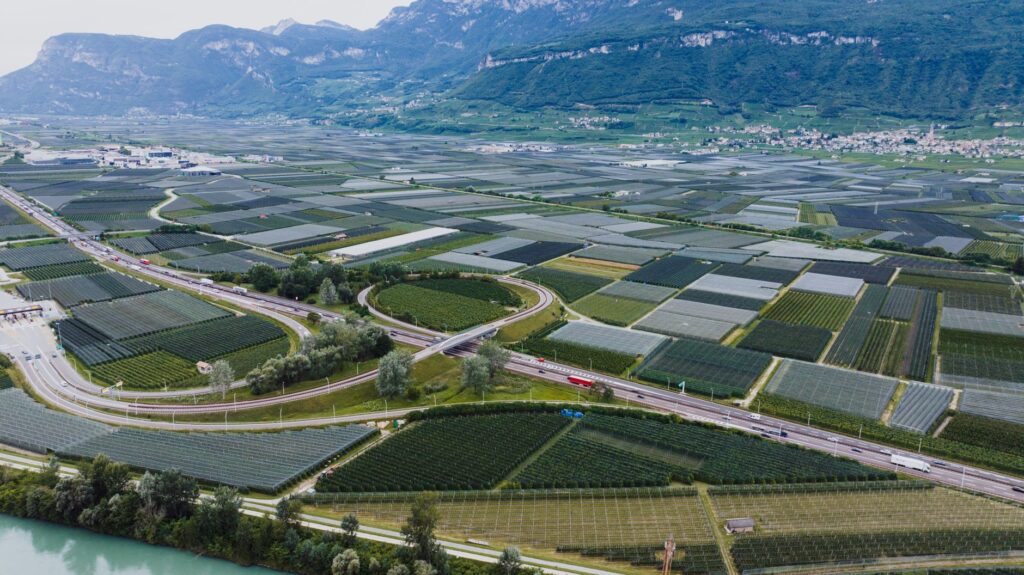
This tariff and operational unification laid the groundwork for a silent yet relentless logistics revolution. Transport engineers and territorial planners redesigned bus timetables to match commuter train arrivals down to the minute at key hubs like Bolzano, Merano, and Brixen. As a result, transfers went from being a nuisance to a fluid procedure, drastically cutting waiting times and discouraging private car use for both daily commutes and leisure trips.
Alpine Electrification: The Technical Challenge of Extreme Slopes
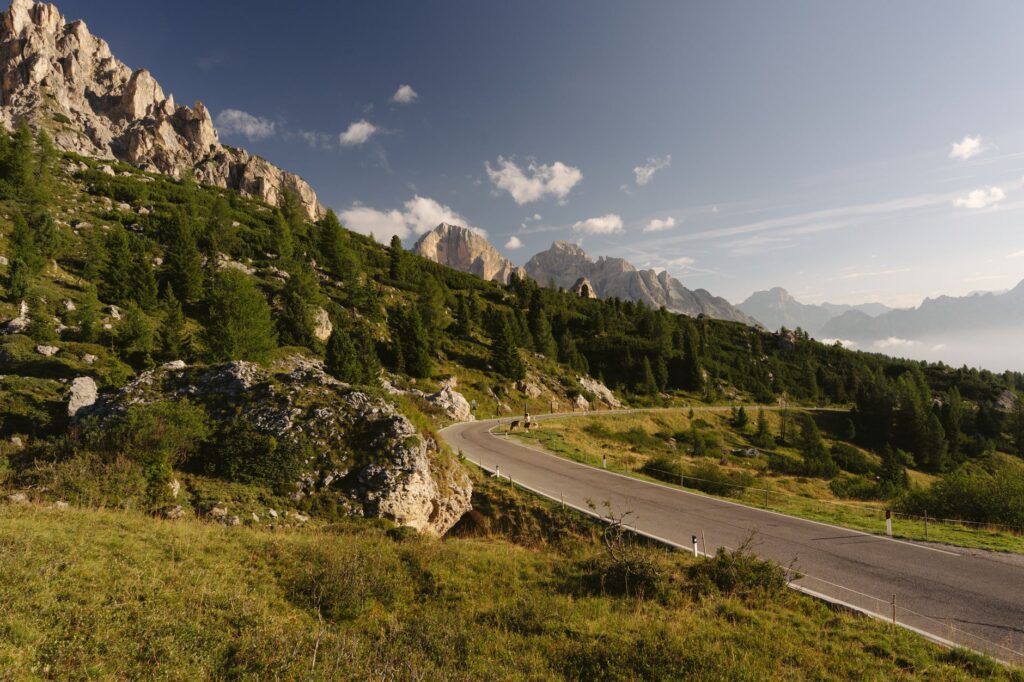
Operating fleets of electric or hydrogen vehicles in high-mountain environments poses technical challenges far beyond those conquered in European plains. Low winter temperatures drastically reduce battery autonomy, while steep inclines demand constant mechanical effort that tests propulsion systems. To overcome these barriers, South Tyrol’s transport operators have worked closely with local technology research centers and European bus manufacturers.
The result is an expanding fleet of urban and intercity buses powered by hydrogen fuel cells, a technology ideally suited for this terrain because its combustion byproduct is exclusively water vapor and its performance does not plummet in the extreme cold of high altitudes. Furthermore, the region’s hydrogen refuelling stations are fueled entirely by local renewable sources, closing a clean energy virtuous circle that spans from generation to final consumption.
The Railway Backbone and Solar Funiculars
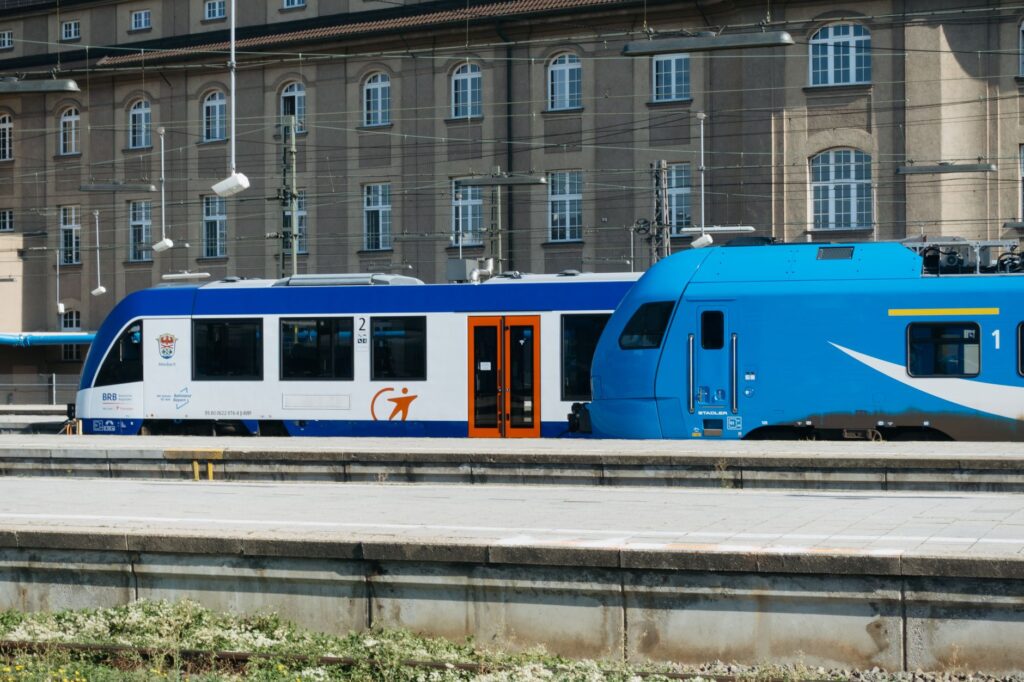
Trains remain the undisputed backbone of mobility across the main valleys. The Pusteria Valley line and the Brenner line have been modernized with cutting-edge electric trains that multiply frequencies and increase load capacity without raising noise or environmental footprints. These rolling stocks are specifically adapted for mass bicycle transport during the summer months, facilitating truly hybrid mobility where trains cover long distances and human or light electric effort completes the final stretch.
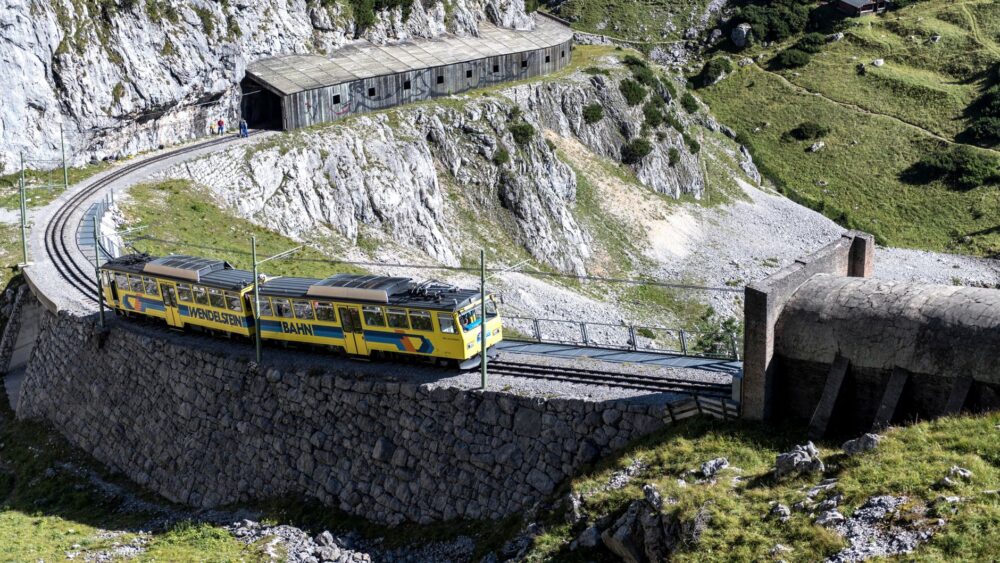
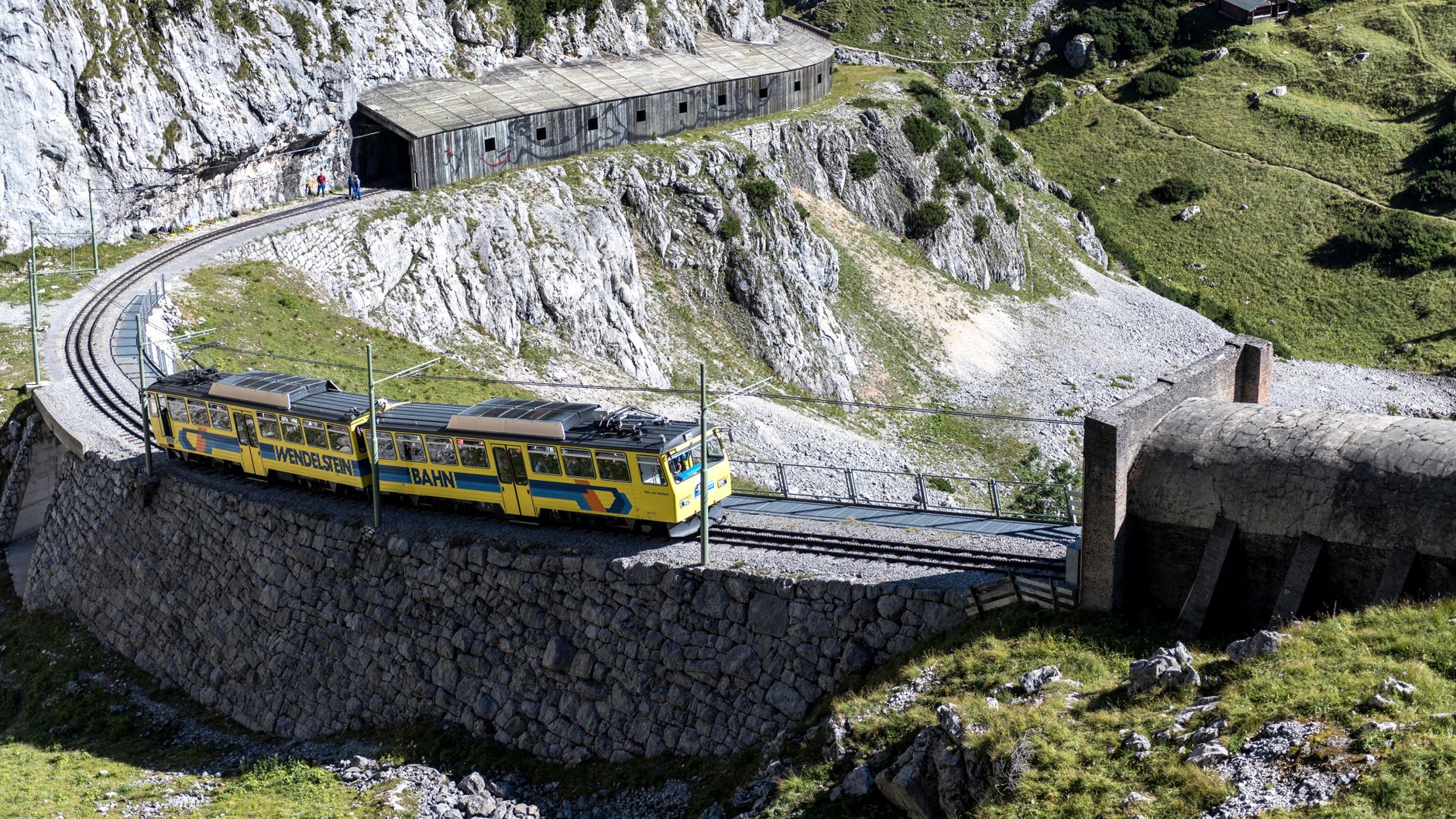
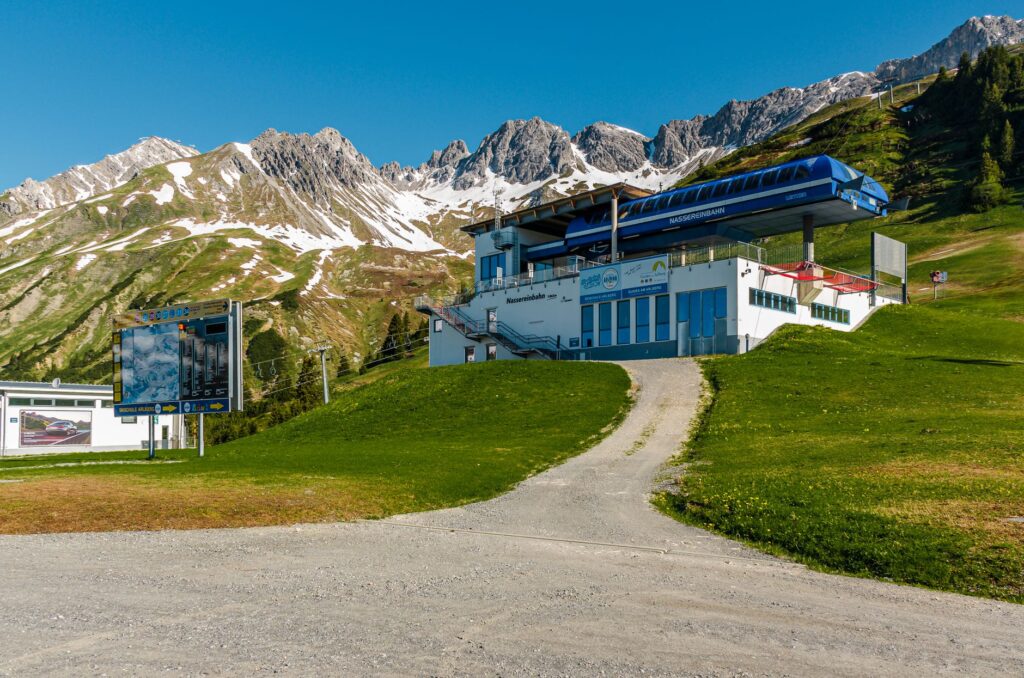
Concurrently, cable cars and funiculars connecting valley floors with agricultural plateaus and high-altitude pastures have undergone a radical energy metamorphosis. Historic installations, such as the Mendola funicular, have integrated solar panels into their drive stations and the roofs of the cars themselves, achieving a net-neutral energy balance during specific time bands. These modes are no longer considered mere tourist attractions, but essential stretches of the public transport network, operated with the same regularity and rigor as an urban subway.
True innovation in alpine mobility does not lie in inventing inaccessible futuristic technologies, but in connecting with millimeter precision what geography has insisted on separating.
Soft Infrastructure: The Rise of High-Altitude Cycle Lanes
Regional transport transformation is not limited to clean motorized vehicles; it also encompasses the development of a cycle-tourism and interurban network without peer in southern Europe. South Tyrol’s greenway and bike lane network, which often reuses decommissioned railway lines and ancient bridle paths, now extends across hundreds of interconnected kilometers.
These arteries are not mere weekend recreational paths. During working days, thousands of commuter workers and students use these routes to travel between neighboring villages, shielded from heavy traffic and enjoying an infrastructure equipped with autonomous repair stations, smart signage, and rest areas powered by solar lighting. Investment in these soft paths has proven that when safe and attractive infrastructure is offered, citizens naturally adopt active forms of displacement.
The Role of Local Communities and Proximity Economics
No technological transition would have been possible without the active complicity of local communities. South Tyrolean municipalities participate directly in the governance of public transport companies through regional consortia, ensuring routes respond to the real needs of residents rather than merely tourist seasonality. This co-management has prevented the depopulation of side valleys by ensuring high-mountain farmers or students enjoy the same connectivity options as provincial capital residents.
Moreover, this mobility model has stimulated a robust proximity economy. By restricting private vehicle access to specific protected natural areas and reinforcing public electric shuttles, commercial saturation has been curbed and small local producers favored, whose goods reach urban markets utilizing the exact same public passenger transport logistics networks during off-peak hours.
Practical guide
How to plan a car-free trip through the valleys of South Tyrol using exclusively its integrated transport network.
The Regional Mobility Card
The Südtirol Pass is the master key for moving across the entire region. It is available in short-term options for visitors (Mobilcard) and offers unlimited access to all regional trains, urban and intercity buses, and public funiculars in Bolzano, Renon, Maranza, San Genesio, Meltina, and Colle. It can be purchased at any train station or local tourist office.
Main Railway Connections
The main gateway is Bolzano station (Bozen), directly connected by Frecciarossa and Italo high-speed trains from southern Italy, and EuroCity trains originating from Munich and Innsbruck (Austria). From Bolzano, regional trains connect with Merano every thirty minutes and with the Pusteria Valley via Fortezza.
Bicycle Regulations on Public Transport
Regional trains feature dedicated bicycle cars, though purchasing a daily bike transport card is mandatory, and during peak season (July and August), prior digital seat reservation is compulsory on high-demand lines such as the Pusteria Valley.
Hydrogen Buses and Summer Shuttles
Secondary valleys lacking railway connections operate through a low-emission bus network. During summer months, iconic routes such as access to the Sesto Dolomites nature park implement mandatory shuttle services, replacing private traffic with continuous frequencies of electric and hybrid buses.
Epilogue: The Silent Pulse of the Summit
As evening falls, when the last rays of sunlight withdraw from the vertical walls of the Dolomites and the mountain air acquires that crystal-clear quality unique to high altitude, the valley recovers a silence that for decades seemed lost forever. At bus stops illuminated by solar energy, village residents return home on silent convoys, while cyclists descend along greenways with the peace of mind of someone who shares the territory without harming it. This is neither a bucolic utopia nor a stage set designed for a tourist postcard; it is the tangible result of a firm political and technical decision: proving that human movement in the most beautiful and fragile environments on the planet can be governed by respect, efficiency, and nature’s unhurried rhythm.