
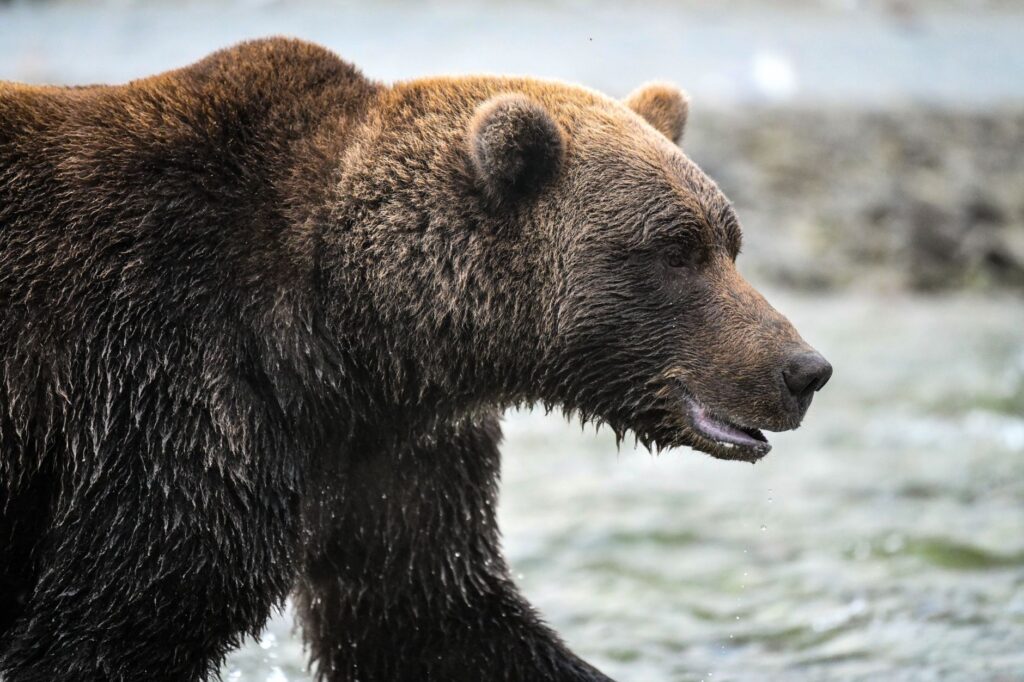
The Kodiak Archipelago, situated off the southern coast of Alaska, represents one of the most complex and best-preserved ecological sanctuaries in the Northern Hemisphere. In these islands, sculpted by glacial activity and shaped by the fury of the Pacific Ocean, inhabits one of the largest brown bear subspecies on the planet: the Kodiak bear (Ursus arctos middendorffi). Unlike their mainland relatives, thousands of years of prolonged geographic isolation have allowed this population to evolve unique genetic and morphological traits, making them a fascinating subject of study for wildlife biologists and ecologists.
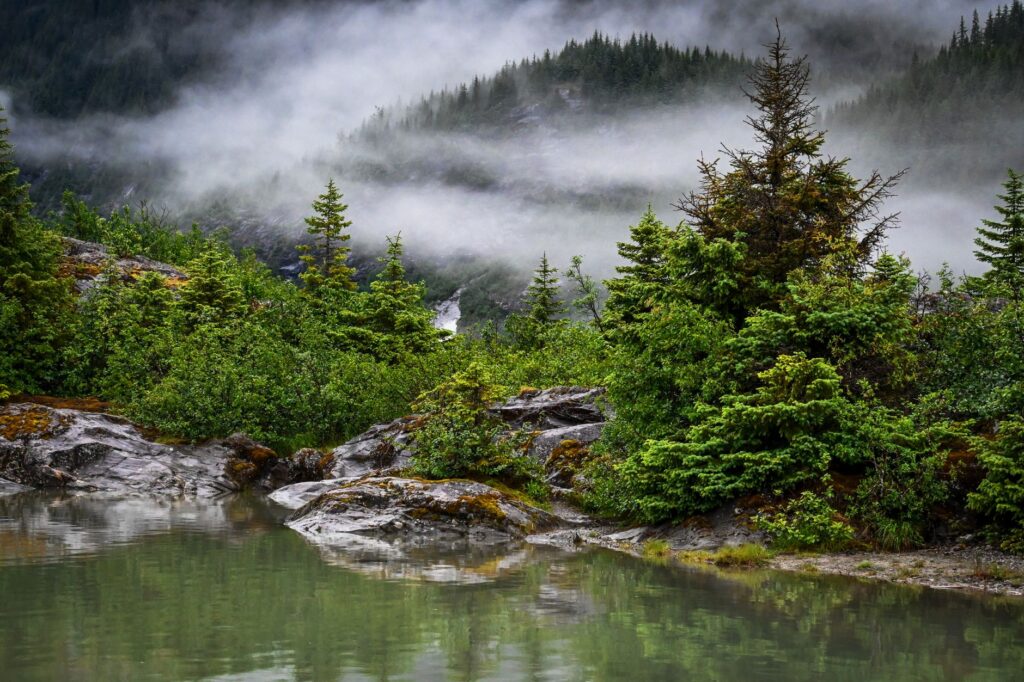
The topography of the Kodiak Islands is a mosaic of rugged peaks, deep river valleys, and dense boreal forests dominated by Sitka spruce, willows, and alders. This insular ecosystem functions as a self-sustaining biological engine, where forest health is directly connected to marine abundance. Each spring, snowmelt triggers the start of a complex trophic dance as millions of Pacific salmon return to spawn in the river basins, providing the essential caloric input that sustains the metabolism of these formidable mammals before their winter dormancy.
Geographic Isolation and Insular Evolution in the Gulf of Alaska
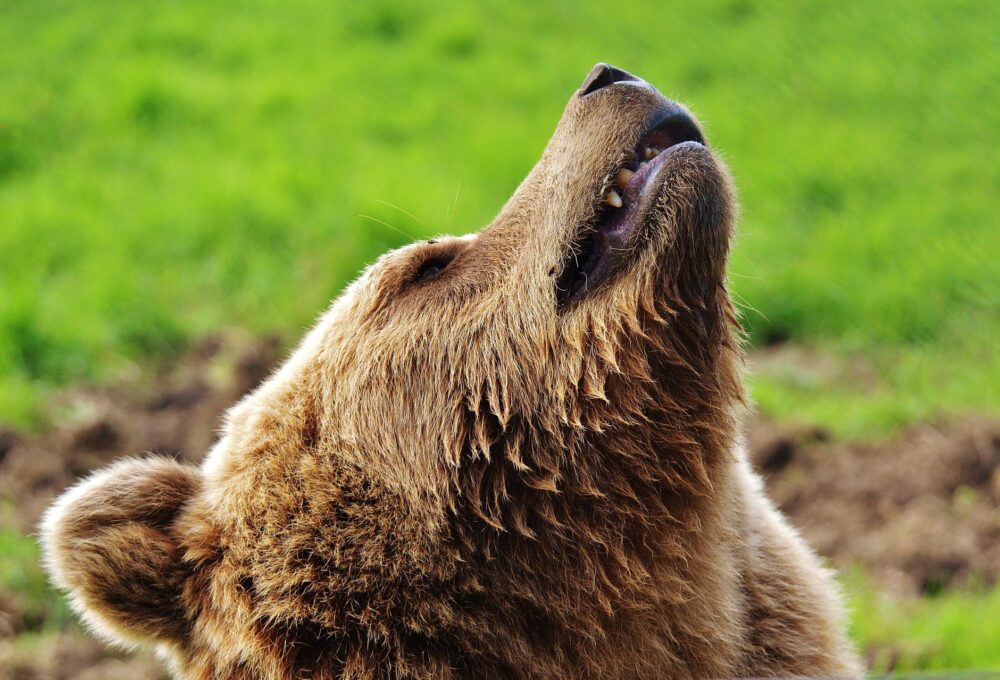
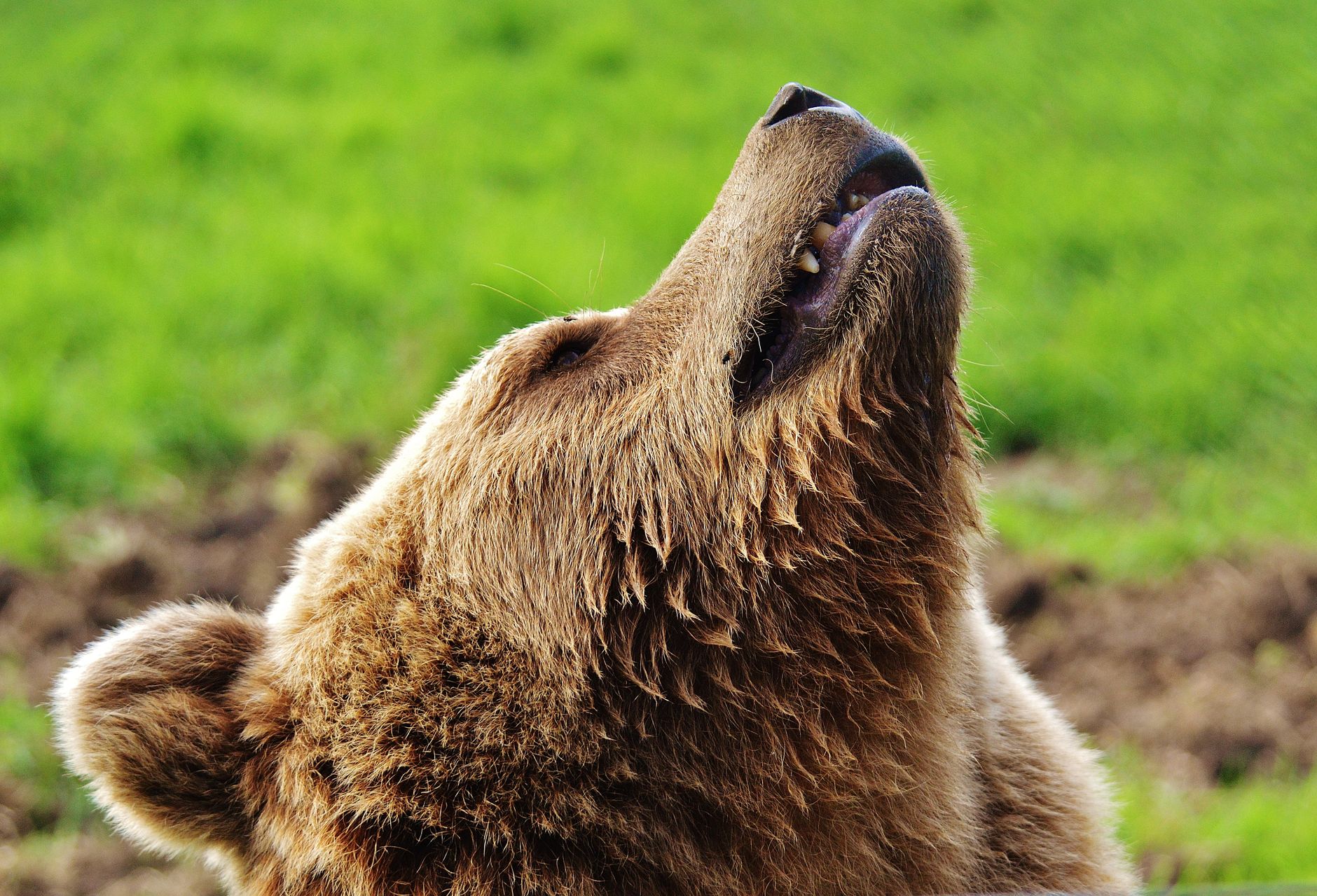
The isolation of the Kodiak Islands began at the end of the last glaciation, when rising sea levels separated the archipelago from the North American mainland. This reproductive isolation prevented gene flow with mainland brown bears, fostering an insular gigantism driven by the constant abundance of marine resources and the absence of significant terrestrial competitors. Adult males can easily exceed five hundred kilograms, a size that rivals polar bears and reflects the species’ adaptive success in this oceanic outpost.
The social structure of Kodiaks also differs subtly from other continental ursids. Although they are solitary and territorial animals, the seasonal concentration of salmon in specific streams generates temporary agglomerations where a hierarchy based on age, size, and experience is established. Scientists from the Alaska Department of Fish and Game have documented that these tolerant interactions in resource-rich feeding grounds reduce direct territorial conflicts, allowing for unusually high population densities in restricted areas.
The Salmon Cycle: The Trophic Backbone of the Ecosystem
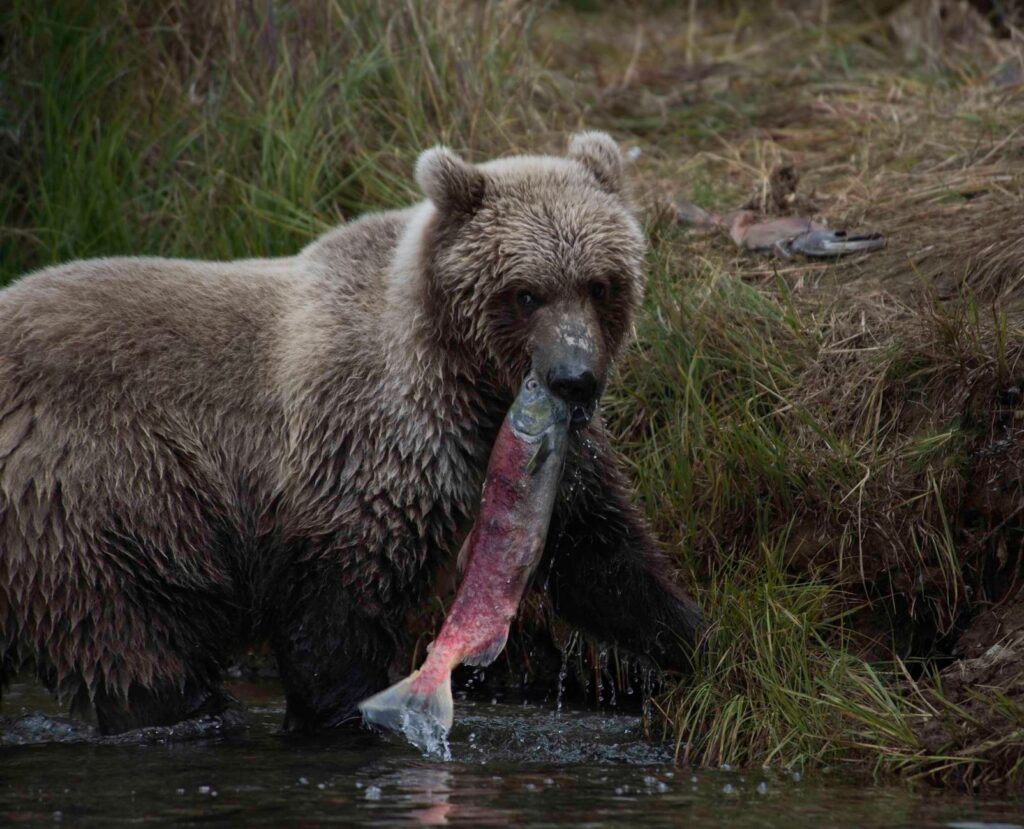
The ecology of the Kodiak bear cannot be understood without analyzing the life cycle of the salmon. The five species of Pacific salmon that navigate the coastal waters of the archipelago represent not only fundamental nourishment for the bears but also an ecological vector transporting marine nutrients inland. When bears catch salmon and drag them to the riverbanks to consume them, skeletal and organic remains fertilize the surrounding soil, enriching the forests with nitrogen and phosphorus of marine origin.
Recent botanical studies have shown that Sitka spruce growing near river basins frequented by bears exhibit growth rates significantly higher than those in interior areas. This phenomenon demonstrates that the survival of the Kodiak bear is inextricably linked to the health of salmon populations, which face mounting pressures from climate change and commercial fisheries management in the Gulf of Alaska. Alterations in river flow or temperature could desynchronize the arrival of the fish and the emergence of the bears from hibernation.
The sovereignty of a wild ecosystem is not measured by the absence of human beings, but by the integrity of its fundamental trophic cycles and the protection of its biological corridors.
Hibernation Dynamics and Extreme Physiological Adaptations
With the arrival of the first autumnal chills and the decline of the salmon runs, Kodiak bears seek well-drained rocky slopes or forest banks to excavate their dens. Unlike the hibernation of smaller mammals, the dormancy of ursids is a state of deep torpor with alert capacity, where body temperature drops by only a few degrees, but heart rate decreases drastically. During this period, which can last between five and six months, the animals consume no food or water, metabolizing their accumulated fat without significant muscle mass loss.
Pregnant females use this phase of winter isolation to give birth to their cubs, usually in litters of two or three. Newborns are extremely small, blind, and helpless, relying entirely on the mother’s fat-rich milk to survive until spring. The security and tranquility of the dens are critical; any human disturbance on the mountain slopes during winter can cause maternal stress, premature abandonment of the refuge, and subsequent offspring mortality.
The Kodiak National Wildlife Refuge and Scientific Management
Much of the archipelago is protected under the Kodiak National Wildlife Refuge, established in 1941 to specifically safeguard the bear population and its habitat. This protected area spans over seventy-seven thousand square kilometers of land and water, managed under strict scientific criteria that balance biodiversity conservation with regulated public use and the traditions of the Alutiiq native peoples.
Managing this territory requires constant demographic monitoring. Biologists use satellite telemetry techniques, aerial surveys, and DNA analysis from hair samples collected at rubbing stations to accurately estimate the population size, which currently remains stable around three thousand individuals. This scientific rigor allows for the adjustment of regulated hunting quotas and tourist access restrictions in areas of highest ecological sensitivity, ensuring anthropogenic pressure does not compromise the long-term viability of the species.
Human Coexistence: Ranchers, Fishermen, and Native Communities
The history of the Kodiak Islands is marked by millenia of coexistence between humans and large predators. The Alutiiq people have shared this territory for at least seven millennia, integrating the bear into their worldview, mythology, and subsistence practices with deep respect for its status as a powerful neighbor. Today, the local economy combines deep-sea commercial fishing, sheep ranching on certain islands, and specialized wildlife viewing tourism that attracts naturalists from around the world.
Modern coexistence is not without challenges. The expansion of human activities toward coastal valleys increases the likelihood of close encounters between bears and people, especially in years of wild berry scarcity. To mitigate these risks, local authorities and conservation organizations promote educational programs on safe garbage management, the use of bear-resistant containers, and the installation of electric fences at ranches and fishing camps, demonstrating that prevention is the most effective tool to avoid conflicts.
Effects of Climate Change in Littoral Habitats
Global warming is rapidly redefining weather patterns in the Gulf of Alaska, bringing milder winters, premature thaws, and alterations in sea surface temperature. These meteorological changes directly impact vegetation phenology and the migratory cycles of marine fauna. Wild berries, such as blueberries and crowberries, which serve as supplementary food for bears in late summer, ripen prematurely or suffer drought episodes that diminish their productivity.
Likewise, fluctuations in ocean temperature disrupt marine salmon routes, causing temporary reductions in the schools returning to insular rivers. Researchers warn that although the Kodiak bear is an opportunistic species with a highly flexible diet, accelerating climate change could outpace its evolutionary adaptive capacity, forcing environmental managers to rethink conservation strategies for the coming decades.
Practical guide
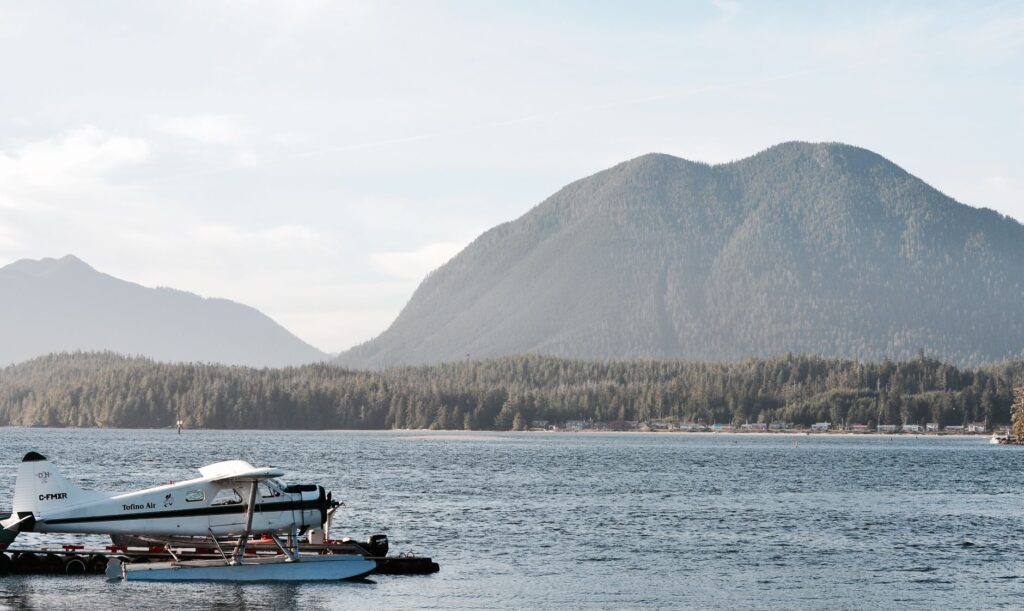
How to get there: The primary access to the Kodiak Archipelago is through Kodiak Airport (ADQ), with regular daily flights from Anchorage operated by regional airlines such as Alaska Airlines. For travel between the islands and to remote lodges, it is necessary to hire chartered floatplanes or authorized vessels from the port of Kodiak.
When to go: The best time for wildlife viewing and photographic expeditions spans the months of July through September. During July, bear concentrations along rivers peak due to the sockeye salmon spawn; in September and October, animals move toward mountain slopes to feed on berries prior to hibernation.
Accommodation and stays: The city of Kodiak offers standard hotel infrastructure, guesthouses, and vacation rentals. For travelers interested in a deep immersion in wild nature, exclusive eco-lodges are located in the remote fjords of the national refuge, operating under strict sustainability regulations and employing certified naturalist guides.
Safety and observation rules: Approaching bears closer than fifty meters on land is strictly prohibited. Carrying EPA-approved bear spray for ursid deterrence, knowing how to use it correctly, and storing all food supplies in airtight, bear-proof containers is mandatory. Hiring experienced local guides for any foray into the interior of the refuge is strongly recommended.
Permits and regulations: Access to the Kodiak National Wildlife Refuge is public, but certain research areas or native reserves require special permits. Commercial activities, professional photography, and sport hunting are regulated by strict federal and state guidelines that must be consulted and processed months in advance.
The Wild Future of an Oceanic Outpost
On the threshold of a century marked by environmental uncertainty, the Kodiak Archipelago stands as a barometer of the subarctic northern ecological health. The millenary survival of the brown bear on these islands is not a matter of chance, but the result of a complex network of biological interactions connecting the depths of the Gulf of Alaska with the highest ridges of the boreal forests. Preserving this balance requires unwavering commitment among science, local communities, and visitors seeking to witness the grandeur of untamed nature.
Looking a Kodiak bear in the eyes within its natural habitat transcends mere tourism; it is an exercise in humility reminding us of our role as temporary stewards of the planet. As salmon continue to run up turbulent rivers and Sitka spruce maintain their green pulse against oceanic storms, the great lord of Alaska will continue to govern these remote domains, embodying the resilience and dignity of wildlife in its purest state.