
Southern India conceals an aquatic labyrinth where land and water merge into a delicate ecological and economic equilibrium. Along the coast of Kerala, an interconnected system of lakes, lagoons, and natural and artificial canals known as the Backwaters forms a vital artery that has functioned for centuries as the region’s logistics and transport engine. Far from constituting a mere aesthetic attraction for contemporary visitors, this fluvial network represents a landmark of tropical lowland engineering, designed to defy tides and harness the monsoon regime for the benefit of commerce and human mobility.
Understanding the magnitude of this system requires examining the complex interaction between rivers descending from the Western Ghats and the marine currents of the Arabian Sea. Human hands have intervened in this geography for generations, dredging channels and raising dikes to connect isolated basins and enable continuous navigation for cargo and passenger vessels. This report untangles the historical, technical, and socioeconomic foundations sustaining Kerala’s nautical connectivity, offering a profound look at a transport infrastructure that continues adapting to twenty-first-century demands.
Hydraulic Origins and Channel Engineering
The genesis of Kerala’s canal network responds to an imperative need for freight transport in a coastal strip fragmented by estuaries and sandbars. Since the colonial period and preceding kingdoms, local rulers understood that the efficient movement of spices, rice, and coir—coconut fiber—depended on creating inland waterways that avoided the dangers of the open sea. Traditional engineers and later administrators applied empirical hydrodynamic principles to channel freshwater flow, constructing primitive locks and laterite stone retaining walls that still resist constant erosion today.
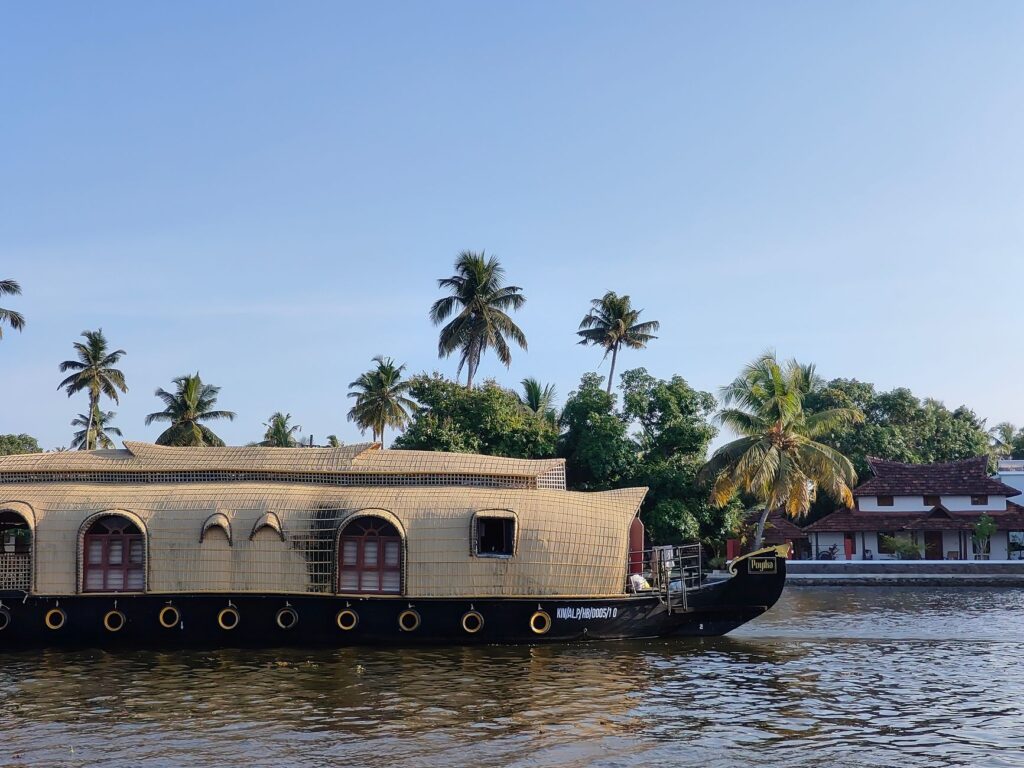
This network of artificial canals, locally known as thodu, served to unite major coastal lakes such as Vembanad and Ashtamudi into a single fluid communication route. The technical complexity lay in maintaining stable water levels against the dual pressure of monsoon floods and the saline intrusion caused by high tides. The solution involved a system of gates and natural barriers regulating discharge with millimeter precision, protecting both transport routes and rice paddies situated below sea level—a feat comparable to European polders but adapted to the monsoon tropics.
Monsoon Logistics and Fluvial Transport Resilience
No analysis of Kerala’s transport system can overlook the impact of the monsoon, the climatic phenomenon setting the pace for the entire region. Between the months of June and September, torrential downpours multiply river discharge and transform canals into dynamic torrents. To maintain network operability, local authorities and riverside communities execute complex maintenance protocols including continuous sediment dredging and the consolidation of riverbanks with deep-rooted native vegetation.
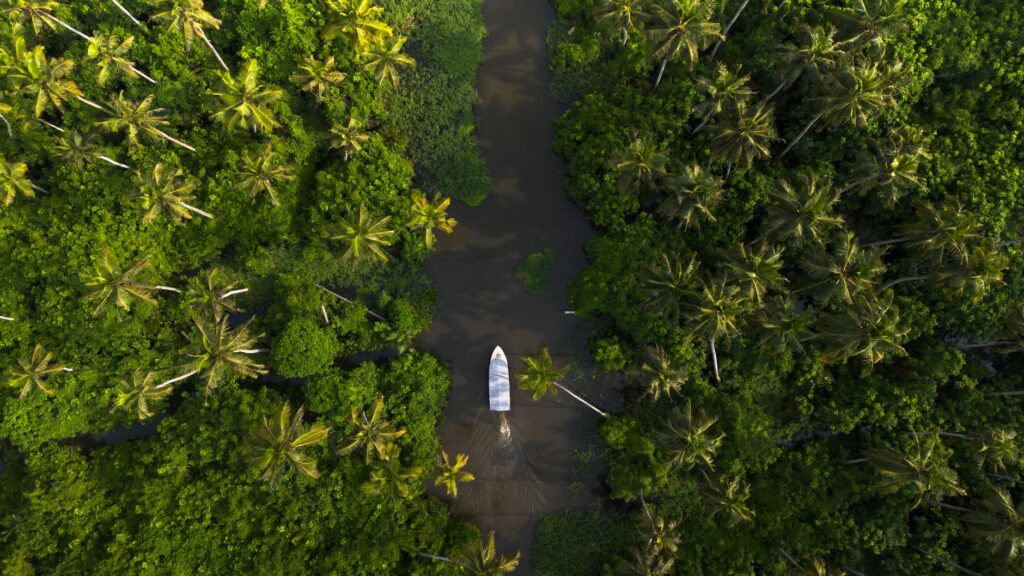
The resilience of this logistical infrastructure lies in its decentralization. Unlike rail or road networks, which are vulnerable to collapse from landslides or localized flooding, the Backwaters system offers alternative routes and multiple connection points. Traditional vessels, structurally adapted to navigate shallow waters and bypass submerged obstacles, continue operating even under adverse weather conditions. This guarantees the uninterrupted supply of essential goods to isolated communities lacking road access.
From Cargo Barges to Modern Tourism Connectivity
Kerala’s economic transformation in recent decades has redefined the original purpose of its waterways. Traditional rice cargo boats, known as kettuvallam, have undergone a radical metamorphosis. Originally conceived as robust bamboo and cashew-wood platforms designed to transport up to thirty tonnes of grain, these vessels have been converted into high-efficiency floating hotels and passenger ferries.
This transition has not been without regulatory and environmental tensions. The exponential increase in commercial and tourist nautical traffic has exerted considerable pressure on fragile aquatic ecosystems. To mitigate this impact, the state government has implemented strict regulations on emission controls, onboard waste management, and maximum speed limits in ecologically sensitive stretches, seeking a delicate balance between the transport sector’s economic viability and the preservation of the natural environment.
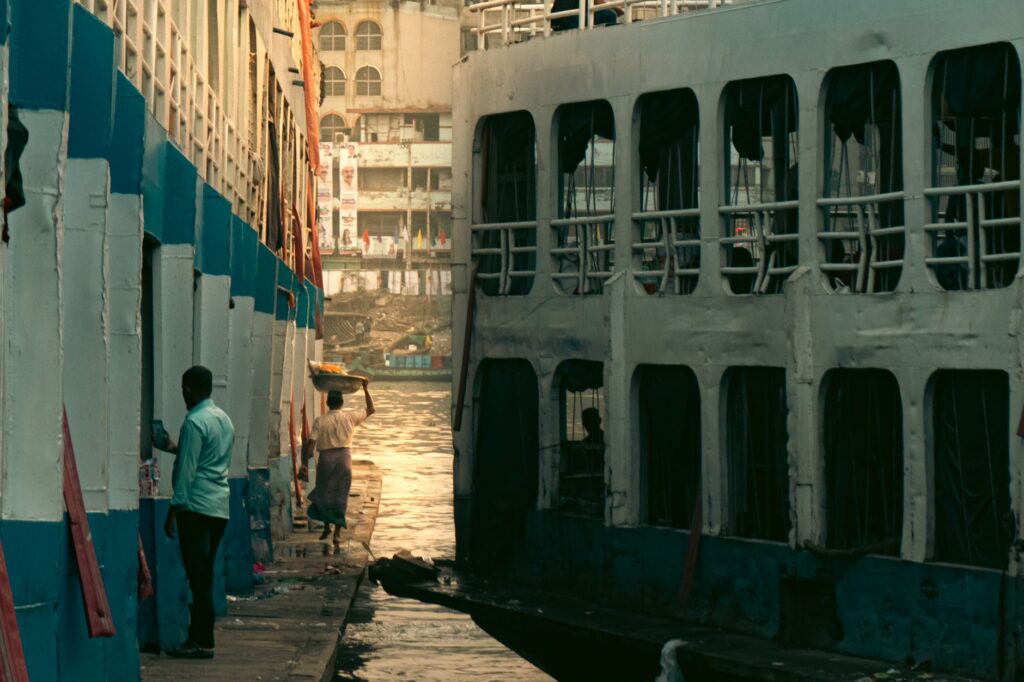
Vernacular Naval Architecture: Vessel Design
The shipbuilding technology developed in the Backwaters is a testament to environmental adaptation. Local artisans, using techniques passed down through generations, assemble vessel hulls without employing a single iron nail. Wooden planks are joined using braided coconut fiber ropes, a method known as panambu that grants the structure the flexibility needed to withstand water pressure and wave action without fracturing.
This ancestral construction method ensures boats maintain buoyancy and resistance under extreme conditions. Decks and roofs, woven from mature palm fronds, offer natural thermal insulation against intense tropical heat. The interior ergonomics of these vessels have been optimized to maximize cross-ventilation, allowing the constant flow of the lake breeze to maintain thermal comfort for passengers and crew during long commercial or tourist journeys.
The Role of Inland Ports and Transfer Nodes
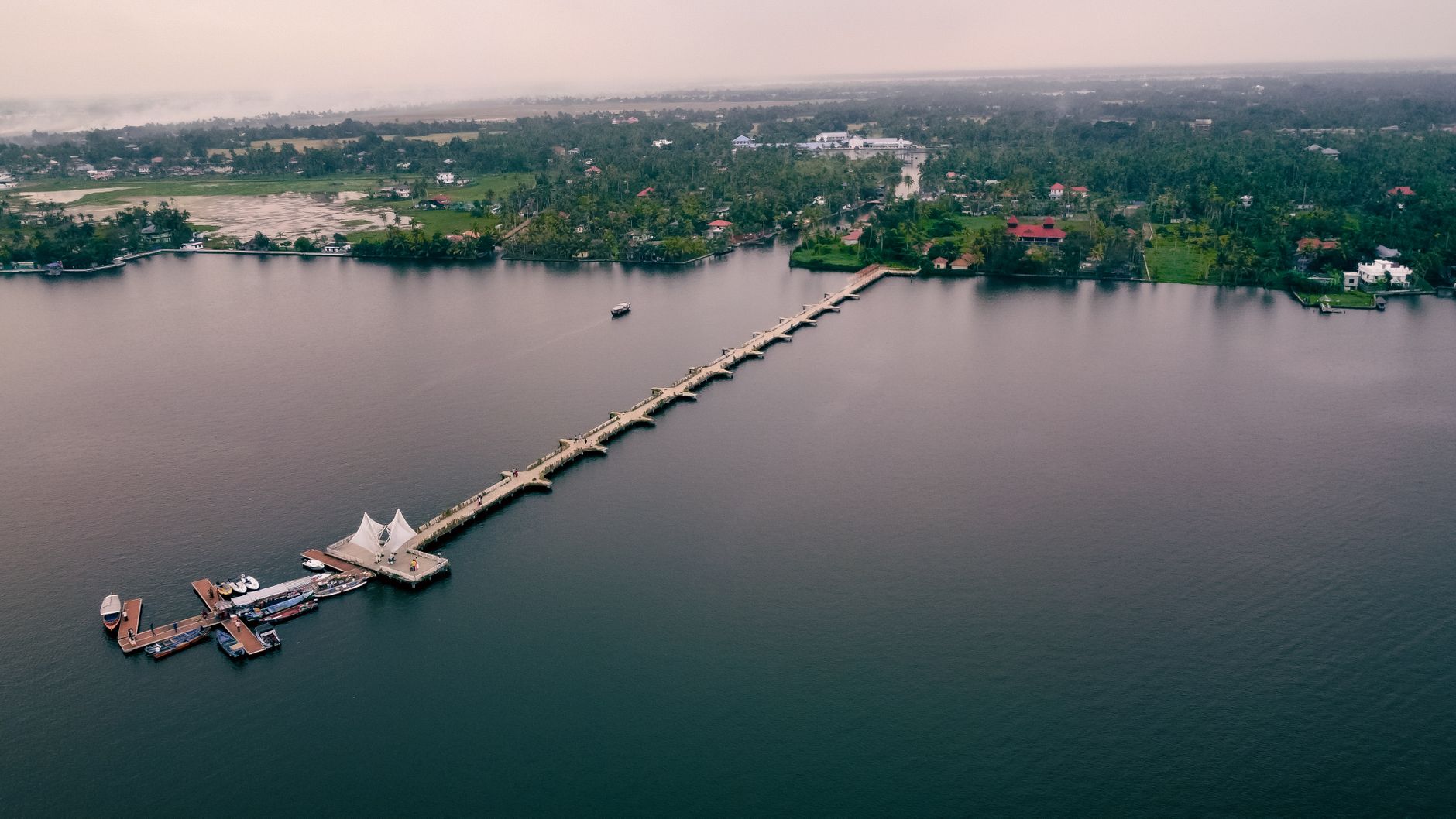
The efficiency of Kerala’s fluvial transport network critically depends on its supporting terrestrial infrastructure. Cities like Alleppey, historically acclaimed as the Venice of the East, and Kollam act as principal intermodal transfer logistics nodes. At these neuralgic points, goods arriving from interior plantations are unloaded from riverboats and transferred to trucks or trains bound for major metropolitan markets in India and abroad.
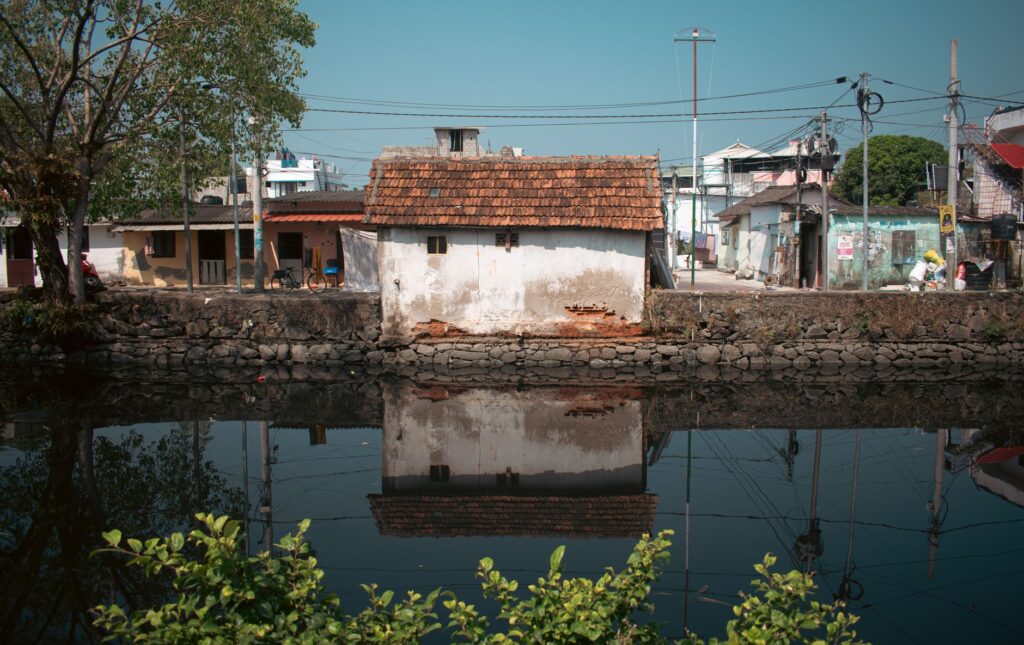
The modernization of these inland ports has been a priority in regional government development plans. Automated cargo terminals, cold storage systems for perishable goods, and floating docks facilitating safe mooring for vessels of various drafts have been implemented. This seamless integration between nautical and terrestrial transport significantly reduces logistical costs and transit times, consolidating the canals as a competitive commercial corridor in the twenty-first century.
Environmental Sustainability and Future Challenges of the Aquatic Ecosystem
The future of Kerala’s river transport system is inextricably linked to the sustainable management of its water resources. The proliferation of invasive water hyacinths, wastewater pollution, and the gradual decline of summer discharge in certain tributary rivers represent existential threats to network viability. Environmental management experts warn that without coordinated intervention to restore wetlands and curb canal siltation, long-term navigability will be severely compromised.

The true measure of development in Kerala’s canals is not measured in transit speed, but in the capacity to preserve the fragile ecological pulse sustaining navigation.
Faced with this scenario, public institutions and local communities are promoting bioengineering initiatives for riverbank restoration and introducing electric propulsion to the commercial and tourist fleet. The gradual replacement of diesel engines with hybrid and electric systems drastically reduces acoustic pollution and carbon emissions in calm waters, laying the groundwork for a truly sustainable mobility model in the region.
Practical guide
Planning a route or logistical analysis along the Kerala Backwaters requires understanding seasonality and transport options available in the region.
- Getting There: Cochin International Airport (COK) is the primary air entry point, situated within close proximity to major river nodes like Ernakulam and Alleppey.
- Public Ferry Network: Operated by the Kerala State Water Transport Department (SWTD), economical ferries connect virtually all riverside communities and represent the best option to observe local logistics in operation.
- Best Time to Travel: October to March offers stable and pleasant weather conditions; June to September allows witnessing logistics operating under the monsoon regime.
- Accommodation and Stays: Booking in advance with certified operators complying with environmental regulations for vessels and floating accommodations is highly recommended.
- Code of Conduct: Respecting the privacy of local communities inhabiting the riverbanks and strictly adhering to guidelines against littering in water is essential.
Epilogue: The Liquid Memory of a Living Landscape
Navigating Kerala’s century-old waters is stepping into a living archive where the history of commercial shipping is written with every stroke of the oar and every trace of wake on the lake surface. As the sun slowly descends behind the palm trees, painting the horizon in copper and violet tones, the canal system reveals its true essence: a masterpiece of human engineering that has learned to dialogue with nature rather than subdue it. In this corner of South Asia, water is not merely a means of transport, but the uninterrupted heartbeat of an ancient culture continuing to flow toward the future.