
The Peaks Where Stone Rules the Horizon
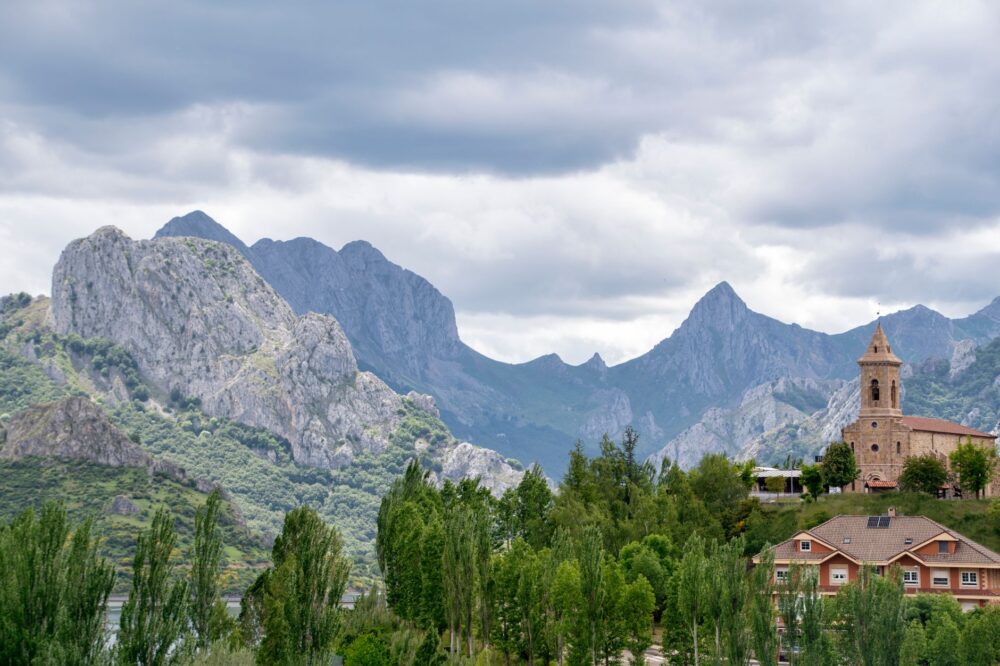
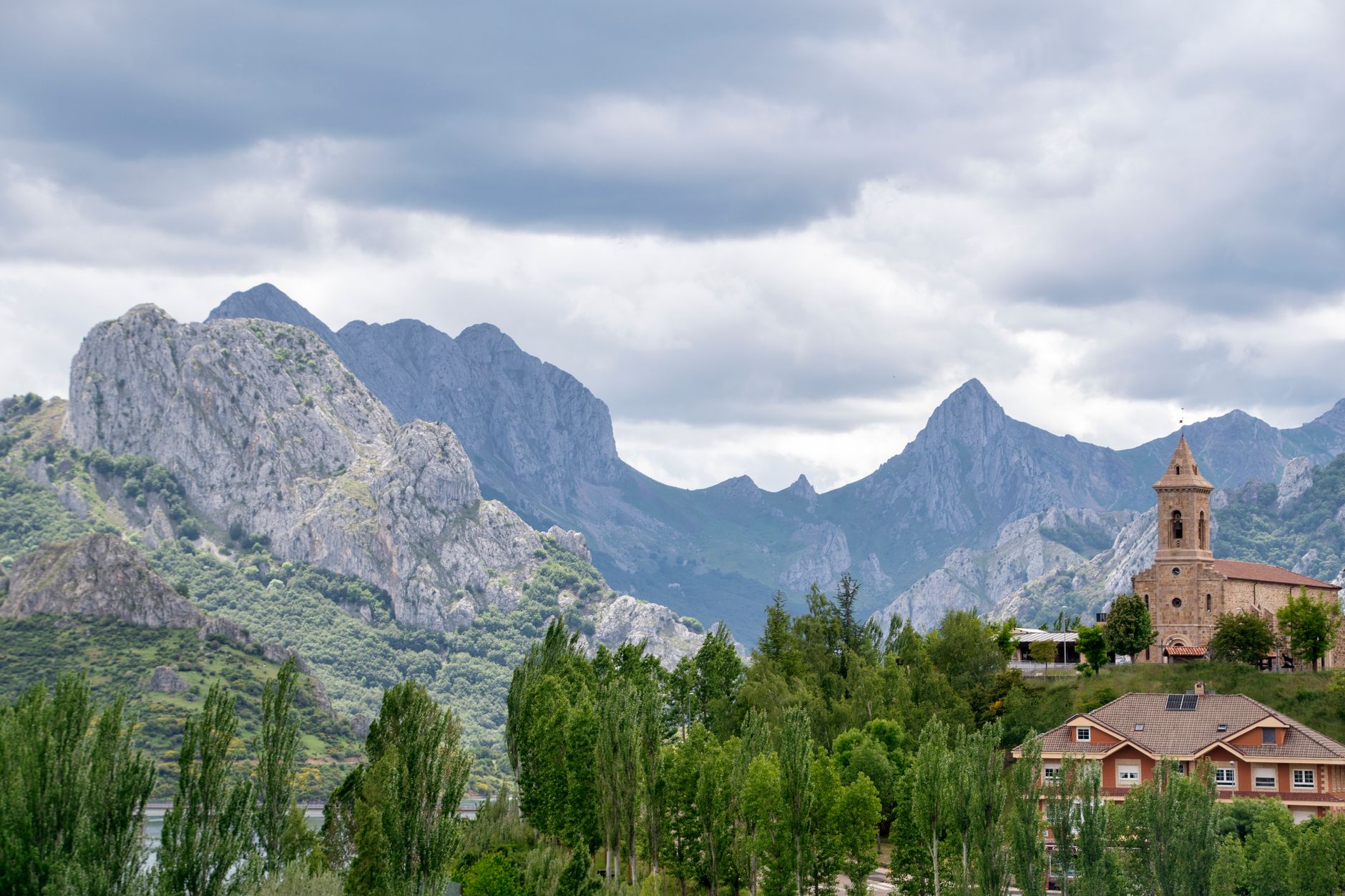
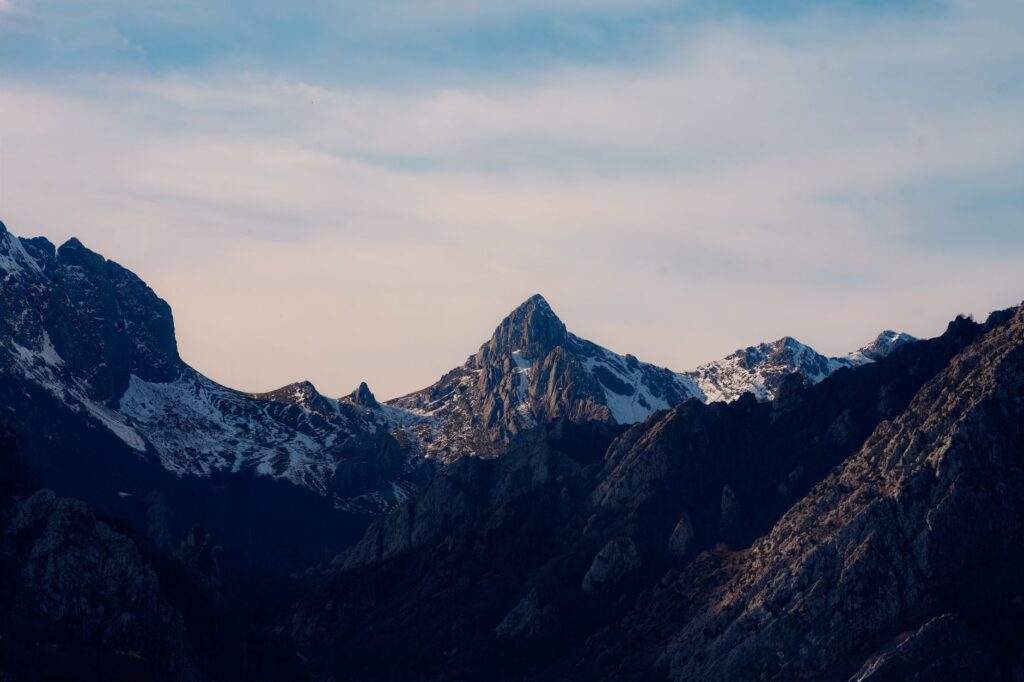
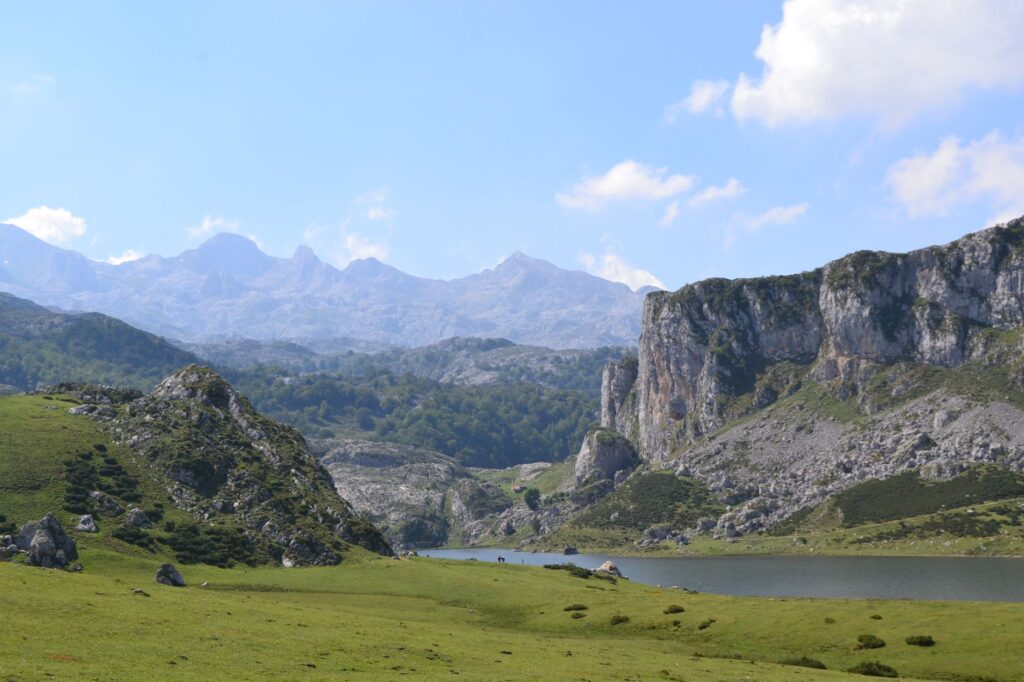
The Picos de Europa massif rises as a formidable fortress of limestone, sculpted by the ancient action of glaciers, relentless rains, and howling winds. In this territory of vertical chasms and deep shafts, survival demands extraordinary biological adaptations. At altitudes exceeding two thousand meters, where vegetation shrinks to tiny patches of alpine grassland and hardy lichens, lives one of the most tenacious symbols of Iberian fauna: the Cantabrian chamois. Their presence is far from seasonal; these ungulates have made the most inaccessible ridges their permanent home, defying the laws of gravity and withstanding the rigors of extreme winters that bury upland pastures beneath meters of snow.
The rugged topography of this national park, designated a Biosphere Reserve, features a natural fragmentation that directly shapes the species’ social behavior. The deep gorges carved by the Cares and Deva rivers act as geographic borders, isolating subpopulations and forcing biologists to monitor genetic diversity with meticulous care. Far from the bucolic image of green valleys, the Cantabrian high mountains are a stage of unrelenting demands. Here, every rocky outcrop and windy col tells a story of silent evolution, where the ability to scramble across near-vertical walls marks the difference between persistence and disappearance.
Anatomy of a Mountaineer: Extreme Morphological Adaptations
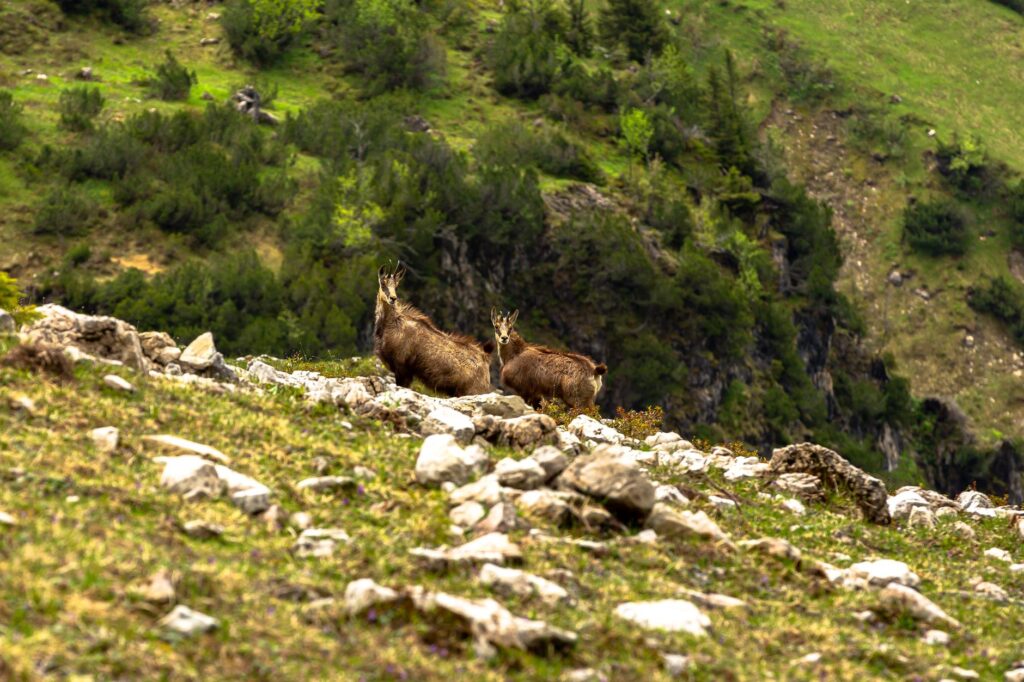
To understand how Rupicapra rupicapra parma manages to thrive in such a hostile environment, one must examine its bodily architecture. Unlike other large mammals, the chamois possesses hind limbs slightly longer than its front legs, a biomechanical layout that optimizes propulsion during vertical ascents and facilitates prodigious leaps across unfathomable crevices. Its hooves are genuine masterpieces of natural engineering: they feature hard keratin outer edges that act like crampons on frozen rock, while the central pads, soft and elastic in texture, function as natural suction cups capable of adhering to slippery surfaces.
Beyond its locomotor prowess, the chamois’s physiology is calibrated to endure drastic thermal fluctuations. Its coat undergoes a radical seasonal metamorphosis: during the summer months it sports a light reddish-brown tone, but as autumn approaches, this is replaced by a dense layer of dark hair and woolly underfur that doubles its thickness, guaranteeing perfect thermal insulation against freezing blizzards. This double layer of protection is complemented by outstanding visual acuity and an extraordinary sense of smell, indispensable sensory tools for detecting predators such as the Iberian wolf or the increasingly scarce presence of scavenging raptors in the upper tiers.
The summit does not yield its secrets to the hurried wanderer; it demands the patience of the entomologist and the humility of the mountaineer who observes in silence.
Seasonal Dynamics and Gregarious Behavior
The annual cycle of chamois is marked by vertical migrations driven by weather and trophic availability. During spring and summer, groups ascend to the highest screes and residual snowfields in search of tender shoots of grasses and rupicolous plants that emerge with the thaw. At this time, pregnant females and kids from the previous year organize into stable maternal herds, maximizing collective vigilance against potential aerial or terrestrial threats. Adult males, by contrast, tend to adopt solitary habits, reuniting with the herds only when the rut, locally known as the Entrada, transforms the summer landscape into a territory of intense territorial clashes.
With the arrival of the first autumnal snowfalls, the herds begin their descent toward sheltered zones, such as beech forests and birch groves located on shady slopes. This trophic movement is not without risk, as wet snow avalanches and food scarcity test the endurance of younger and weakened individuals. The park’s wardens, true sentinels of the territory, record these population oscillations year after year through synchronized censuses that allow them to evaluate the demographic health of the species with millimeter precision.
The Human Factor: From Traditional Pasture to Mass Tourism
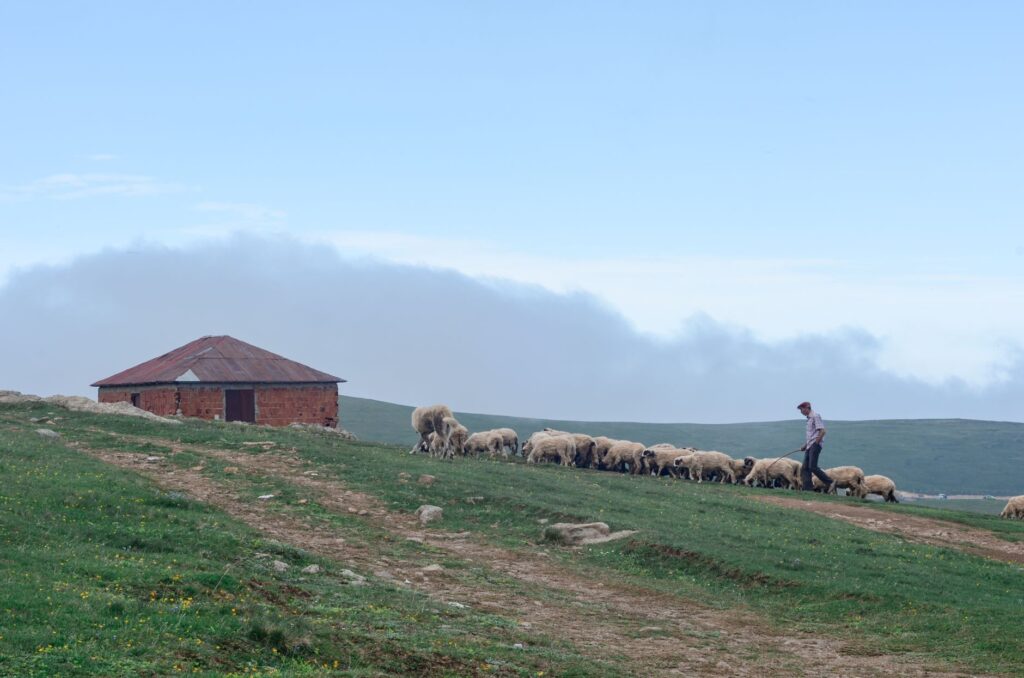
The relationship between humanity and the Picos de Europa possesses incalculable historical depth. For centuries, traditional shepherds shared the high mountain passes with chamois, practicing seasonal transhumance that shaped the landscape through controlled shrub burning and the maintenance of upland shielings. This ancient equilibrium began to shift in the late 20th century with the declaration of the national park and the gradual abandonment of traditional extensive livestock farming. While the reduction of direct human pressure allowed a remarkable recovery of the ungulate population, new challenges have emerged forcefully in the 21st century.
Today, the primary vector of stress for alpine fauna stems from seasonal tourist congestion and the poorly planned proliferation of mountain sports infrastructure. Uncontrolled hiking, the presence of off-leash dogs that disrupt chamois escape routes, and the intrusion of recreational drones flying over breeding areas generate episodes of acute physiological stress in the animals. Conservation associations and park authorities emphasize the urgent need to regulate visitor flows, reminding the public that the pristine beauty of these limestone walls is a fragile ecosystem that cannot tolerate the pressure of an open-air theme park.
Climate in Transformation: The Impact of Global Warming
No analysis of the future of the Cantabrian chamois can ignore the long shadow of climate change. Weather records from the past three decades in the Cantabrian Mountains show a sustained increase in average annual temperatures and a drastic reduction in the volume and persistence of the winter snowpack. This climatic alteration directly impacts plant phenology: high-mountain plants sprout earlier, but their cycle withers prematurely due to increasingly prolonged summer droughts, diminishing the nutritional reserves that animals need to accumulate before the arrival of cold weather.
Likewise, global warming favors the expansion of pathogenic vectors and parasitic diseases that historically found low winter temperatures to be a natural containment barrier. Outbreaks of sarcoptic mange, which decimated entire populations in other peninsular massifs in past decades, are monitored with extreme caution by the park’s veterinary services. The chamois’s capacity for adaptation in the face of this environmental acceleration remains a scientific unknown that keeps ecologists on high alert, reminding us that even on the highest peaks, the consequences of global human activity are keenly felt.
Practical guide
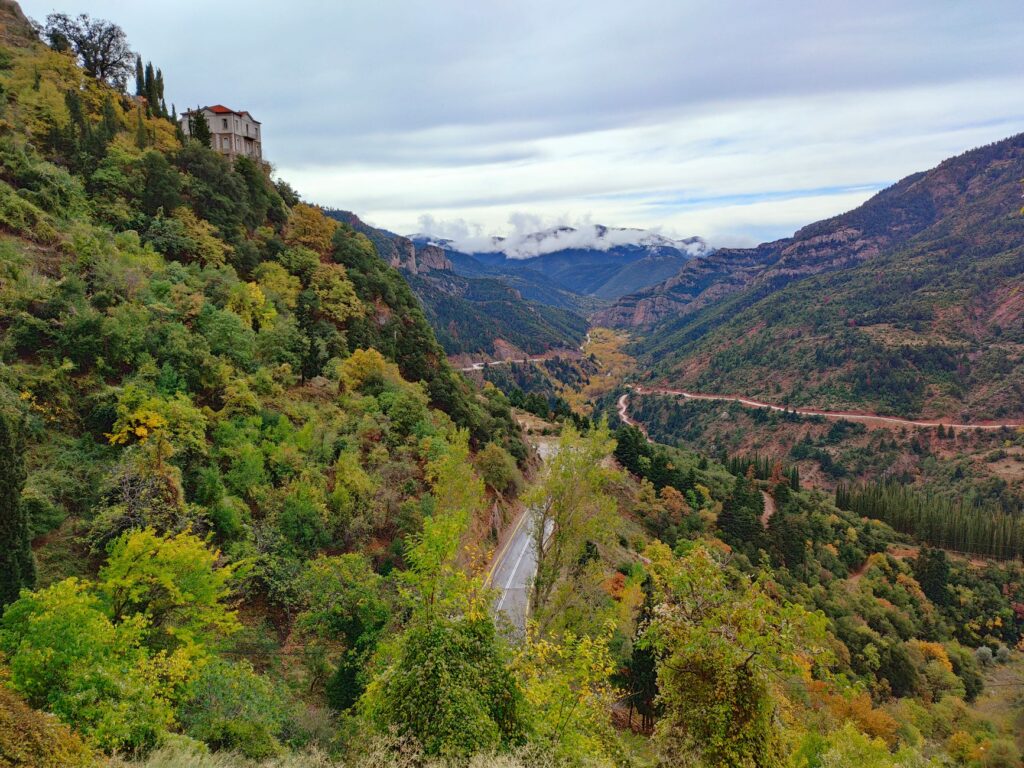
How to get there: The main access to the Picos de Europa is by road through iconic gorges such as La Hermida (N-621) in Cantabria, or via the general road to Arenas de Cabrales (AS-114) in Asturias. The airports of Santander and Asturias are just over an hour’s drive from the park’s main entry points.
When to visit: The months of May to June offer the spectacle of the thaw and the birth of the kids, while September and October allow visitors to witness the rutting season with stable temperatures and lower visitor numbers.
Access regulations: Camping outside authorized areas, lighting fires anywhere in the park, and walking with unleashed pets are strictly prohibited. Staying on marked trails is mandatory to prevent the erosion of fragile grasslands.
Recommended gear: Mountain footwear with high-traction soles, telescopic poles, technical layered clothing, quality rain gear, and long-distance binoculars for wildlife observation without interfering with animal behavior.
Refuge in the Stone
As evening falls, when the last rays of the sun dye the limestone walls of the Naranjo de Bulnes in fiery hues, silence reconquers the heights. In that twilight moment, the patient observer understands that the true essence of the Picos de Europa lies in its capacity to remain unaltered amidst modern turmoil. The chamois, a silhouette etched against the abyss, embodies the indomitable resilience of wild nature. Protecting this rocky habitat is not merely preserving an endemic species; it is honoring the ancient pact between humanity and the purest peaks of the Iberian Peninsula.