
The Serra de Tramuntana, the limestone spine traversing northwestern Mallorca, is not merely a geographical feature sculpted by wind and water, but a vast work of civil engineering and landscape design constructed stone by stone over centuries. Along its steep slopes, where bedrock looms relentlessly and water is a scarce commodity, generations of farmers tamed a hostile topography through the ancient art of dry-stone masonry. This territory, declared a UNESCO World Heritage Site in the Cultural Landscape category, encapsulates a living lesson on human adaptation, agricultural sustainability, and the survival of a craft that defies the logic of modern construction.
Far from the conventional sun-and-sand circuits characterizing the island’s coastal strip, venturing into the Tramuntana terraces demands pause, respect, and a trained eye to read the landscape. Each retaining wall, known locally as a pared de marjada, represents a delicate physical balance where gravity, friction, and empirical knowledge replace any form of mortar. This report explores the depths of this intangible heritage, examining the revival of traditional trades, conservation challenges in the 21st century, and the role of conscious tourism in safeguarding a rural ecosystem on the brink of extinction.
The Geography of Verticality and the Water Challenge
To grasp the magnitude of human effort in the Tramuntana, one must observe its extreme topography. The mountains drop abruptly into the Mediterranean, creating slopes frequently exceeding forty percent. In this seemingly unproductive setting, the scarcity of flat land forced early inhabitants to invent arable territory through the radical transformation of hillsides. The result is a colossal system of stepped terraces descending from the peaks to the sea, turning impossible ravines into fertile benches suitable for ancient olive groves, vineyards, and citrus orchards.
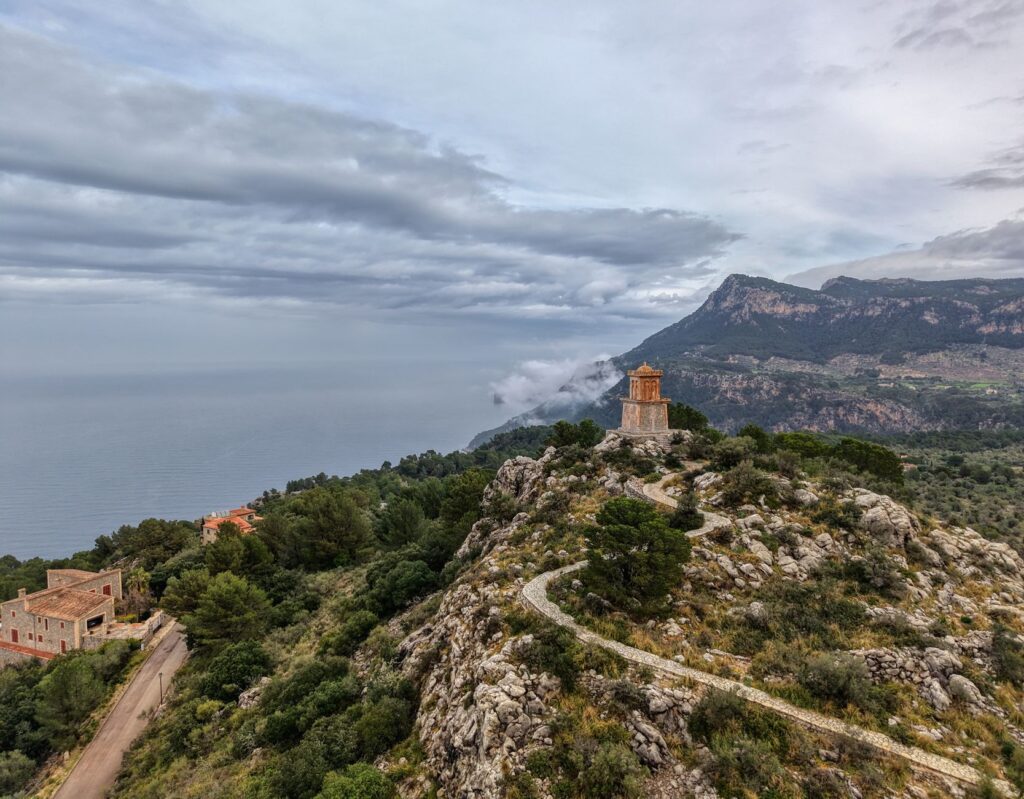
Water, a vital and scarce element, determined the hydraulic architecture associated with dry stone. Springs, channels, cisterns, and rudimentary drip-irrigation systems were designed to harness every drop of torrential rain without causing soil erosion. Dry-stone walls act simultaneously as retaining structures and massive natural filters allowing excess water to drain, preventing landslides. This seamless interaction between geology and agriculture demonstrates advanced ecological understanding, developed long before modern concepts of sustainability emerged.
The Craft of the Mestre de Parets: Geometry Without Blueprints
At the heart of this material culture is the figure of the mestre de parets, the artisan specialized in building and restoring dry-stone walls. Unlike conventional masonry, this trade uses no cement or millimeter-precise paper blueprints; it relies on spatial intuition, accumulated experience, and an almost symbiotic tactile relationship with the local limestone. The artisan selects each piece from the ground, assessing its weight, fracture face, and natural fit with adjacent stones, forming a high-stability three-dimensional jigsaw puzzle.
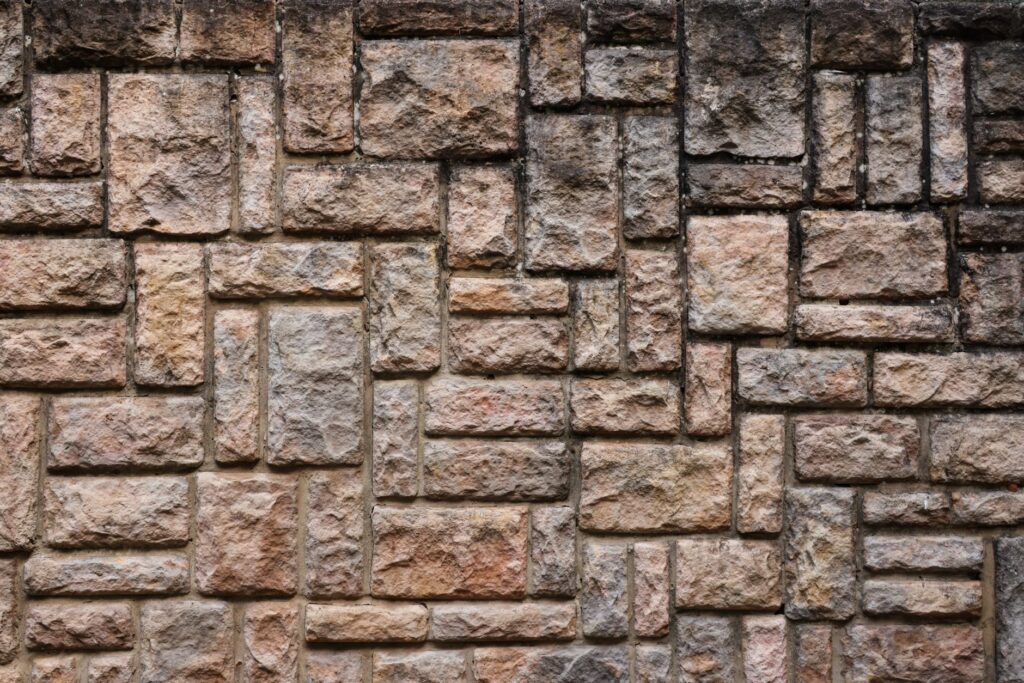
The construction process follows strict rules passed down through generations. The base of the wall, termed the cul, rests directly on bedrock or consolidated ground. Larger stones are placed in the foundations and corners, while the interior is filled with smaller rubble, known as rellotge or brut, which facilitates internal drainage. The top course, formed by flat, elongated stones called taperes or caps de cantó, crowns the structure and protects the core from direct rainwater infiltration. It is a discipline where physical error is paid for with the immediate collapse of the structure.
Dry stone is not a static vestige of the past, but a dynamic organism that breathes, filters, and sustains life on the Mediterranean’s steepest slope.
The Terraces of Ancient Olive Groves and Landscape Economy
The raison d’être for the kilometers of terraces crisscrossing the Tramuntana has traditionally been mountain agriculture, notably the cultivation of the Empeltre olive variety. Many of these specimens, twisted by centuries and anchored to the terraces by roots seeking rock fissures, exceed five hundred years of age. The fruit harvested under these conditions of water stress and altitude yields extra virgin olive oil with low acidity and complex nuances, protected by the Olive Oil of Mallorca Protected Designation of Origin.
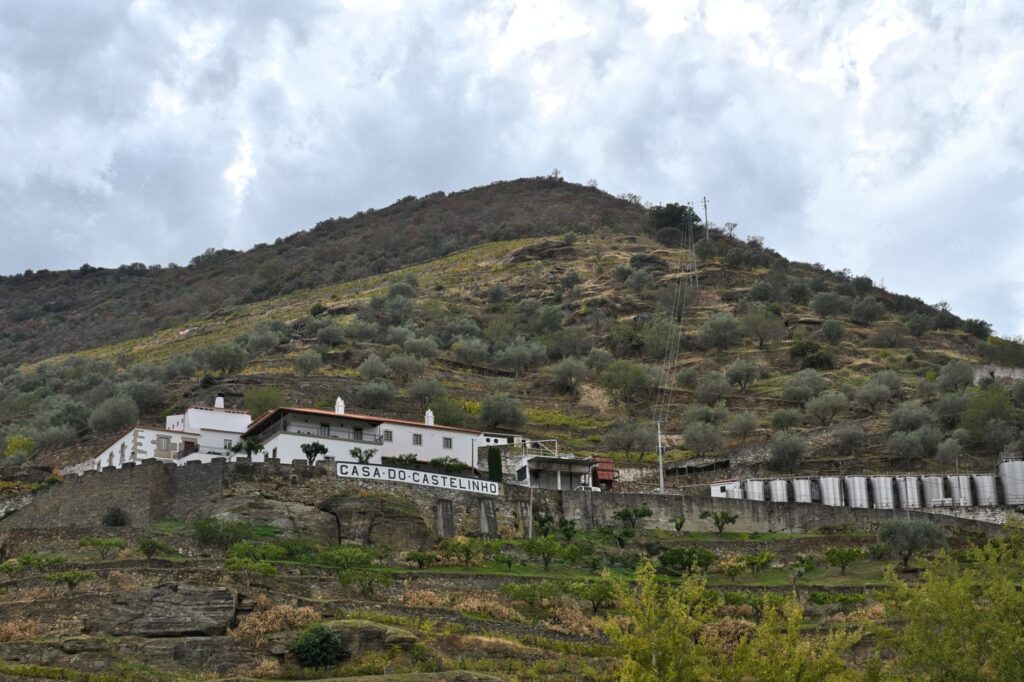
However, the economic viability of terrace farming remains fragile against global markets of subsidized agricultural produce. The abandonment of traditional farming holdings starting in the second half of the twentieth century marked the beginning of deterioration for numerous marjades. Without the constant maintenance performed by farmers—clearing brush, repairing minor collapses, and channeling runoff—walls yield to winter storms, triggering a cascading effect that degrades both cultural heritage and arable soil itself.
The Margers School and the Transmission of Knowledge
Faced with the real threat of the definitive loss of this know-how, local institutions and civil associations have launched decisive initiatives to ensure generational handover. The most notable example is the foundational Escola de Margers, an itinerant and specialized training center where the last traditional masters transmit the secrets of the trade to a new crop of apprentices, both local and arriving from other parts of Europe interested in heritage restoration.
Courses combine geological theory with intensive field practice. Students learn to identify local stone types, handle traditional hand tools—such as the mallet, pickaxe, and iron lever—and calculate static loads for sloping walls. This educational effort has not only revitalized the labor market for dry-stone professionals, but has endowed the sector with renewed social recognition, linking rural craftsmanship with contemporary requirements of bioclimatic architecture and landscape restoration.
Biodiversity and Microclimates in the Stone Refuge
The porous structure of dry-stone walls constitutes, beyond a physical barrier, one of the richest and most unique habitats for Balearic biodiversity. The absence of cement and the continuous presence of crevices and gaps between rock blocks generate a singular microclimate characterized by retained humidity and buffered thermal oscillation compared to the open environment.
This network of microhabitats serves as an essential refuge for numerous endemic flora and fauna species. Mosses, lichens, and rupicolous ferns carpet the shady faces of the walls, while cavities shelter reptiles such as the Lilford’s wall lizard (*Podarcis lilfordi*), small mammals, and exclusive regional invertebrates. Likewise, insectivorous birds use these walls as hunting grounds and nesting areas. Thus, human intervention has not fragmented the natural ecosystem, but rather expanded its biological complexity through the creation of a highly integrated artificial biotope.
Sustainable Tourism and Respect for Living Heritage
The rise of the Serra de Tramuntana as an international hiking destination—largely driven by the iconic long-distance trail GR 221, known as the *Dry Stone Route*—has posed new challenges in territory management. Thousands of walkers annually traverse ancient bridle paths, flanked by ancient walls, seeking to connect with Mallorca’s rural nature and history.
This tourist flow, though beneficial for the economy of mountain villages such as Deià, Valldemossa, Fornalutx, or Escorca, entails evident risks of erosion, waste accumulation, and accidental damage to rural architectural heritage. Island authorities and natural space managers actively promote codes of good practice among visitors, emphasizing the prohibition of climbing walls, the need to cross and close pasture gates, and the promotion of low-intensity tourism that collaborates in the valorization and preservation of the cultural landscape.
Practical guide
How to Get There
The natural gateway to the Serra de Tramuntana is Palma de Mallorca. From Son Sant Joan Airport, the most efficient option to explore the region flexibly is car rental. For those preferring public transport, the Consorci de Transports de Mallorca (TIB) bus network connects Palma with major mountain hubs via regular lines such as 201 (Valldemossa) and 210 (Sóller and Deià).
When to Visit
Ideal months for touring the Tramuntana are spring (March to May) and autumn (September to November). During this period, temperatures are mild for hiking, avoiding the stifling summer heat. Additionally, autumn coincides with the olive harvest and grape vintage.
Recommended Accommodation
Preference is given to lodging in rehabilitated ancient Mallorcan country estates converted into small-format rural hotels or agritourism spots integrated into the agricultural landscape. Establishments like Hotel Salvia in Sóller or L’Hermitage in Alaró guarantee a stay respectful of the surroundings and tied to local gastronomy.
Recommended Routes
The GR 221 section between Deià and Sóller, running along ancient terrace paths and centuries-old olive groves with constant Mediterranean views, offers an unbeatable introduction to the dry-stone landscape. The journey takes about three and a half hours of moderate walking.
Code of Conduct
Climbing dry-stone walls or removing stones from structures is strictly prohibited. Private property must be respected, transiting only along authorized paths, and wooden pasture gates (*portelles*) must be closed after passing to prevent local livestock escape.
The Last Stone: Memory and Persistence on the Horizon
At dusk, when the oblique light of the Mediterranean sun strikes the western slope of the Tramuntana, thousands of limestone terraces acquire an ochre and golden hue that accentuates the titanic geometry of the landscape. In that moment of silence, when coastal bustle fades and only the murmur of wind through ancient olive branches is heard, dry-stone work reveals its true human dimension. It is not merely a collection of inert walls accumulated to gain arable land, but the sculpted chronicle of a people who knew how to negotiate with the harshness of their geography and turn a slope into an enduring home.