
The World Capital of Living Waters
Budapest cannot be fully understood solely through its imperial boulevards, wrought-iron bridges, or the limestone crown of Parliament lining the Danube. Beneath the asphalt of this Central European metropolis beats an exceptional geological system formed by over a hundred thermal and mineral springs. This subterranean abundance, fed by deep tectonic faults, has made the city the only capital in the world officially holding the title of spa city. From the Roman era through the Ottoman occupation and the Austro-Hungarian golden age, warm water has acted as the guiding thread of urban life, shaping not only the architecture of health but also the sociology and daily rhythms of its inhabitants.
The phenomenon stems from a precise hydrogeological configuration: rainwater filters through the karst formations of the Buda hills, descends to great depths where it is heated by the Earth’s geothermal gradient, and ascends to the surface through tectonic fractures laden with essential minerals such as sulfates, calcium, magnesium, and bicarbonates. Far from being a mere recreational resource, this liquid heritage has evolved into a fundamental pillar of contemporary wellbeing, where clinical balneotherapy and historical architecture converge to offer a rigorous alternative to fast-paced mass tourism.
The Stony Legacy of the Sublime Porte
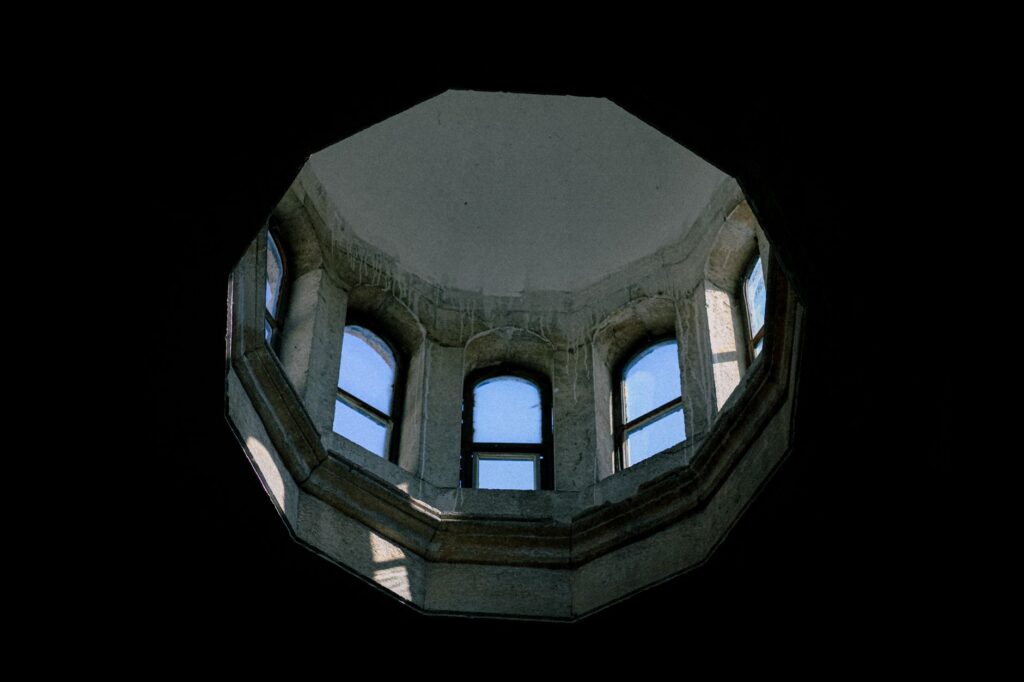
The most fascinating trace of this hydrothermal heritage is concentrated in the 16th-century architectural vestiges from the Ottoman rule over Buda. Baths such as Rudas, Király, or the historic Rácz were conceived not merely as spaces of hygiene, but as complex ritual and social hubs where the spirituality of water merged with Islamic construction mastery. The structures are organized around octagonal pools set beneath imposing domes pierced with tinted glass oculos, designed to filter beams of zenital light through the gloom and suspended steam.
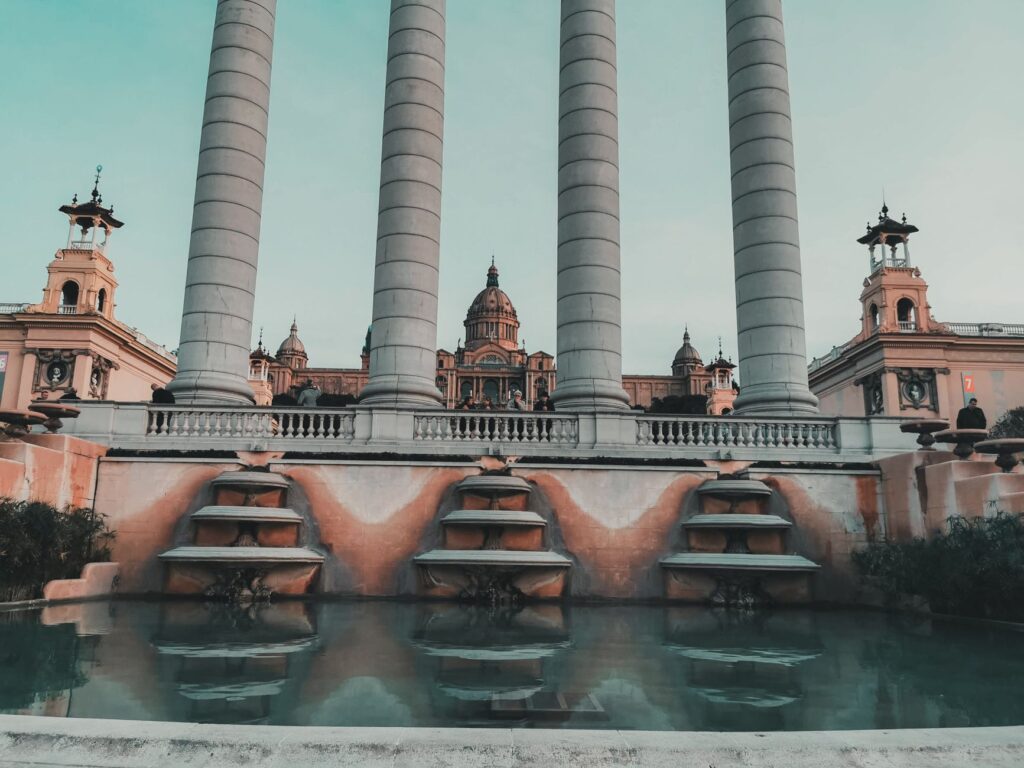
This interplay of light generates an atmosphere of profound introspection, where time seems to stand still. The tufa stone and red brick walls, hardened by centuries of mineral moisture, retain inscriptions in Ottoman characters and a vaulted acoustics that amplifies the constant dripping and the muffled murmur of bathers. The original engineering, based on gravity circulation and the natural pressure of the springs, continues to operate in many of these enclosures with minimal contemporary interventions, demonstrating a structural sustainability that challenges current building standards.
The Neobarroque Cathedral of Steam: Széchenyi
At the opposite end of the architectural spectrum lies the Széchenyi complex, inaugurated in the early 20th century in the heart of City Park. With its monumental yellow neobaroque facades, this thermal colossus represents the democratization and monumental splendor of public bathing in Central Europe. Its three large outdoor pools, steaming even on the coldest Central European winter mornings, host the iconic ritual of chess masters playing matches on floating boards while the water reaches thirty-eight degrees Celsius.
The interior of the facility is a labyrinth of steam rooms, Finnish saunas, cold plunge pools, and medical hydrotherapy cabinets that serve both patients referred by the Hungarian public health system and travelers seeking physical recovery. The management of this vast complex requires rigorous control of the microbiological quality of the water and flow rates, ensuring that the liquid comes directly from deep local artisan wells without losing its original therapeutic properties.
Geometry and Health: The Rigor of the Gellért Baths
At the foot of the eponymous hill, flanking the western head of Liberty Bridge, stands the Hotel and Gellért Baths, the ultimate expression of Hungarian Art Nouveau and the Secession style. Opened in 1918, the complex combines Belle Époque spa luxury with an iron and glass structure that bathes Zsolnay ceramic mosaics in a golden, diffused light. Marble columns, allegorical statues, and coffered ceilings configure a secular cathedral dedicated to the cult of the body and mental repose.
The scientific rigor underpinning treatments at Gellért dates back to the early last century, when Hungarian thermal medicine began cataloging the specific effects of each spring on the musculoskeletal and circulatory systems. The indoor swimming pools, surrounded by galleries with balustrades and restored stained-glass windows, operate under strict temperature and water-exchange protocols, ensuring that the experience combines clinical rigor with unparalleled aesthetic immersion on the continent.
Thermal water is not a recreational artifice, but a liquid geological archive connecting the Earth’s crust with the biological memory of those who inhabit it.
The Contemporary Ritual of Silent Wellbeing
Faced with the saturation of conventional tourist circuits, Budapest’s spa scene has successfully transitioned toward a model of conscious wellbeing that prioritizes silence, digital disconnection, and respect for individual biological rhythms. The new protocols implemented in historic baths propose restricted access time slots, mobile phone bans in thermal pool areas, and specific guided breathing and meditation programs in steam chambers aromatized with eucalyptus and alpine herb essences.

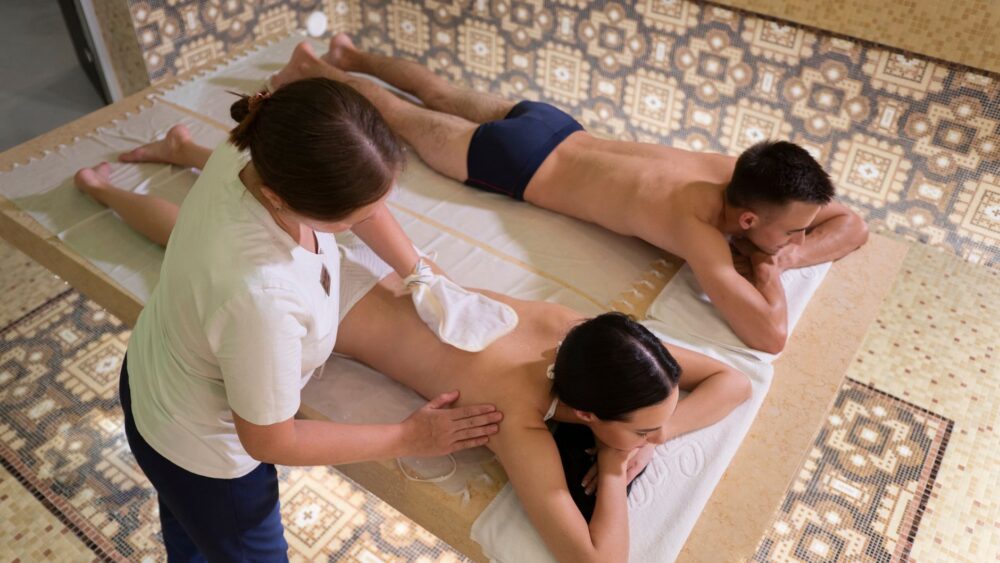
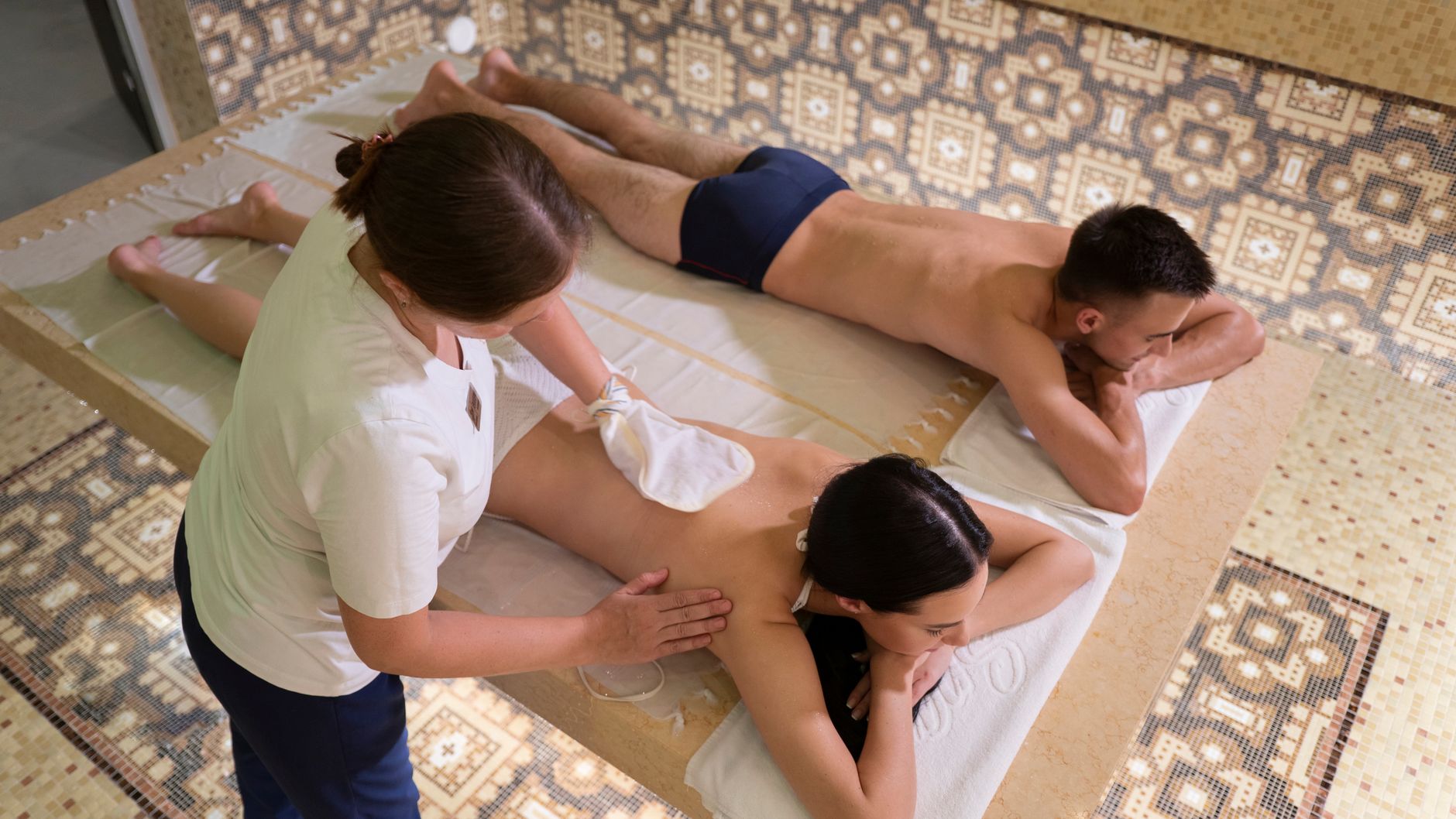
This evolution responds to a growing demand from contemporary travelers who no longer seek merely passive leisure, but tangible tools to mitigate chronic stress and digital fatigue. Hydrotherapy thus combines with modern myofascial physiotherapy techniques and traditional Hungarian massages based on deep tissue manipulation, consolidating the Hungarian capital as an international benchmark at the intersection of historical heritage and integrative medicine.
The Invisible Chemistry of Hungarian Springs
To understand the efficacy of these baths, it is necessary to examine the physicochemical composition of their waters. Rudas spring, for example, stands out for its high content of sulfur, calcium, and natural radioactivity in controlled therapeutic doses, which stimulates articular cartilage regeneration and relieves chronic inflammatory pain. Meanwhile, the waters of Széchenyi, rich in metasilicic acid, possess notable dermatological properties, softening the epidermis and favoring the healing of mild skin conditions.
This complex mineral cocktail is subjected to daily biochemical monitoring by independent health agencies, auditing both the purity of the sources and the ozone and ultraviolet filtration systems. This rigorous control ensures that, despite high daily visitor numbers, biosecurity standards remain at the most demanding levels of the European Union, protecting both public health and the integrity of the fragile underground ecosystems feeding the wells.
True sophistication in wellness travel lies in the capacity to inhabit historical silence while the body surrenders to natural thermodynamics.
Practical guide
How to get there: Budapest Ferenc Liszt International Airport connects with major European hubs via regular and low-cost airlines. From the terminal, bus 100E links directly to the city center in approximately forty minutes. The municipal metro and tram network provides access to any of the main thermal complexes in under a quarter of an hour.
When to go: The most propitious season to experience thermal baths spans the autumn and winter months (October to March), when the thermal contrast between hot outdoor water and external ambient temperature enhances cardiovascular effects and the sense of detachment. Spring offers mild mornings with lower local visitor traffic.
Etiquette and equipment: Swimming caps are mandatory in the Olympic-length swimming pools, though not always in the medicinal thermal pools. It is recommended to purchase tickets online in advance to avoid long queues at the ticket office, especially at the Széchenyi and Gellért complexes. Electronic lockers and private changing cabins are included in most general rates.

Recommended accommodations: For a complete historical immersion, the Danubius Hotel Gellért offers direct access to the eponymous thermal complex. On the Pest side, the Corinthia Budapest combines classical luxury with modern spa and wellness facilities inspired by Austro-Hungarian tradition.
Health and contraindications: Hyperthermal waters are not recommended for individuals with severe cardiovascular pathologies, uncontrolled hypertension, or acute febrile processes. It is advisable to limit continuous immersion to a maximum of twenty to thirty minutes, followed by resting periods in designated relaxation areas.
Steam as the Ultimate Refuge
When dusk falls over the banks of the Danube and the lights of historic bridges begin to reflect on the dark water of the river, the rhythm of Budapest slows down imperceptibly. Inside the centuries-old domes of Rudas or beneath the open sky of the Széchenyi pools, the enveloping heat acts as an impassable frontier against the agitation of the outside world. In this liquid refuge, where millennial stone and earth thermodynamics converge, the traveler finds a form of stillness unattainable in conventional tourist circuits, reminding us that the true wealth of contemporary travel lies in conscious pause and the reunion with the essential elements of nature.