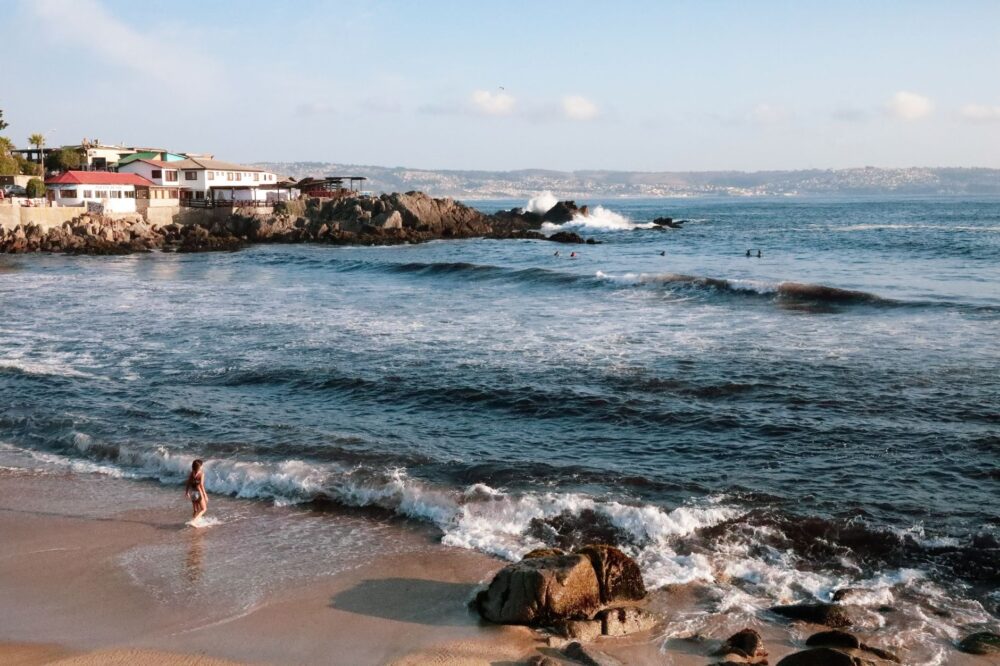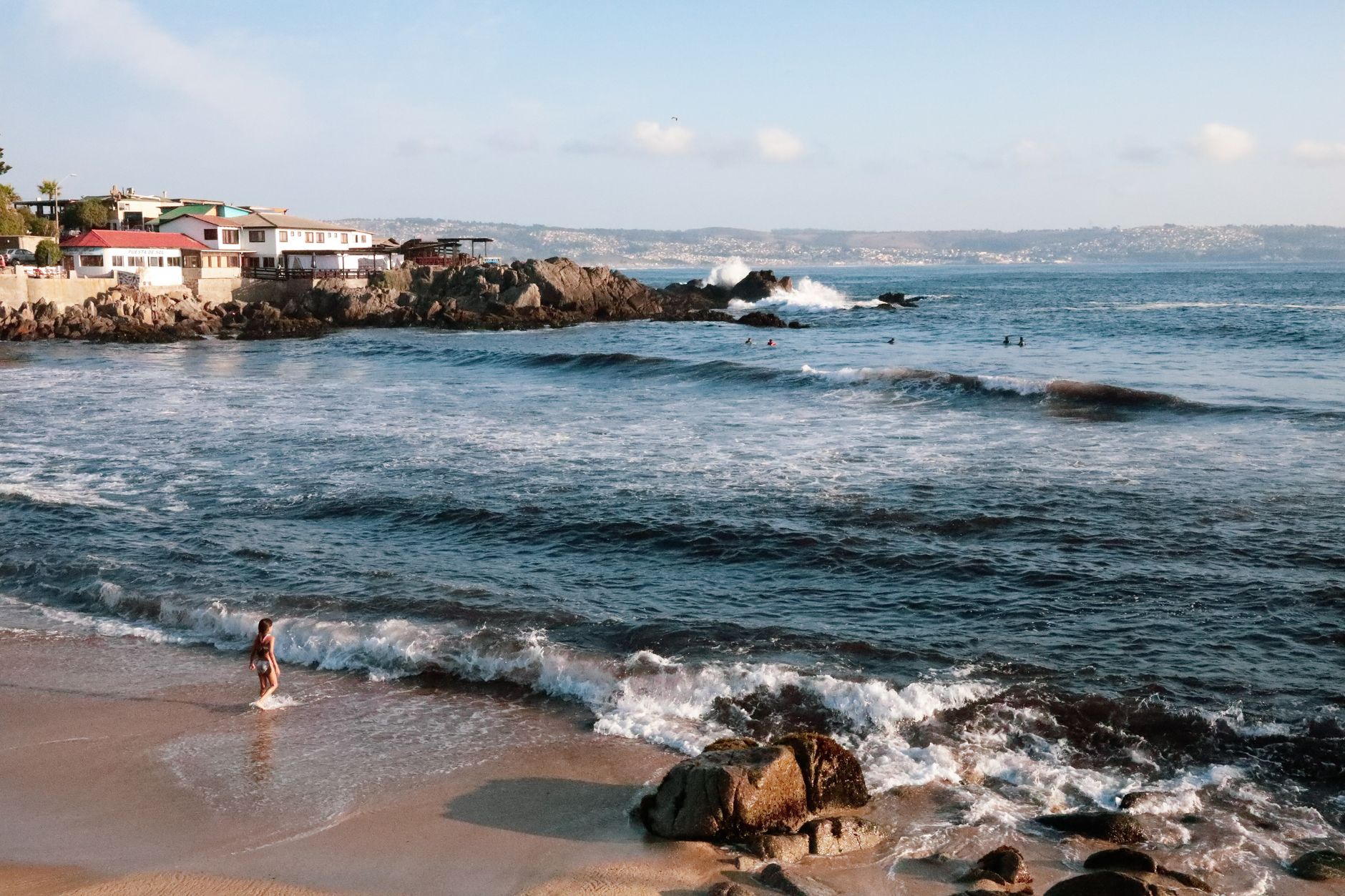

World Tourism Day is seldom greeted with unanimous celebration in cities that bear the heavy burden of history and urban fragility. On the Chilean coast, the date acts rather as an implacable thermometer measuring the distance between the romantic postcards of colorful hills and the harsh daily reality of its residents. Valparaíso, a natural amphitheater carved by the Pacific and declared a UNESCO World Heritage site, finds itself today at a decisive turning point. While national authorities debate targets for international visitor arrivals following years of global contraction, the principal port faces an uncomfortable yet inescapable question: how to transform itself into a world-class destination without losing its soul in the process?
The answer requires looking beyond the superficial gloss of restored funiculars and the murals covering every corner. The traditional tourism model, based on the fleeting visits of cruise ships and long weekends originating in Santiago, shows clear signs of structural exhaustion. The tensions between accelerated gentrification, the abandonment of historic buildings, and urban waste management paint a picture where the economic growth promised by the industry frequently collides with the quality of life of local communities. This report examines the real challenges facing Valparaíso and Chile as a whole in consolidating a mature, conscious, and truly sustainable tourism industry.
The geography of vertigo: urbanism and port resilience
Understanding Valparaíso entails accepting the rules of its extreme geography. Forty-two hills plunge abruptly toward a narrow flatland where port and institutional activity beats. This spatial configuration, which captivated poets like Pablo Neruda and navigators worldwide, represents today the greatest logistical and security challenge for contemporary tourism. Connectivity between the hills and the flatland depends on century-old elevators, steep staircases, and winding streets that defy gravity.
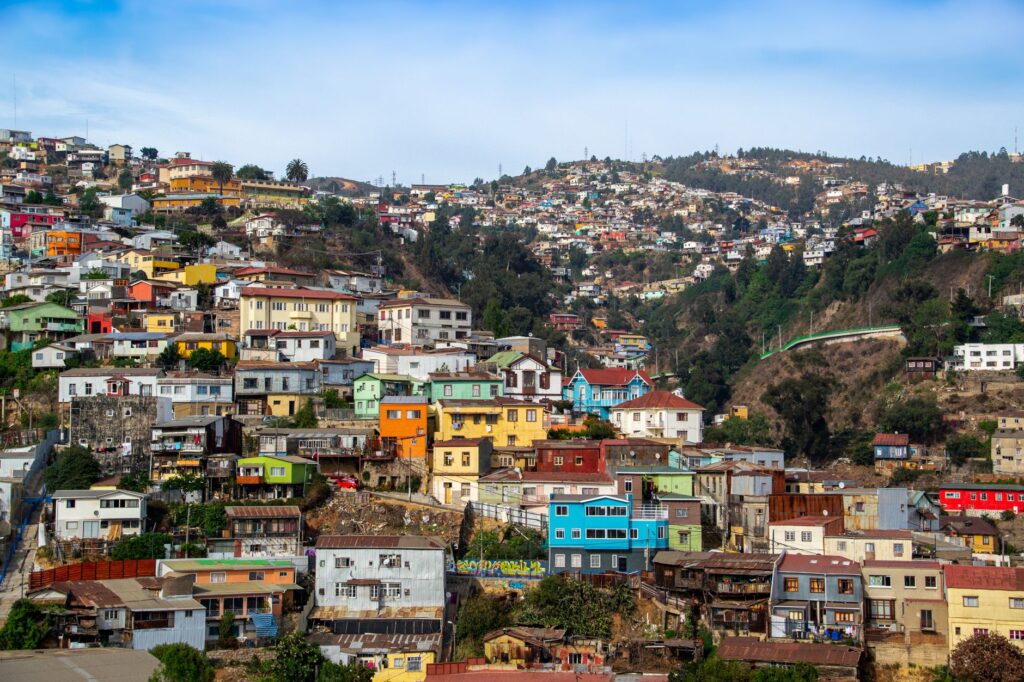
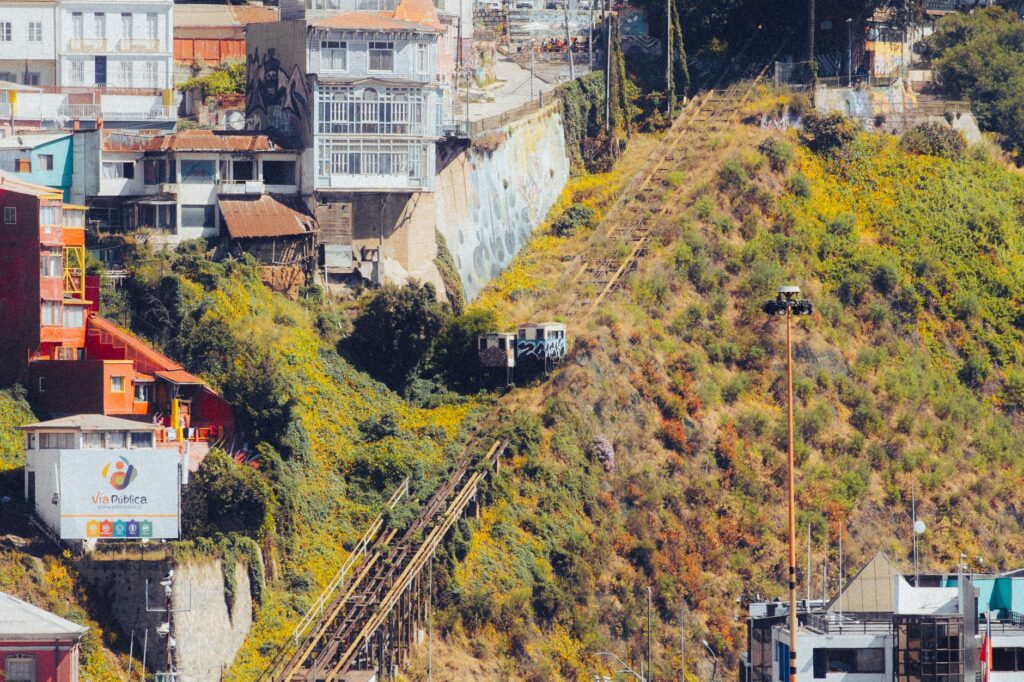
In recent years, vulnerability to forest fires and the structural deterioration of the funiculars have laid bare the fragility of tourist infrastructure. Public and private investment plans have attempted to rescue key pieces of this mechanical heritage, but the speed of recovery often lags behind natural wear and tear and the impact of climate change. Risk management is no longer a minor technical matter, but a fundamental pillar of the traveler’s experience and citizen safety.
Between heritage and abandonment: the UNESCO paradox
The international recognition granted by UNESCO in 2003 promised a golden age of protection and economic development driven by a steady stream of visitors. Two decades later, the balance generates deep debates among urban planners, cultural managers, and residents. Many Victorian and Art Nouveau mansions suffer silent deterioration, trapped in complex webs of inheritance, a lack of effective tax incentives, and a chronic shortage of municipal resources for heritage restoration.
The heritage designation has generated a double-edged phenomenon. On one hand, it attracts a segment of tourists interested in architecture and urban history; on the other, it drives up the cost of living in historic neighborhoods, displacing traditional residents and encouraging the proliferation of informal accommodations. This imbalance alters the social fabric that precisely gives life and authenticity to the port neighborhoods, turning iconic sectors into hollow stages during the off-season.
Urban art as language and contested territory
No element defines Valparaíso’s contemporary visual identity as powerfully as its murals and graffiti. The walls of Cerro Alegre, Concepción, and Cárcel function as an open-air gallery where local and international artists converge. This phenomenon transformed the city into a global benchmark of urban art, attracting thousands of photographers and visual culture enthusiasts.
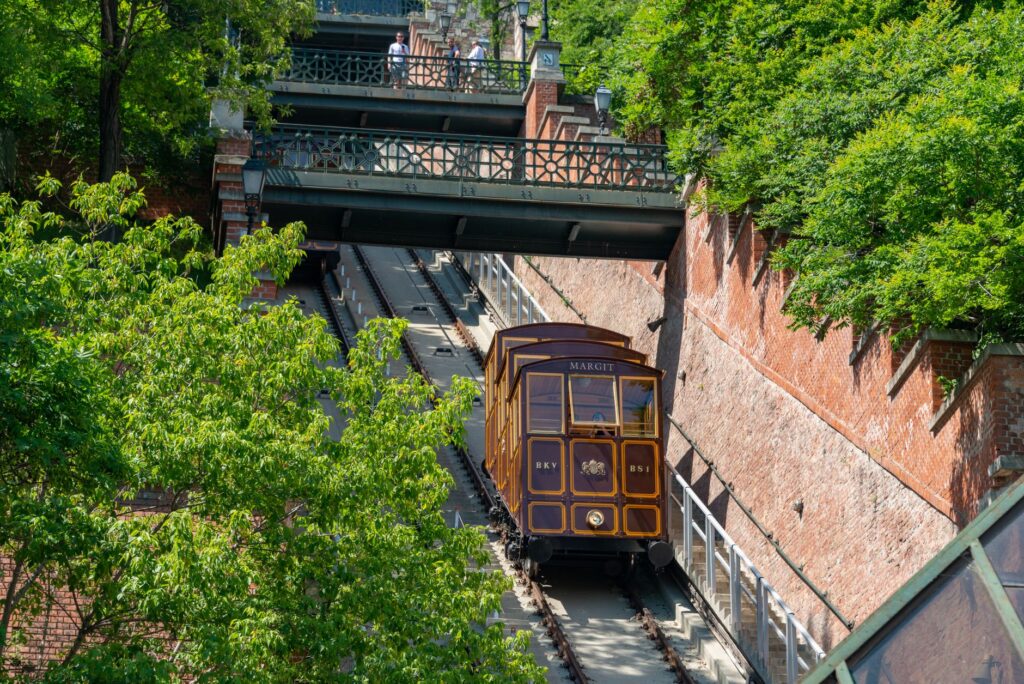
However, the thin line between authorized artistic intervention and uncontrolled vandalism generates permanent friction. While some sectors celebrate continuous aesthetic renewal, others denounce visual saturation and disrespect for protected heritage buildings. The current discussion focuses on how to regulate and value this ephemeral heritage without destroying the defiant spontaneity that gave it birth, integrating artists themselves into participatory cultural management plans.
Tourism in Valparaíso can no longer remain an exercise in passive contemplation from a cruise ship; it must become a horizontal dialogue that respects the rhythm and dignity of those who inhabit the port.
The visitor economy: beyond the cruise passenger
The economic profile of tourism in Valparaíso has historically been dominated by seasonality and rapid transit passengers. The large cruise ships docking in the bay during the summer months discharge thousands of tourists who take express tours of the most commercialized spots, leaving a limited economic impact on small businesses in the hills and generating, instead, significant vehicular congestion in the flatland.
Local operators and trade associations agree on the urgency of diversifying the offering toward longer-stay tourism. This implies promoting experiences linked to local gastronomy, traditional craft workshops, wine tourism in the nearby Casablanca Valley, and literary and maritime routes. Consolidating this shift requires integrated digital platforms, improved public security, and an international promotion strategy that positions Valparaíso not as a few-hour stopover, but as a base destination to explore central Chile.
The role of the community: resistance and tourism co-management
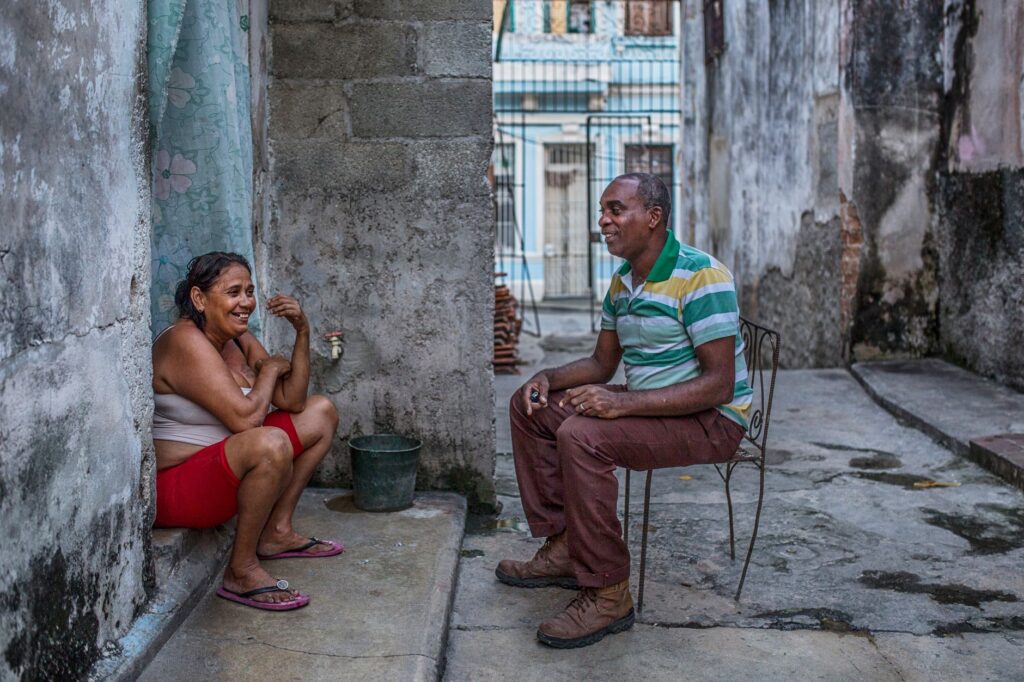
One of the most significant advances in the discussion about Valparaíso’s tourism future is the growing demand for citizen participation in planning decisions. Neighborhood councils, cultural collectives, and social organizations have ceased to be mere spectators affected by visitor flows, becoming active political actors demanding a development model based on co-management.
Community tourism experiences in less crowded hills, such as Polanco or Barón, demonstrate that it is possible to decentralize economic flows and offer a more authentic and respectful view of port life. These initiatives prioritize local commerce, educate visitors about the social history of the port, and mitigate the negative effects of overcrowding on traditional circuits, proving that sustainability is not just a marketing label, but a daily practice.
Chile before the global mirror: sustainability and diversification
Valparaíso’s challenges act as a microcosm of the dilemmas facing the tourism industry nationwide. Historically, Chile has focused on promoting its major extreme natural attractions—from the Atacama Desert to Patagonia—under the banner of adventure tourism and pristine nature. However, diversification toward urban and heritage tourism remains an unfinished and complex task.
Public policies promoted by the National Tourism Service (Sernatur) point toward decentralization and the sustainability certification of service providers. Despite these advances, structural gaps persist in digital connectivity, road infrastructure, and bilingual training. The great challenge for the country is to demonstrate that growth in international arrivals does not compromise local ecosystems or place unsustainable pressure on host communities.
The true test of maturity for Chilean tourism does not lie in breaking statistical visitor records, but in the capacity to preserve the identity of its most fragile territories.
Practical guide
How to get there: Valparaíso is located about 120 kilometers northwest of Santiago. The main access is by bus from the Pajaritos or Alameda terminals in the capital, with frequent departures taking approximately one and a half hours. By private vehicle, Route 68 connects both cities directly.
When to go: The high season runs from December to February, coinciding with the austral summer and the heaviest cruise ship traffic. For a quieter and climatically pleasant experience, the autumn months (March to May) and spring (September to November) offer moderate temperatures and less congestion.
Accommodation: It is recommended to prioritize boutique hotels and family-run guesthouses located on Cerro Alegre and Concepción, which are often housed in restored heritage mansions. It is essential to verify that establishments hold formal registration with Sernatur.
Urban mobility: Avoid driving a car into the hills due to narrow streets and a shortage of parking spaces. Use operating historic elevators, local public transport (micros), and walk with comfortable, slip-resistant footwear.
Gastronomy and shopping: Prefer local markets like Mercado Cardonal for traditional cuisine and small independent artist workshops in the hills to acquire authentic souvenirs and crafts, avoiding mass intermediaries.
The sunset over the bay of Valparaíso unfolds a spectacle of golden light tinting the corrugated iron roofs and ships anchored in the port, a visual reminder that the beauty of this edge of the world lies as much in its historic splendor as in its indomitable capacity for daily resilience. As the lights on the hills begin to flicker on one by one in the gathering dusk, the city continues to write its complex tale, reminding every traveler that the true wealth of a destination is measured not by the number of visitors it attracts, but by the depth of respect with which it regards itself and its people.