
Origins in the Cordillera Mist
The history of the world’s great railway corridors is usually written with the ink of coal, the sweat of thousands of workers, and the unbridled ambition to connect territories that nature seemed to have separated forever. In the case Peru’s Central Railway, historically known as the Trans-Andean Railway, the route is not merely a transportation line: it is a scar of iron and stone deliberately traced across one of the most implacable reliefs on the planet. From sea level at Callao, the railway embarks on an unrelenting ascent that, in little more than two hundred kilometers, reaches the Galera station at a dizzying altitude of 4,781 meters above sea level. This feat of civil engineering was not born of modern caprice, but of an imperative need to connect the mineral resources of the central highlands with the Pacific coastal ports.
During the second half of the 19th century, the Peruvian government entrusted Polish engineer Ernest Malinowski with the titanic task of designing a route climbing through the steep gorges of the Rímac River. Chronicles of the era detail how teams of surveyors hung from harnesses over bottomless abysses to map contour lines, facing epidemics, extreme temperatures, and oxygen deprivation that disoriented even the most experienced men. Every kilometer won from the mountain demanded unprecedented technical solutions, turning the Peruvian Andes into an open-air laboratory testing the limits of human endurance and railway technology. The construction of this corridor not only transformed the export economy of the Andean nation but also set a precedent for mastering geographical verticality without irreversibly altering the fragile balance of high-altitude ecosystems.
The Architecture of Verticality: Bridges and Switchbacks
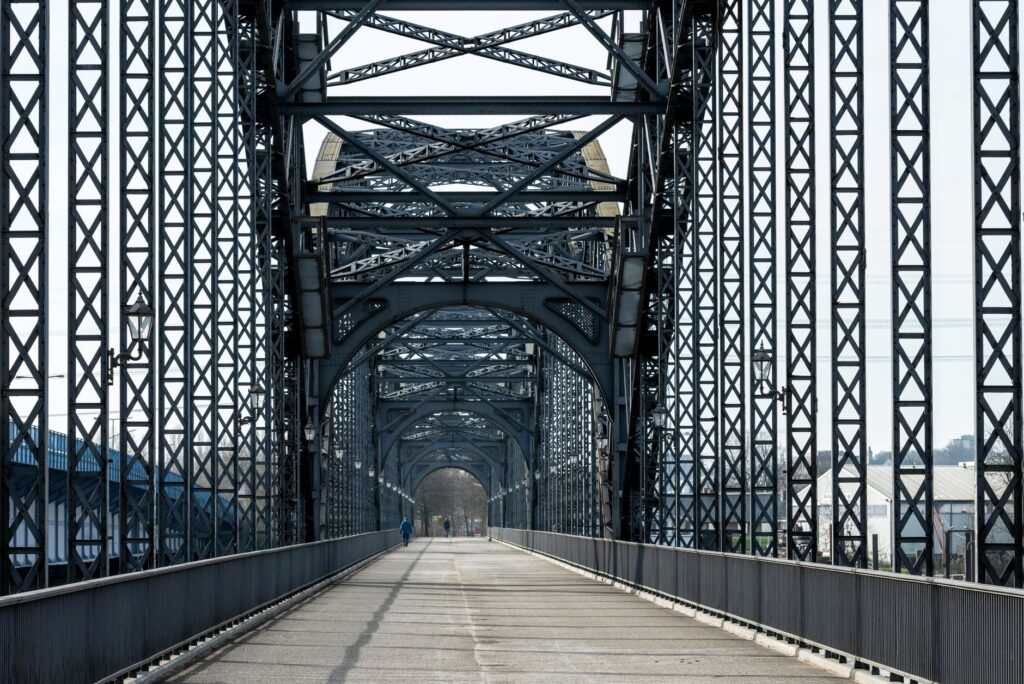
Overcoming such drastic elevation changes over short distances required the invention and application of complex traction and routing systems. One of the most emblematic elements of this infrastructure is the famous switchbacks or reversals, a mechanism by which the train climbs or descends impossible slopes by alternating forward and reverse travel directions. This system allowed locomotives to gain height in stages within spaces where a traditional sharp curve was physically impossible due to the turning radius of heavy trains. Alongside these impossible grades, the landscape is dotted with monumental metal bridges spanning deep canyons carved by glacial torrents, notably structures like the Verrugas bridge, whose complex lattice design challenged engineering manuals of its day.
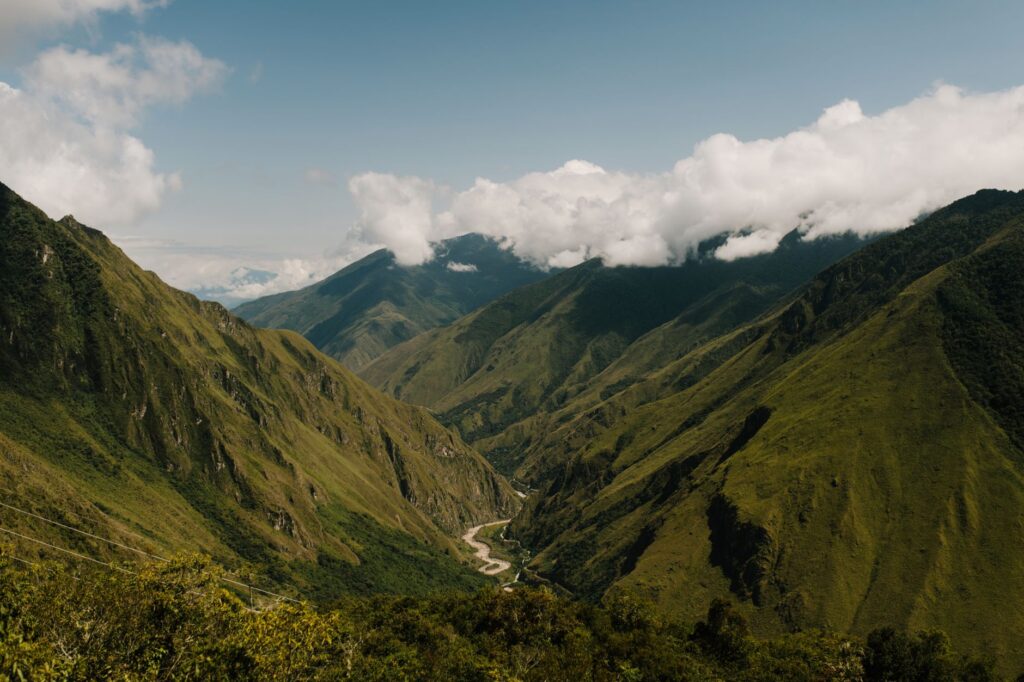
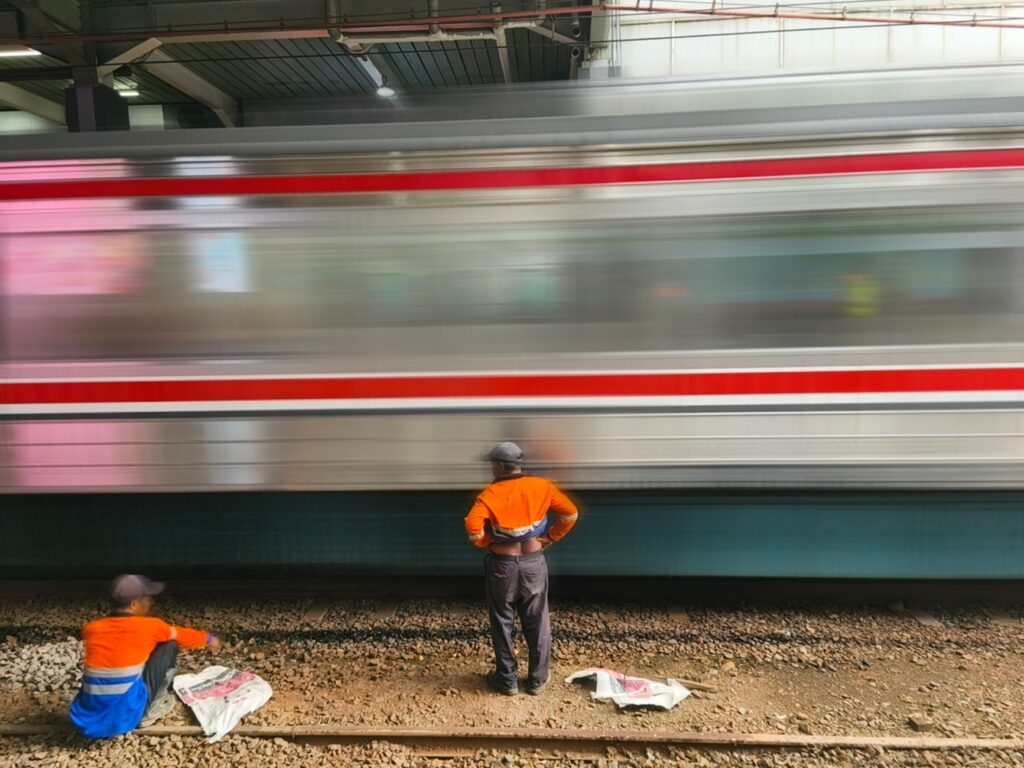
The region’s geology, marked by slope instability and constant seismic activity, demanded rigorous maintenance and permanent adaptability. Tunnels, numbering in the dozens along the route, pierce live rock under extremely harsh conditions where filtered water and low temperatures continually threaten structural stability. The work of track maintenance crews, known locally for their expertise in reading slopes and early landslide detection, constitutes the true invisible gear keeping the line operational. Far from being a mere industrial archaeological relic, this network remains a functional marvel where the placement of every tie and bolt responds to microscopic calculations designed to dissipate the enormous thermal and mechanical stresses inherent to high mountains.
The Human Pulse and Route Acclimatization
Traveling along the Central Railway is not a neutral experience; it subjects both travelers and staff to a direct physiological test. As the train leaves the coastal valleys and enters the puna region, falling atmospheric pressure and oxygen scarcity become apparent. The symptoms of altitude sickness—dizziness, extreme fatigue, headaches—serve as a reminder that the Andes are not a passive backdrop, but an environment with biological rules of its own. In this context, the role of railway personnel takes on a fundamental humanitarian and sanitary dimension, assisting passengers and pacing the ascent to allow progressive acclimatization. Intermediate stations, once bustling commercial hubs for wool, native potatoes, and minerals, now function as milestones of social resilience where local communities keep traditional markets alive as the train passes.
The collective memory of the towns along the track is intimately tied to the locomotive’s whistle. For many hamlets perched on the hillsides, the train historically represented the sole umbilical cord to the rest of the territory during heavy rainy seasons, when mudslides blocked roads and isolated high-andean populations. This interdependence has fostered a unique railway culture, where locals know exact timetables and voluntarily help clear small rockfalls threatening the track. The relationship between communities and the railway operator is a delicate exercise in coexistence where preserving technical heritage intertwines with daily demands for regional mobility and trade.
Freight Logistics and the Persistence of Metal
While passenger transport has fluctuated in intensity over the decades due to competition from paved roads, heavy freight traffic has remained the true economic engine of the Central Railway. Mineral trains, composed of long lines of gondolas adapted to withstand the abrasive wear of copper, zinc, and lead concentrates, regularly descend from high-altitude deposits toward processing centers and Pacific marine terminals in Callao. This industrial logistics demands meticulous coordination in traffic control centers, where the positioning of each convoy is supervised across a single-track layout equipped with strategic sidings to allow passing on steep grades.
The contemporary challenge of this infrastructure lies in balancing operational profitability with investments needed to modernize the track superstructure and motive power without losing the heritage character defining its historic route. Modern engineers must contend with material fatigue accumulated over a century of continuous service, implementing ultrasonic rail flaw detection technologies and satellite monitoring systems to prevent incidents in geologically active zones. The survival of this trade corridor proves that, even in the era of air travel and mega-highways, topographies exist where the weight of steel on steel remains the most efficient and safest solution for moving tons of mineral wealth across impassable geographical barriers.
The Rhythm of the Puna and Transitioning Biodiversity
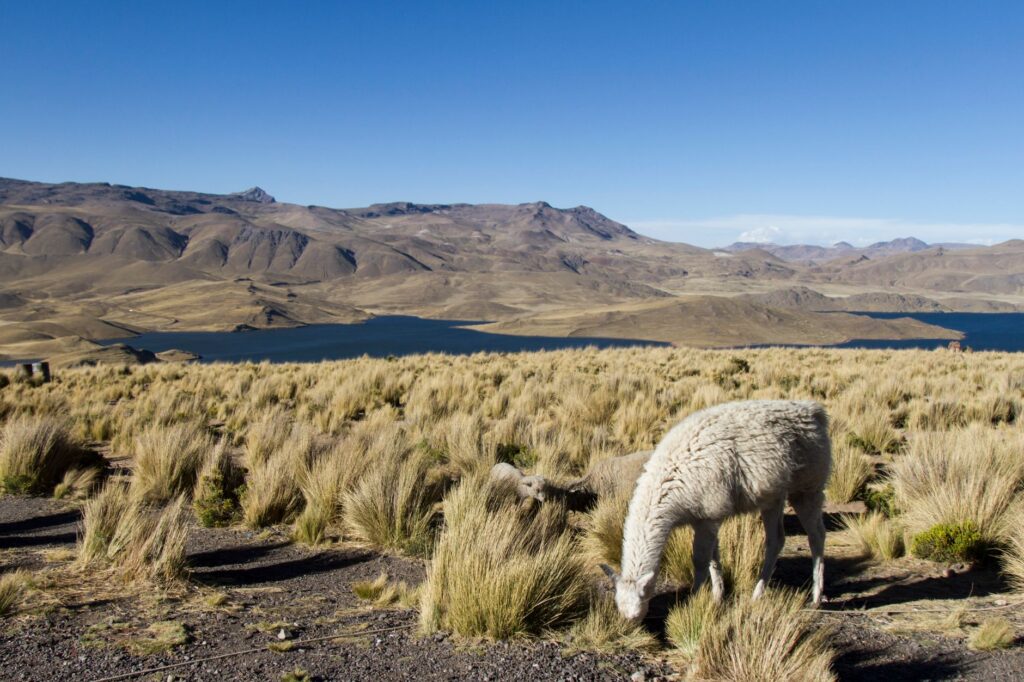
On both sides of the railway, plant life undergoes a radical metamorphosis illustrating Peru’s ecological diversity within a remarkably compact geographical space. From arid desert scrub on the western foothills, the train quickly crosses high-andean bunchgrass zones and wetlands, natural habitats where South American camelids like vicuñas and alpacas graze. This altitudinal gradient not only fascinates naturalists but imposes specific operational constraints on the infrastructure, as steep grades and shifting weather conditions—alternating hail, intense sun, and thick fog within minutes—force constant adjustments to traction and braking parameters.
Conserving these ecological corridors crossed by rail lines requires ongoing environmental monitoring to mitigate the impact of train traffic on local fauna and prevent erosion on engineered slopes. Over the years, native vegetation like ichu grass has recolonized embankments, integrating the human intervention into the natural landscape in an almost symbiotic manner. Observing a diesel locomotive emerge from a dark tunnel amid the golden expanse of the puna offers a unique perspective on human scale against the grandeur of the Andes, reminding us that technological intervention, when planned with geological rigor, can coexist respectfully with fragile high-altitude ecosystems.
Technological Challenges and Maintenance in Extreme Conditions
Maintaining an operational rail line crossing the cordillera at nearly five thousand meters of altitude involves logistical and mechanical challenges faced by very few networks worldwide. The lack of oxygen at these heights not only affects humans but drastically reduces the performance of internal combustion locomotive engines, requiring oversized turbochargers and injection systems specifically calibrated to operate under low atmospheric pressure. Likewise, pneumatic braking systems are subjected to extreme tests during prolonged descents to the coast, where dissipating friction heat requires special alloy components and rigorous inspection protocols before departure.
Track maintenance crews operate in frequently hostile weather conditions, facing unexpected snowstorms, lightning, and temperatures dropping well below freezing during Andean nights. Replacing wooden ties with reinforced concrete alternatives and swapping out worn rails are executed in very tight scheduling windows between freight convoys and special passenger runs. This constant technical effort remains invisible to most users, yet it forms the indispensable foundation ensuring the safety of a logistics corridor defying gravity and geography daily.
The iron snaking through the Andean peaks is not merely a communication route; it is the tangible testimony of how human will successfully negotiated a permanent pact with the earth’s abysses.
Practical guide
How to get there: The main departure point for traveling the Central Railway is Desamparados station in Lima’s historic center, though regular passenger services operate on specific dates scheduled in advance by the operating company Ferrocarril Central Andino.
Best time to visit: The dry season, spanning from May to September, offers the most stable weather conditions and clear skies, minimizing the risk of route interruptions due to landslides.
Acclimatization and health: Because the train exceeds 4,700 meters of altitude at Galera station, spending at least two or three days in Lima or the intermediate valley of Chosica before the trip is essential to prevent severe altitude sickness.
Documentation and bookings: Seats for special tourist trips are very limited and must be booked months in advance through the official channels of the railway company or authorized specialized agencies.
Recommended luggage: Layered clothing, broad-spectrum sunscreen, UV-filtering sunglasses, doctor-prescribed altitude sickness medication, and cameras with spare batteries are recommended, as extreme cold reduces battery life.
The Silence of the Summit and the Iron Legacy
When the convoy finally reaches the high-altitude plateau and stops at solitary sidings surrounded by snow-capped peaks, the metallic roar of the engines yields to an awe-inspiring silence. At that moment, the vastness of the Andean landscape absorbs the technological effort, highlighting the machine’s smallness against the cordillera’s geological eternity. Passengers who have endured the climb then understand that this route’s value lies not solely in commercial efficiency or altitude records, but in its capacity to build a physical and human bridge between two worlds that nature had decided to keep apart. The Central Peru Railway thus remains, silent and tenacious, as a moving monument to human perseverance on the heights of the planet.