

The Dawn the Radars Fell Silent
Dawn over the East Coast of the United States is typically a choreographed display of millimeter-precision. Hundreds of aircraft lift off simultaneously from major hubs connecting the continent with the world, guided by systems promising absolute safety and unyielding punctuality. However, on this occasion, the invisible machinery upholding modern commercial aviation ground to a halt without warning. Air traffic control centers began registering critical anomalies on display screens—an unmistakable symptom that the central servers processing flight data and safety advisories had collapsed.
Unlike a snowstorm or a hurricane, whose trajectory can be anticipated days in advance, the Federal Aviation Administration (FAA) computer failure operated like an invisible earthquake. There were no adverse weather signals or prior warnings; simply put, the stream of data feeding navigation plans stopped transmitting. Within minutes, control towers shifted from managing continuous departures and arrivals to implementing nationwide ground stops. The directive was absolute, affecting the entire airspace across the country’s northeast and midwest.
For air carriers and flight crews, the paralysis meant a leap into operational uncertainty. Commanders already stationed at runway thresholds received instructions to shut down engines and return to terminals, while those airborne experienced the anxiety of navigating toward airports where ground services operated completely blind. The national air transportation network—an interconnected grid where a delay in Atlanta triggers a domino effect in Boston—proved once again its meager tolerance for systemic technological failures.
The Anatomy of a Strain-Tested Network
The incident surpassing the thousand-cancellation mark is not an isolated event, but the most visible manifestation of a structural problem long warned against by aeronautical engineering experts and air traffic controller unions. The infrastructure regulating air traffic in the United States carries a heavy burden of obsolescence. Many systems tasked with processing Notice to Air Missions (NOTAM) advisories operate on software and hardware architectures exceeding three decades in age, patched successively to withstand the exponential growth in traffic.
Commercial operations volume across the East Coast has recovered and even surpassed pre-pandemic levels, yet the management and modernization capacity of official equipment has failed to keep pace. Specialists note that reliance on legacy systems exposes civil aviation to unacceptable operational risks. When a core processing component suffers an overload or synchronization error, the lack of effective automated redundancies forces technicians to resort to manual emergency protocols that are infinitely slower and more restrictive.
Modernizing air infrastructure is not a budgetary luxury, but the sole guarantee of survival for a transportation system driving the global economy.
This technological gap generates a constant dilemma between commercial efficiency and strict safety. Commercial airlines, compelled to compete in a fierce market of razor-thin margins, depend on airspace predictability to maintain profitability. When aviation authorities interrupt operations to prevent greater risks, the financial impact ripples immediately. Fleets become geographically misaligned, crews exceed legal duty-time limits, and secondary airports saturate with diverted aircraft never factored into operational plans.
The Human Factor in Gridlocked Terminals
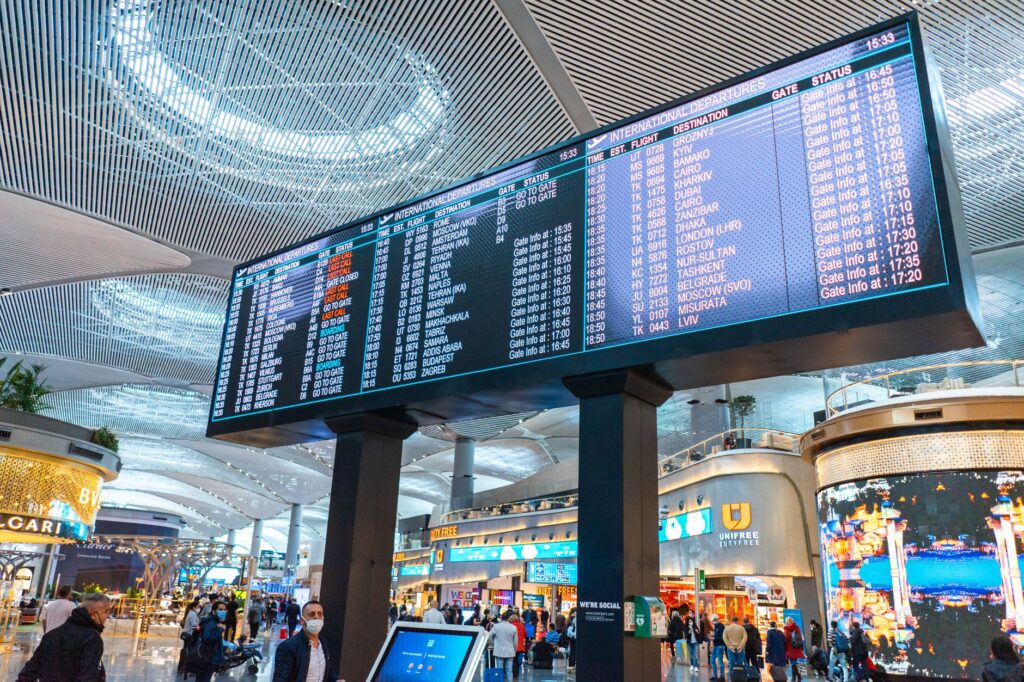
While technical desks worked to isolate the origin of the software glitch, the true face of the crisis manifested inside the lobbies of major terminals in New York, Washington, and Philadelphia. Millions of stranded passengers experienced the frustration characteristic of mass meltdowns: information screens tinged red with the word canceled, miles-long queues at customer service desks, and a growing sense of institutional disorientation. The lack of fluid communication in the initial hours following the incident aggravated travelers’ widespread malaise.
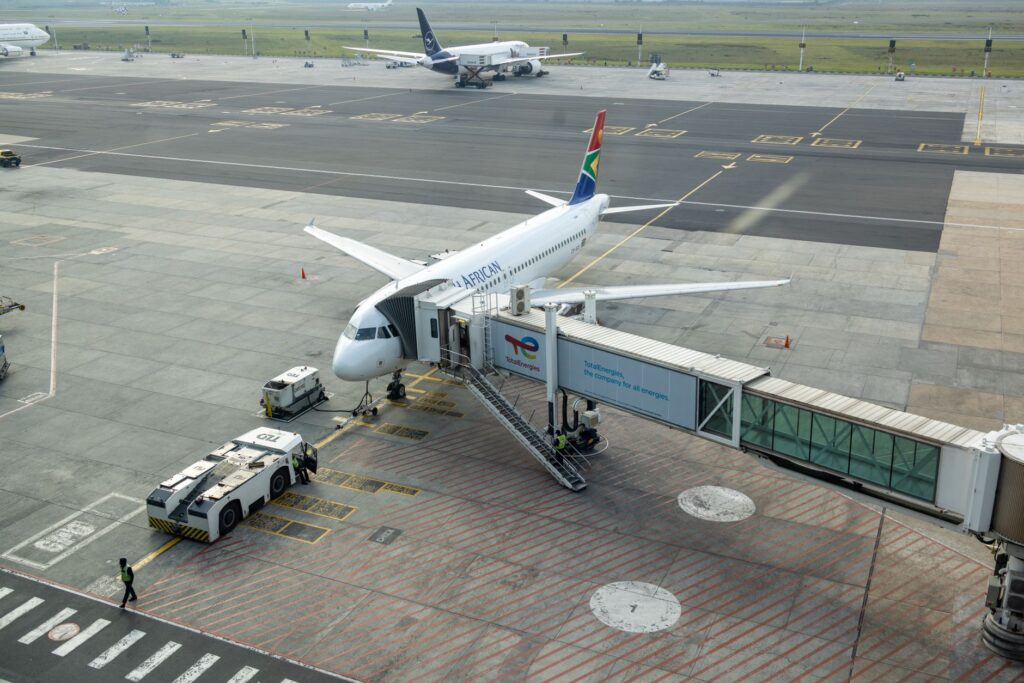
Airline flight crews and ground personnel became the front line against the tide of affected users. Obliged to manage anger and despair without real-time information regarding airspace reopening times, customer service agents worked under extreme pressure. In situations of this magnitude, compensation and rebooking protocols prove insufficient to absorb the simultaneous demand of tens of thousands of people losing international connections, critical business meetings, or family reunions.
- Ground agents overwhelmed by manual seat reassignments on already full flights.
- Scarcity of available hotel rooms near major airports to accommodate affected travelers.
- Saturation across digital and telephone customer service channels of major carriers.
- Loss of international connections with ensuing disruption of multi-day itineraries.
The contemporary traveler’s experience, typically optimized through mobile apps and automated boarding processes, crumbles when the technological foundation fails. The modern traveler finds themselves stranded as a stationary piece inside a gigantic gear, dependent on decisions made hundreds of miles away by technicians and regulators whose faces they will never see.
The Cascading Economic Impact
The economic repercussions of a shutdown of this magnitude extend far beyond the immediate accounting of affected airlines. While commercial carriers suffer direct losses from ticket refunds, the necessity of providing lodging and meals to stranded passengers, and the unproductiveness of immobilized fleets, real damage spills across the entire service economy of the northeastern region.

Corporate meetings canceled, conferences kicking off without half their speakers, and logistical supply chains relying on passenger aircraft bellies for urgent cargo transport experience a severe shock. Air transport functions as the circulatory system of modern commerce; any prolonged obstruction in its primary arteries triggers an immediate economic slowdown affecting tourism, hospitality, and professional services linked to corporate mobility.
Financial analysts recall that these recurring episodes erode investor confidence in the transportation sector. Airlines remain permanently exposed to external factors outside operational control—from extreme weather to systemic failures within government agencies regulating airspace. This intrinsic vulnerability forces companies to allocate significant resources to crisis management and contingency insurance, reducing investment capacity for sustainable fleet renewal.
Regulatory Pressure and Political Debate
The FAA collapse immediately reopened intense debate within the United States Congress regarding the funding, management, and oversight of the federal agency. Lawmakers from both sides of the aisle agreed that air navigation infrastructure requires massive resource injection and deep revision of technological priorities, but disagreements over the problem’s origin and budget allocations once again highlighted traditional political polarization.
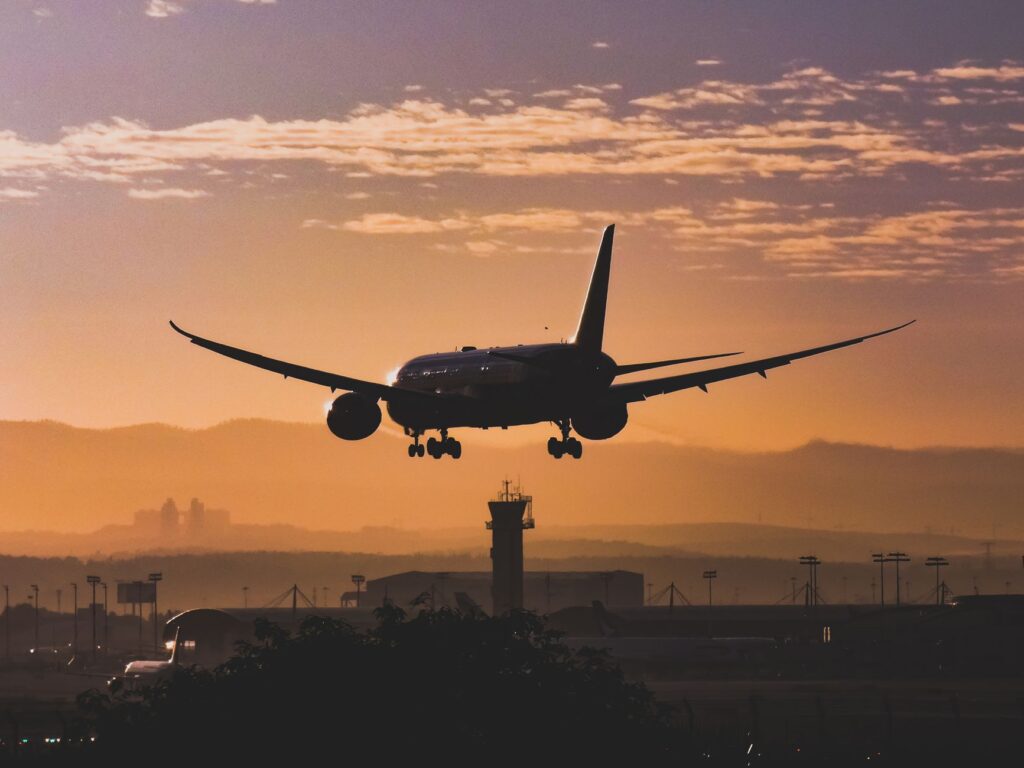
While transportation committees demand detailed explanations as to why multi-year modernization plans failed to shield the system against such failures, aviation industry associations demand a more agile regulatory framework allowing the adoption of proven commercial technologies without bureaucratic public administration hurdles. The challenge lies in striking a balance between rigorous public oversight and the operational agility demanded by today’s market.
Investing in the digital resilience of our skies is the only path to prevent the next technical glitch from turning into a national mobility crisis.
Independent audits requested after the incident focus on the need to establish international standards for IT redundancy across air traffic control services. The global interconnectedness of commercial aviation means a single country’s technical weakness can compromise the safety and punctuality of entire intercontinental routes, making cybersecurity and server stability a matter of national security and sovereignty.
Practical guide
Navigating a scenario of mass cancellations due to navigation system failures demands serenity, precise knowledge of passenger rights, and rapid response protocols at airports.
- Verify flight status before heading to the airport: Use official airline apps and air traffic trackers to confirm whether your aircraft is at the origin airport or if the flight faces restrictions due to FAA ground stops.
- Manage changes through digital channels: Amid the inevitable saturation of physical counters, leverage mobile apps or carrier websites to select alternative routes or request full refunds.
- Know your compensation rights: Depending on applicable regulations and specific causes of the failure, request meal vouchers, overnight accommodations for extended delays, and enforcement of mandatory assistance policies.
- Keep all expense receipts: Retain tickets for ground transport, meals, and communications if the airline cannot provide them directly, as they remain indispensable for subsequent claims.
- Maintain flexibility in alternative itineraries: Consider nearby secondary airports or high-speed rail combinations if primary air connections remain blocked for multiple days.
Toward Skies Prepared for the Future
The episode paralyzing American East Coast aviation leaves an inescapable lesson regarding the risks of operating with aging technology in a hyper-digitalized world. Resolving crises of this nature depends not exclusively on immediate airline emergency response capabilities, but on political and financial resolve to transform the foundations of air navigation.

Millions of travelers entrusting their journeys daily to the complex network of commercial routes deserve infrastructure matching 21st-century demands. Ensuring radars, communication systems, and control databases operate under the highest standards of robustness and redundancy remains an inescapable task for international aviation authorities.
The journey toward truly resilient skies requires abandoning the culture of temporary patches and adopting a long-term vision where technological innovation and absolute safety go hand in hand. Only then can we prevent a ground-level IT glitch from shutting down the hopes and movements of an entire continent mid-flight.
Source in EN: The Traveler