
Beyond the map of Asian archipelagos
The Philippines does not reveal itself at a single glance. With over seven thousand islands silhouetted against the South China Sea and the Pacific Ocean, this island nation demands a patient cartographic approach. Recent specialized rankings have refocused attention on ten specific enclaves that structure the backbone of contemporary tourism in the region. Far from the homogeneous trope of white beaches, each of these cardinal points offers a distinct reading of the geography, colonial history, and environmental resilience of Southeast Asia.
The analysis of these priority destinations explains how tourism has transformed fishing communities into global hubs of attraction. The hierarchy established by experts responds not only to criteria of aesthetic beauty, but to the complex equation between accessibility, natural heritage conservation, and cultural authenticity. From the volcanic peaks of Luzon to the marine labyrinths of Palawan, the archipelago unfolds as a territory in constant tension between development and preservation.
Palawan: the frontier of stone and water
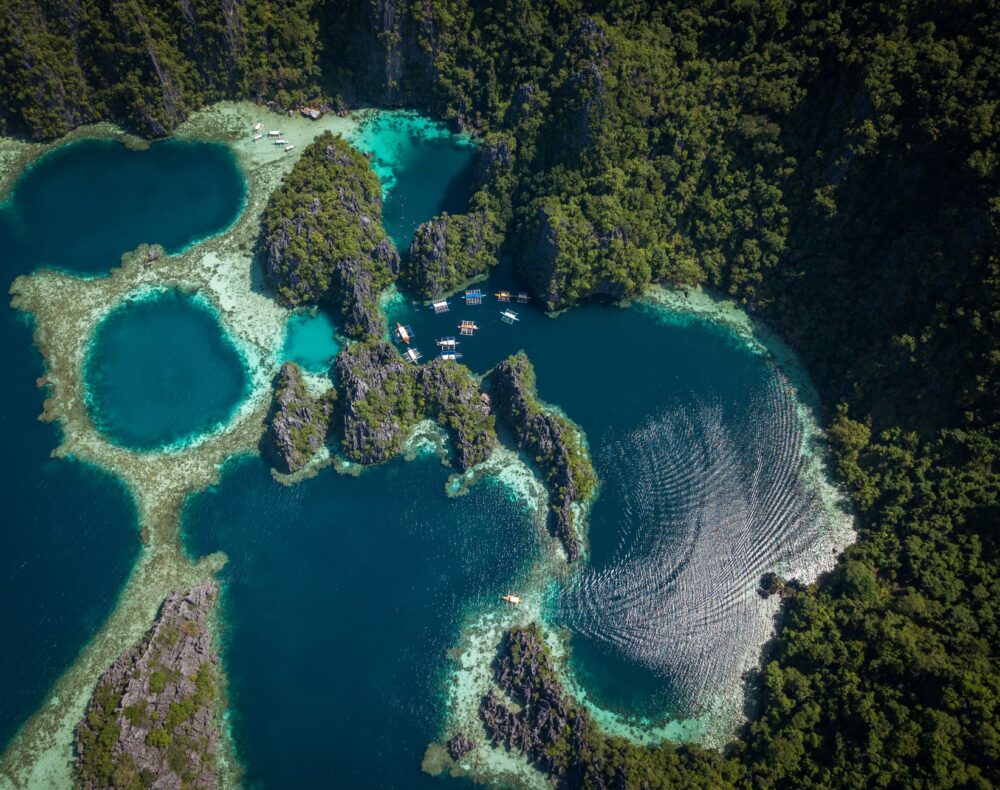
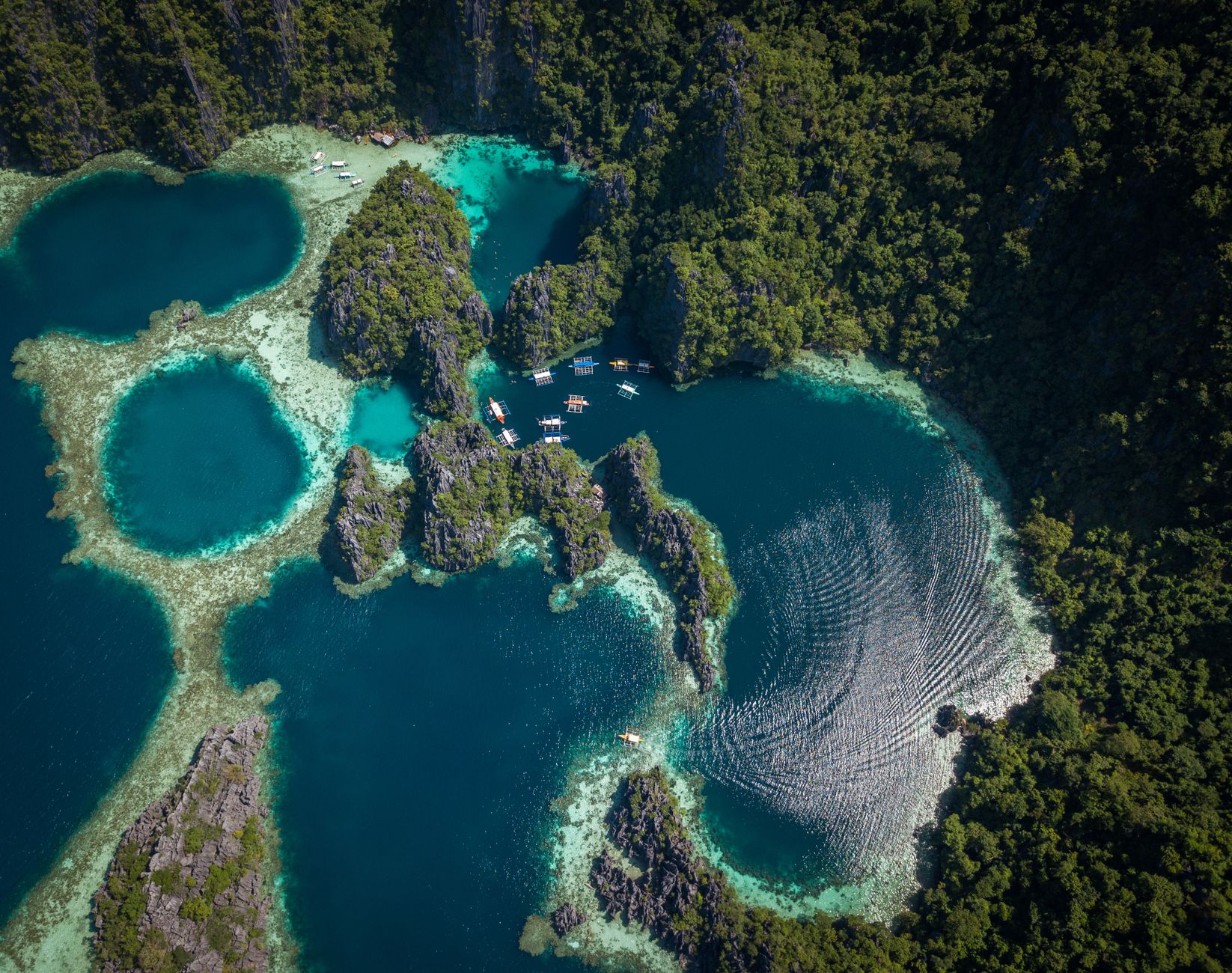
The insular territory of Palawan recurrently tops any inventory of travel excellence. Its geographic capital, El Nido, and the more remote municipality of Coron configure a landscape where marine karst draws limestone cathedrals emerging from turquoise waters. Here, millennial erosion has sculpted hidden lagoons accessible only through narrow fissures in the rock, a constant reminder of the fragility of these ecosystems.

The true measure of Palawan is not found in the clarity of its waters, but in the respectful silence imposed by its vertical walls of ancient stone.
The impact of mass tourism has forced local authorities to implement strict regulations on access to emblematic bays like the Big Lagoon or Small Lagoon. Visitors must adhere to daily quotas and a ban on single-use plastics, measures aimed at halting the degradation of coral reefs. Despite these restrictions, navigation among uninhabited islets continues to offer one of the purest experiences of isolation in the Asian continent.
Boracay: the metamorphosis of white sand
Few destinations in the world embody a transformation as radical as Boracay. Known for decades as the epicenter of unbridled partying in the archipelago, this small butterfly-shaped island starred in a historic turning point when the central government ordered its total closure to tourism for six months in 2018 to clean up its saturated sewage systems.
The reopening brought the establishment of a radically different management model. Today, the legendary White Beach displays an orderly image where nocturnal beach parties, smokers, and disposable plastics are banned. This governmental intervention proves that the recovery of degraded ecosystems is viable when political willpower exists alongside a regulatory framework merciless with violators.

Bohol and the chocolate hills
In the heart of the Central Visayas region, the island of Bohol deploys a geography that defies traditional geological logic. The so-called Chocolate Hills—more than a thousand symmetrical limestone mounds that turn brown during the dry season—spread across a fifty-square-kilometer surface, generating a unique landscape on the planet.
A few kilometers from these formations, the island’s forests harbor the Philippine tarsier, one of the smallest primates in the world. This nocturnal animal, with bulbous eyes and extremely sensitive habits, directly suffers the stress generated by mass tourism. Local reserves attempt to educate visitors on the need to maintain silence and avoid photographic flash use, remembering that wildlife observation is a privilege carrying unavoidable ethical responsibilities.
Siargao: the capital of surf and reconstruction
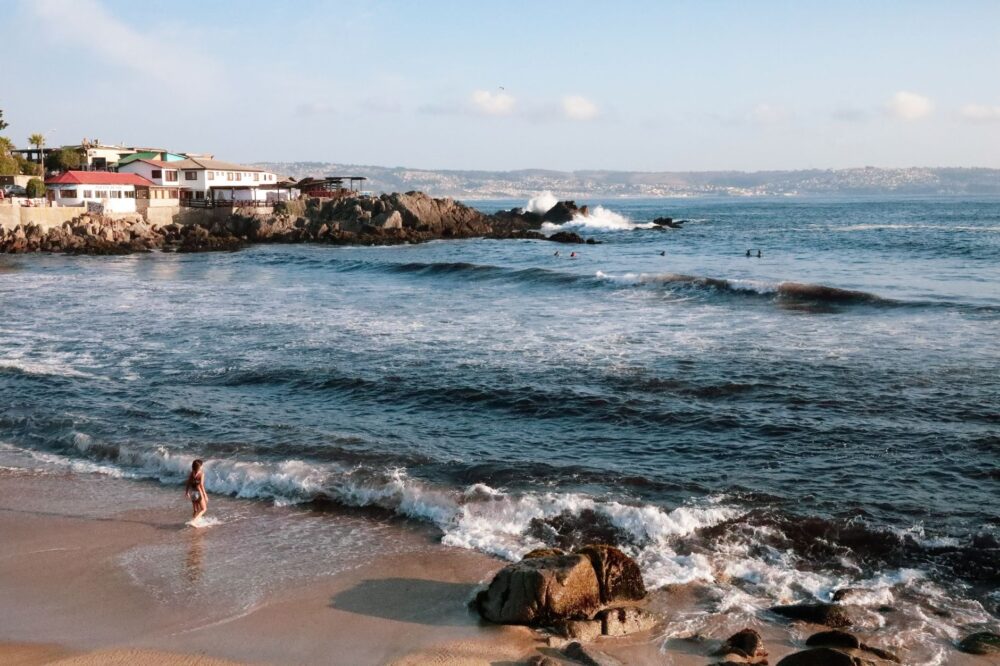
Located on the eastern edge of the archipelago, Siargao transitioned from a well-kept secret among international surfers to a global magnet after establishing itself as the national capital of the sport. The famous Cloud 9 break attracts elite athletes willing to challenge powerful tubes over shallow reefs.
However, the island’s recent history is marked by the tragedy of Typhoon Rai, which devastated the territory in late 2021. Subsequent reconstruction has been carried out under sustainability criteria, integrating bio-construction techniques and promoting renewable energies. The resilience of the local community has transformed disaster into an opportunity to rethink the insular development model, prioritizing local cooperatives over large international hotel chains.
Banaue and the rice terraces carved into the sky
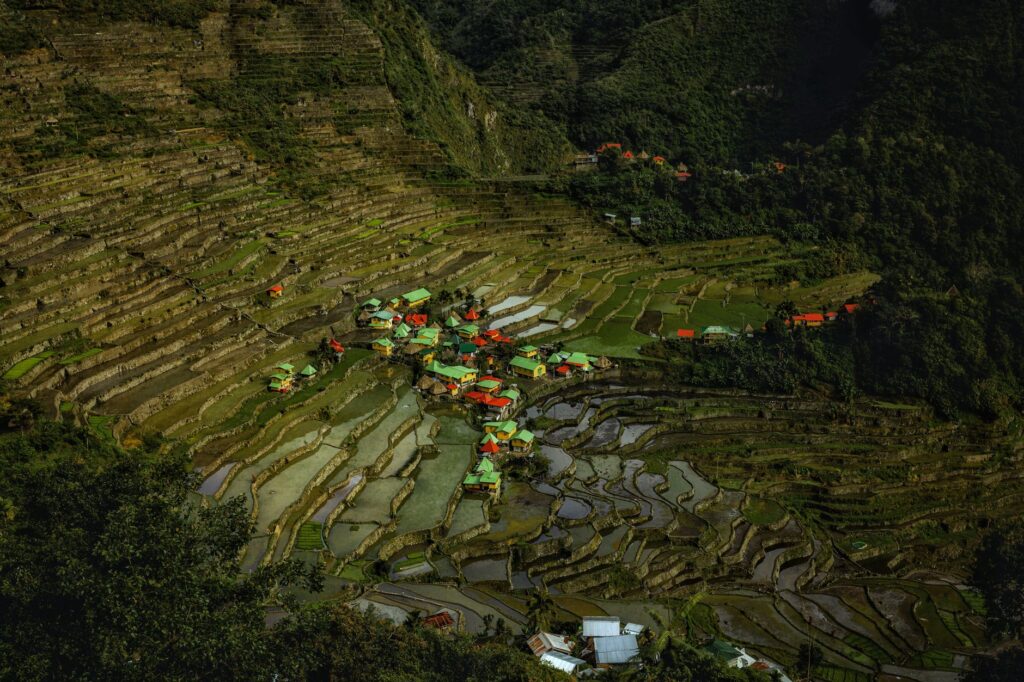
Moving away from the coasts and ascending into the mountain ranges of northern Luzon, the landscape changes drastically. The Banaue Rice Terraces, often described as the eighth wonder of the world, are the tangible testimony of the ancestral engineering of the Ifugao peoples. Sculpted by hand into mountain slopes over two thousand years ago, these structures remain operational and supply grain to local communities.
Visiting Banaue and surrounding villages like Batad requires considerable physical effort and an attitude of deep respect toward indigenous traditions. Local guides insist that these terraces are not mere photographic backdrops, but complex living agricultural systems where any disruption in water flow can compromise the subsistence of entire generations of farmers.
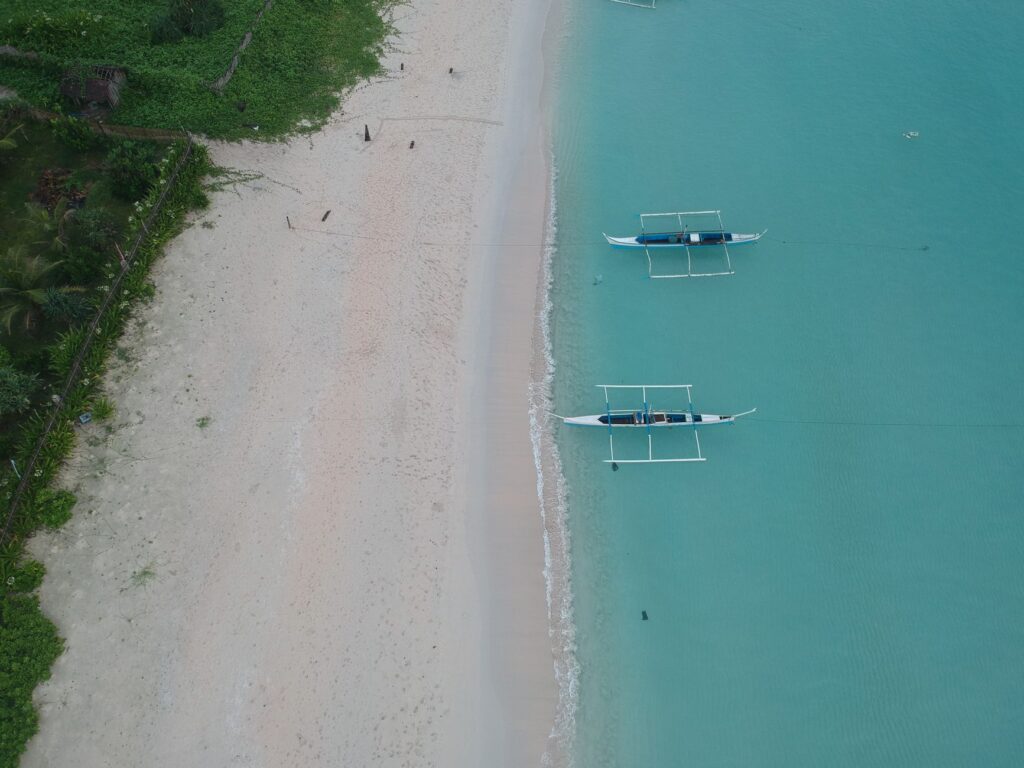
Cebu: the historical and marine pulse of the Visayas
As the historical entry point for Spanish colonization in 1521, Cebu combines its colonial past with unstoppable economic dynamism. The modern metropolis serves as a logistical platform to explore the natural wonders of its province, particularly the waters of Oslob and Moalboal.
In Moalboal, the phenomenon of the sardine run allows swimmers to submerge alongside millions of fish moving in compact, synchronized formations. Nonetheless, controversy persists surrounding whale shark watching tourism in the south of the province, where artificial feeding of these animals by local operators has generated intense debates among marine biologists and conservation authorities.
Coron: the shipwrecks of World War II
Although administratively part of Palawan province, Coron deserves autonomous mention due to its underwater singularity. At the bottom of Coron Bay lie the remains of a Japanese supply fleet sunk by US aviation in September 1944.

Diving into the shipwrecks of Coron is descending into a time capsule where the rusted metal of war has been colonized by coral and marine life.
These wrecks, situated at depths accessible to intermediate-certified divers, offer an unmatched historical immersion experience in Southeast Asia. Managing these sites requires a delicate balance between diver influx and the protection of metal structures, which continue to release historical fuel and oil traces in a controlled manner.
Practical guide
- Best time to visit: November to April, during the dry and cool season, avoiding typhoons between July and October.
- Entry requirements: Passport valid for at least six months and an outbound ticket; 30-day visa-free entry for most nationalities.
- Official currency: Philippine Peso (PHP). Carrying cash is strongly advised for smaller islands where ATMs are scarce.
- Connectivity: Local eSIM cards from Globe or Smart offer acceptable coverage, though signals frequently drop in remote areas of Palawan and Siargao.
- Internal transport: Ferries connect major islands, but domestic flights operated by Cebu Pacific or Philippine Airlines are essential for long journeys.
The silent heartbeat of the archipelago
At the end of the journey, when tourist routes fade away and only the visual memory of the archipelago remains, the Philippines reveals itself not as a collection of isolated destinations, but as a vast living organism fighting to preserve its identity against the tide of globalization. In the eyes of Bohol fishermen, in the daily toil of Banaue farmers, and in the resilience of communities rebuilding their homes after storms, lies the true essence of these islands. The traveler who leaves the country understands that this territory’s beauty does not reside in the perfection of its beaches, but in the tenacious dignity of its people.
Source in EN: Quartz (es.qz.com) / Fuente en ES: Quartz (es.qz.com)