
Introduction to the Atlantic Loggerhead Sanctuary
At the western edge of the African continent, where the Atlantic unfolds an infinite palette of blues and ochres, the Cape Verde archipelago emerges as a biological stronghold of planetary significance. Specifically, Sal Island, characterized by its arid geography and volcanic past, conceals beneath the surface of its golden beaches one of the largest breeding grounds for the loggerhead sea turtle (Caretta caretta). This enclave not only represents a crucial stopover in the complex migratory pathways of marine reptiles, but also a natural laboratory where oceanography and biology converge to dictate the pulse of marine survival.
Approaching the conservation of this species in the Cape Verdean environment requires looking beyond the visual allure of its coastlines. It demands understanding how deep-water upwellings, sand temperature, and anthropogenic pressures interact over a highly fragile insular ecosystem. Throughout this feature, we will examine the scientific mechanisms explaining why female loggerheads choose these specific beaches every summer, the role of oceanic currents in hatchling dispersal, and local initiatives aiming to safeguard their future without fracturing the socioeconomic equilibrium of island communities.
Volcanic Geomorphology and Littoral Dynamics on Sal Island
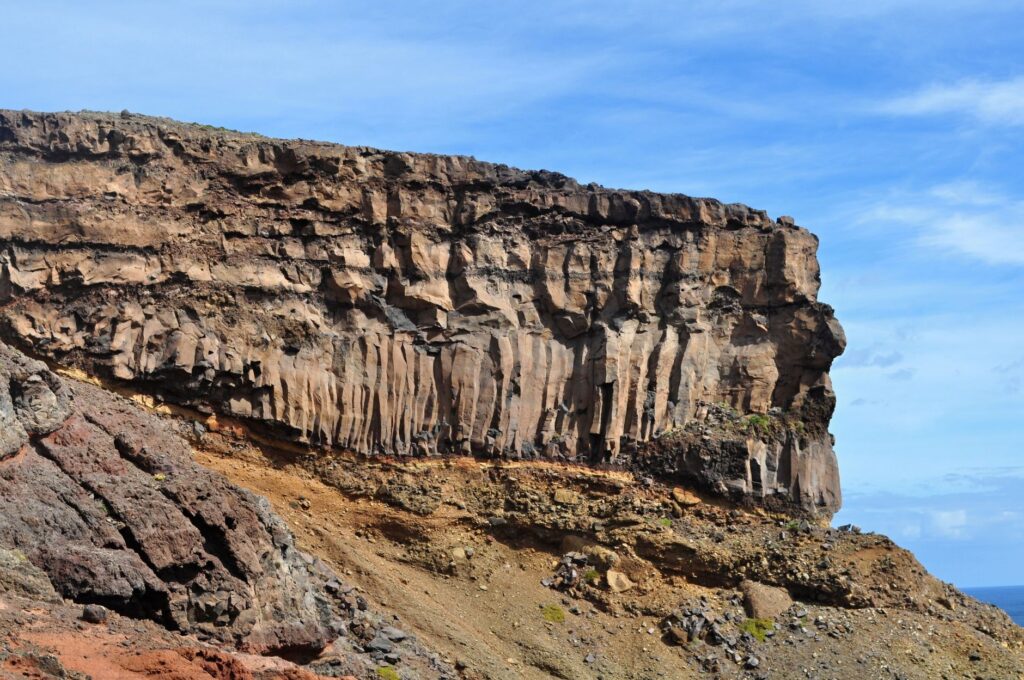
Sal Island owes its name to the ancient salt-mining operations that once stimulated its economy, yet its geological structure is direct testimony to submarine volcanism. The beaches where the loggerhead turtles nest are not conventional sand accumulations, but the result of millions of years of basaltic erosion and fragmented marine shells. This sedimentary composition critically determines the reproductive success of the species, as the grain size and color of the sand directly influence thermal transfer during the incubation period.
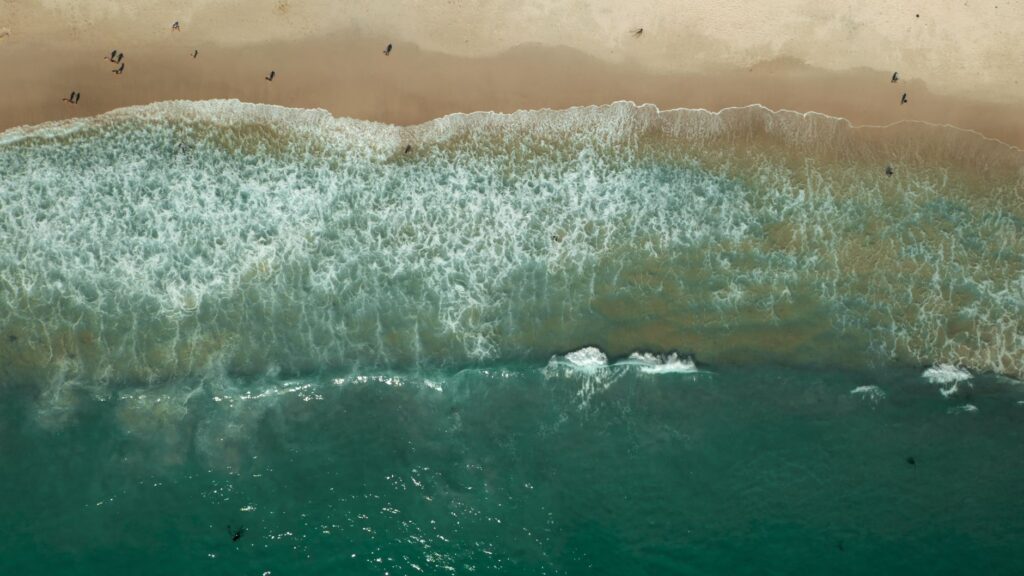
The littoral currents washing the perimeter of Sal act as an invisible conveyor belt. On one hand, they erode the basaltic cliffs of the north and northeast; on the other, they deposit fine sediments in the southern and western coves, creating the wide, gently sloping sandy shores that turtles prefer for emerging from the water. This littoral dynamic shifts subtly yet constantly with seasonal cycles, forcing breeding females to navigate natural barriers of rock and fossilized reef before reaching the optimal nesting zone above the reach of spring tides.
Eastern Atlantic Oceanography and Upwelling Currents
The ecological success of Caretta caretta populations in Cape Verde is not explained solely by the quality of its beaches, but by the extraordinary biological productivity of the surrounding waters. The archipelago falls under the direct influence of the Canary Current and, seasonally, coastal upwelling phenomena originating off the northwestern African coast. These vertical movements of cold, nutrient-rich water stimulate phytoplankton proliferation, triggering a trophic chain that sustains both adult specimens and juveniles during their early pelagic years.
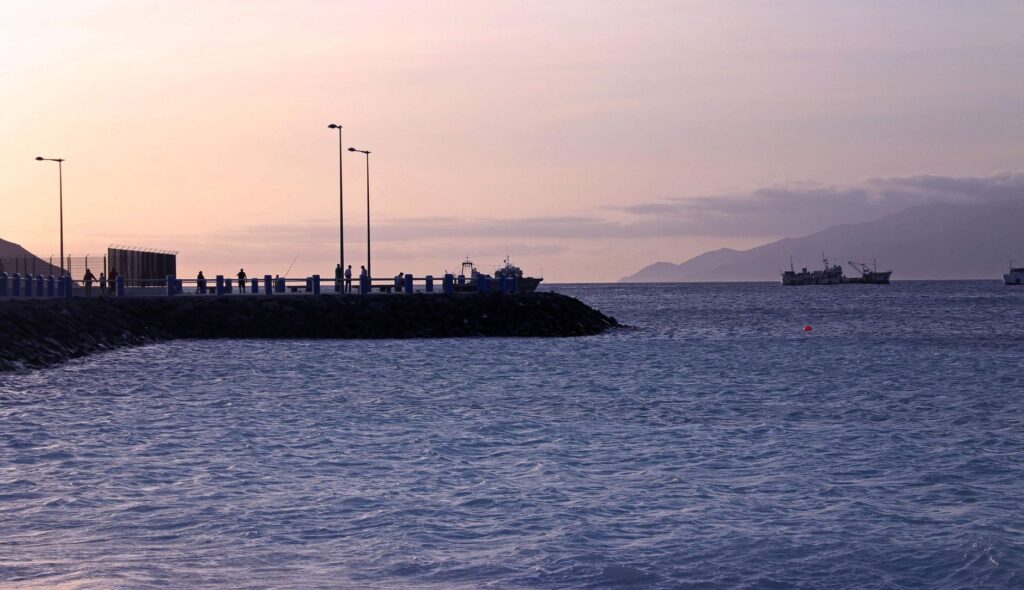
During the summer months, when sea surface temperatures rise to optimal thresholds for reproduction, local currents facilitate the return of males and females from the open sea to the shallow platforms surrounding the island. Understanding these oceanographic patterns is vital for designing marine protected areas. Oceanographers constantly map currents and thermal fronts to anticipate where hatchlings will drift once they emerge and enter the open marine environment.
Reproductive Biology and Nest Thermoregulation
The life cycle of the loggerhead turtle on Sal is an exercise in millimetrically timed biological precision. Between June and October, females await nightfall to begin their arduous ascent up the dry sand. Using rhythmic movements of their front flippers, they dig a flask-shaped nest where they deposit an average of eighty to one hundred twenty spherical eggs, similar in size to ping-pong balls. This process, carried out in absolute discretion, demands a colossal expenditure of energy that leaves the animals visibly exhausted.
One of the most fascinating aspects of Caretta caretta biology lies in temperature-dependent sex determination, a phenomenon scientifically known as TSD. The sand of Sal Island, subjected to intense solar radiation, acts as a natural thermostat. Incubation temperatures exceeding twenty-nine degrees Celsius tend to produce predominantly female hatchlings, whereas lower values favor the birth of males. This delicate thermal balance is threatened today by global climate shifts, adding a factor of uncertainty to the demographic future of the Cape Verdean population.
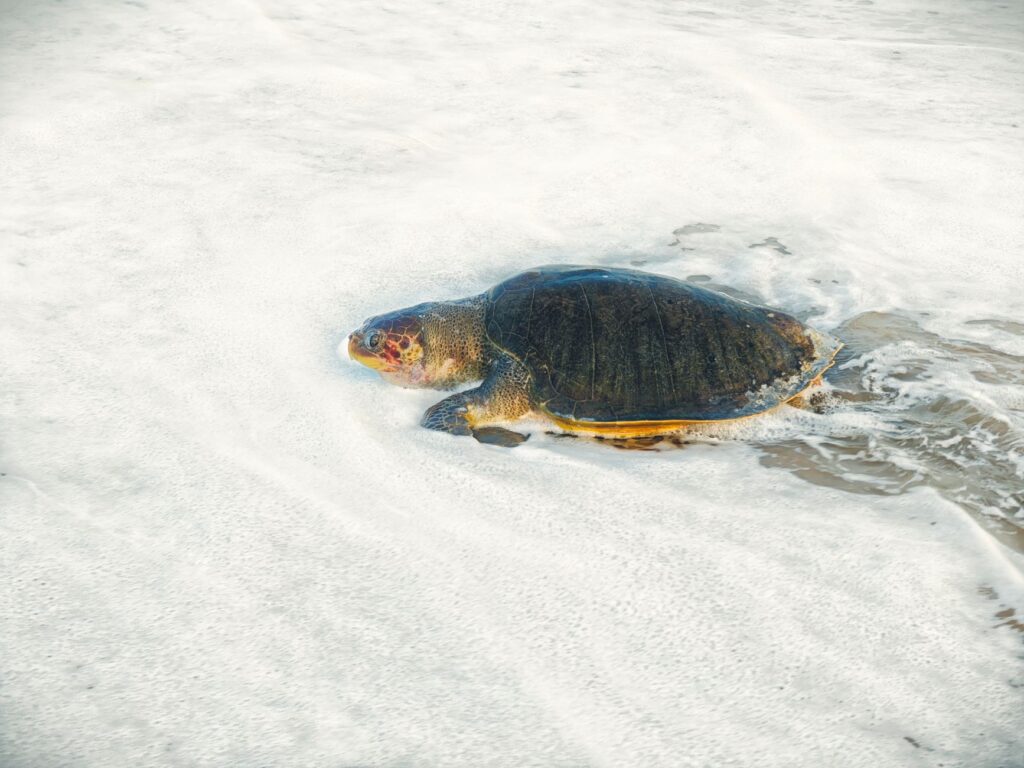
Protecting nesting beaches is not a conservationist whim, but an ecological obligation to maintain the trophic stability of global oceans.
The Maiden Voyage: From Hatching to the Pelagic Zone
Approximately forty-five to sixty days post-laying, depending on sediment thermal fluctuations, hatching occurs. The tiny turtles break their shells using a small horny tooth and, through a coordinated collective effort lasting several days, escape the subterranean chamber toward the surface. This emergence typically synchronizes with sunset or nighttime, an evolutionary strategy designed to minimize predation by seabirds and ghost crabs.
Once on the surface, the hatchlings execute a frantic dash toward the foam line, guided by the reflection of natural light on the marine horizon. Upon contacting the water, they plunge into the phenomenon of frenzy swimming—an uninterrupted activity period lasting up to twenty-four hours that rapidly removes them from the coastal strip into the main Atlantic current. In this pelagic stage, young specimens seek refuge among floating accumulations of macroalgae from the genus Sargassum, where they find food and camouflage against oceanic predators until reaching a size that permits return to littoral waters.
Anthropogenic Threats and Pressures on the Insular Habitat
Despite international protection status, the loggerhead turtle population in Cape Verde faces a complex mosaic of human-induced threats. Historically, the poaching of adult females during the nesting season constituted the primary conservation challenge. Although national legislation has drastically tightened penalties and community surveillance has advanced notably, poaching persists residually in remote, hard-to-reach coves.
Added to this is urban pressure driven by tourism growth on Sal Island. The construction of hotel complexes and roads near the coastline generates severe light pollution that disorients both gravid females and newly emerged hatchlings, luring them away from the sea and condemning them to certain death via dehydration or predation. Likewise, the accumulation of plastics and microplastics in littoral currents poses a lethal risk through ingestion or entanglement, altering the digestive systems of these marine animals.
Community Conservation Strategies and Citizen Science
Faced with these challenges, the archipelago’s response stands as an example of collaboration among scientific institutions, non-governmental organizations, and local residents. Various conservation entities operate on Sal Island, patrolling sandy shores night after night during peak season. These teams conduct exhaustive censuses, tag adult specimens with special markers, and relocate nests situated in high-risk zones prone to flooding or tourism pressure into protected hatcheries.

Environmental education and citizen science have proven indispensable tools in this process. Local fishermen, formerly detractors or direct users of marine fauna, now act as key informants and active guardians of the nests. International volunteer programs enable individuals worldwide to participate in data collection and tourist sensitization, proving that the long-term viability of the ecosystem relies on the harmonious integration of human activity with respect for nature’s biological cycles.
Practical guide
Planning a trip to Sal Island with the objective of understanding and observing loggerhead turtle conservation requires an ethical, rigorous approach respectful of local regulations.
- When to go: The peak nesting season spans from June to October, with July and August being the most active months for witnessing nighttime egg-laying with authorized guides.
- How to get there: Amílcar Cabral International Airport (SID) on Sal Island receives direct regular flights from major European and African capitals.
- Observation rules: The use of conventional flashlights, flash photography, and loud noises is strictly prohibited on nesting beaches. Always maintain a prudent distance from females.
- Authorized excursions: Hire services exclusively from local conservation organizations or certified agencies guaranteeing low-impact environmental practices and animal respect.
- Sustainable accommodation: Choose hotels and resorts complying with coastal light pollution reduction regulations and efficient waste management.
The effort to preserve the loggerhead turtle in Cape Verde not only defines Sal Island’s ecological future, but embodies a profound reflection on our capacity to coexist with the planet’s most vulnerable species. Contemplating the vastness of the Atlantic from the shoreline, we understand that every tiny life making its way toward the waves represents a collective victory for marine biodiversity.