
The South Korean autumn is measured not only by the chromatic shift of maples on Mount Bukhansan or the golden intensity of rice fields ready for harvest. Above all, it is measured by the migratory pulse of millions of citizens who, during Chuseok—the harvest festival and ancestral worship—cross the peninsula in a simultaneous exodus toward their hometowns. It is the moment when highways turn into ribbons of red and white lights and train tickets vanish in seconds. Yet, in this latest edition, the cultural and social landscape underwent a significant mutation thanks to a strategic movement spearheaded by public institutions.
The Korea Tourism Organization (KTO), in close collaboration with the Ministry of Culture, Sports and Tourism, designed an exceptional package of measures to cushion the economic impact of the holidays while encouraging proximity tourism and discovery. The core premise was as radical as it was simple: open the doors of national heritage free of charge. Royal palaces that normally charge admission fees, national museums scattered across provinces, and a vast network of cultural experiences were exempted from payment during the holidays. This was not merely a commercial discount campaign, but a structural intervention to redefine the relationship between citizens, travelers, and the country’s historical treasures at a time of peak economic vulnerability.
The Tradition of Chuseok and the New Mobility Pact
To grasp the magnitude of this initiative, one must unravel the very nature of Chuseok. Commonly known as the Korean Thanksgiving, this three-day festival—frequently extended by calendar bridges—roots itself in ancient agrarian celebrations of gratitude to local deities and family spirits for a generous harvest. Today, the celebration involves a complex family choreography including *charye* (morning ancestral ritual with freshly harvested foods) and *seongmyo* (visiting and cleaning ancestral graves).
This massive displacement has historically generated unparalleled logistical saturation. Main routes clog for hours, and traditional leisure offerings tend to surge in price due to seasonal high demand. By eliminating access costs to major cultural sites, the South Korean government subtly altered population behavior. Instead of concentrating all free time on domestic gatherings or urban congestion, a significant portion of citizens and foreign residents began integrating free heritage tourism into their family reunion routes.
Royal Palaces Without Turnstiles: Seoul’s Heart Open to All
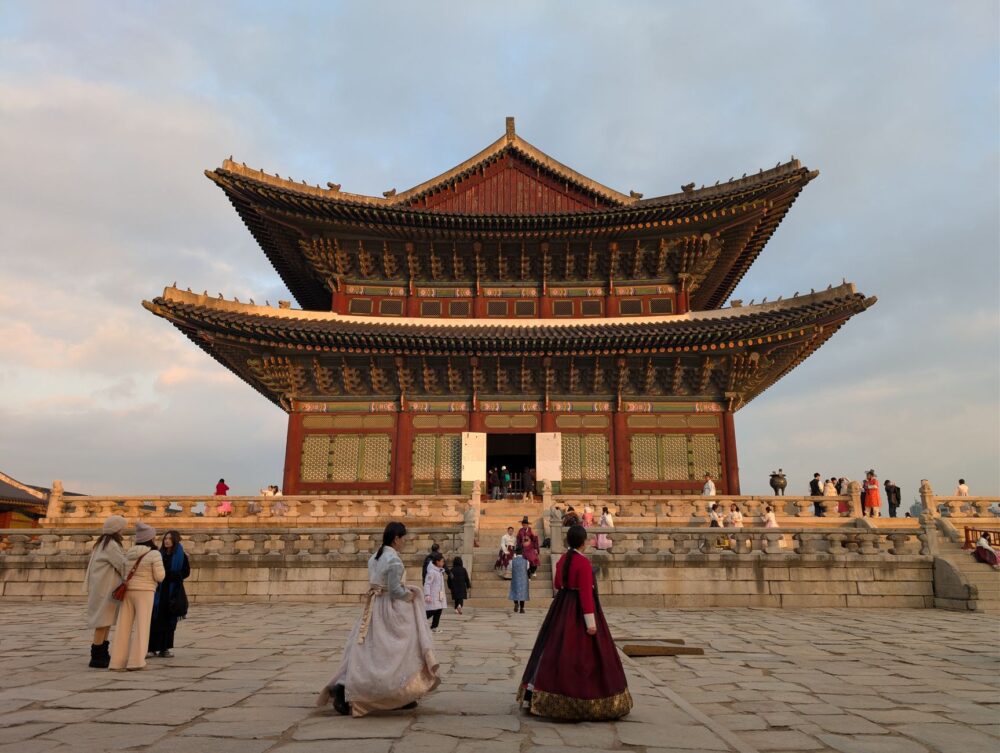
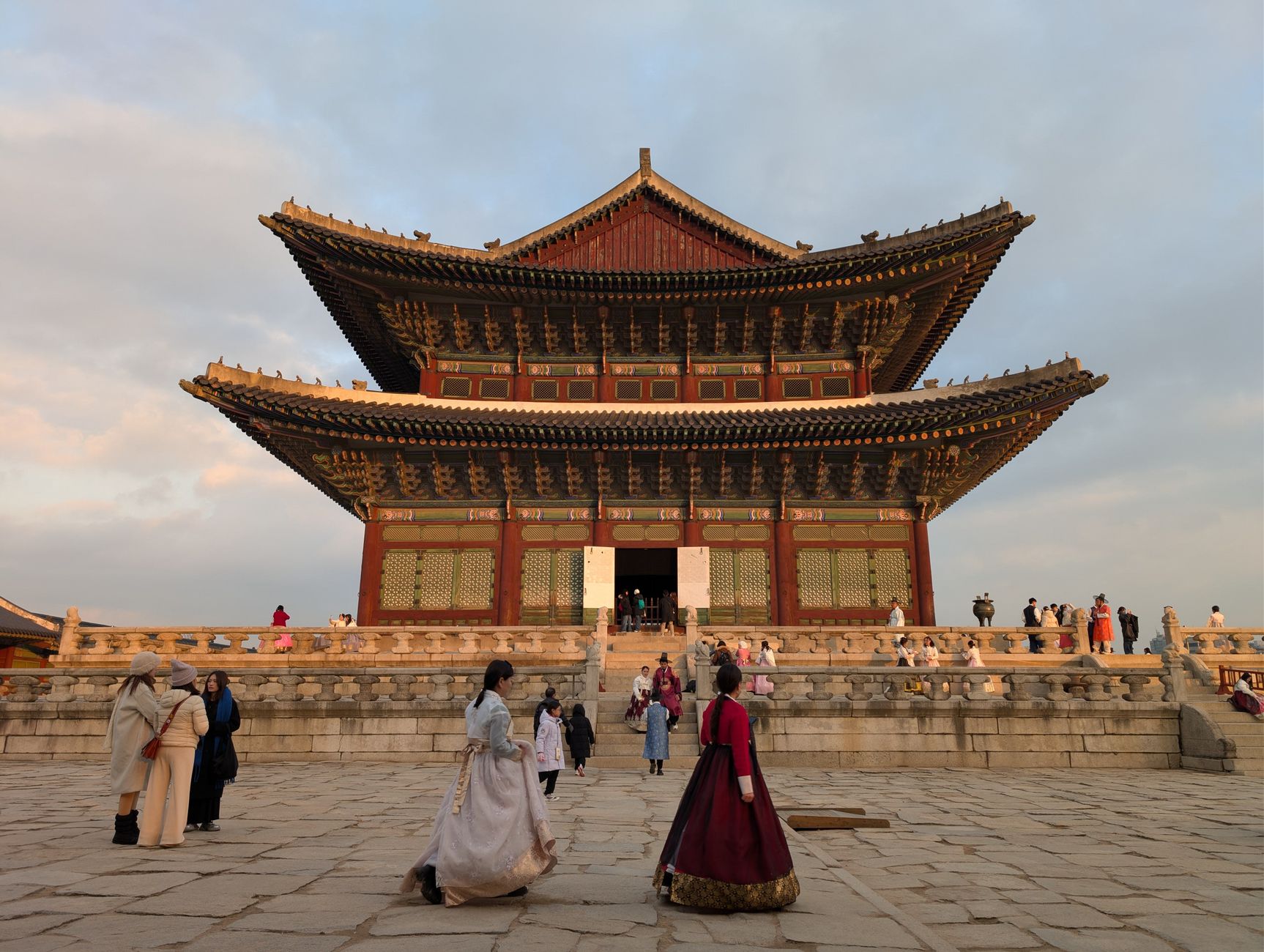
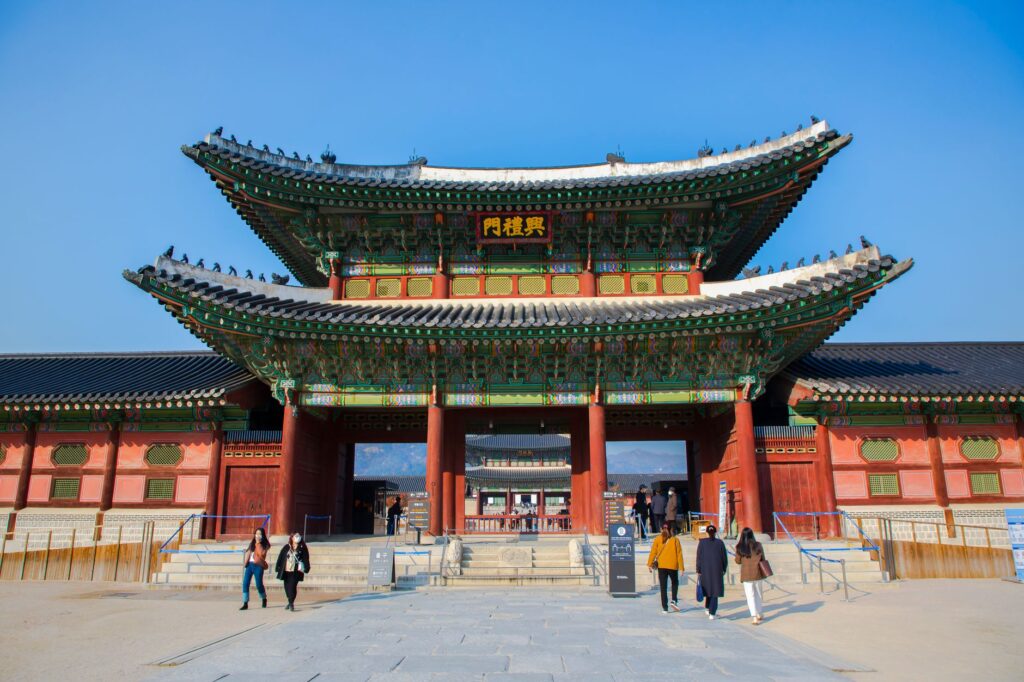
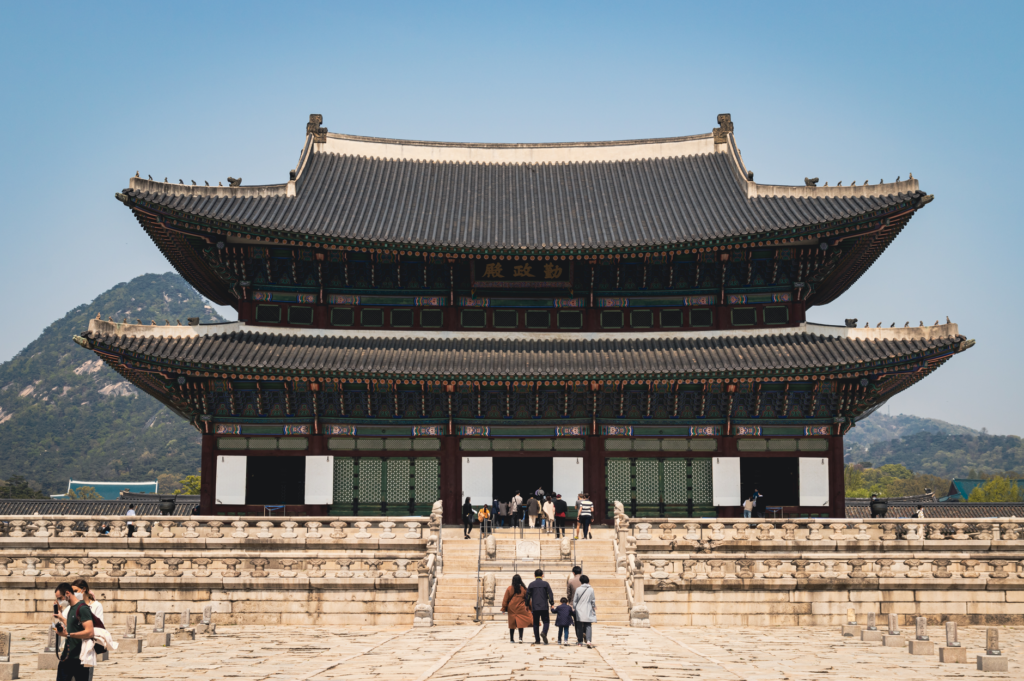
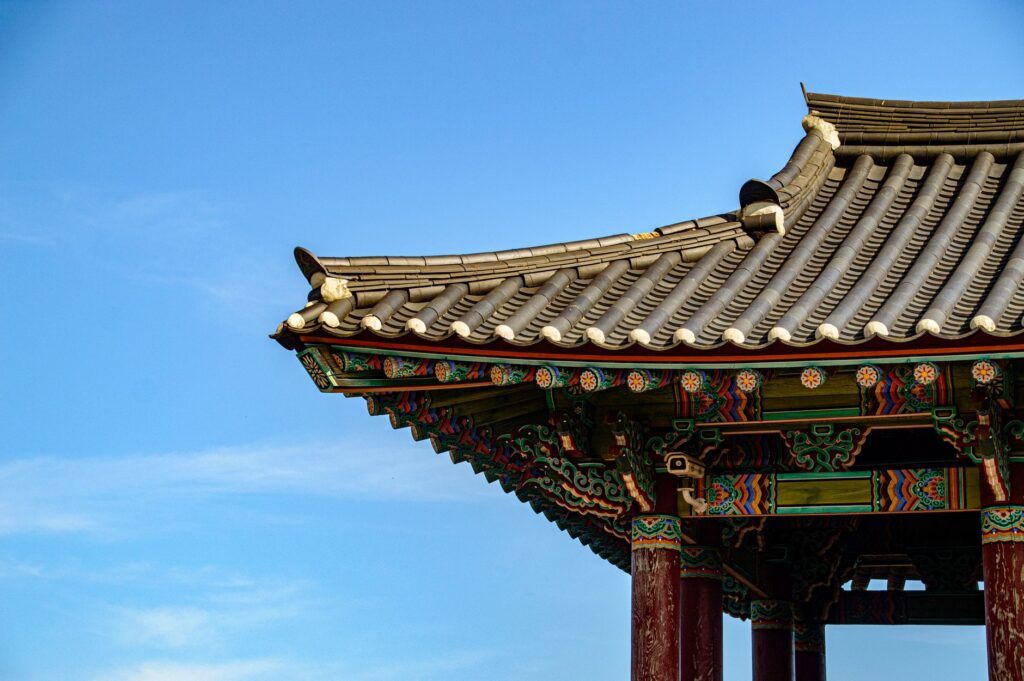
The epicenter of this open-door policy manifested with special intensity in Seoul, home to the grand palaces of the Joseon Dynasty. Monumental spaces such as Gyeongbokgung, Changdeokgung—recognized by UNESCO—Deoksugung, and Changgyeonggung removed their usual ticket booths. Wandering through the imperial courtyards of Gyeongbokgung without the habitual ticket line allowed for a more unhurried, almost contemplative approach to polychrome wooden architecture and gray-tiled roofs standing defiantly against the capital’s contemporary skyscrapers.
Free admission did not mean chaos, but rather careful flow management that allowed entire families—grandparents, parents, and grandchildren—to stroll through the corridors of the Gyeonghoeru Pavilion. The democratization of architectural heritage proved that removing economic barriers radically transforms the atmosphere of monuments, turning them into living agoras where the monarchical past dialogues without exclusion with new generations of South Koreans and international travelers fortunate enough to align with the holiday calendar.
National Museums: Decentralizing Memory Beyond the Capital
While Seoul’s palaces captured much media attention, the true cultural revolution of this government initiative lay in decentralization. National museums located in key cities such as Gyeongju, Jeonju, Buyeo, Daegu, and Gwangju also opened their collections entirely free of charge. This successfully diverted some of the massive tourist flow that traditionally suffocates the capital toward regions with capital historical weight for understanding Korean identity.
In Gyeongju, the ancient capital of the Silla kingdom—often called the museum without walls—the royal burial complexes and the National Museum of Gyeongju recorded record figures of local visitors. Families could admire golden crowns, celadon ceramics, and bronze bells without the cost barrier that often limits multiple visits. This policy confirmed a thesis long defended by tourism sociologists: when economic tolls are removed, cultural curiosity multiplies exponentially across the working layers of society.
Immersive Experience Programs: Intangible Heritage as an Engine
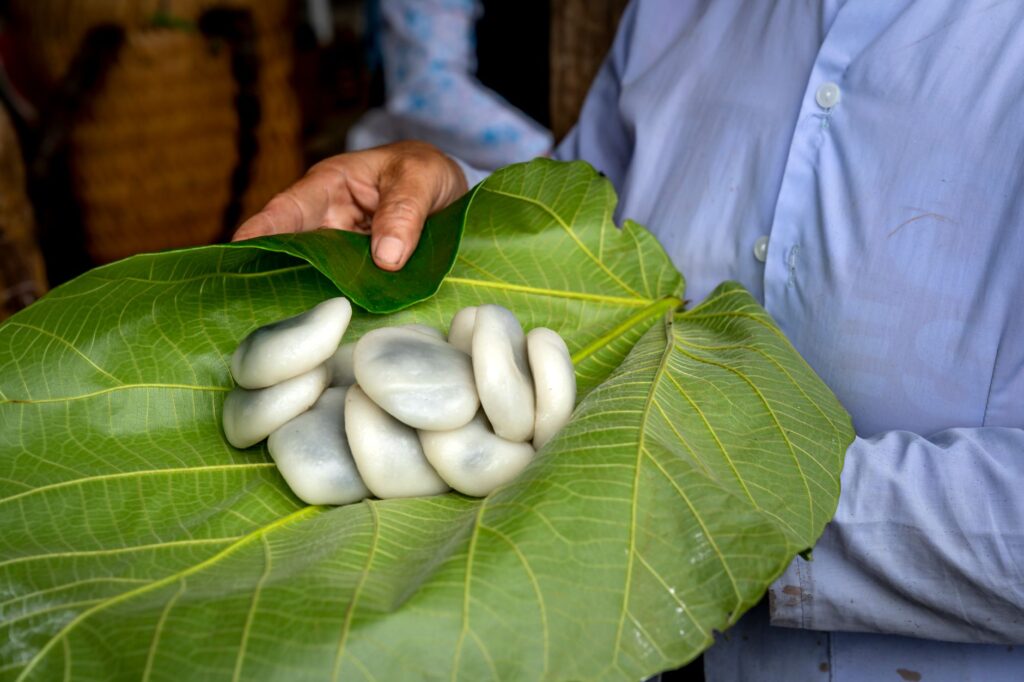
The Korea Tourism Organization’s plan was not limited to the passive contemplation of ancient stones and artifact display cases. A very relevant budgetary and logistical portion was allocated to subsidize and coordinate immersive experience programs in regional cultural centers. Workshops on making *songpyeon* (half-moon-shaped rice cakes typical of Chuseok), traditional archery demonstrations (*gungdo*), and open-air musical performances featuring instruments like the *gayageum* formed part of the public offering.
Culture ceases to be a static showcase and becomes a space for active participation when institutions embrace public investment as a fundamental right of social cohesion during major festivities.
These workshops allowed visitors not only to observe heritage but to touch, taste, and interpret it. In protected traditional villages, such as the Jeonju Hanok Village or the historical enclaves of Andong, free calligraphy and folk music programs attracted intergenerational audiences who rediscovered endangered artisan crafts facing the push of digital industrialization.
Economic Impact and the Stress Test of Sustainable Tourism
From a macroeconomic perspective, the free-access initiative during Chuseok functioned as an indirect yet highly effective stimulus. Although monument and museum tickets stopped collecting funds directly, consumption shifted toward collateral sectors equally vital to the local economy: traditional gastronomy in regional markets, regional transport on buses and commuter trains, and the acquisition of artisanal products in local workshops.
However, this attendance success raises complex questions about the future sustainability of heritage enclaves. The punctual overcrowding of certain spaces during holidays underscored the urgent need to establish stricter capacity limits and digital pre-booking systems even when access is free. The physical preservation of centuries-old wooden structures and delicate archaeological sites cannot be subordinated exclusively to popular enthusiasm. The challenge for South Korean tourism authorities lies in institutionalizing these free openings without compromising the material integrity of monuments.
Practical Guide
Planning a trip to South Korea during the Chuseok holiday period requires anticipation and knowledge of local particularities, especially following the implementation of new free cultural access policies.
Calendar and Holidays: Chuseok follows the lunar calendar, usually coinciding between September and October. Official holidays last three days, but often extend into a long bridge. Checking the exact lunar calendar of each year before booking flights is essential.
Monument Access: During the designated holiday dates, Seoul’s royal palaces (Gyeongbokgung, Changdeokgung, Deoksugung, Changgyeonggung) and the Royal Tombs of the Joseon Dynasty offer free admission. National and regional museums managed by the central government also waive their fees.
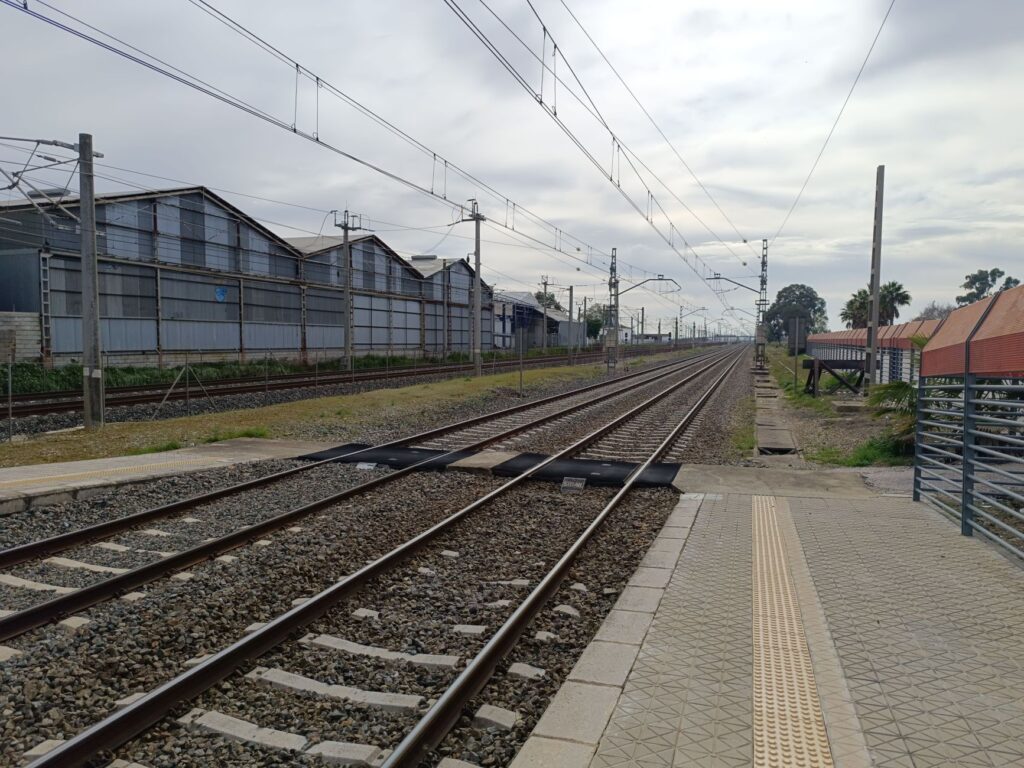
Transport and Reservations: Tickets for high-speed trains (KTX) and intercity buses go on sale weeks in advance through official portals and sell out within hours. Using authorized digital platforms as soon as booking periods open is strongly recommended.
Business Hours: Much of small retail, local restaurants, and traditional markets close during the two central days of Chuseok as owners return to their hometowns. However, major supermarket chains, main tourist areas in Seoul, and department stores operate normally or with adapted hours.
The Intimate Pulse of Shared Memory
At the end of the holiday days, when crowds disperse and the lights of Seoul’s royal palaces reflect in the pond of the Gyeonghoeru Pavilion, a sense of collective truce remains. Chuseok, in its most intimate essence, is not merely an exercise in family mobility or seasonal economic balance; it is the moment when a hyper-connected, fast-paced society like South Korea pauses to recognize itself in the mirror of its secular traditions.
The decision to open the doors of history without tolls or tickets functioned as a subtle reminder that national heritage belongs to those who inhabit and remember it. Far from usual commercial circuits, temporary free admission transformed monuments into refuges of common belonging. In those imperial courtyards walked by families strolling without haste, culture ceased to be a tourism consumption product and became a territory of human encounter, a space where past and present dialogue with no intermediaries other than affection for one’s own history.
Source: Asiae (https://www.asiae.co.kr)