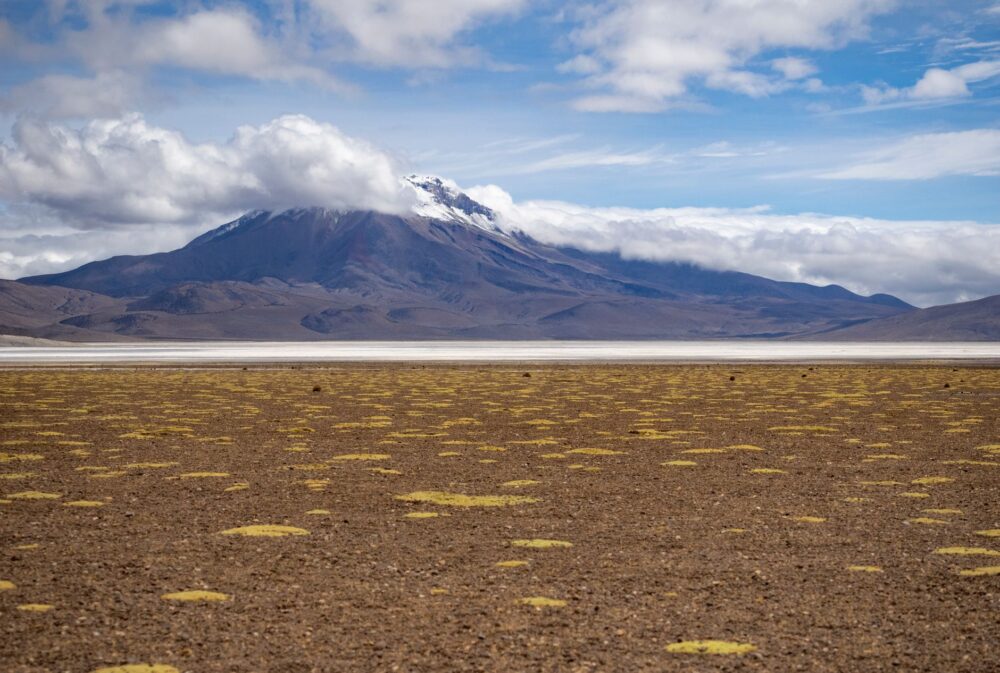
The high Andean plateau of Bolivia, a vast plateau situated over three thousand five hundred meters above sea level, has historically represented one of the most hostile and fascinating theaters for transport engineering in South America. In this territory of infinite horizons, where rarefied air and extreme temperatures challenge human habitation, the railway has not merely served as a mode of transportation, but as the true umbilical cord that structured the export economy and territorial integration of a landlocked nation.
The genesis of this railway network dates back to the late nineteenth and early twentieth centuries, an era when the tin and silver boom demanded urgent logistical solutions to connect the mining deposits deep within the Andes with Pacific Ocean ports. British-backed companies and local contractors undertook the titanic task of laying tracks across saline soils and impossible slopes, overcoming natural barriers that seemed insurmountable to the technology of the period.
Conquering the Void: High-Plateau Engineering and Meter Gauge
Designing a railway line across the Altiplano means submitting to the rigorous laws of physical geography. Unlike European or North American layouts where river valleys guide the route, engineers on the Bolivian puna had to plot kilometers of straight tracks across plains devoid of geographical reference points, suddenly interrupted by volcanic cordilleras. The choice of meter gauge responded to an imperative need for economic and technical adaptability in the face of sharp curves and unstable terrain.
Work crews, largely composed of Aymara and Quechua individuals accustomed to high altitude, cut embankments and erected prefabricated metal bridges imported from Europe that had to be transported on muleback from the Chilean and Peruvian coasts. Each imported wooden sleeper and each British steel rail represented an unprecedented logistical feat, where the scarcity of oxygen and climatic severity exacted a heavy human toll.

Iron laid across salt and stone did more than bridge mines and ports; it transformed geographic isolation into a network of human and commercial exchange that endures the passage of time.
The maintenance of these infrastructures today continues to demand millimetric precision. Daily thermal shifts, which can exceed thirty degrees of difference between the midday sun and the nocturnal frost, cause constant expansion and contraction of the rails. Track and structure maintenance teams operate under strict protocols to prevent geometric deformations in the gauge, ensuring the stability of heavy freight and passenger convoys traveling daily along this corridor.
Oruro and Uyuni: Nerve Centers of Andean Logistics
At the heart of this system lies Oruro, historically regarded as the folklore capital of Bolivia and the nerve center of national mining. The arrival of the railway to Oruro in the late nineteenth century radically transformed its status, turning it into the natural customs house and transfer point between minerals extracted from the northern and southern Altiplano and routes toward export ports. The old stations, built with sober railway architecture featuring exposed brick and riveted metal structures, retain the echo of a golden industrial age.
Toward the south, the line continues its winding route until reaching the town of Uyuni, world-famous for housing the salt flat of the same name. At this junction, the railway track not only shares space with a surreal landscape of white crusts, but functions as the indispensable logistical backbone for transporting lithium carbonate and other strategic minerals feeding the global energy transition. The interplay between contemporary industrial activity and centennial railway heritage defines the unique character of this region.
Railway logistics in Uyuni also plays a crucial role in mitigating the isolation of dispersed rural communities. Despite competition from paved highways, the train remains the most economical and reliable transport medium for moving local agricultural produce, camelid livestock, and passengers traveling between regional fairs. The punctuality of services, despite seasonal weather inclemencies, constitutes an asset valued by local residents.
Rolling Stock and Technological Transition
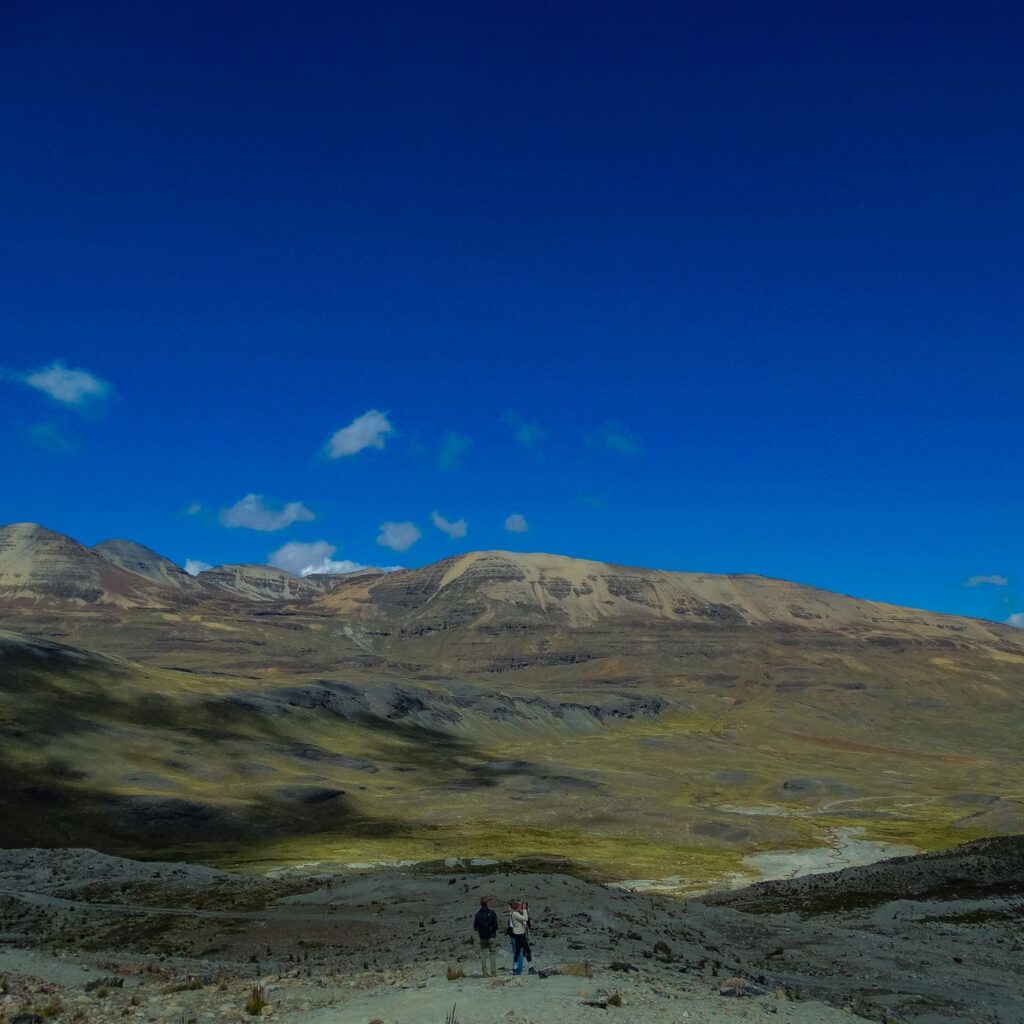
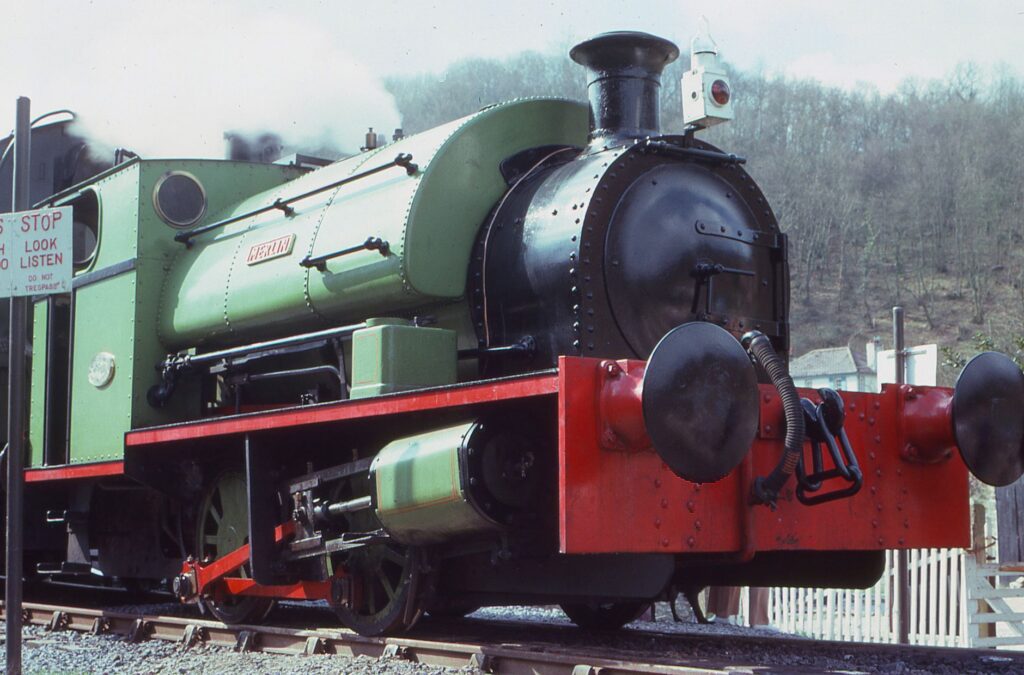
The evolution of rolling stock on the Bolivian Altiplano reflects the country’s successive stages of modernization and technological dependency. From iconic British-built steam locomotives, such as the legendary Beyer-Garratt units still resting as silent monuments in the Uyuni train cemetery, to modern diesel-electric units traversing the tracks today, machinery has had to adapt to low-oxygen combustion requirements.
Diesel engines operating on this route require specialized turbocharging systems and oversized air filters to prevent power loss derived from reduced atmospheric pressure. Likewise, pneumatic braking systems must be rigorously calibrated to respond effectively on prolonged grades and over surfaces with reduced adhesion due to frost or saline dust.
In terms of travel experience, modern railcars offer a blend of functionality and comfort tailored to adventure tourism and corporate commuting. Coaches feature static heating, reclining seats, and large panoramic windows specifically designed for viewing the immensity of the Altiplano landscape, where herds of vicuñas, llamas, and volcanic geological formations are frequently sighted.
Sustainability and Socioeconomic Challenges of the Corridor
The long-term viability of the Altiplano railway faces complex challenges that go beyond mere mechanical engineering. Competition from road motor transport, driven by the paving of new trunk routes, has reduced the passenger transport market share. However, in the heavy freight segment—especially minerals, cement, and fuels—the train maintains an unbeatable comparative advantage in terms of cost per ton-kilometer and lower carbon footprint.
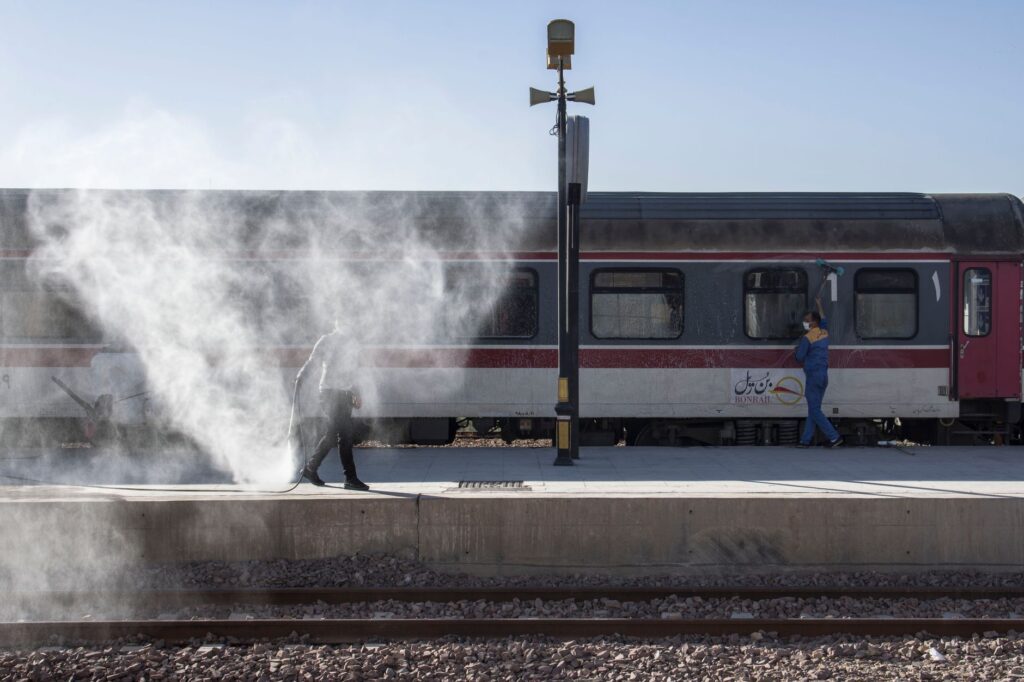
Current management strategies focus on modernizing signaling infrastructure, partially renewing rails and ties, and optimizing transit times at border crossings and freight terminals. Integration with South American bioceanic corridors represents a strategic opportunity to enhance Bolivia’s role as a continental logistics hub, connecting Brazilian Atlantic ports with Chilean and Peruvian Pacific terminals through the Andean backbone.
From an environmental perspective, rail transport generates a fraction of the greenhouse gas emissions produced by equivalent road transport, a factor increasingly relevant in sustainable development policies promoted by international agencies. Local authorities and private operators collaborate in implementing waste management practices and wildlife protection along the right-of-way, minimizing the impact of logistical operations on puna ecosystems.
Industrial Heritage and Cultural Tourism Along the Route
The value of the Altiplano railway transcends its strictly utilitarian function, establishing itself as a premier heritage asset. Rail tourism has emerged as a complementary economic engine, attracting international travelers interested in industrial archaeology and high-mountain routes. Specialized itineraries allow visitors to traverse historical segments aboard restored carriages evoking early twentieth-century elegance, offering a slow and reflective perspective of the territory.
Municipalities located along the railway line have begun to revalue their former stations as cultural centers, local museums, and craft markets. This synergy between heritage conservation and tourism development fosters local community roots and invigorates family economies through the sale of traditional textiles, Andean gastronomy, and specialized guiding services.
Preserving this legacy requires strict heritage protection regulations to prevent the looting of decommissioned infrastructure and ensure the proper restoration of historic buildings. Universities and research centers collaborate in cataloging technical archives, construction blueprints, and photographic records documenting the epic of Andean railway construction.
Practical guide
How to get there: The primary starting point to access the Altiplano railway network is the city of Oruro, regularly connected to La Paz by bus services via paved highway (approximately a three-and-a-half-hour journey). El Alto International Airport (LPB) serves as the main aerial gateway to the country.
When to go: The dry season, spanning from May to October, offers the most stable weather conditions and clear skies, though accompanied by severe nighttime temperatures that can drop to minus fifteen degrees Celsius. Summer months (December to March) feature occasional rainfall and Altiplano landscapes tinged with intense green.
Logistics and tickets: Train services toward Uyuni and Villazón are primarily operated by Empresa Ferroviaria Andina (FCA). Tickets should be purchased in advance through official digital platforms or at main station ticket windows, selecting executive or salon classes for greater comfort on long journeys.

Health and acclimatization: Due to the high operational altitude of the route (consistently fluctuating between 3,700 and 4,000 meters above sea level), spending at least two preliminary days in La Paz or Oruro is essential to achieve proper acclimatization, maintain constant hydration, and avoid heavy meals.
Recommended packing: Thermal layering apparel, windproof and waterproof outerwear, high-spectrum UV-protection sunglasses due to intense high-altitude solar radiation, high-factor sunscreen, and durable, comfortable trekking footwear are indispensable.
Connectivity: Mobile phone and internet signals are stable in provincial capitals and main stations, but may be interrupted for extended periods along intermediate desert stretches. Downloading offline maps and carrying local currency in Bolivianos for minor transactions in rural localities is advised.
The distant whistle of the locomotive cutting across the saline immensity of Oruro is not merely a reminder of a surmounted industrial feat, but the daily confirmation that the Bolivian Altiplano continues to beat to the slow yet unstoppable rhythm of its ancient steel. In every rail vanishing into the horizon, the Andean geography finds its noblest form of resistance and historical continuity.