
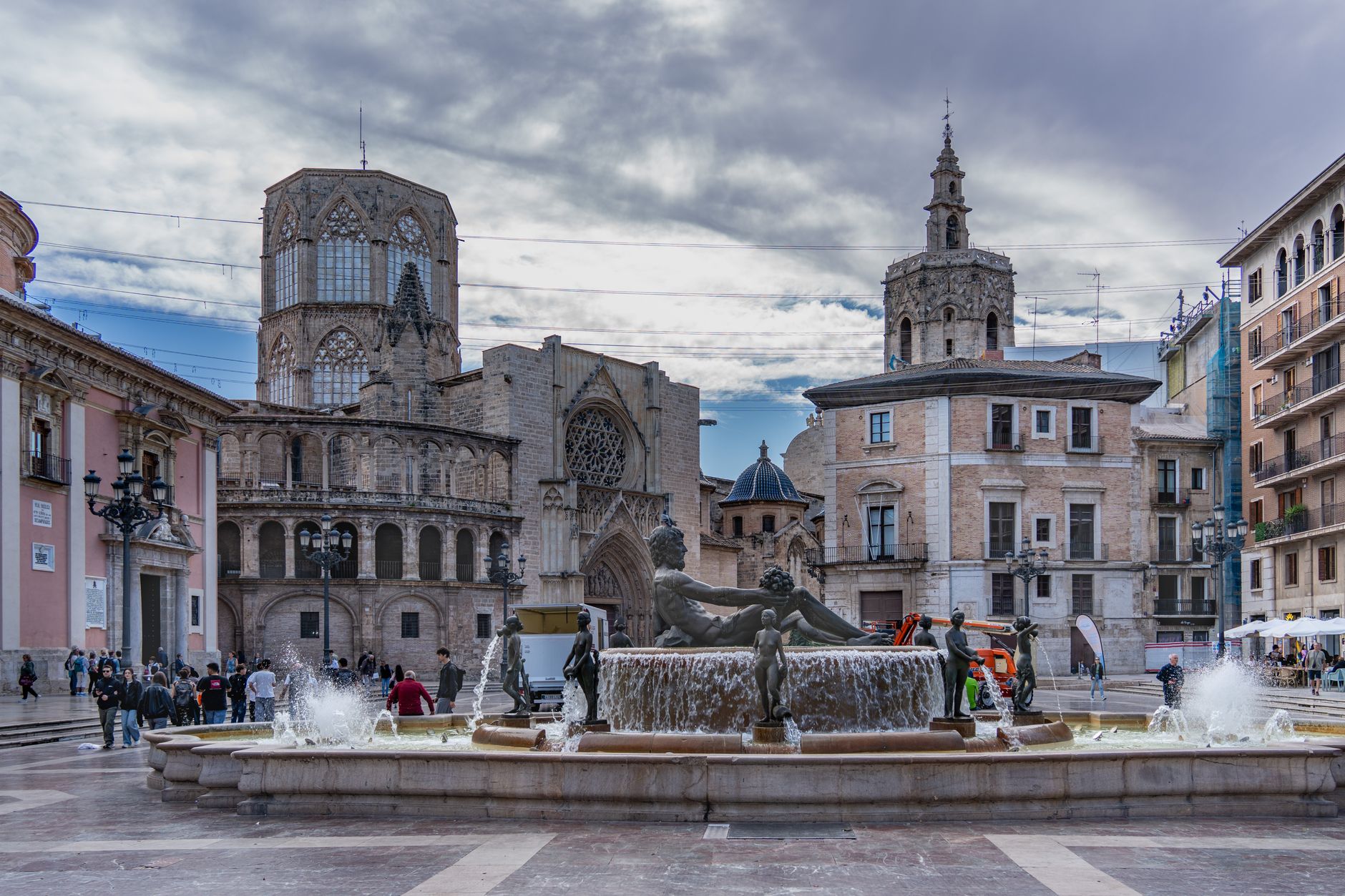

In the urban heart of Valencia, where the murmuring of church bells competes with contemporary traffic, a miniature universe survives where time is measured by the dry click of a wooden slat snapping open. The artisanal fan-making workshops of the Valencian Community, direct heirs to a guild tradition that took deep root in the nineteenth century, represent one of Europe’s most unique intangible heritage assets. Far from mass industrial production, these high-ceilinged spaces with oak workbenches illuminated by natural light house knowledge accumulated over generations. Here, the air invariably smells of bone glue, copal varnish, and noble woods such as pear, rosewood, or ebony—materials that form the skeleton of an object originally conceived to mitigate summer heat and transformed over centuries into a sophisticated tool for social communication, diplomacy, and pictorial art.
A visit to these studios reveals a manufacturing process fragmented into dozens of operations requiring millimeter precision. While conventional tourist routes tend to tread the monumental surface of the Silk Exchange or the Central Market, stepping into the workshops of the Velluters neighborhood or neighboring towns allows one to grasp the true dimension of human effort sustaining this craft. Each fan is not merely a decorative accessory, but a marvel of portable engineering where tension physics and radial geometry converge. Master artisans, many of them well past seventy with intact eyesight and steady hands, continue to hand-carve the openwork of the pai-só—the textile or paper leaf—and assemble the guard sticks and inner ribs using tiny metal rivets that allow for fluid, almost silent opening.
The Genesis of Material: Between Virgin Wood and Marine Mother-of-Pearl
The first major thematic block of this artisanal tour focuses on the selection and treatment of raw materials. In Vicente Blasco’s workshop, located on a quiet street near the old Turia riverbed, planks of noble woods sit stacked, awaiting the right moment for cutting. The choice of wood determines not only the fan’s final weight, but its flexibility and resistance to ambient humidity. «A good fan must be born from wood that has breathed and dried outdoors for at least five years», Blasco explains while holding a thin sheet of birch destined to become a master guard stick between calloused fingers.
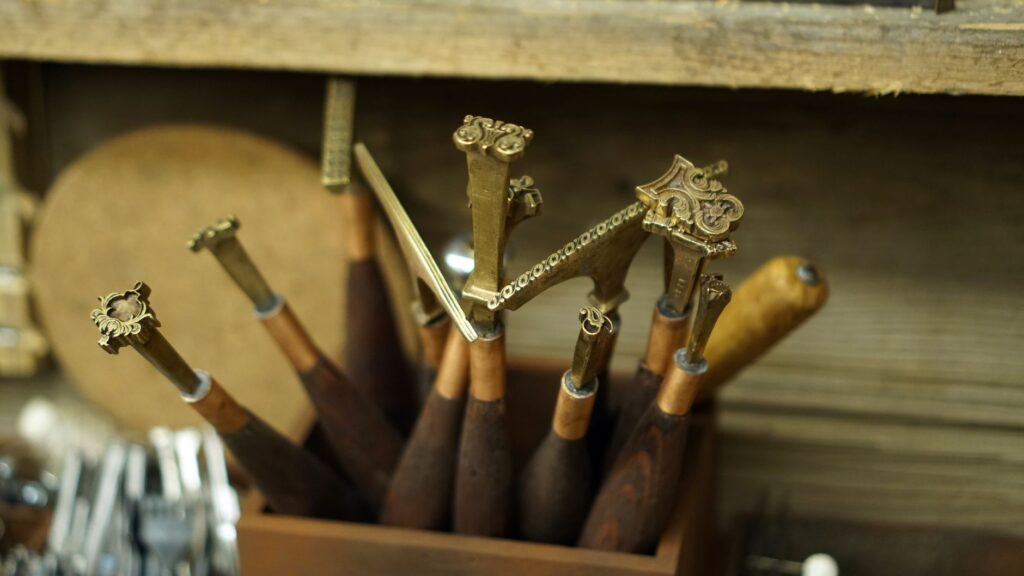
Alongside local woods, high-end materials such as mother-of-pearl from marine shells and carved bone hold a prominent place in high fashion and collector commissions. Working with mother-of-pearl requires infinite patience, utilizing diamond files and piercing saws, as the material tends to splinter under the slightest excessive vibration. Artisans combine these rigid pieces with bobbin lace, hand-painted natural silk chiffons, or specially weighted imported papers, achieving a chromatic harmony that defies fleeting trends. This absolute respect for the origin of materials turns each piece into a testament to historical sustainability, where nothing is wasted and scraps are repurposed for miniatures or ornamental details.
The Geometry of Folding: Miniature Architecture
The second block addresses the complex assembly and ribbing process, technically known as the structural soul of the fan. Carving the ribs is not enough; it is imperative to calculate with exact mathematical precision the opening angle, which generally ranges between 150 and 180 degrees. An error of a tenth of a millimeter in drilling the hole where the central pivot pin fits—the axis on which the entire assembly turns—would ruin weeks of prior work, causing the ribs to overlap or over-tensioning the central fabric until it tears at first use.
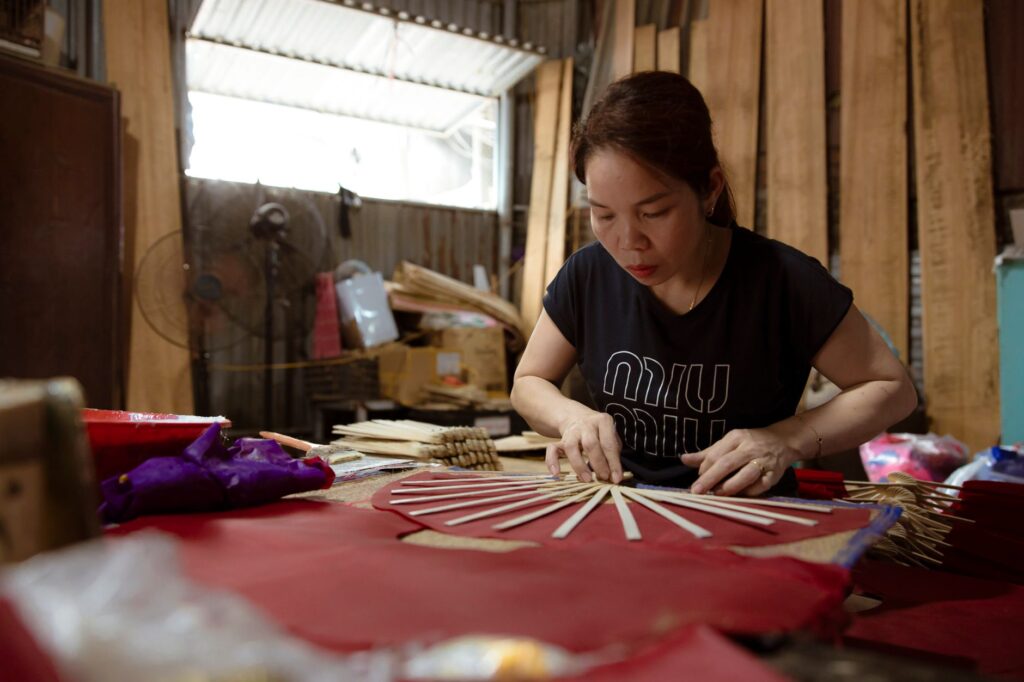
At this stage of the process, apprentices undergo rigorous training that can last for decades. The technique of ‘repeating’, which consists of perfectly aligning up to twenty or thirty slender ribs to make simultaneous cuts with specialized blades, requires absolute motor coordination.
True mastery does not lie in the speed of execution, but in the ability to listen to the wood; each grain demands distinct pressure to avoid breaking beneath the edge.
The hands of the journeymen, permanently stained with plant dyes and graphite, move across workbenches with a hypnotic cadence, reminding us that traditional manufacturing is, above all, an uninterrupted dialogue between human anatomy and inert matter.
The Portable Canvas: Painting, Fan Leaves, and Secret Codes
The third thematic block shifts the gaze toward the pictorial and ornamental surface of the fan. Historically, the pai-só has functioned as a premier artistic medium, comparable to canvas or printmaking paper. In the nineteenth century, miniature painters found an exceptional creative hub in Valencia, capturing everything from traditional orchard scenes to delicate still lifes with native flora. Today, studios maintain this tradition by collaborating closely with contemporary visual artists who reinterpret abstraction and urban landscape painting on traditional textile supports.
Beyond its aesthetic value, the fan holds a fascinating sociological dimension: the non-verbal language associated with its handling in past centuries. Although today it is perceived mostly as a functional item or collectible, fans served in salons and bourgeois gatherings to transmit coded messages between ladies and gentlemen—from opening it slowly across the chest to signal affection to snapping it shut abruptly to show indifference. This narrative layer adds profound cultural thickness to the visit, transforming the simple act of fanning oneself into a recreation of social rituals long forgotten yet rigorously documented in the city’s historical archives.
Generational Turnover and the Threat of Industrial Imitation
The fourth block examines the contemporary challenges facing this artisanal sector. The unfair competition of industrially manufactured fans produced en masse in Southeast Asia, sold at symbolic prices in souvenir shops, has endangered the economic survival of the last remaining pure workshops. These synthetic products, made with molded plastics and low-quality digital printing, distort the public perception of the authentic Valencian fan, reducing a work of art to disposable tourist kitsch.
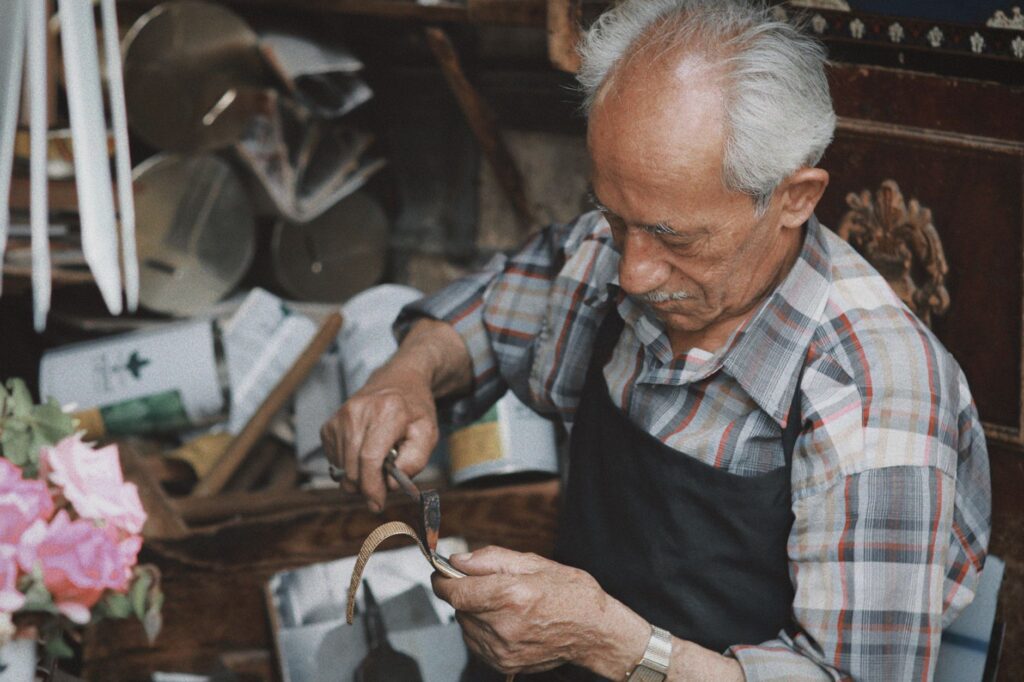
Faced with this threat, master craftsmen and local administrations have promoted cataloging initiatives and quality seals, such as the Craftsmanship brand of the Valencian Community. However, the most pressing obstacle is the lack of generational turnover. Younger generations, drawn to digitalization and urban service jobs, rarely show interest in a craft that demands absolute dedication, physical isolation in the workshop, and modest initial compensation. Valencia’s art and design schools have begun establishing cooperation agreements with surviving workshops, introducing specialized training modules to prevent this millenary know-how from dying out with the retirement of current masters.
Practical guide
How to get there: Valencia features high-speed rail connections (AVE and Ouigo) from Madrid and Barcelona, placing the Turia capital less than two hours from the central plateau. Manises International Airport is fifteen minutes away by metro from the historic center.
When to visit: Any time of year is favorable, though spring and the months leading up to local festivities see higher activity in workshops due to demand for traditional Valencian attire.
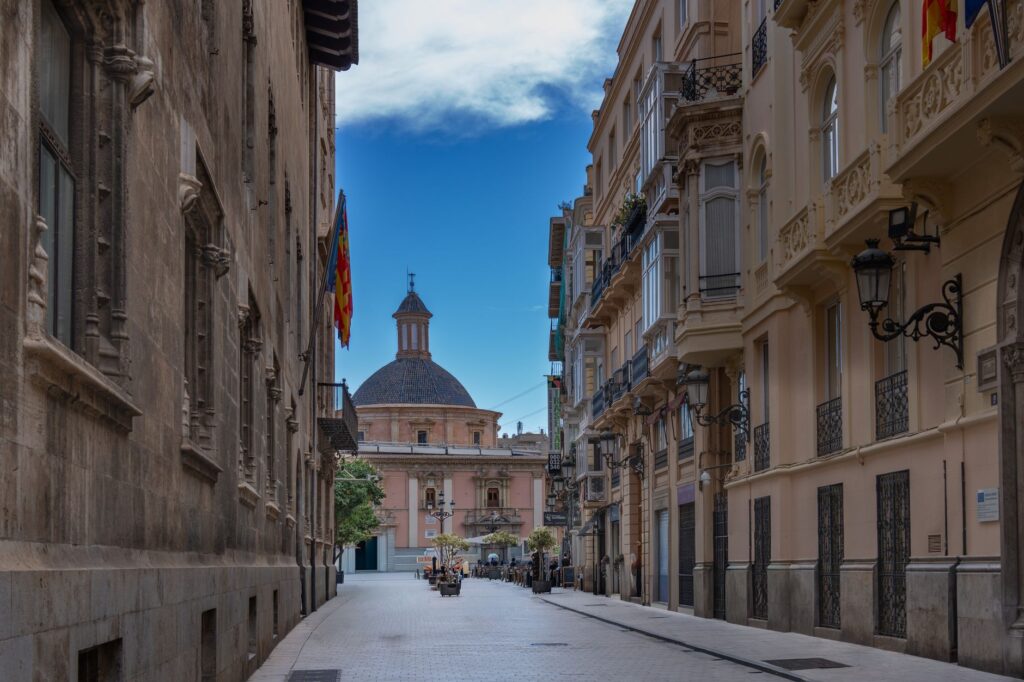
Where to find the workshops: Most historical workshops are discreetly concentrated in the Velluters neighborhood and nearby towns such as Aldaia and Burjassot. It is recommended to arrange visits in advance through local artisan associations, as many spaces do not operate as commercial shops open to the general public.
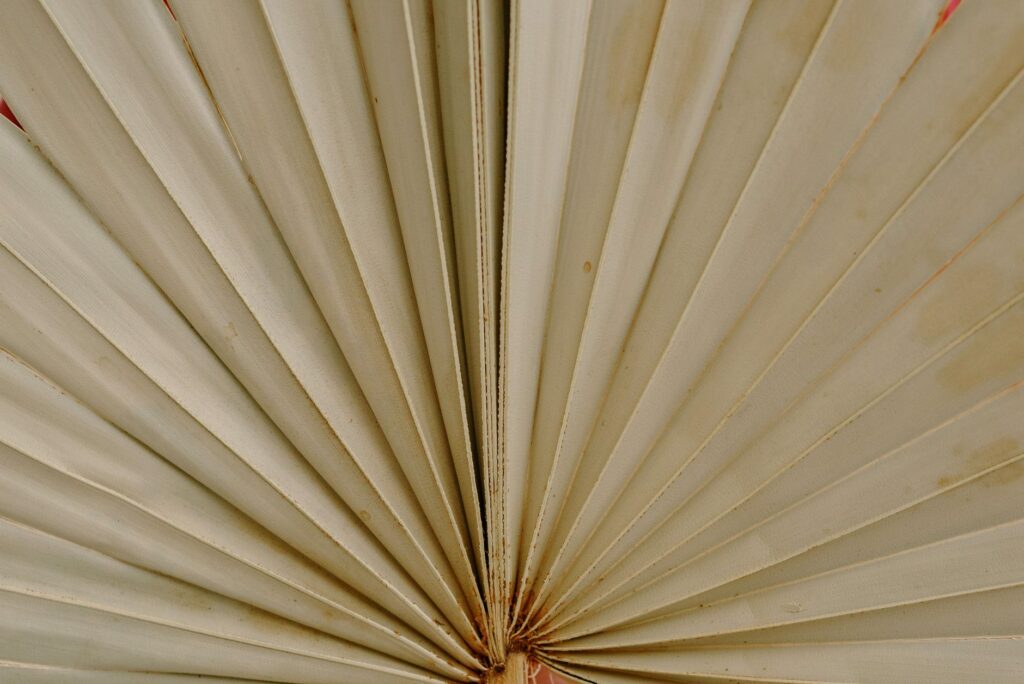
Buying and preservation tips: When purchasing an artisanal fan, always request the certificate of authenticity specifying the originating workshop and materials used. For preservation, avoid direct, prolonged exposure to sunlight and keep it stored in its original protective sleeve when not in use.
Epilogue: The Whisper of Arrested Air
At dusk, when the golden Mediterranean light pours obliquely through the barred windows of Vicente Blasco’s workshop, suspended dust seems to dance to the rhythmic cadence of a file against mother-of-pearl. In that suspended instant, the fan ceases to be a mere mercantile object or museum piece, revealing itself for what it truly is: an artifact of poetic resistance against modern haste. Holding a Valencian fan in one’s hands is touching past centuries with the fingertips, feeling the exact weight of patience, and understanding that some beauties are so fragile they can only survive if someone, in some quiet corner of the city, decides to dedicate their entire life to keeping them open against the wind.


