
The Atlantic Pulse of a Submerged Continent
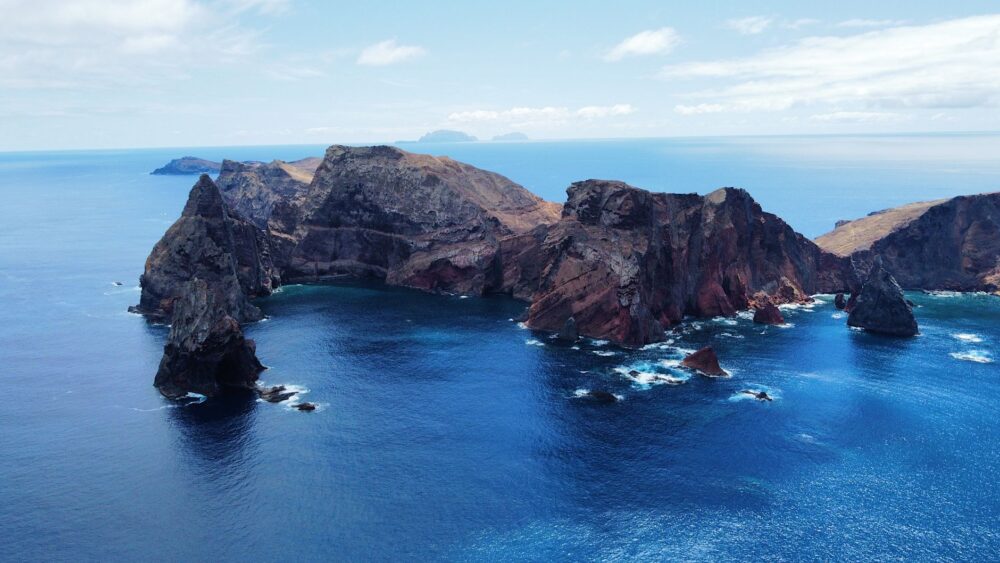
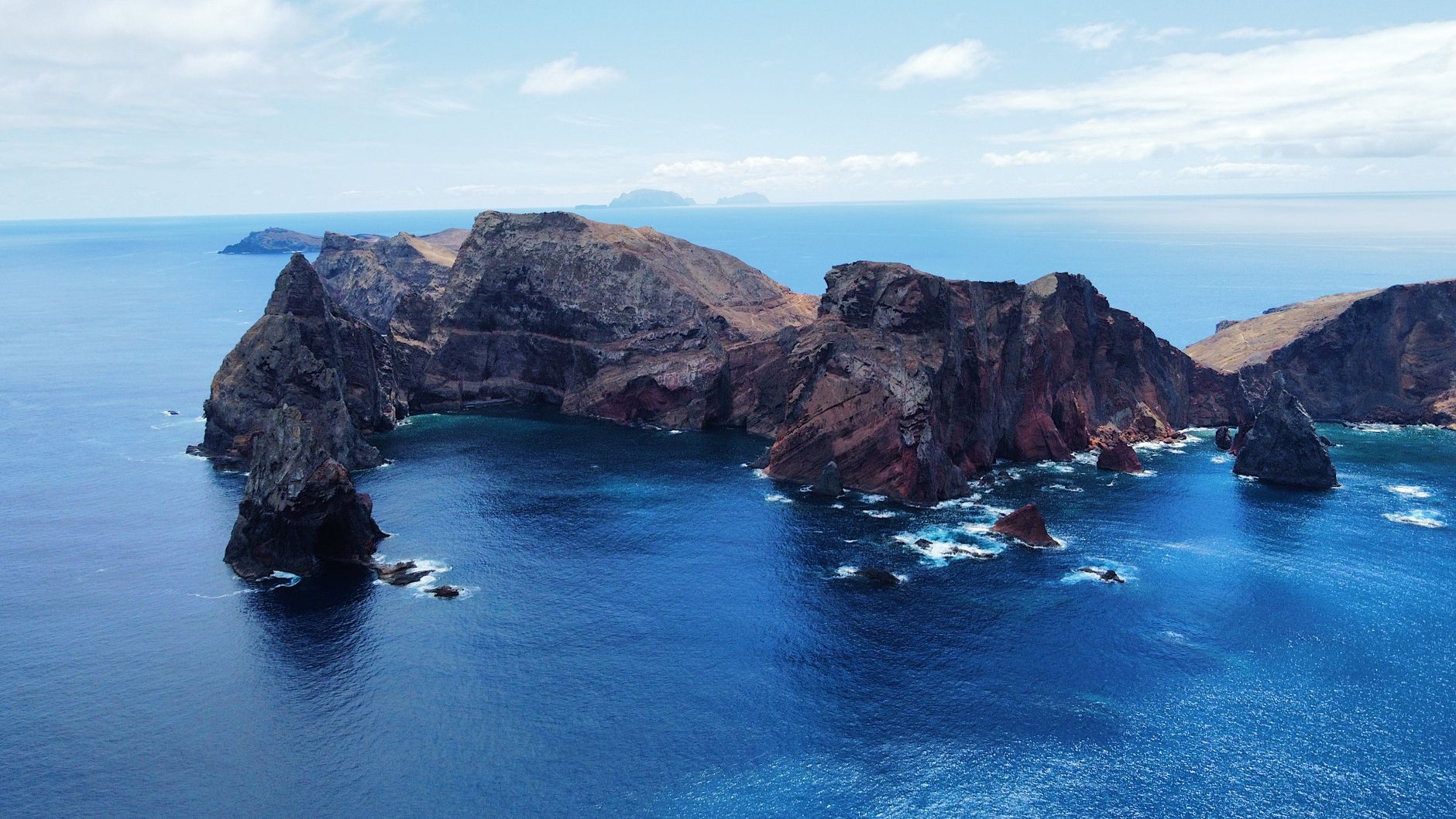
The North Atlantic is not a homogeneous space, but a vast chessboard of submerged calderas, oceanic ridges, and capricious currents where geology dictates human routes. At the westernmost extreme of European sovereignty, the Azores archipelago emerges as a fortification of black basalt, sculpted by millennial eruptions and lashed by the dominant winds of polar fronts. Traversing this dispersed archipelago does not respond to mass tourism, but to the unwavering discipline of inter-island navigation, a vital system where the public shipping company Atlânticoline’s ferries act as metallic arteries connecting communities isolated by marine abysses over two thousand meters deep.
Understanding the logistics of this Atlantic labyrinth requires abandoning continental schemes of railway punctuality or continuous asphalt. Here, the docking schedule is written by the southwest wind and sealed by wave heights at harbor mouths. Each of the nine islands—grouped into the eastern, central, and western groups—possesses a singular topography that conditions port engineering. The docks, wedged between cliffs of volcanic tuff and white foam breakers, stand as silent witnesses to a millimeter-precise maneuver where captains must contend with crosscurrents and pure Atlantic swell. This report examines with technical rigor the entrails of the Azores ferry network, breaking down operational routes, vessel profiles, and essential safety protocols to chart a safe maritime route respectful of the ocean’s natural rhythm.
Anatomy of Fleets and Maritime Corridors
The backbone of passenger and vehicle transport across the archipelago rests on a specialized fleet capable of withstanding the demands of the open sea. Unlike Mediterranean routes, where summer calm dominates the calendar, Azorean seas operate under a regime of constant agitation. High-speed catamaran vessels, designed to cut through water efficiently during summer months, complement larger conventional ferries operating year-round, guaranteeing cargo supply and local mobility.
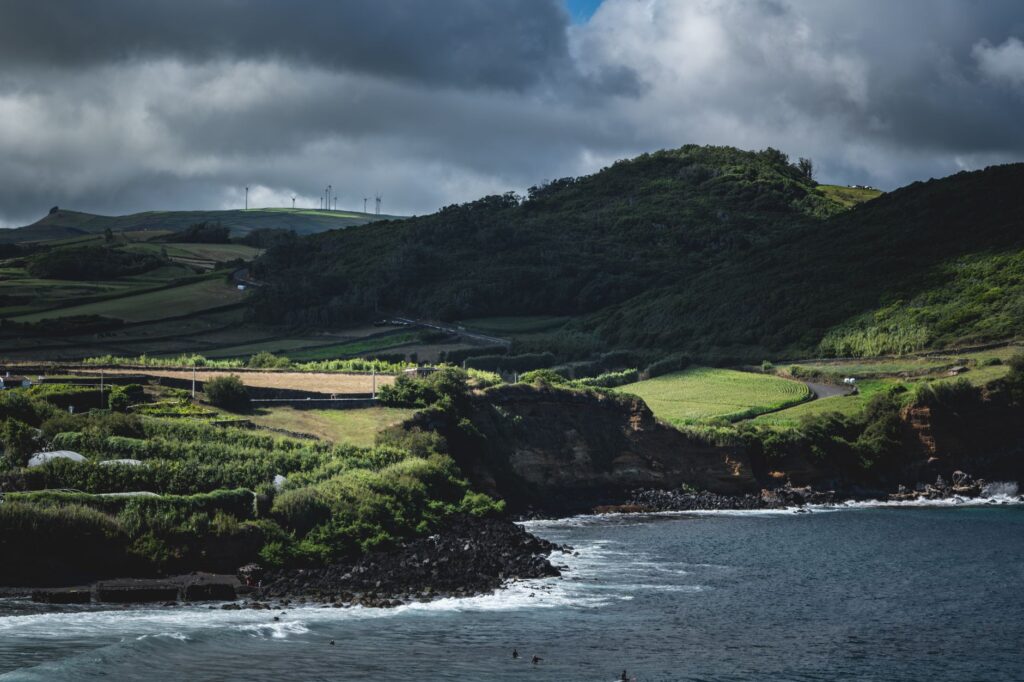
The central triangle, formed by the islands of Faial, Pico, and São Jorge, represents the core of highest operational density. In this narrow channel, geographic proximity contrasts with the unfathomable depth of the seabed. Departures from Horta, in Faial, to Madalena, in Pico, require barely thirty minutes of navigation yet demand remarkable technical skill due to wind funneling between the towering slopes of Mount Pico, Portugal’s highest peak. Conversely, connections to peripheral islands—Flores and Corvo in the western group, or Santa Maria and São Miguel in the eastern—transform routine trips into multi-hour oceanic voyages where structural vessel durability and gyroscopic stability are tested against unexpected storms.
Ticketing management and itinerary planning tolerate no improvisation. Red weather alert cancellations are an inherent variable of the Macaronesian ecosystem. Local operators update departures in real-time using satellite tracking systems and weather stations located on the most exposed capes. For the methodical traveler, this implies designing a route with generous buffer margins, avoiding tight return flight connections if the margin is under forty-two hours. Flexibility is not an optional recommendation, but a survival rule in open waters.
Port Engineering and the Art of Docking Against the Rock
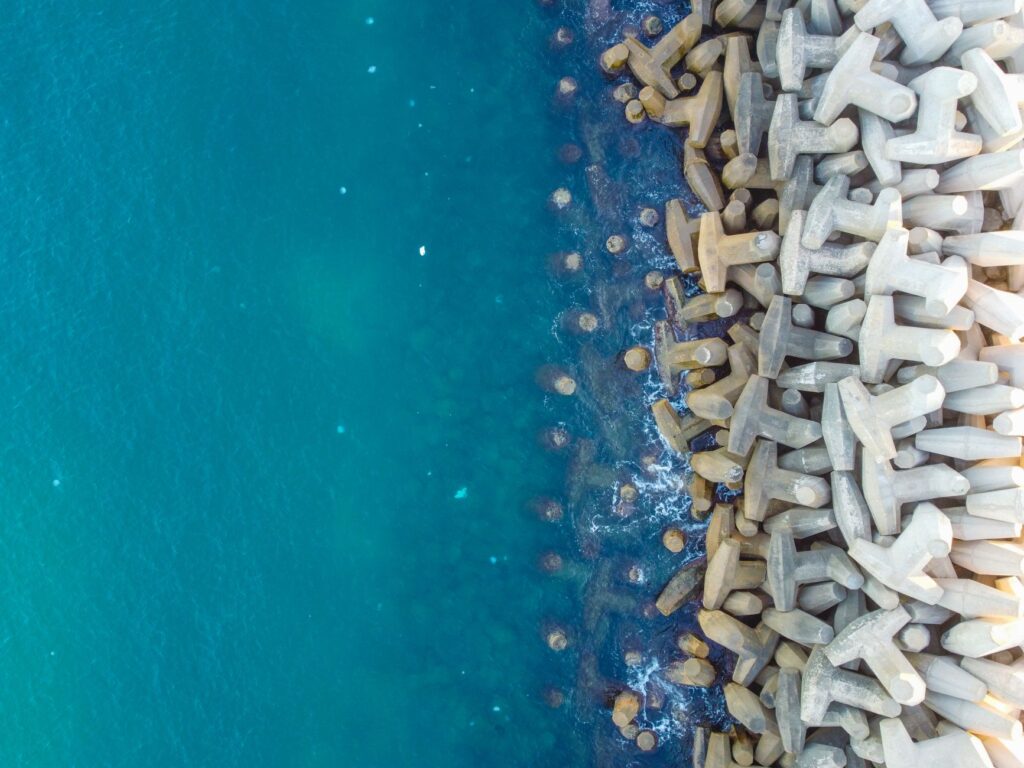
Stunning cyclopean concrete breakwaters protect the small shelter ports dotting the Azorean coastline. Constructing and maintaining nautical infrastructure in this volcanic environment equates to waging a constant battle against the erosive energy of the Atlantic. Ports such as Vila do Porto in Santa Maria or Lajes das Flores have required monumental engineering investments to withstand cyclonic storms capable of moving multi-ton stone blocks as if they were lightweight toys.
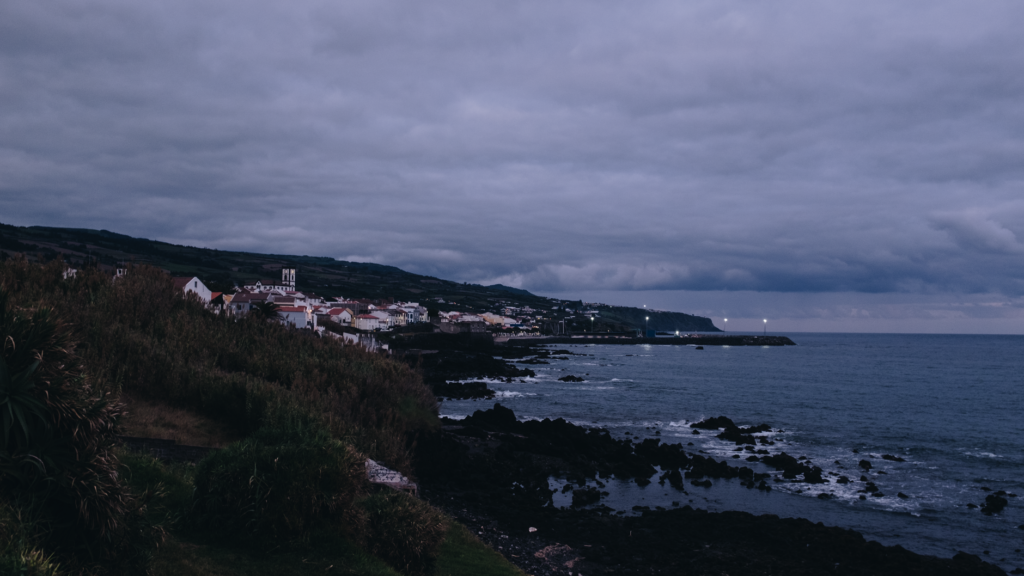
Approaching these docks requires exhaustive knowledge of local bathymetry. Many ports lack spacious basins, forcing vessels to execute turning maneuvers in tight spaces with the support of powerful bow thrusters and dynamic positioning systems. When the ferry faces the breakwater, the roar of the engine against the tide’s undertow sets the tempo of arrival. Passengers observing from the deck perceive the sheer magnitude of human endeavor against the raw harshness of island nature.
The sea does not negotiate terms with administrative calendars; it demands attention, respect, and a profound understanding of the currents shaping the edge of the underwater abyss.
In addition to surface infrastructure, Azorean port logistics integrate advanced refueling and preventive maintenance systems. Ships undergo rigorous dry-dock inspections during months of lower tourist influx, ensuring propulsion systems and watertight bulkheads comply with international maritime safety regulations. This meticulous attention to technical detail allows such a complex island network to operate with remarkable reliability despite environmental hostility.
The Meteorological Factor: Mastering Fronts and Gales
The Azores climate is governed by the famous eponymous anticyclone, but its seasonal position fluctuates, allowing frequent entry of polar and subtropical fronts colliding right over the archipelago. This phenomenon generates extreme meteorological variability, where a bright sunny day with calm seas can transform within hours into hurricane-force gusts and reduced visibility due to dense sea-level fog banks.
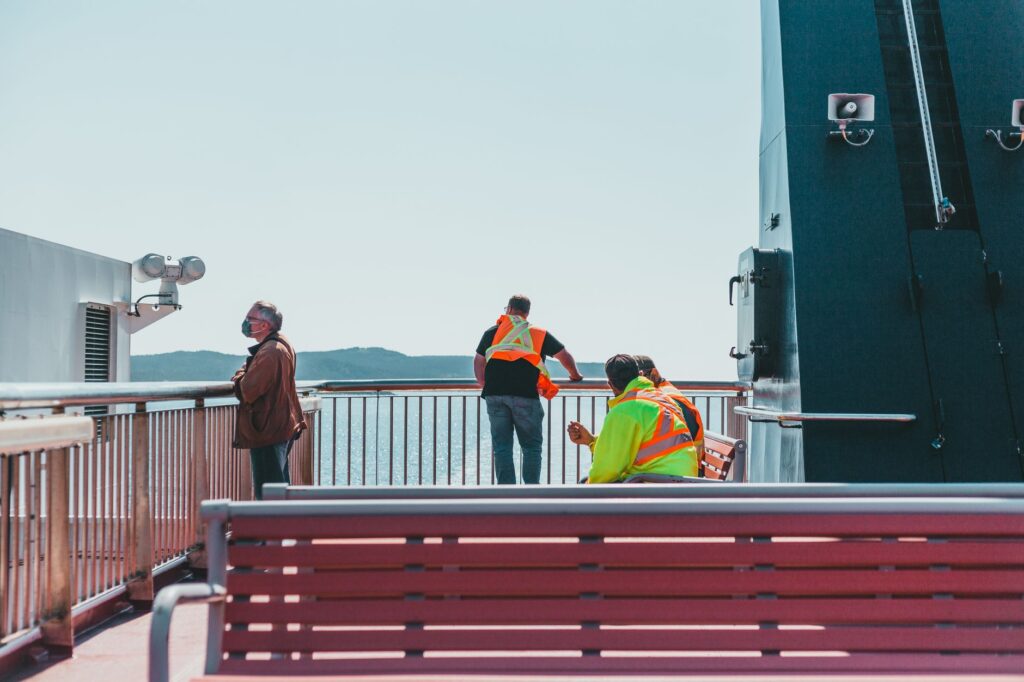
For ferry captains, the cartographic and oceanographic forecasting services of the Portuguese Institute for Sea and Atmosphere (IPMA) are vital daily tools. Atmospheric pressure maps, significant wave height, and swell direction are analyzed hours in advance. When seas exceed safe operational limits—typically waves over four meters combined with crosswinds exceeding 30 knots in certain harbor mouths—port authorities issue navigation restrictions paralyzing entire network segments.
This meteorological reality demands that any maritime expedition through the Azores incorporate a structured contingency protocol. Travelers must consult information panels at port terminals early in the morning and keep the Atlânticoline mobile application active. Psychological adaptability to a forced itinerary change—such as remaining stranded on an island for a couple of extra days due to a storm—is an inseparable part of navigating this Atlantic outpost.
Insular Economy and Dependence on Water Routes
Beyond passenger transport, inter-island ferries sustain the supply chain of perishables, construction materials, and fuel essential for civil life on islands with small populations like Corvo or Graciosa. Without regular ship arrivals carrying rolling freight and passengers, the local economy would collapse within weeks, evidencing the inherent fragility of geographic isolation.
Local shipowners coordinate commercial schedules with agricultural and livestock demands. Transporting cattle between São Jorge and pasturelands on other islands, for instance, requires specialized logistics aboard adapted holds minimizing animal stress during the crossing. Similarly, fresh produce supply from the mainland and the major island, São Miguel, to remote enclaves relies on perfect synchronization between cargo ships and island port cranes.
Every container unloaded at volcanic docks represents an invisible umbilical cord keeping the commercial heart of these Atlantic communities beating.
This system of mutual dependence reinforces a sense of community among island residents. The ferry is not merely a tourist transport medium, but a social space intersecting the stories of locals, merchants, and veteran sailors who know every reef and shoal by heart.
Practical guide
Planning a ferry journey through the Azores requires precise logistical strategy. Fundamental aspects to ensure a smooth and safe crossing are detailed below.
Route Planning and Reservations
- Purchase tickets months in advance for the peak season (June to September), especially for central group lines and high-speed routes.
- Consult official Atlânticoline websites to verify rental vehicle space availability, as onboard space restrictions are strict.
- Design an itinerary with a buffer of at least two free days at the end of the trip to absorb potential weather cancellations.
Luggage and Onboard Comfort
- Use compact backpacks or suitcases; luggage spaces on catamarans are limited, and bringing a hand luggage bag with waterproof warm clothing is strongly advised.
- Take motion sickness precautions (such as cinnarizine medications or scopolamine patches), as Atlantic swells frequently generate intense oscillating movements.
- Always carry physical identity documents, as boarding controls at port terminals are strict and comparable to airport security.
Safety and Port Protocols
- Arrive at the maritime terminal at least sixty minutes before the scheduled departure time for foot passengers, and ninety minutes for vehicle boarding.
- Follow crew instructions at all times during docking and undocking maneuvers, avoiding transit on exposed outer decks during rough seas.
- Register for SMS alert channels or shipping company notifications to receive instant updates on schedule modifications or service suspensions.
The Basalt Horizon and the Ocean’s Memory
When the ferry finally pulls away from the final breakwater and sets its bow toward the open sea, the Azores archipelago slowly merges with the leaden gray of the Atlantic horizon. The volcanic peaks, once dominant and close, transform into diffuse silhouettes recalling the ephemeral nature of our presence in these oceanic confines. Maritime transit is not reduced to simple physical displacement between point A and point B; it constitutes an exercise in humility before the immensity of water, a constant reminder that true contemporary adventure lies in accepting times dictated by tide, wind, and living rock.
At journey’s end, the traveler understands that the value of the Azores lies not in the speed of checking off a destination map, but in the patience learned alongside marine engines. The salt ingrained in clothing, the constant sway on steel decks, and the imposing silhouette of basalt cliffs cut against sunset endure in memory long after leaving the dock, sealing an unbreakable pact with the wild pulse of the North Atlantic.