
Introduction to the Ebro Estuarine Pulse
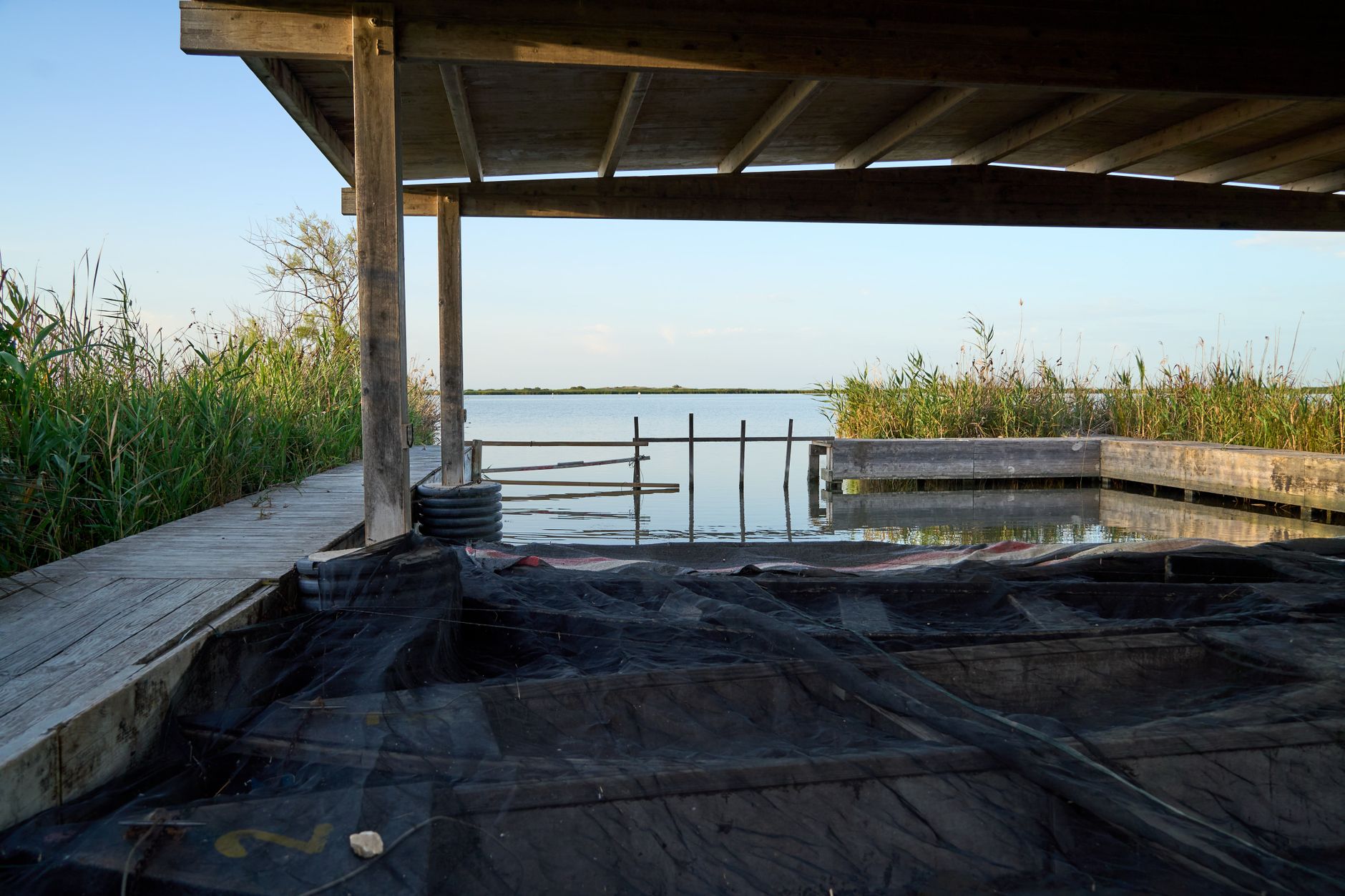
The Ebro Delta represents one of the most complex and dynamic wetlands in the western Mediterranean basin. In this territory where freshwater from the river merges with marine salinity, ecosystems undergo constant transformation driven by tides, sediment inputs, and anthropogenic pressure. Far from being a mere geographic accident, this labyrinth of rice paddies, shallow lagoons, and coastal spits constitutes the ideal habitat for one of Europe’s most threatened and fascinating seabird species: Audouin’s gull (Ichthyaetus audouinii).
Unlike other more generalist and opportunistic gulls that have adapted their feeding habits to urban landfills and ports, Audouin’s gull maintains a strict dependency on marine resources and exhibits extreme sensitivity to environmental disruptions. The colonies that establish themselves each spring on the protected dune cordons of the delta serve as a direct biological indicator of the health of the Mediterranean Sea. Studying its life cycle, nocturnal fishing routes, and the challenges arising from freshwater management helps us understand the delicate balance sustaining biodiversity in southern Europe’s coastal reserves.

The Biology of a Mediterranean Endemism
Audouin’s gull is easily distinguished from its congeners by its elegant plumage, characterized by an intense coral-red bill marked with a dark terminal spot and dark greenish legs. Its global distribution is concentrated almost exclusively in the Mediterranean Sea, with smaller populations along the North African Atlantic coast. This geographical exclusivity makes the Ebro Delta an international strategic enclave for the species’ conservation, hosting in certain years up to a quarter of the world’s breeding population.
The reproductive cycle of this bird begins in late March, when adult specimens converge on the sand and shell islets of Punta de la Banya. Unlike yellow-legged gulls, which build bulky nests in elevated areas, Audouin’s gull deposits its two or three eggs in simple depressions scraped directly into the sandy substrate, barely sheltered by halophytic vegetation such as glasswort or marram grass. This nesting strategy exposes eggs and newly hatched chicks to weather extremes, exceptional tides, and predation by terrestrial species if ecological corridors are not managed with rigorous science.

Oceanographic Dynamics and Nocturnal Foraging
The reproductive success of the Ebro colony depends not only on safety on land, but also on the productivity of the surrounding marine waters. Oceanographic research demonstrates that Ichthyaetus audouinii is a specialist in capturing small pelagic fish, especially sardines (Sardina pilchardus) and anchovies (Engraulis encrasicolus). To obtain food, these birds deploy a characteristic foraging behavior: they make nocturnal raids out to sea, taking advantage of the moment when fish shoals ascend to the surface to feed on phytoplankton driven by local currents and nutrient upwellings generated by river influence.
Audouin’s gull acts as a mirror of marine health: its reliance on pelagic fish makes it a sentinel of balance in the Mediterranean.
This nocturnal habit drastically reduces direct competition with other diurnal seabirds, but increases its vulnerability to industrial fishing practices. During their journeys to fishing grounds off the coasts of Tarragona and Castellón, the birds interact directly with trawl fleets and purse-seine vessels. The decline in commercial catches and the strict regulation of discards—necessary measures for fish stock sustainability—have forced natural park managers to closely monitor the nutritional status of chicks to prevent starvation mortality during critical growth phases.

The Role of Rice Paddies and Water Management
The landscape of the Ebro Delta is dominated by rice fields, a centuries-old agricultural activity occupying over two-thirds of the flooded surface. Although at first glance this intensive monoculture might be considered an ecological disturbance factor, the reality of water management in the delta reveals a complex symbiosis. During spring and summer months, flooded rice paddies act as trophic extensions where gulls and other waterbirds find a complementary source of macroinvertebrates and small amphibians, especially during harrowing and harvesting operations.
However, the subordination of the hydrological regime to agricultural needs generates significant ecological tensions. The rice cultivation cycle requires massive freshwater inflow from the river in spring and subsequent drying in autumn. Any modification to inundation schedules, driven by structural drought periods or changes in Ebro basin water transfer policies, directly alters food availability and modifies the salinity of peripheral lagoons like La Tancada and L’Encanyissada. The natural park’s scientific committees work tirelessly to guarantee minimum ecological flows that keep salinity within optimal ranges for estuarine fauna.

Contemporary Threats and Habitat Fragmentation
Despite conservation efforts initiated in the late 20th century, the Audouin’s gull population in the Ebro Delta faces mounting environmental pressures. One of the most severe threats stems from the regression and progressive sinking of the coastline. The delta suffers from a chronic deficit of sediments trapped by large reservoirs located in the middle and lower course of the Ebro, such as Mequinenza and Riba-roja. Without the natural supply of silts and sands to compensate for subsidence and marine erosion, the beaches and coastal spits where the birds nest shrink year after year, rendering them extremely vulnerable to eastern storms.
Added to this geomorphological phenomenon is tourist and recreational pressure during summer months. The proliferation of unregulated nautical activities, the transit of recreational vessels near canals, and the presence of unauthorized visitors in restricted access areas provoke chronic stress episodes in breeding colonies. When a breeding pair abandons its nest due to human disturbance, eggs are exposed to direct solar radiation or predation by yellow-legged gulls and foxes, resulting in a direct reduction of the annual demographic productivity of the protected area.

Practical guide
Planning a respectful visit to the Ebro Delta Natural Park requires understanding the fragility of its ecosystems and adhering to current regulations for wildlife observation.
- How to get there: The main access to the delta is via the AP-7 motorway, taking exits toward Amposta or Sant Carles de la Ràpita. From Barcelona or Valencia, the drive in a private vehicle ranges between one and a half and two hours. A car is recommended for navigating secondary roads crossing the rice paddies.
- Best time to visit: The months between April and June offer the opportunity to witness the peak of the seabird and ardeid breeding cycle, though autumn and winter are ideal for observing the arrival of large migratory waterfowl flocks.
- Key observation points: The walking itinerary through El Fangar allows visitors to contemplate dune dynamics, while the viewpoints at La Encanyissada lagoon and Casa de Fusta offer optimal infrastructure for spotting scopes without disturbing wildlife.
- Access regulations: Access to the Punta de la Banya peninsula is strictly prohibited to the general public during the breeding season to protect gull colonies. Always respect signage and stay on marked trails.
- Recommended equipment: Binoculars of moderate magnification (8×42 or 10×42), a spotting scope with tripod, comfortable closed footwear for walking on sandy terrain, adequate sun protection, and insect repellent are essential, especially during twilight hours.
- Ecotourism and accommodation: Opt for small rural hotels and local guide companies adhering to the European Charter for Sustainable Tourism (ECST), ensuring minimal impact on the territory and supporting the park’s municipal economies.
Final Reflection on Coastal Fragility
The fate of Audouin’s gull in the Ebro Delta extends far beyond local ornithology; it constitutes a litmus test for our capacity to manage water and coastal resources under accelerated climate change. Each spring, the return of these elegant seabirds to the sands of Tarragona reminds us that nature conservation is not a matter of absolute isolation, but of harmonious integration between human activities, science, and rigorous respect for natural cycles. Preserving this fragile estuarine sanctuary ultimately guarantees the survival of one of Europe’s most valuable ecological heritages.