
Beyond the Predictable Map
The contemporary traveler faces an unsustainable paradox: the more accessible the world becomes through digital screens, the more homogeneous and restricted the physical routes we travel grow. In major international tourism fairs, conversations routinely revolve around carrying capacities, visitor arrival records, and the optimization of airport flows. However, in recent specialized forums such as the WION Global Tourism Summit, the agenda took a Copernican turn. Institutional representatives from Nicaragua, Greece, and Sri Lanka converged on a single thesis: the future of international tourism does not lie in attracting more people, but in fundamentally transforming the nature of the bond between visitor and host.
For the outbound Indian market, traditionally focused on consolidated European capitals or hyper-crowded Asian hotspots, this summit served as a formal invitation to look toward geographical and cultural margins. This is not merely about diversifying holiday leisure toward exotic latitudes, but about practicing restraint and respect. When a mid-tier destination competes exclusively for market share, it risks its social fabric. Conversely, when it resets its proposition around community sustainability, it offers the curious traveler an escape route from mass tourism, returning travel to its original vocation of learning and paused wonder.
Nicaragua: Agrarian Sovereignty and Peasant Ecotourism
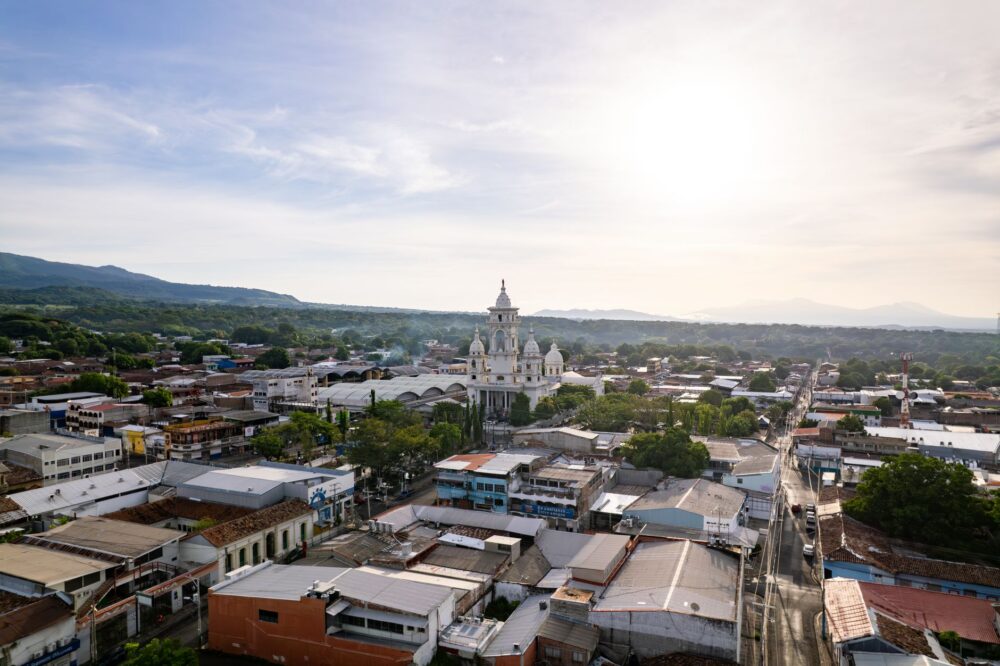
In the heart of Central America, Nicaragua has chosen to shield its biodiversity and rural fabric from extractive hotel megaprojects. Far from the artificial sun-and-beach enclaves that dominate the insular Caribbean, Nicaragua’s tourism strategy relies on coffee cooperatives, biosphere reserves, and the leadership of indigenous and mestizo communities. The traveler arriving in this territory does not consume a standardized service; they stay in ecolodges managed by local families, participate in the sustainable harvesting of the golden bean, and gain firsthand understanding of the complex sociopolitical history of a country that has made food sovereignty a banner.
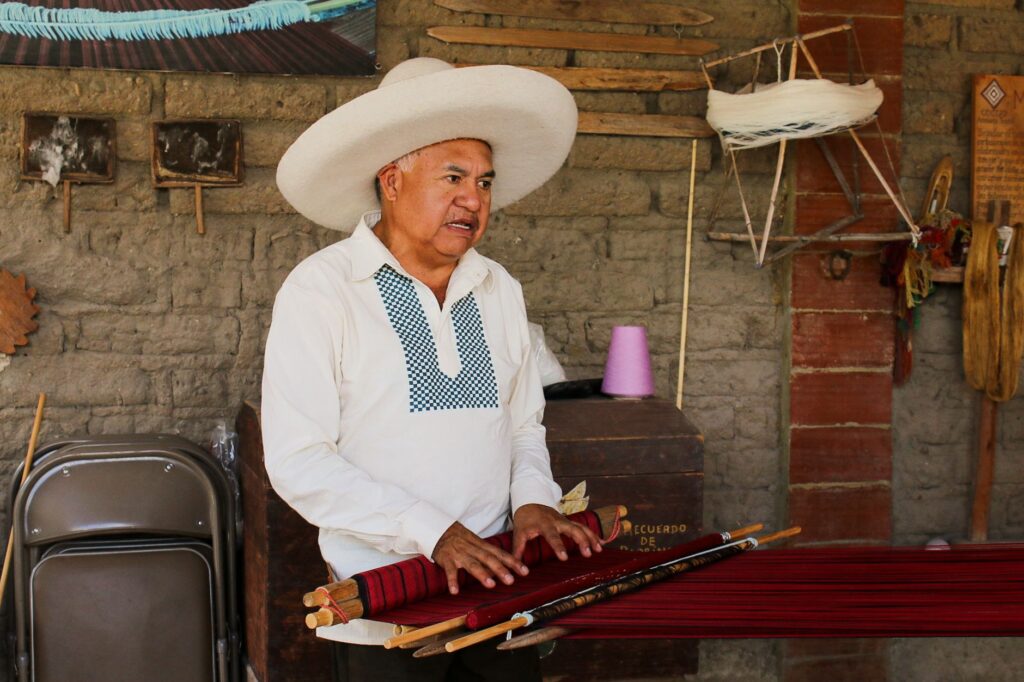
This model of community-based rural tourism redistributes income directly into the agrarian fabric, preventing capital from filtering away to large multinational corporations. Routes through the Somoto Canyon or the foothills of active volcanoes are not mere adventure attractions, but pedagogical journeys where visitors learn about water management, reforestation, and territorial sovereignty. For visitors from densely populated emerging powers, immersion in Nicaraguan rural life serves as an antidote against urban haste, demanding attentive listening and respectful coexistence with the rhythms of the tropics.
Volcanic Architecture and the Rhythm of the Isthmus
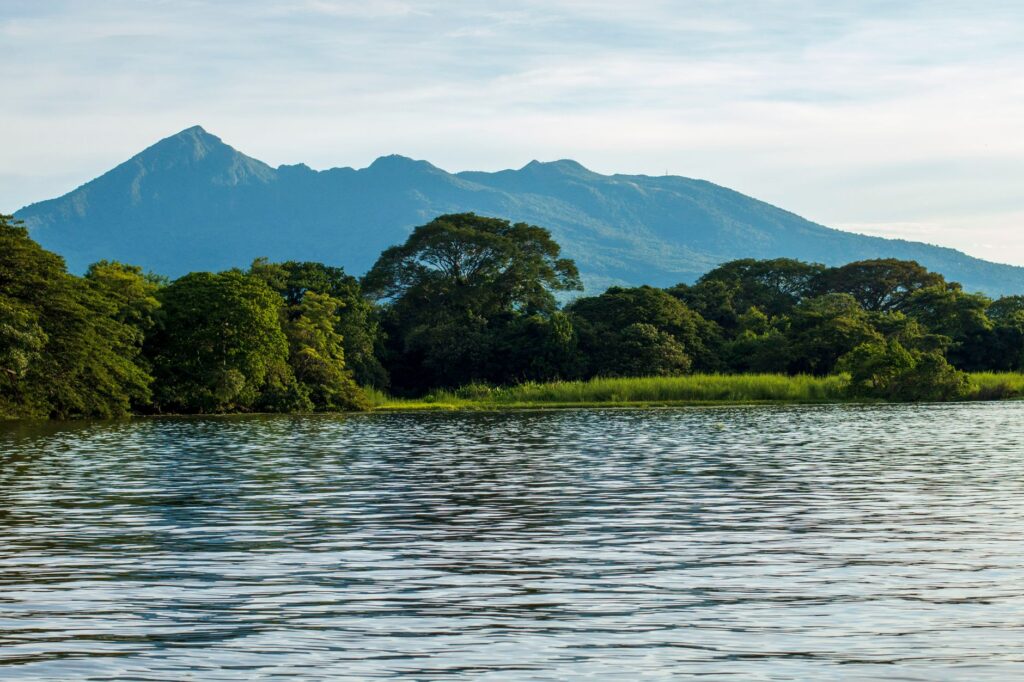
Nicaraguan geography is marked by the fire line of its volcanoes, a constant presence that conditions vernacular architecture, trade routes, and local mythology. Traditional adobe and hardwood buildings adapt to the terrain’s seismicity, while communities settled on the island of Ometepe maintain a symbiotic relationship with the twin volcanoes rising from Lake Cocibolca.
Truly transformative tourism does not seek to embellish reality for the visitor, but to expose them to the living complexity of communities self-managing their own future.
This landscape integration prevents the development of invasive infrastructure. Travel relies on shared public transport, artisanal boats, and walking trails, ensuring that carbon footprints remain minimal while promoting local commerce in ceramics and organic cotton textiles.
Greece Beyond the Summer Myth: Deseasonalization and Insular Identity
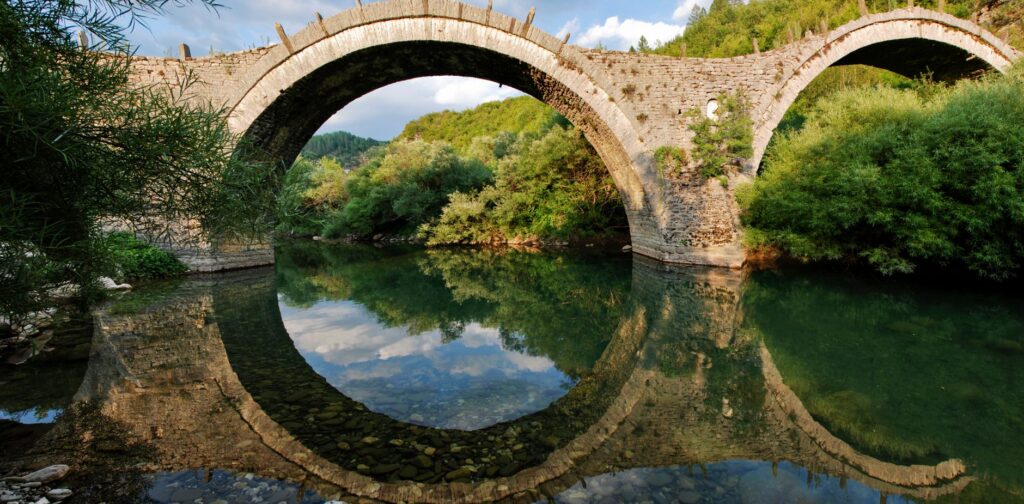
Southern Europe suffers the ravages of extreme seasonality. While islands like Santorini and Mykonos collapse under millions of cruise passengers during July and August, the Greek government and various civil society groups are promoting a paradigm shift debated at length in WION’s forums. The proposal consists of diverting attention toward less-media-driven archipelagos, the mountainous interior of the Peloponnese, and the agricultural communities of the north, while extending the tourist season into spring and autumn.
This strategy addresses not only economic decompression criteria but also the preservation of intangible Greek heritage. Experiencing Hellenic hospitality in an Epirus village or a smaller island like Naxos means participating in community celebrations where visitors are welcomed to family tables, far from the artifice of closed resort compounds. The mindful traveler learns to appreciate the silence of Byzantine monasteries perched on cliffs and the ancient wisdom of shepherds and olive oil producers who maintain millennial terrace-farming techniques.
Maritime Heritage and the Conservation of the Aegean Sea
Greece’s relationship with the Aegean Sea has defined its civilization, but today it demands strict vigilance against climate change and plastic pollution. Community initiatives in smaller islands drive the cleanup of pristine coves, the protection of Posidonia seagrass meadows, and the recovery of traditional wooden shipbuilding crafts.
By prioritizing local fairs and markets selling products with protected designations of origin (PDO), visitors help curb depopulation on peripheral islands. This approach demonstrates that cultural and natural heritage is not a static backdrop for photography, but a living organism requiring the active, respectful commitment of those who traverse it.
Sri Lanka: Insular Resilience and Post-Crisis Regeneration
Few nations exemplify the need to rethink tourism quite as starkly as Sri Lanka. Having weathered severe economic crises and bouts of political instability, the pearl of the Indian Ocean has rebuilt its tourism industry on foundations of strict ecological regeneration and grassroots community support. Rather than pursuing runaway growth, the country promotes ecotourism in its wildlife corridors, ethical elephant sanctuaries managed without animal cruelty, and the strengthening of historic tea plantations converted into industrial heritage tourism spaces.
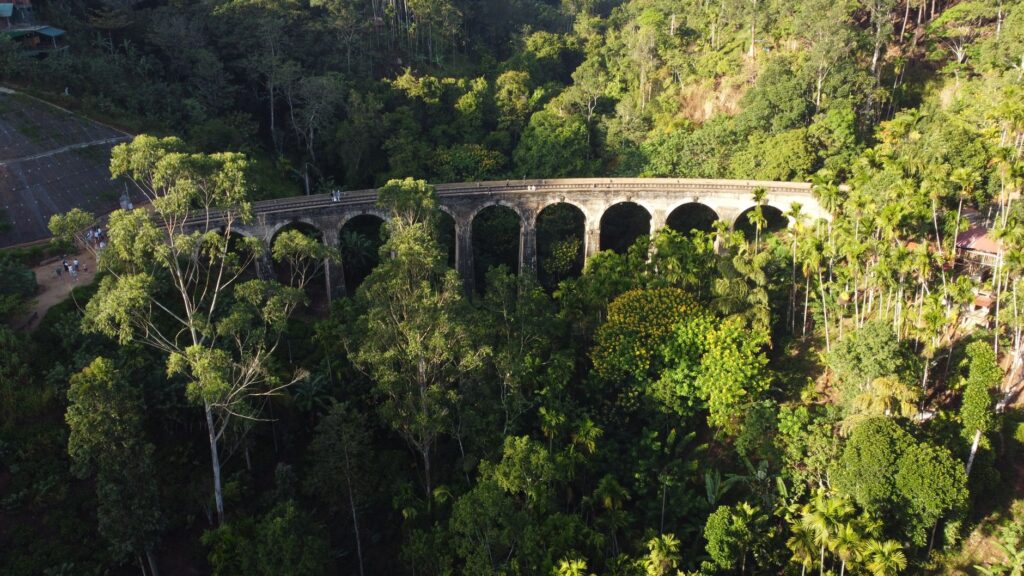
The experience of riding Sri Lanka’s trains—winding through the misty highlands of Ella and Nuwara Eliya—is not merely a photographic milestone, but a lesson in sustainable mobility. This colonial railway system, inherited yet adapted for daily local use, enables low-impact travel. Local communities actively participate in monsoon rainforest reforestation projects and manage eco-lodges utilizing renewable energy and drastically reducing food waste.
The Tea Legacy and Shared Biodiversity
Sri Lanka’s highlands harbor a delicate balance between the tea agro-industry and the surrounding rainforest. Smallholder cooperatives have demonstrated that production can be certified under fair trade and regenerative agriculture standards, protecting ecological corridors utilized by leopards and Asian elephant herds.
When travelers understand that every purchasing decision and journey directly impacts the stability of a fragile ecosystem, tourism ceases to be a pastime and becomes an act of global civic responsibility.
Intercultural dialogue on the plantations allows Western and Indian visitors alike to comprehend the harsh historical conditions of the highland Tamil communities, bringing visibility to realities often hidden behind the idyllic green postcard.
Practical guide
How to plan a mindful trip: Choose local agencies certified in fair trade and community sustainability across Nicaragua, Greece, and Sri Lanka. Avoid peak summer months to ease pressure on local water resources.
Responsible mobility: Prioritize mid-distance trains in Sri Lanka, shared public transport, and walking or cycling routes in the rural areas of Nicaragua and less-traveled Greek islands.

Accommodation and consumption: Select family-run ecolodges, small independent guesthouses, and agricultural cooperatives. Purchase crafts directly from local producers and strictly respect regulations within natural parks and wildlife sanctuaries.
The Human Pulse of Transformative Travel
At the end of the day, as the sun sets over Central America’s volcanoes, the rugged hills of the Aegean, or the misty plantations of the Indian Ocean, the true measure of a journey is not tallied in kilometers traveled or monuments photographed. It is measured in the quality of listening, the humility with which cultural borders are crossed, and the capacity to return home with a transformed consciousness. Nicaragua, Greece, and Sri Lanka remind contemporary travelers that the world is not a theme park at their disposal, but a shared, fragile home demanding our utmost respect.
Source: Adapted from institutional reports and WION Global Tourism Summit coverage published on India.com.