
The Route of the Fourteen Tunnels and the Thin Air
The territory winding between the coastal plain of Callao and the high plateaus of Junín encloses one of the most daring engineering feats of the 19th century. The Central Railway of Peru, historically known as the Northern Trans-Andean, defies geographic verticality through a layout that exceeds 4,800 meters of altitude at its culmination point in Ticlio. This journey does not cater to conventional leisure, but rather responds to a deep need for connection between the coast and the vast central mining and agricultural basin, configuring a corridor where every wooden tie and steel beam narrates an epic of human endurance.
Boarding this steel convoy requires understanding the atmospheric transformation experienced by the traveler. As the locomotive leaves Lima behind and begins to climb the valley of the Rímac River, the landscape undergoes a radical metamorphosis: orchards and urban areas vanish to give way to rocky gorges where oxygen noticeably decreases. The thesis sustaining this itinerary is that the train is not merely a means of transportation, but a mobile observatory that allows travelers to decipher the architecture of the Andean landscape and the impact of nineteenth-century technology in an environment of extreme ecological fragility.
Railway Engineering Facing the Abyss
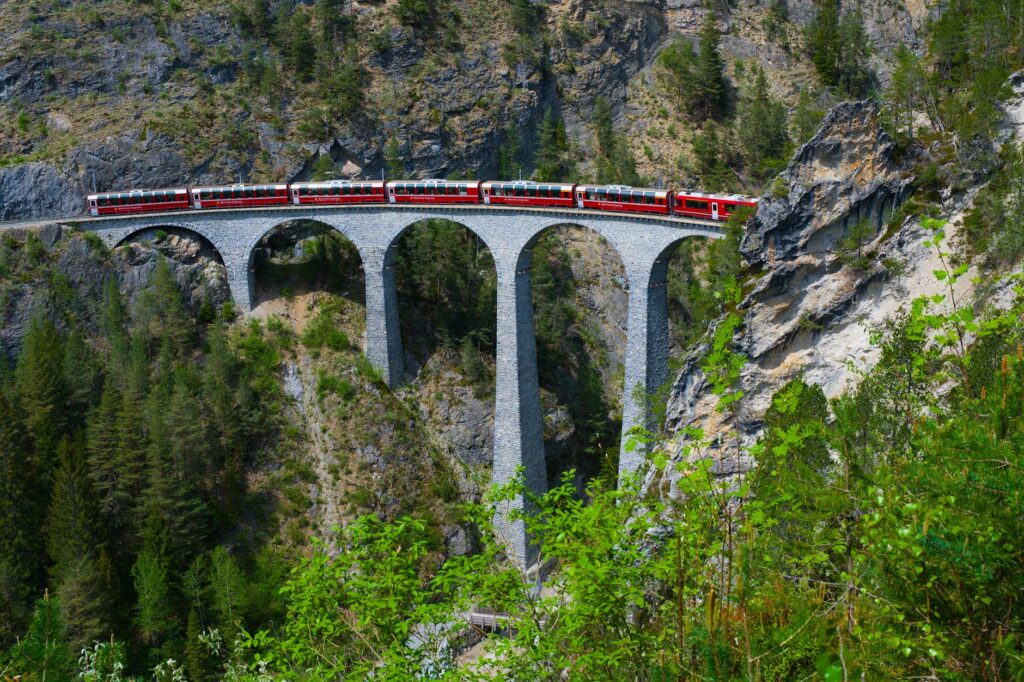
Designed by the visionary Polish engineer Ernest Malinowski and executed with the toil of thousands of Andean, Chinese, and European laborers, the railway layout dispensed with conventional topographic detours. Instead, it resorted to an audacious system of zigzags and cantilever bridges that allow the train to gain elevation almost imperceptibly yet constantly. Each of the fourteen tunnels carved into the living rock represents a triumph of geometry over gravity, where mathematical calculation combined with the harshness of manual labor at over four thousand meters above sea level.
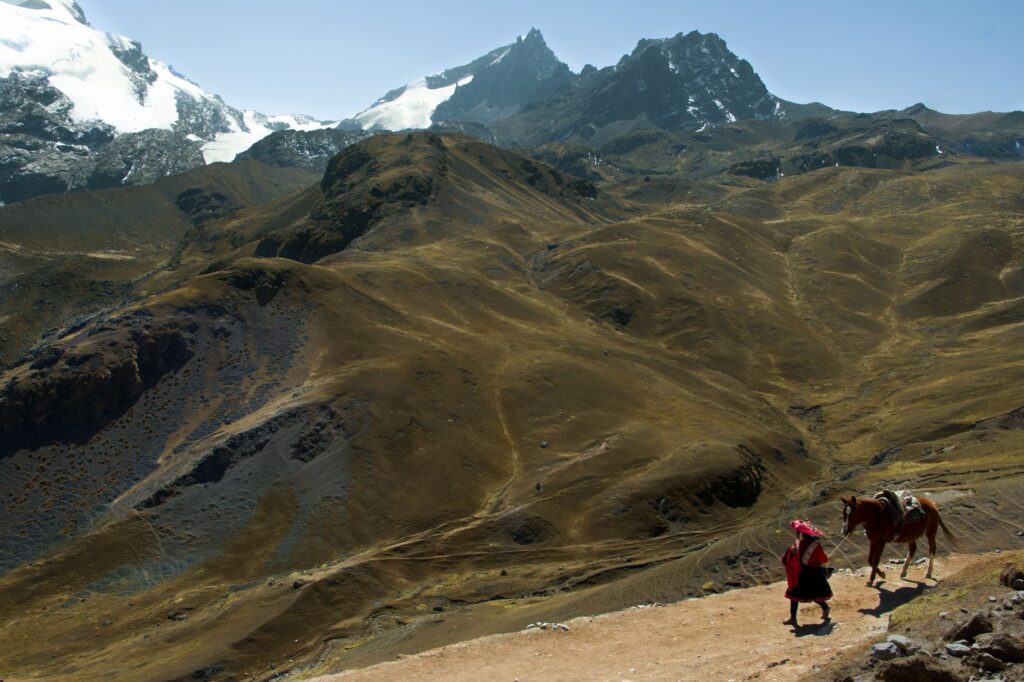
Intermediate stations, constructed with ashlar stone and gabled roofs to withstand seasonal hailstorms, function as supply nodes and repositories of local memory. In these enclaves, time seems to suspend itself awaiting the distant whistle of the locomotive. The railway infrastructure not only tamed the geographical abyss, but structured a network of communities that depend on this intermittent flow of goods and passengers to maintain their connection with Pacific markets.
The Pulse of Inter-Andean Valleys and High-Altitude Agriculture
As the train surmounts the summit and descends toward the Mantaro basin, the rigor of high-mountain terrain gives way to agricultural valleys of surprising fertility. Here, the landscape is articulated through pre-Hispanic cultivation terraces, known as andenes, which continue to operate as water management and microclimatic systems. Local communities cultivate native varieties of potatoes, corn, and quinoa, maintaining a millenary balance with the cycles of summer rains.
This geographic transition allows observers to witness how the railway integrates different ecological zones. Crops harvested in temperate valleys find their outlet to urban consumption centers through the railway system, perpetuating an exchange economy that predates the republic itself. The passage of the train through these communities generates a particular social dynamic: local residents gather by the tracks not only out of commercial necessity, but as a daily ritual marking the rhythm of the day in the Andes.
Vernacular Architecture of Historical Stations
The architectural heritage associated with the railway line constitutes an open-air museum of high-altitude construction. Station buildings combine elements of British industrial engineering with local construction traditions, using volcanic stone, treated woods to resist humidity, and sloped roofs designed to evacuate snow and hail. This architectural syncretism reflects the transfer of global technologies adapted to the severe climatic conditions of the cordillera.
The maintenance of these structures requires ongoing technical effort from conservation crews combating wind erosion, landslides, and extreme thermal amplitude. Preserving this heritage is not an exercise in aesthetic nostalgia, but an operational guarantee for route safety. Each restored station functions as a tangible testimony of human tenacity in one of the planet’s most challenging environments.
Biodiversity and the Fragile Equilibrium of the Puna
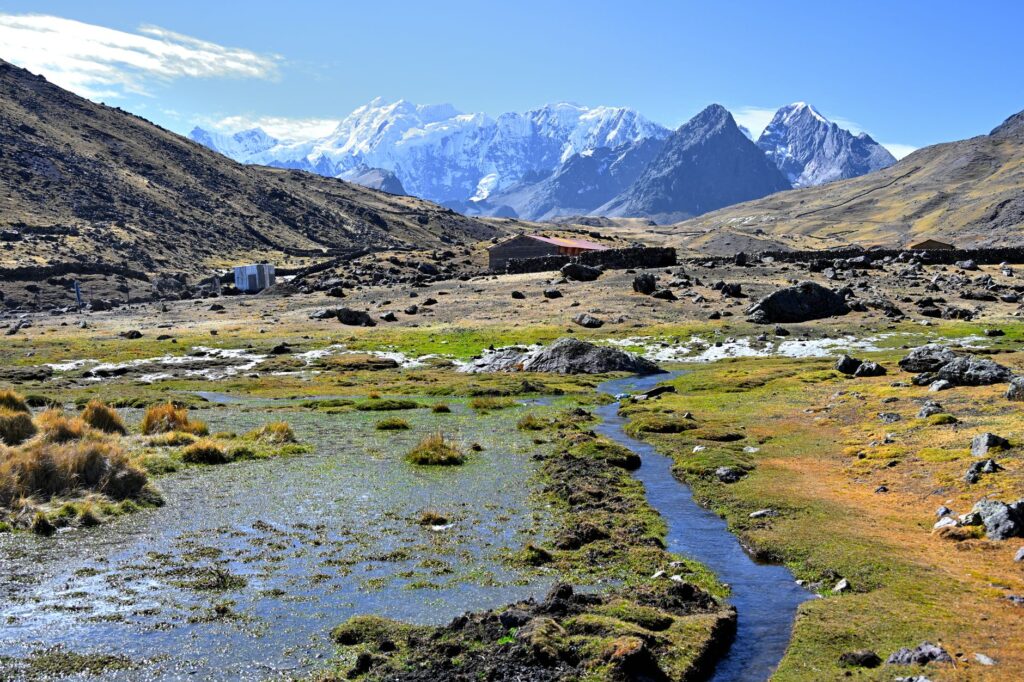
The railway journey crosses highly fragile ecosystems, notably the puna and high-Andean bofedales. These high-altitude wetlands act as natural sponges regulating the water cycle within the basin, harboring endemic species such as the Andean flamingo, the vicuña, and various flora varieties adapted to intense solar radiation and freezing nocturnal temperatures. The presence of the railway track, although of low impact compared to asphalted roads, requires strict environmental management protocols to prevent the fragmentation of natural habitats.

Scientists and conservationists utilizing the line highlight its value as a low-direct-alteration ecological corridor. Unlike vehicular transport, which generates diffuse emissions and dispersed anthropogenic pressure, the train concentrates traffic on a perfectly demarcated metallic strip. This allows wildlife to maintain traditional migratory routes along the gorges, demonstrating that nineteenth-century infrastructure can coexist with the conservation of Andean biodiversity.
Oral Memory and Traditions in Transit
Beyond the cold statistics of engineering, the Northern Trans-Andean is a living archive of Andean oral memory. At each stop, testimonies from retired railway workers and local farmers weave a network of tales blending historical strikes, mythologies regarding mountain spirits, and nostalgia for the golden years of large-scale passenger transport. These accounts constitute an intangible heritage as valuable as the iron bridges defying the abyss.
The intergenerational transmission of this knowledge ensures that regional identity does not dissolve under accelerated modernization. The youth of the railway hamlets learn to read the landscape through the eyes of their elders, recognizing in each curve of the track a milestone of sacrifice and collective dignity. The train thus acts as a guiding thread uniting the colonial and republican past with the uncertainties of the global present.
Practical guide
How to get there: The starting point of the railway network is located at Desamparados Station in the historic center of Lima. Although regular passenger service operates intermittently and is subject to tourist charters or special dates organized by Ferrocarril Central Andino, it is recommended to check the official calendar months in advance on their corporate web platform.
When to go: The dry season, spanning from May to September, offers the most stable meteorological conditions to avoid cancellations due to landslides and to enjoy clear skies at high summits. The heavy rainy season between December and March should be avoided.
Acclimatization and health: Due to the rapid ascent to over 4,000 meters of altitude, spending at least two days in Lima or intermediate valleys such as Chosica before boarding the train is imperative. Constant hydration, avoiding heavy meals, and consulting a physician regarding altitude sickness prophylaxis are strongly advised.
Recommended accommodations: In Lima, opt for historic hotels in the city center to facilitate morning access to the station. In Huancayo, the final destination, restored manors and boutique hotels value local architecture and offer sustainable stays.
Travel logistics: The complete journey takes approximately fourteen hours due to the complexity of the ascent. Bringing layered warm clothing, broad-spectrum sunscreen, UV-filtered sunglasses, and a camera with spare batteries is essential, as extreme cold reduces battery performance.
Epilogue at the Station of the Winds
When the convoy finally comes to a halt on the platforms of Huancayo and the diesel engine quiets its rough heartbeat, the traveler grasps the magnitude of the lived experience. The chill of the afternoon cordillera strikes the face, yet the thermal sensation contrasts with the warmth of the welcome at the station. Steel rails vanish into the horizon, merging with cultivated fields and snow-capped peaks guarding the secrets of the Andes. There are no pompous speeches or commercial promises; only the mute testimony of a railway line that continues to defy time, reminding us that true exploration consists of traveling respectfully through territories where nature imposes its own rules.