
The capital of a country often bears the symbolic weight of its institutions, frequently reduced to a vast showcase of gray stone, military ceremonies, and solemn government offices. Yet, when one closely observes Ottawa’s contemporary pulse, a radically different reality emerges. Recent international collaboration initiatives, such as the familiarization trip organized by Ottawa Tourism in conjunction with Expomayoristas, have highlighted a profound transformation in the city’s urban and tourist identity. It is no longer merely the destination where laws are passed, but a territory in full creative boiling where heritage architecture seamlessly dialogues with contemporary design, farm-to-table gastronomy, and a diverse cultural agenda that redefines the traveler’s experience.
This report examines how the Canadian capital has successfully reinterpreted its historical legacy through the lens of urban design, sustainability, and cultural diplomacy. Far from conventional tourist brochure circuits, delving into Ottawa requires understanding its linguistic and social duality, its geography sculpted by historic canals, and its capacity to integrate Indigenous memory with the most avant-garde artistic expressions of the 21st century.
The genesis of a capital: between the British Crown and the vision of a bilingual nation
To understand Ottawa’s current physiognomy, it is imperative to look back to the 19th century, when Queen Victoria chose this strategic location—then a lumber settlement known as Bytown—as the capital of the Province of Canada. The decision stemmed from military security reasons, situated prudently far from the American border and protected by the newly inaugurated Rideau Canal. This choice consolidated a geographical and cultural bridge between Upper Canada (predominantly Anglophone) and Lower Canada (Francophone).
Over the decades, this frontier settlement evolved into the country’s institutional heart. However, the true urban maturity of the city lies not only in its imposing Gothic Revival buildings on Parliament Hill, but in the way it has democratized its public space. Urban planners have understood that a modern capital must not intimidate the citizen, but welcome them into open squares, pedestrian corridors, and transportation networks designed with environmental sustainability criteria.
Monumental architecture and civic design: the reinvention of Parliament Hill
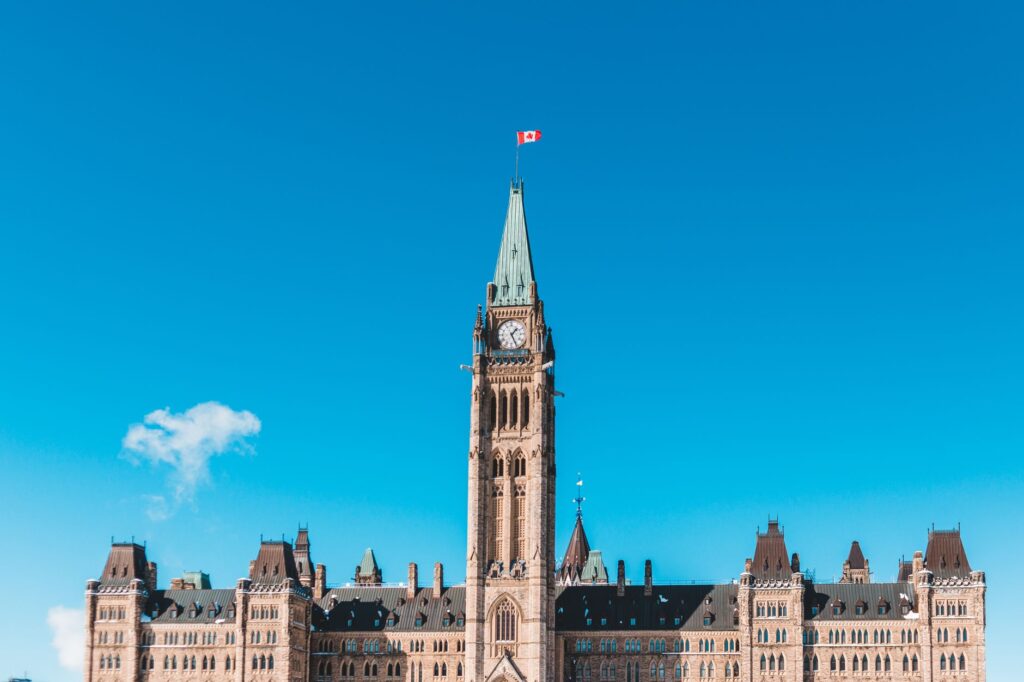
The city’s indisputable symbol is Parliament Hill, an architectural ensemble dominating the Ottawa River that has undergone meticulous restoration and technological adaptation processes in recent years. The Center Block, crowned by the Peace Tower, represents the pinnacle of Gothic Revival architecture in North America. Conservation work has required precision engineering to preserve every detail of the original masonry while upgrading internal systems under strict ecological standards.
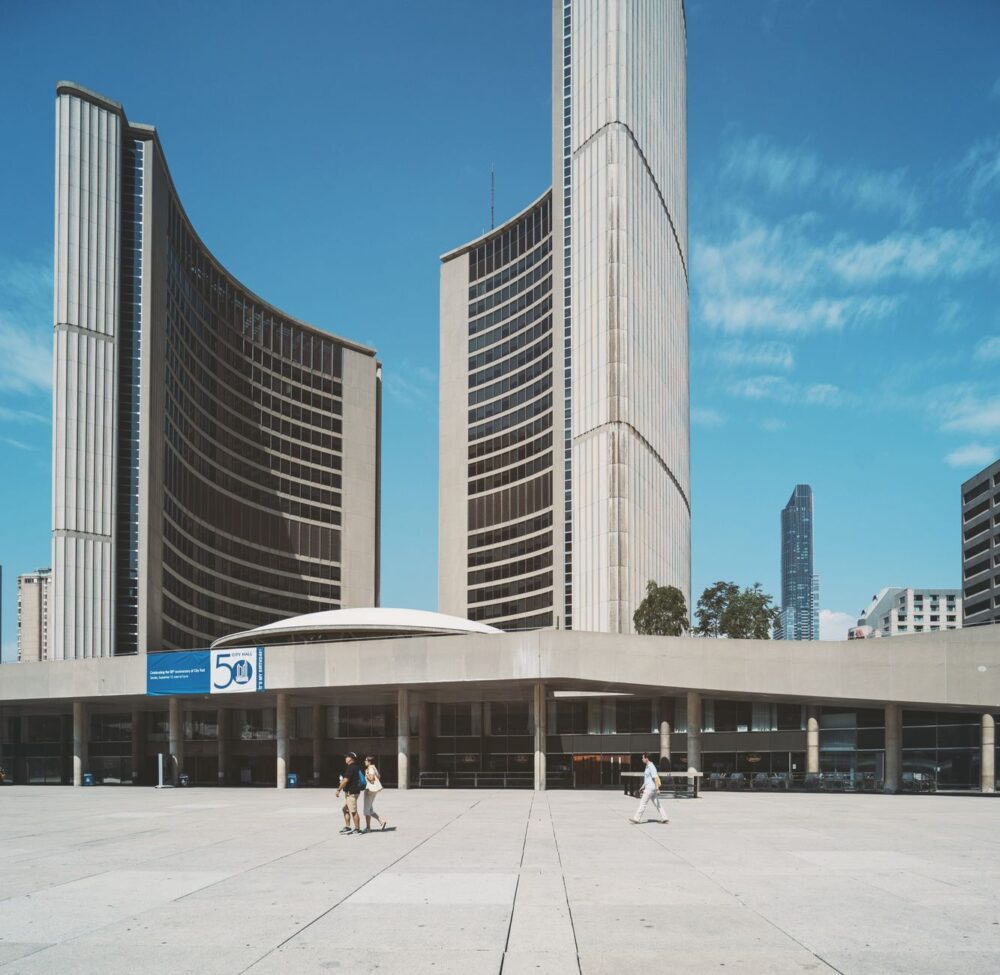
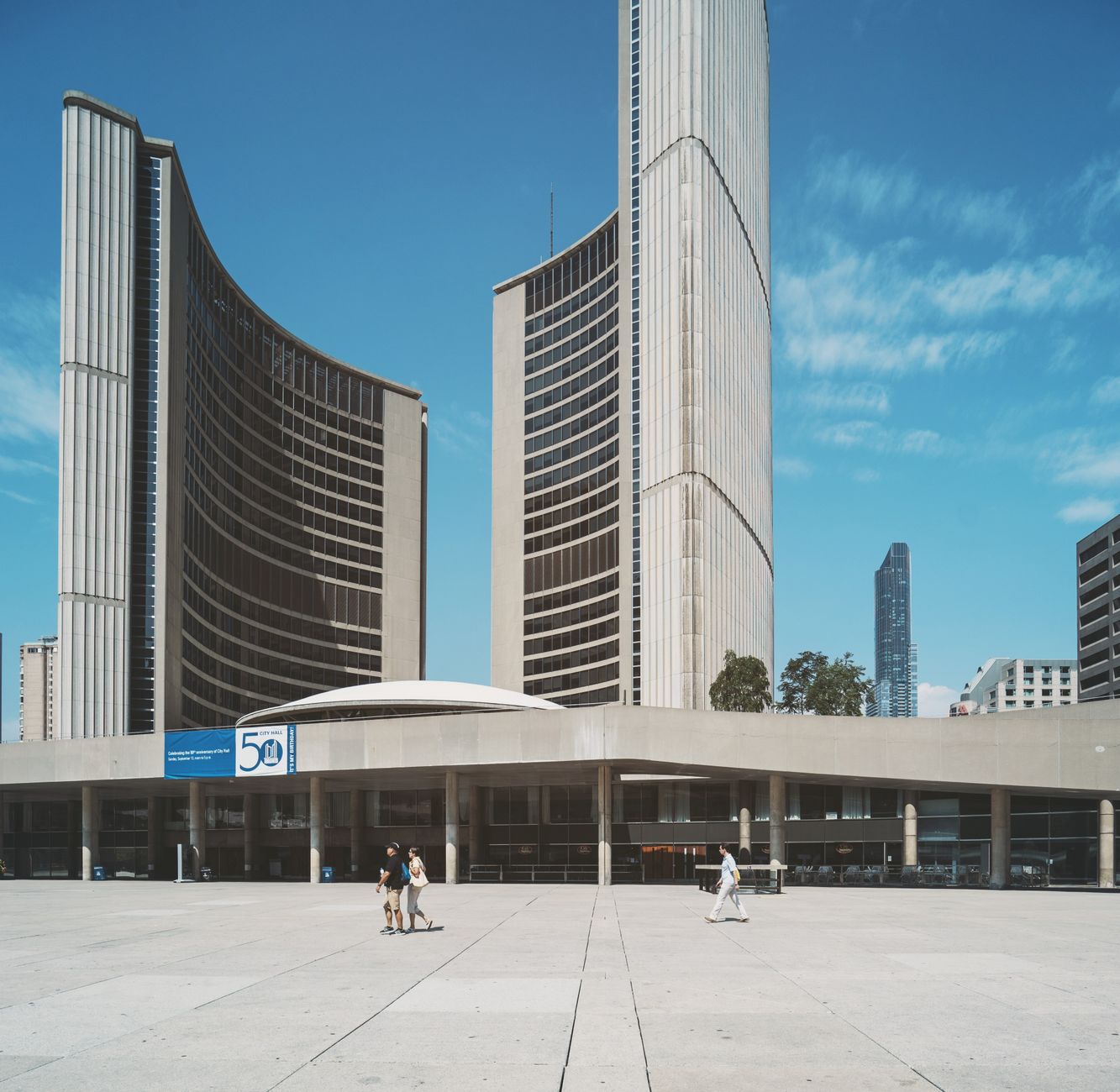
A short walk from the legislative complex, contemporary civic design manifests in urban interventions connecting the historic center with the river. The current approach of local architects prioritizes visual transparency and universal accessibility. New public structures and government office buildings integrate local certified timber and expansive windows that maximize natural daylight, drastically reducing the carbon footprint of public buildings.
The Rideau Canal: from military engineering work to the backbone of sustainable leisure
Inscribed on the UNESCO World Heritage list, the Rideau Canal is much more than a historic 202-kilometer waterway connecting Ottawa to Kingston. Built under the supervision of Colonel John By in the 1830s to secure supply routes in the event of conflict, it today constitutes the backbone of the capital’s recreational and ecological life.
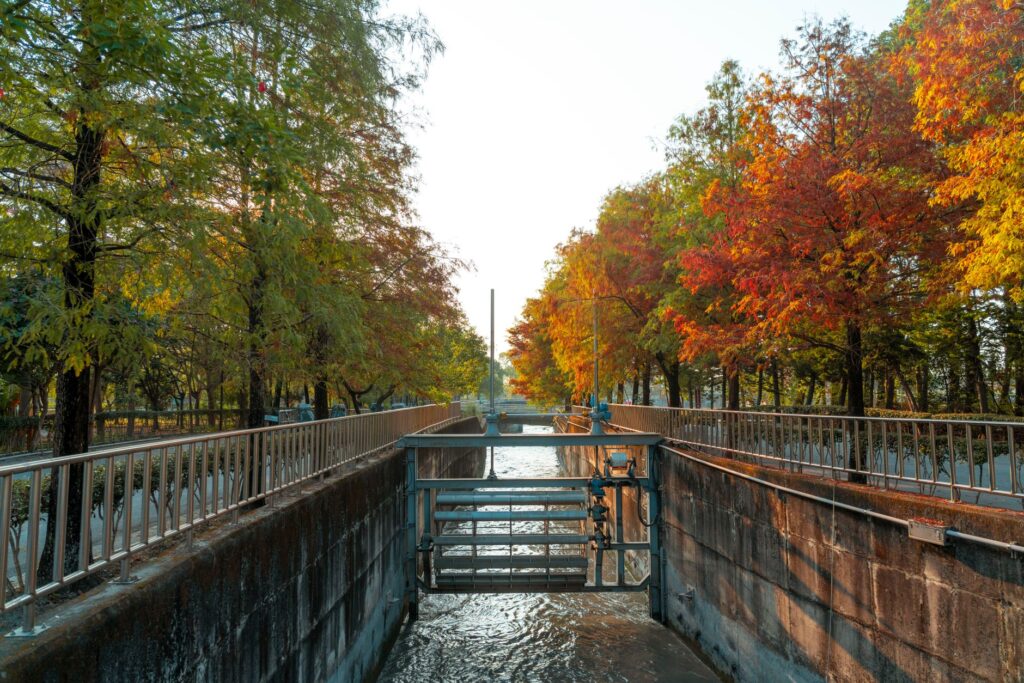
During the warmer months, its hand-operated locks and wooded bordering paths invite cycling and canoeing. With the arrival of winter, the frozen surface transforms into the world’s largest naturally frozen ice skating rink, a cultural milestone mobilizing thousands of residents and visitors. Canal management exemplifies active preservation, where industrial heritage becomes a living asset fostering active mobility and community well-being without compromising historical integrity.
Cultural renaissance: the National Gallery and the design of art spaces
Ottawa’s cultural infrastructure has undergone remarkable evolution, spearheaded by world-class institutions. The National Gallery of Canada, designed by architect Moshe Safdie, is an undisputed masterpiece of modern architecture. Its pink granite and glass structure integrates harmoniously with the river landscape, while housing the world’s largest collection of Canadian and Indigenous art, alongside major international holdings.
The gallery’s exhibition design has evolved to give voice to First Nations, Inuit, and Métis communities, placing contemporary Indigenous art at the center of the country’s cultural discourse. This approach decentralizes traditional narratives and offers visitors a critical, deeply perceptive perspective on Canadian history and identity.
Tastes of the territory: Ottawa’s culinary revolution and the ByWard Market
The capital’s gastronomic scene has left behind the clichés of colonial cuisine to embrace a food sovereignty and farm-to-table movement. The epicenter of this transformation remains the ByWard Market, founded in 1826 by Colonel By himself. Far from being a mere tourist attraction, it continues operating as an agricultural market where producers from the Ontario region and neighboring Quebec trade seasonal goods.
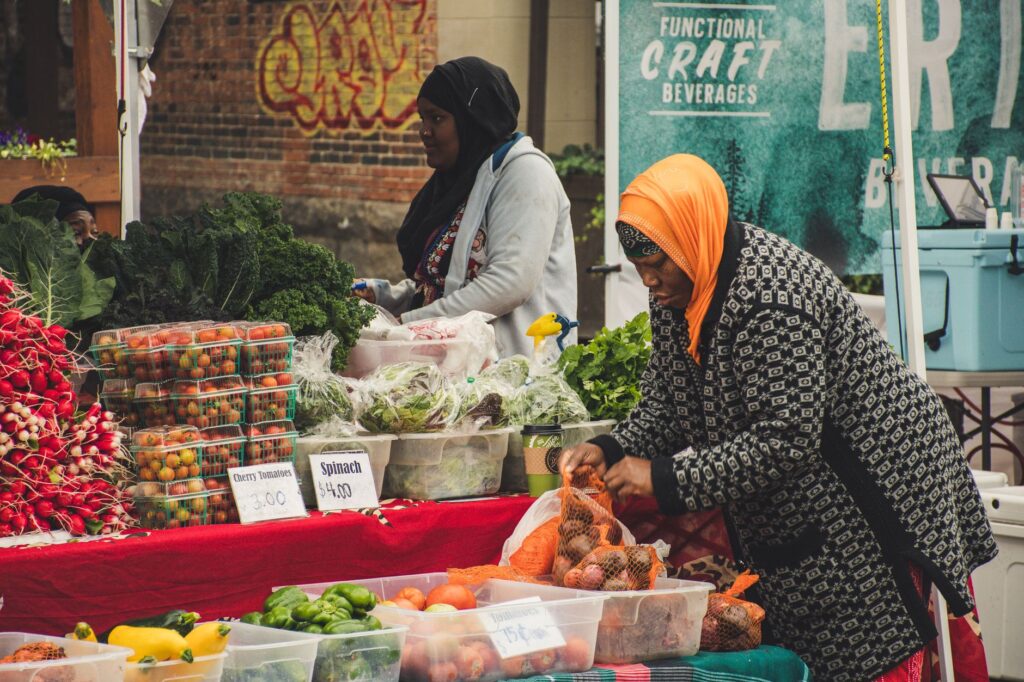
Local chefs collaborate closely with farmers, apiarists, and winemakers from the Ottawa Valley to design menus reflecting the biodiversity of the Canadian Shield. Ingredients such as artisanal maple syrup, freshwater fish, raw milk cheeses, and wild berries star in a culinary proposition balancing high international cuisine with the roots of rustic Canadian cooking.
The design of a city is not measured by the height of its skyscrapers, but by the generosity of its public spaces and its respect for collective memory.
Community fabric and the diplomacy of hospitality
One of the least visible yet most decisive aspects of Ottawa’s international projection is its status as a diplomatic city. With over a hundred embassies and high commissions, the capital breathes a discreet cosmopolitanism filtering into its festivals, educational offerings, and associative life. International delegations and professional gatherings, such as the recent exchange promoted by the Mexican and Canadian tourism industries, reaffirm the city’s vocation as a node for global understanding.
This welcoming vocation translates into vibrant residential neighborhoods like The Glebe or Hintonburg, where small businesses, independent galleries, and author design workshops configure a human-scale economy. In these neighborhoods, urban planning prioritizes the «15-minute city» concept, ensuring that essential services, parks, and cultural offerings are within walking or cycling distance.
Practical guide
How to get there: Ottawa Macdonald-Cartier International Airport (YOW) receives regular flights from major North American hubs. From Montreal, the VIA Rail train journey takes approximately two hours, offering a comfortable, low-emission alternative.
When to visit: Autumn months (September to November) offer mild temperatures and exceptional copper-toned wooded landscapes. Spring and summer stand out for the intensity of their outdoor festival agendas.
Urban transport: The OC Transpo public transit network combines buses and the O-Train light rail system. Acquiring a reloadable Presto card is recommended to optimize travel.
Accommodation: Opting for boutique hotels integrated into restored historic buildings in downtown or the ByWard Market area guarantees complete architectural immersion.

Cultural recommendations: Booking free guided tours inside the interim Parliament in advance and checking temporary exhibitions at the National Gallery is highly advisable.
Emotional epilogue: the echo of the river and perennial memory
As evening falls, when the golden sunset light reflects on the serene waters of the Ottawa River and the silhouettes of gothic spires cut across the horizon, the capital reveals its most intimate face. In that moment of stillness, far from institutional bustle and diplomatic agendas, the true essence of a destination that has matured without losing its soul becomes apparent. Ottawa does not impose its presence; it reveals itself step by step, inviting those who traverse it to become part of a story in constant rediscovery, where foundational history and the design of the future walk hand in hand.
Source: Adapted from cartademexico.com’s journalistic coverage of the Ottawa Tourism and Expomayoristas Fam Trip.