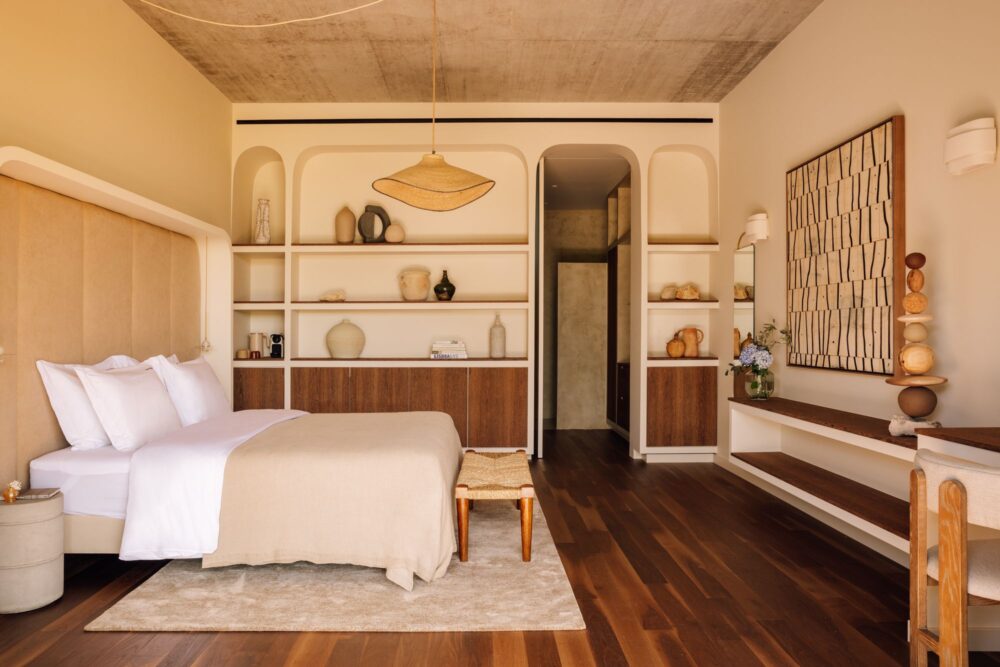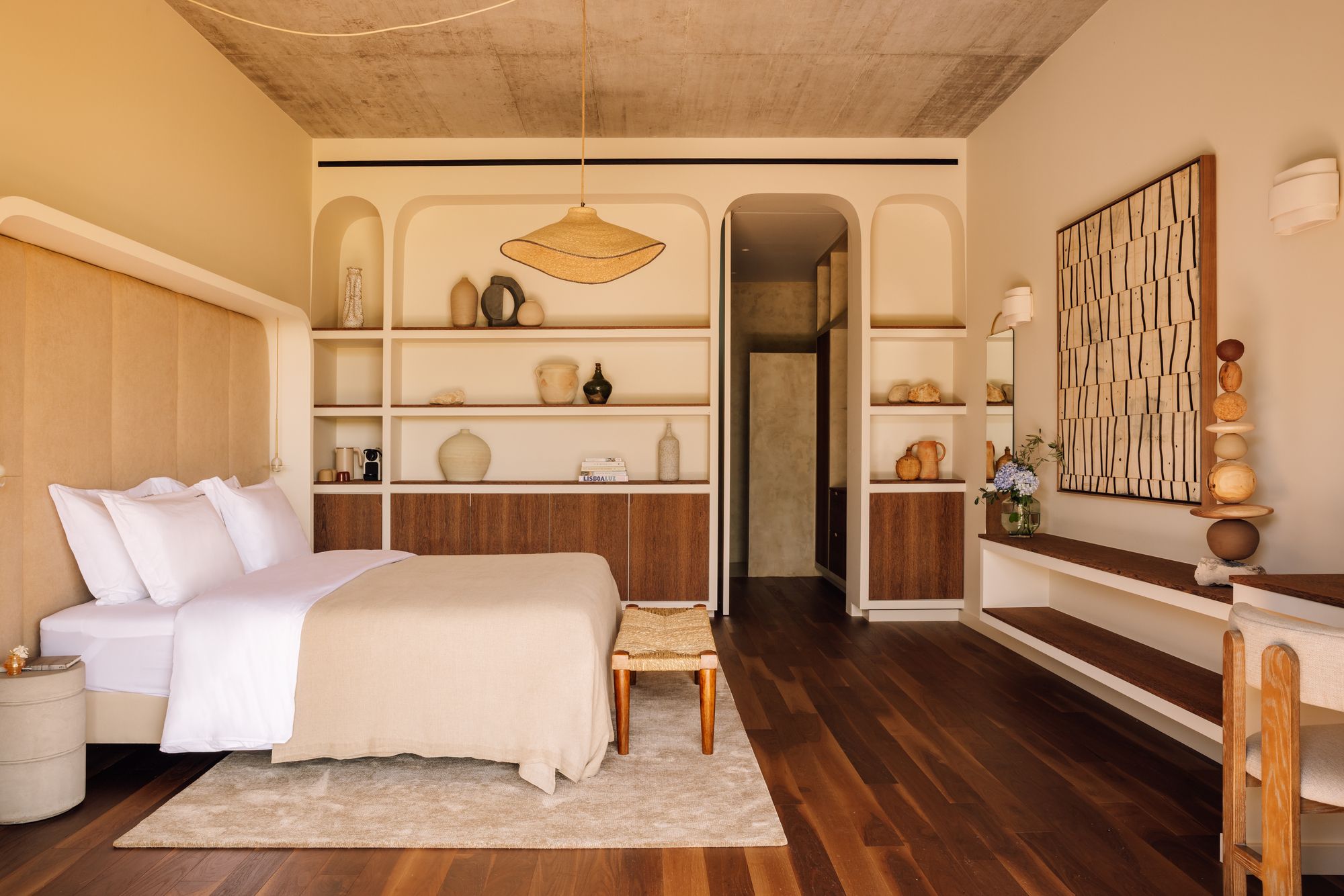

The precise moment a hotel door swings open for the inaugural guest holds an unrepeatable promise. It is not merely about trying out Egyptian cotton sheets for the first time or walking across carpets where no other traveler has left a footprint, but rather witnessing the birth of a living organism. At Condé Nast Traveler España, the First In section transcends the simple chronicle of novelties to document that initial heartbeat where architecture, interior design, and human service converge to define the new standard of contemporary hospitality.
Through a rigorous selection of rejuvenated grand dames of the hospitality industry, boutique design hotels, retreats in remote geographical enclaves, inaccessible private islands, lodges immersed in the vastness of the savanna, and historic townhouses reclaimed in the heart of metropolises, we analyze how the industry redefines the concept of sanctuary. This report examines the keys to these pioneering openings and offers an X-ray of the traveler who seeks to stay ahead of the map.
The Metamorphosis of Luxury: From Ostentation to Radical Authenticity
For decades, high-end hospitality was built upon pillars of visible opulence, imposing marbles, and strict formality that today feel anachronistic. The recent openings we analyze under the First In seal demonstrate a tectonic shift toward what experts call radical authenticity. Contemporary luxury no longer shouts; it whispers through harmonious integration with the environment, the preservation of local heritage, and absolute discretion that prioritizes the guest’s personal time and space.
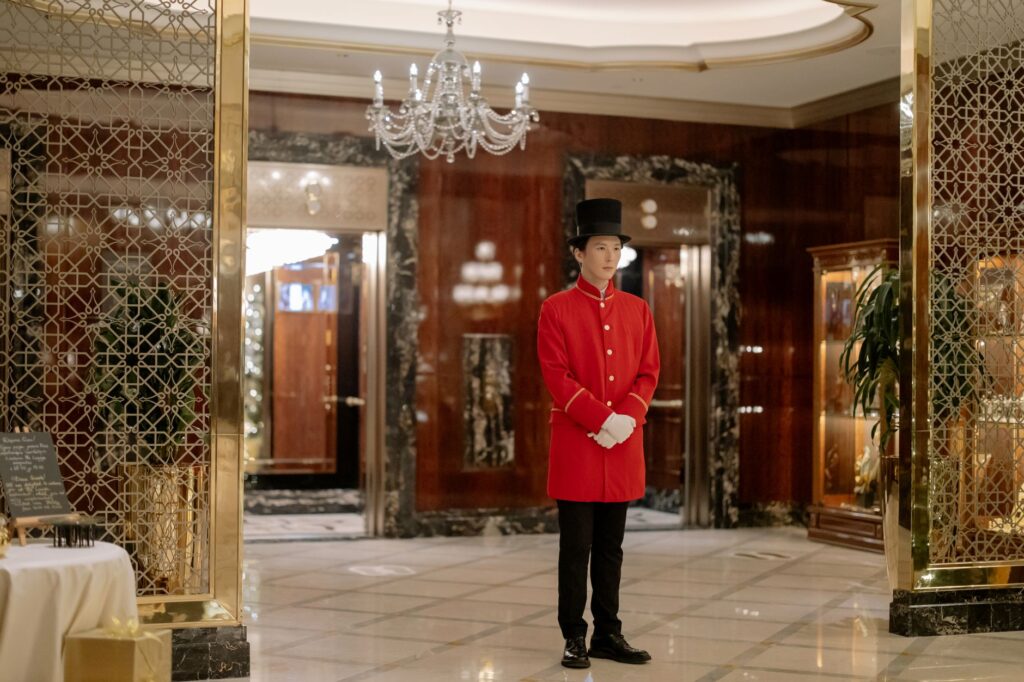
In new island and remote retreats, true exclusivity lies in digital disconnection and access to strictly protected pristine ecosystems. Contemporary architects operate under the premise of minimal intervention, using vernacular materials such as volcanic stone, reclaimed wood, and hand-woven artisanal textiles by local communities. This generates an immediate dialogue between the traveler and the territory, transforming the stay into an immersive cultural journey without sacrificing invisible high technology.
The Invisible Challenge: When an Opening is a Constantly Adjusting Organism
Making the first check-in at a newly inaugurated establishment carries a fascinating duality. On one hand, you experience the absolute freshness of a project conceived to meet the demands of the 21st-century traveler. On the other, it involves navigating the operational shakedown phase, where even the most experienced teams polish details of service and synchronization. Far from being a drawback, this circumstance grants the guest a unique analytical privilege: observing how a blueprint concept gains a soul and cements itself in reality.
Leading international hospitality houses invest years in selecting and training their staffs, seeking profiles that master intuitive empathy over rigid protocol manuals. During our initial visits, we evaluate how the service responds to the unexpected, proving that true hotel elegance manifests in the ability to resolve any operational friction with grace and speed.
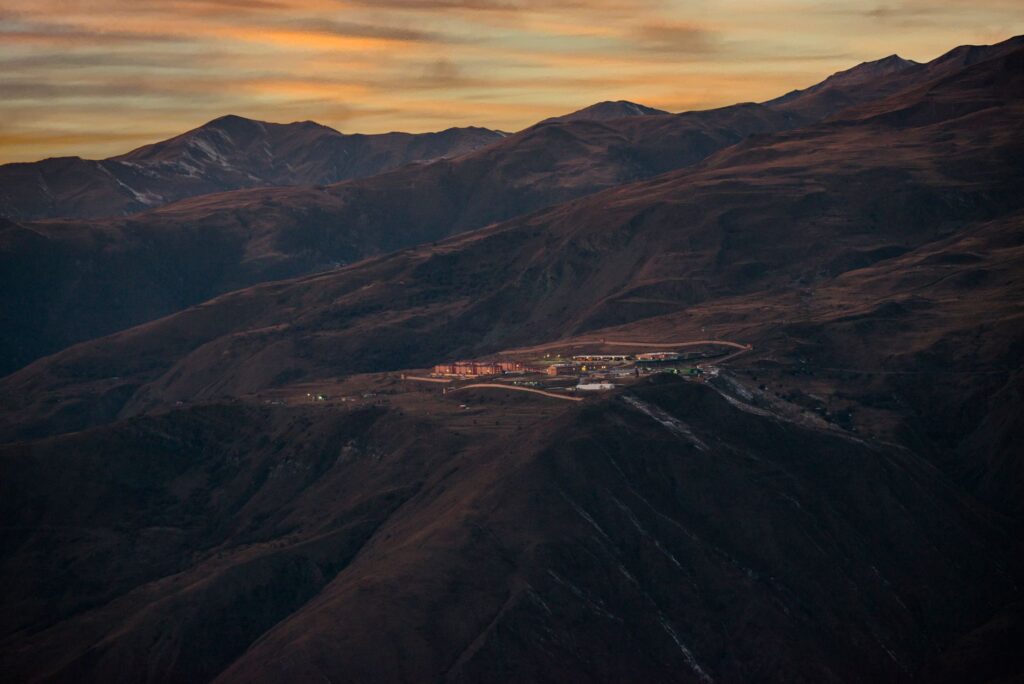
True luxury in modern hospitality is not measured by the amount of gold on the door handles, but by the depth of calm it is capable of inducing in the traveler’s spirit.
Wilderness Retreats: Lodges and Reserves Where Silence Takes Center Stage
The phenomenon of openings in extreme natural enclaves—from the African savanna to the boreal forests of Scandinavia—responds to a growing need for a reunion with the primordial. The new high-end lodges integrate sustainability not as a marketing label, but as the very structure of their viability. 100% renewable energy supply, circular water management, and the integration of local fauna within the hotel perimeter are mandatory requirements before we validate any new project.
These ephemeral or low-impact structures allow wildlife viewing in absolute privacy. Interiors combine contemporary designer furniture with sophisticated rustic elements, creating a stimulating contrast after a day of safari or walking expedition. Gastronomy in these remote confines has also undergone a revolution: zero-kilometer cuisine teams up with international haute cuisine techniques to offer menus that narrate the region’s botanical history.
Private Islands and Atolls: The Culmination of Select Isolation
Few concepts generate as much fascination in travel cartography as the opening of a resort on a private island. The logistics required to supply and operate an enclave of these characteristics without altering its fragile marine ecosystem constitute a feat of modern engineering. The proposals we have recently examined prioritize the protection of coral reefs and the empowerment of neighboring island economies.

In these floating sanctuaries, villas unfold over the water or hide among tropical vegetation, ensuring that human presence is almost imperceptible from the sea. The first check-in experience here takes on the tones of scientific and aesthetic exploration, where each sunrise over the ocean reaffirms the relevance of wonder in a hyperconnected world.
Historic Houses and Urban Palaces: The Past Restored for the 21st Century
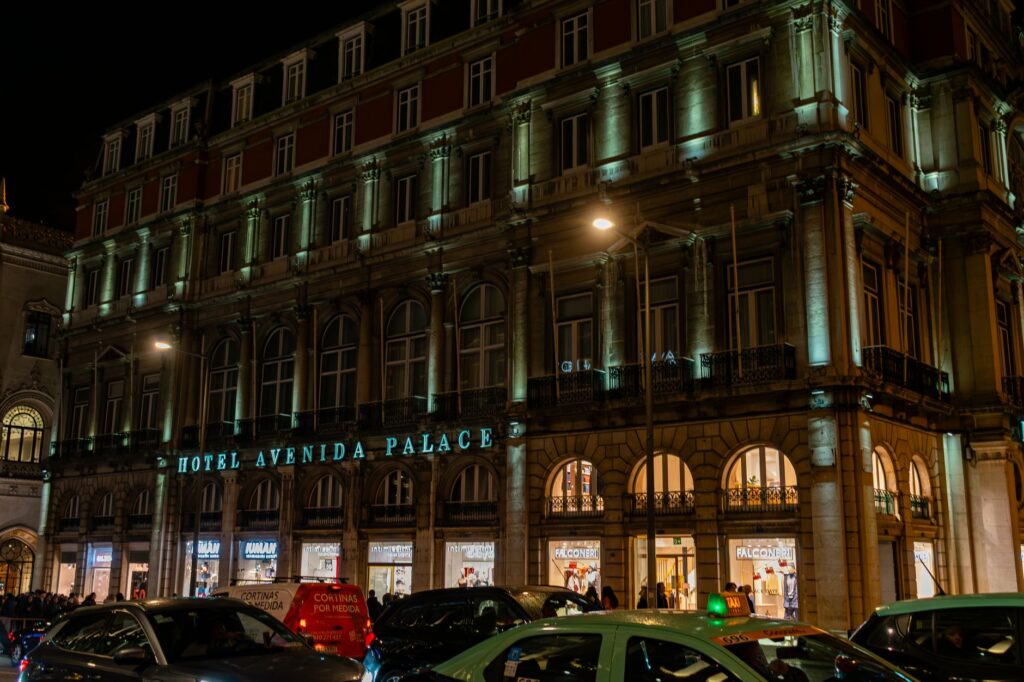
In the heart of major European and Latin American capitals, the most vibrant hotel trend is the recovery of heritage buildings—former convents, Renaissance palaces, industrial factories, and 19th-century banking headquarters—transformed into design sanctuaries. These interventions require a millimeter balance between the architectural conservation demanded by heritage authorities and the creative audacity of internationally renowned interior designers.
The differential value of these urban hotels lies in their deep-rooted sense of place. They are not generic structures alienated from their surroundings; they breathe the history of the city. Sleeping in a converted bank vault now serving as a wine cellar or breakfasting in the secular cloister of a monastery provides a narrative dimension unattainable in new construction. Service, in these cases, acts as a bridge between the building’s memory and the cosmopolitan expectations of today’s guest.
Gastronomy as the Identity Anchor of the New Hotel
No contemporary hotel opening can be considered complete without a culinary proposal that aspires to excellence in its own right. Today, leading international chefs abandon conventional routes to partner with these new projects, turning the hotel restaurant into an unmissable gastronomic destination for locals and international travelers alike.
Signature cuisine in newly opened hotels seeks the reinterpretation of local recipes through avant-garde prisms. The hotel’s own garden, artisanal fermentation, and absolute ingredient traceability are no longer differential elements, but the basic floor upon which a memorable culinary experience is built.
Practical guide
Planning a stay in a newly opened hotel requires a flexible mindset and informed selection criteria to maximize the experience.

- Ideal Time to Visit: It is recommended to book between the third and sixth month after the official opening. During this period, the human team has reached cruising speed and the facilities operate at one hundred percent.
- Booking Channel: For exclusive openings, managing the stay directly through the hotel’s reservations department or via specialized luxury travel agencies usually guarantees welcome privileges and space-available upgrades.
- Operational Flexibility: Maintaining an open attitude toward minor adjustments in spa schedules or secondary restaurant openings is key to fully enjoying the pioneering atmosphere.
- Service Verification: It is advisable to check in advance which specific areas of the complex (such as main pools or wellness centers) are fully operational at the time of arrival.
The Art of Memory: The Emotional Legacy of the First Traveler
At the end of the journey, when suitcases are zipped shut once more and the daily rhythm reclaims its space, what endures is not the flawless finish of the furniture nor the sophistication of home automation, but the emotional resonance of the place. The privilege of having been the first to inhabit that space, of having inaugurated the silence of a room or shared initial impressions with a team beginning to write its own history, leaves an indelible mark on the traveler’s biography.
That first-hand testimony is what fuels the vocation of Condé Nast Traveler España: continuing to seek out horizons where hospitality becomes pure art, reminding us that the world always holds a corner ready to be discovered for the very first time.
Source in EN: Condé Nast Traveler España