
Contemporary urban planning faces the most complex challenge in its recent history: reconciling demographic growth, climate urgency, and the demand for psychological well-being for its citizens. Each year, the Global Liveability Index evaluates dozens of metropolises under rigorous parameters that transcend mere GDP or tourist appeal. Political stability, healthcare system quality, cultural offerings, educational infrastructure, and environmental sustainability form the pentagon upon which modern livability rests. In 2026, the global map of urban excellence draws an archipelago of exemplary metropolises where technological innovation aligns with the human scale, proving that progress is incompatible neither with tranquility nor social harmony.
Far from the disordered bustle of traditional mega-cities, the top positions in the index reflect a deliberate commitment to decarbonization, active mobility, and the decentralization of public services. Analyzing these cities does not mean chasing unattainable utopias, but examining living laboratories where solutions for the future of coexistence are already a daily reality. From oceanic coasts to Nordic fjords, urban well-being is measured today by the capacity to provide clean air, safe public spaces, and a vibrant yet inclusive economy.
Vienna: The Enduring Triumph of Social Architecture and Efficiency
The Austrian capital maintains its hegemony in major livability indices thanks to a public management model that has been perfected over decades. Vienna does not compete through futuristic skyscrapers, but through an invisible yet indestructible network of social protection, high-quality affordable housing, and a public transport system that serves as a global benchmark. Vienna’s municipal management proves that urbanism can be an effective instrument against inequality, integrating historical heritage with cutting-edge energy solutions.
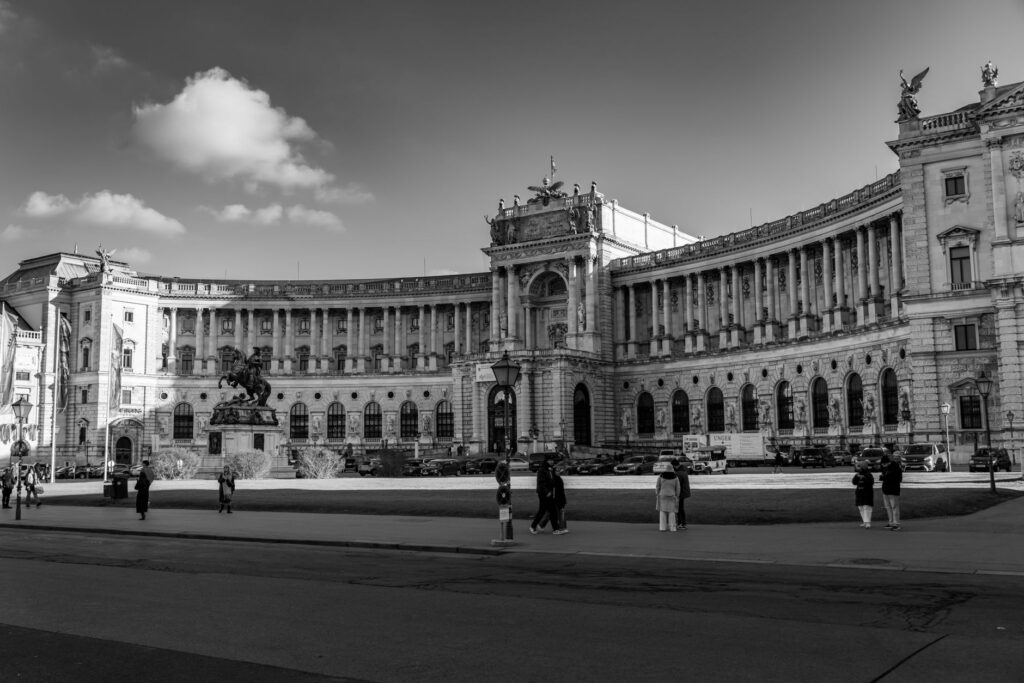
Strolling along the Ringstrasse ring or venturing into peripheral residential areas reveals a city where the proportion of asphalt, green spaces, and bike lanes is carefully balanced. Cultural spaces are not concentrated exclusively in the historic center, but distributed across decentralized civic centers that guarantee universal access to high culture, ranging from opera houses to contemporary art community workshops.
Copenhagen: The Silent Revolution of the Bicycle and Clean Water
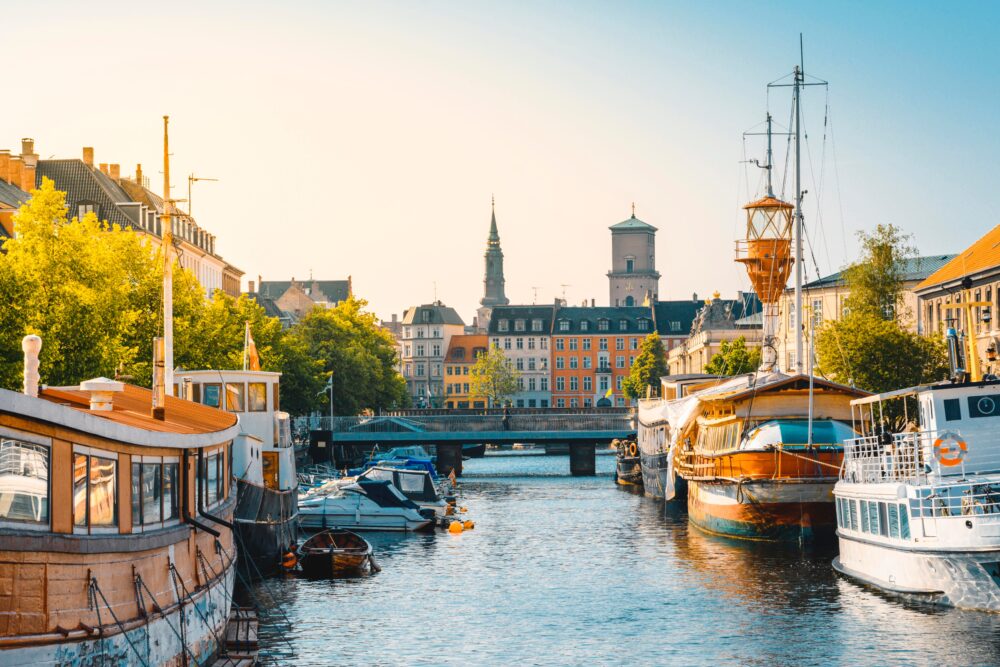
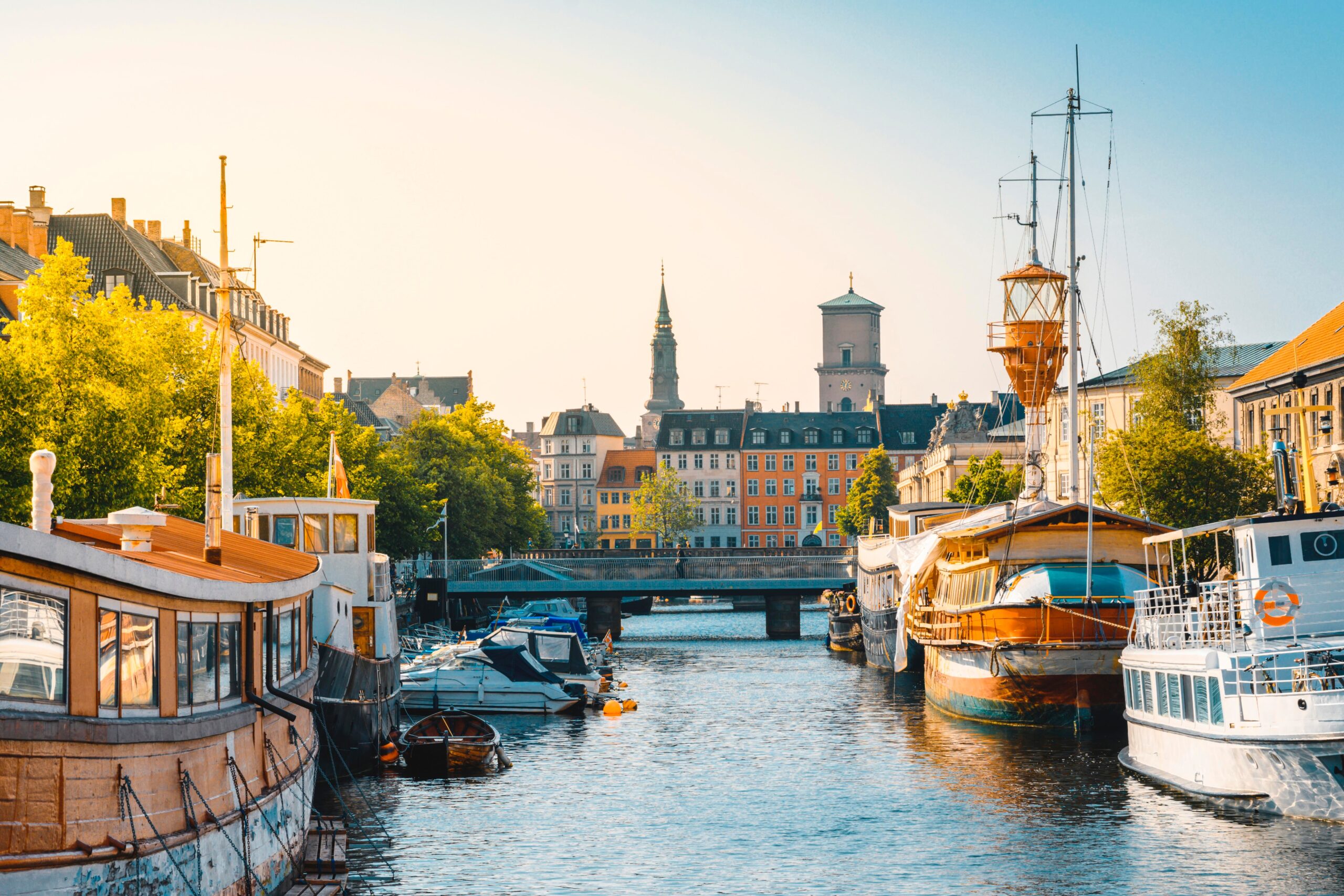
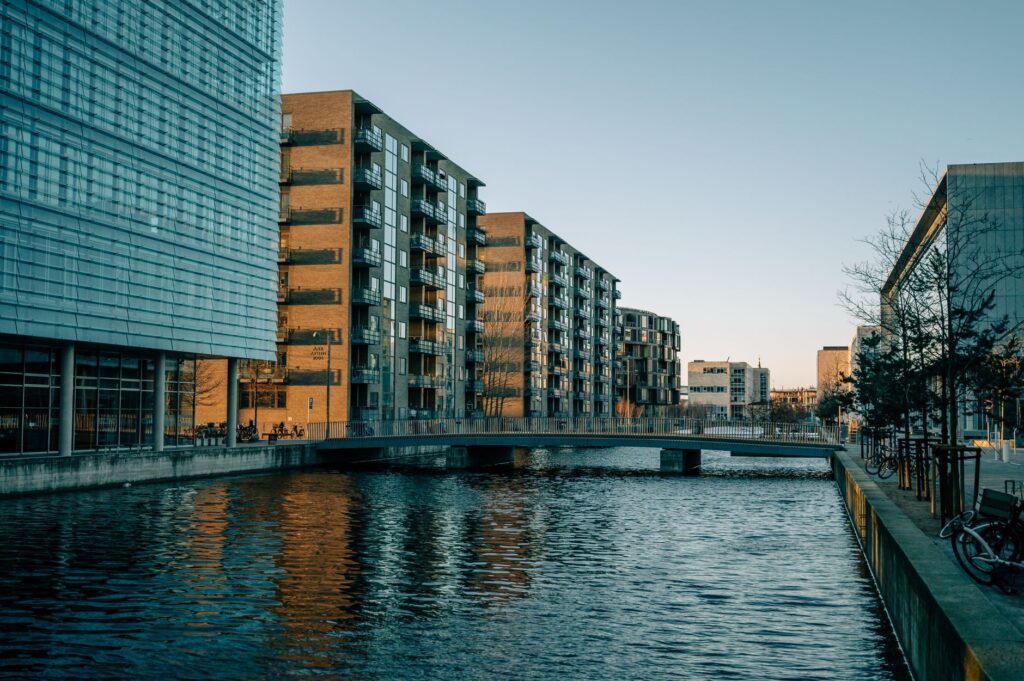
In Copenhagen, the bicycle is not a mere alternative means of transport, but the backbone upon which neighborhoods, squares, and commercial arteries are designed. The transformation of this port city into a global ecological benchmark was built on a long-term political vision that prioritized public health over private traffic congestion. The inner harbor, once industrial and degraded, is now a public bathing space where crystal-clear water reflects the audacity of contemporary architecture that respects the historical profile of copper rooftops.
Carbon neutrality here is not a promise for the year 2050, but an advanced process that permeates office building architecture, district heating systems, and waste policies. Living in Copenhagen implies embracing an ethics of shared space, where pedestrians and cyclists enjoy real priority that radically transforms the daily pulse of the metropolis, reducing acoustic and environmental stress to unusual levels for a European capital.
Zurich and Geneva: Swiss Precision at the Service of Health and Environment
The Swiss Confederation places two of its main cities at the vanguard of global livability, combining a hyper-competitive economy with unparalleled standards of safety, cleanliness, and direct contact with alpine nature. Zurich stands out for its financial dynamism and vibrant cultural scene along the shores of its namesake lake, where trams punctual as mechanical clocks connect immaculate residential neighborhoods with world-class research centers.
Meanwhile, Geneva contributes a unique cosmopolitan and diplomatic character, hosting the European headquarters of the United Nations and numerous international organizations. Both cities share an obsession with water quality, rigorous natural resource management, and an educational network of excellence that attracts global talent. However, this high standard of living requires facing significant challenges related to housing costs and the integration of diverse communities within a traditionally reserved social environment.
Melbourne and Sydney: The Oceanic Pulse of Livability and Open Space
Australia demonstrates that territorial immensity and demographic growth can be managed with criteria of extreme urban efficiency. Melbourne historically tops global preferences thanks to its vibrant neighborhood life, alleyways filled with street art and specialty coffee shops, and a network of historic trams structuring a dynamic yet accessible financial center. Social cohesion and cultural diversity are the fundamental pillars of its community fabric.
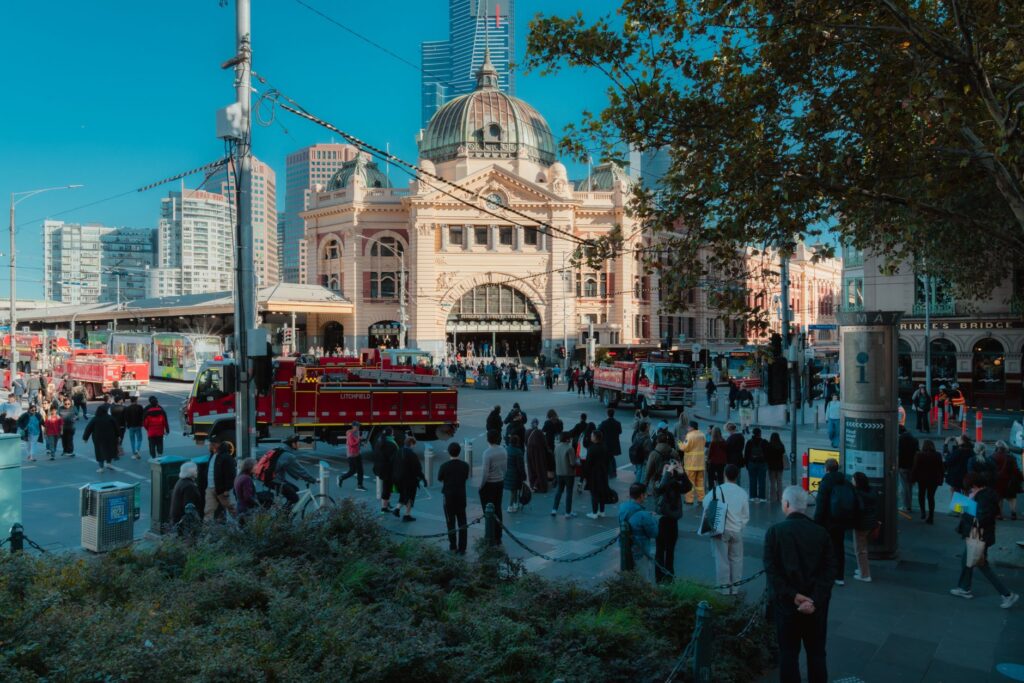
Sydney, on the other hand, balances its iconic harbor skyline with a resolute commitment to protecting its coastal national parks and developing multimodal transport infrastructures. The symbiotic relationship between the marine environment and the urban fabric defines the identity of these Australian metropolises, where a temperate climate fosters an outdoor lifestyle that prioritizes sports, nature leisure, and community interaction along extensive seaside promenades.
The true success of a great city is not measured by the height of its skyscrapers, but by the autonomy and tranquility with which its most vulnerable inhabitants can walk its streets as evening falls.
Vancouver: The Frontier Where Wild Nature Embraces the Metropolis
Situated between the Pacific Ocean and the coastal mountain range, Vancouver offers a geographical combination that is difficult to match. Livability in this Canadian city is supported by a deeply rooted culture of respect for the environment, where alpine skiing and ocean kayaking are part of residents’ weekly routines. Its urban fabric, densified around efficient public transit axes, prevents uncontrolled metropolitan sprawl.
Nevertheless, Vancouver grapples with real estate tensions stemming from its global appeal, a challenge that the local administration attempts to mitigate through strict rental housing protection regulations and the promotion of sustainable timber architecture. The result is an urban landscape where technological modernity coexists with ancient temperate forests that literally penetrate the edges of residential neighborhoods.
Tokyo: Orderly Hyper-Density and the Sophistication of Daily Life
Contrary to the Western intuition associating high demographic density with chaos, Tokyo demonstrates that millions of people can coexist in a reduced space with outstanding levels of safety, civility, and operational efficiency. The Japanese capital surprises visitors and researchers alike with its respectful silence on high-speed trains, the impeccable cleanliness of its streets despite the scarcity of public trash cans, and a railway network operating with micrometric punctuality.
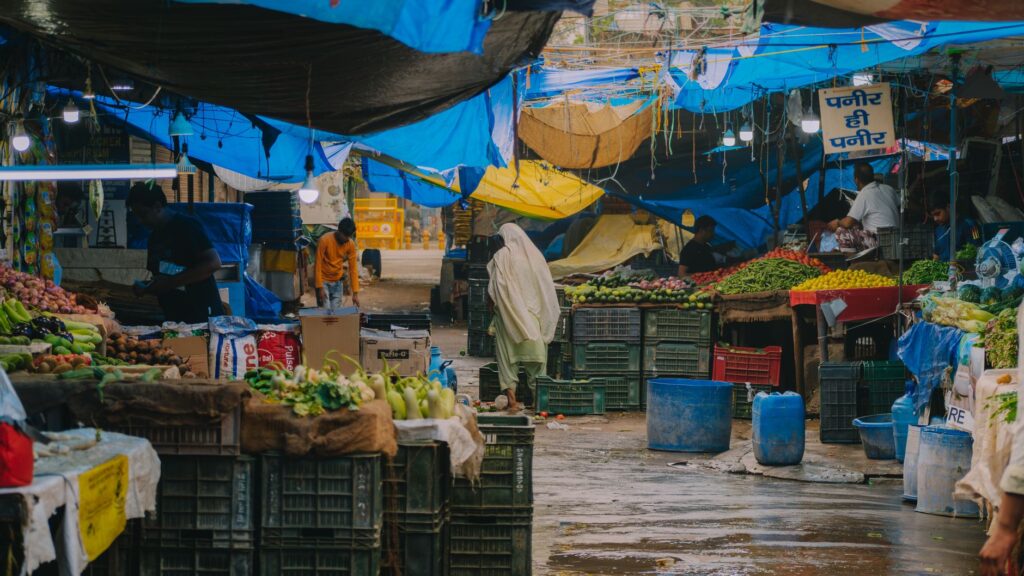
The secret of Tokyo lies in its peculiar structure of interconnected autonomous neighborhoods, where each district functions as a small self-sufficient city with traditional markets, miniature temples, and state-of-the-art commercial towers. Peaceful coexistence in the Japanese megalopolis is based on an implicit code of mutual consideration and technological infrastructure that anticipates and resolves incidents before they affect the citizenry.
Practical guide
To understand on the ground the factors determining urban excellence according to the Global Liveability Index, technical visits or extended stays are recommended by analyzing the following aspects:
- Mobility: Prioritize the use of integrated public transport networks and local bicycle rentals in cities like Copenhagen and Vienna.
- Accommodation: Look for stays in peripheral residential neighborhoods well-connected by subway or tram to experience the true human scale of these metropolises.
- Gastronomy and markets: Visit traditional municipal markets (such as Markthalle Im Viertel or Viennese central markets) to understand local sustainable supply policies.
- Timing: Avoid peak summer tourist months in the northern hemisphere if you wish to observe the real everyday rhythm of local citizens.
The urban horizon of the 21st century demands looking beyond gross economic growth to embrace metrics of integral well-being. The cities leading international livability indices today are not those accumulating the most financial resources, but those that have understood that free time, respiratory health, citizen security, and the beauty of public spaces are the most valuable assets a society can offer its members. Ultimately, the livable city is one that cares for its people with the same precision with which it designs its skyscrapers and parks.