
Introduction to the Sea of Cortez and its exceptional ecosystem
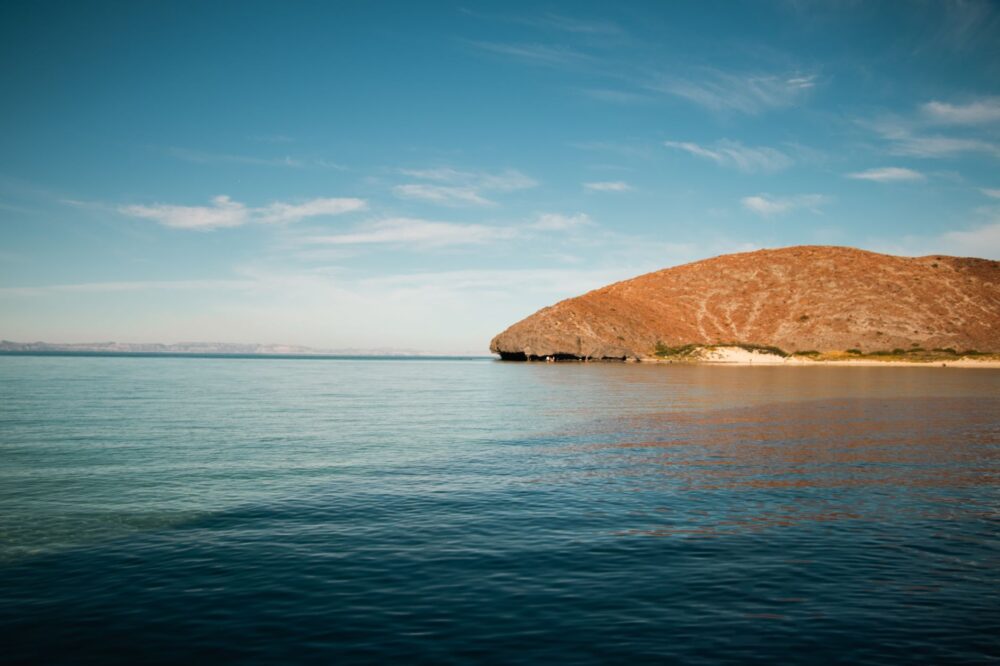
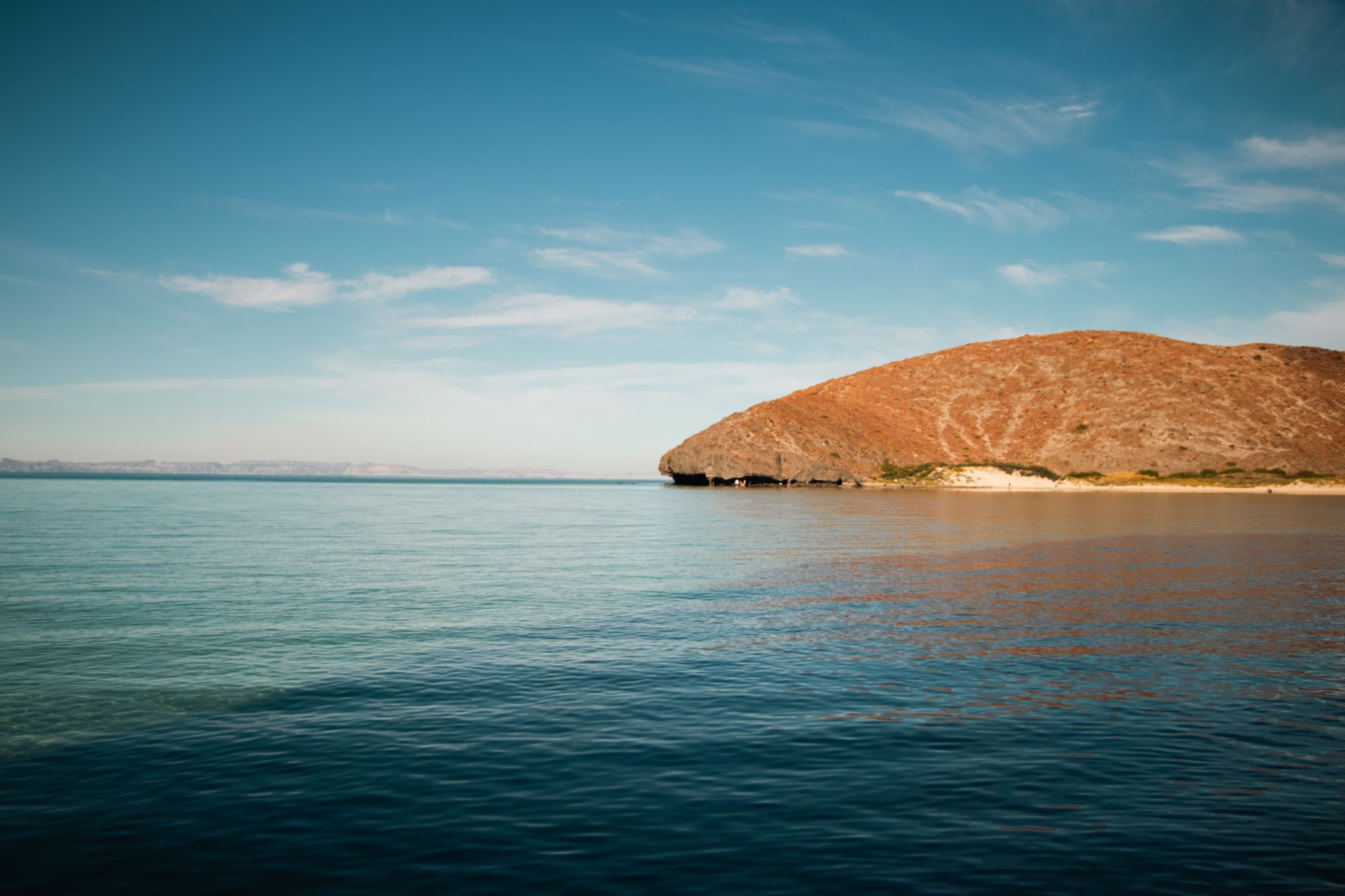
The Upper Gulf of California, also known as the Sea of Cortez or Sea of Cortes, represents one of the most unique and fragile oceanographic laboratories on the planet. In this northwestern corner of Mexico, where the Colorado River once poured its flows before human dams altered its natural pulse, highly complex marine dynamics converge. The waters of this semi-enclosed basin experience sharp seasonal thermal variations and intense evaporation, factors that foster an ecosystem exceptionally rich in nutrients. It is precisely in this restricted habitat that the world’s smallest cetacean evolves and survives: the vaquita (Phocoena sinus).
The presence of this endemic porpoise is inextricably linked to the physical characteristics of the region, marked by muddy flats, extreme tides, and a shallow continental shelf. Understanding the ecology of the vaquita requires looking beyond its charismatic gray silhouette and delving into the complex trophic balances that sustain its survival. For decades, the international scientific community has warned about the extreme vulnerability of a species whose geographic range is limited to a few square miles in the northern portion of the gulf, making it a living barometer of the environmental health of the Gulf of California.
The biology and elusive behavior of Phocoena sinus
Unlike large oceanic dolphins that plow open seas with acrobatic leaps, the vaquita stands out for its extreme discretion. Phocoena sinus rarely shows much of its body when breathing; its surfacing is a quick, subtle, and silent movement that barely generates a slight blow and minimal ripple in the water. This elusive behavior has historically presented an enormous challenge for researchers tasked with censuring its populations. With a length that rarely exceeds one and a half meters in adults and characterized by striking dark rings around the eyes and lips, this species is adapted to swim with agility in turbid, sediment-rich waters.
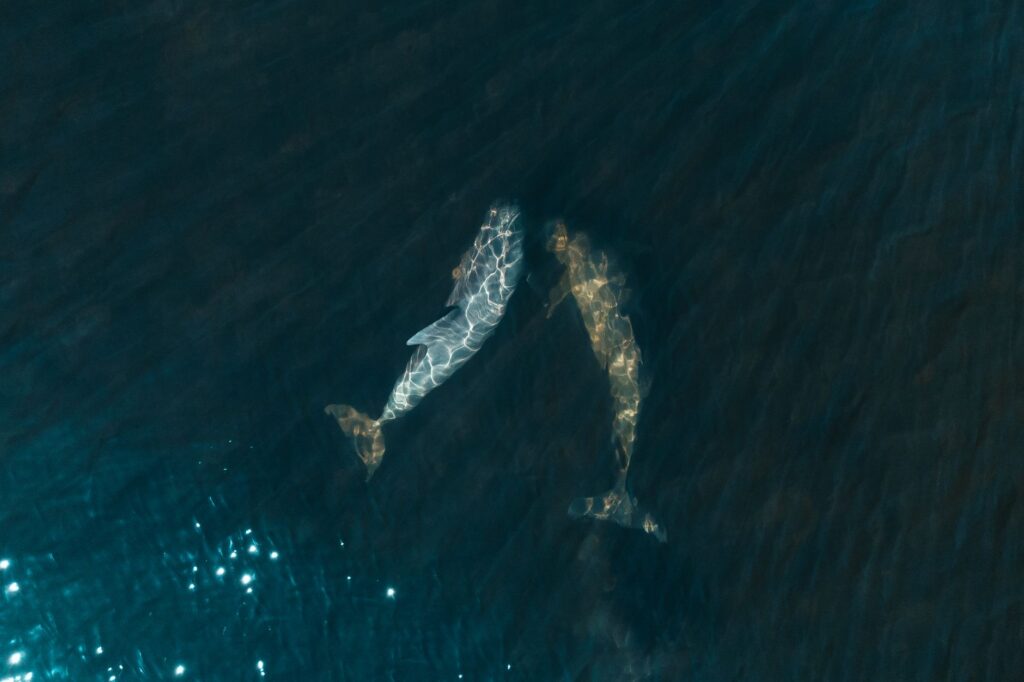
Its diet is opportunistic and highly specialized, composed of benthic and demersal fish, squid, and crustaceans that inhabit the seabed of the upper gulf. The vaquita’s dependence on these local resources means that any alteration in the food chain—whether due to fluctuations in water temperature, acidification, or overfishing—immediately impacts its reproduction and survival rates. Bioacoustic studies conducted using submerged hydrophones have shown that vaquitas use high-frequency echolocation to navigate and hunt in the dark, a sophisticated sensory system that, ironically, proves useless against modern technological threats installed by humans in their habitat.
The silent trap: the impact of gillnets and illegal fishing
The determining factor that has pushed the vaquita to the brink of extinction is not a natural disease or shark predation, but direct interaction with non-selective fishing gear. Gillnets, traditionally used for capturing local fish such as curvina and shark, have become authentic death traps for small cetaceans. Lacking a sonar system capable of detecting these fine monofilament meshes or becoming entangled in them during dives for food, vaquitas drown because they cannot reach the surface to breathe.
The crisis escalated dramatically with the arrival of the craze for the totoaba (Totoaba macdonaldii), another large endemic fish whose swim bladder is coveted in Asian markets due to false beliefs about its medicinal properties and status as a status symbol. Poaching of the totoaba through the extensive use of illegal set nets unleashed unprecedented collateral carnage. Despite government efforts and the strict prohibition of these fishing gears in the zero-tolerance area, the persistence of ghost nets and the infiltration of illegal fishing continue to decimate the remaining population cores of the vaquita.
Acoustic monitoring strategies and scientific conservation
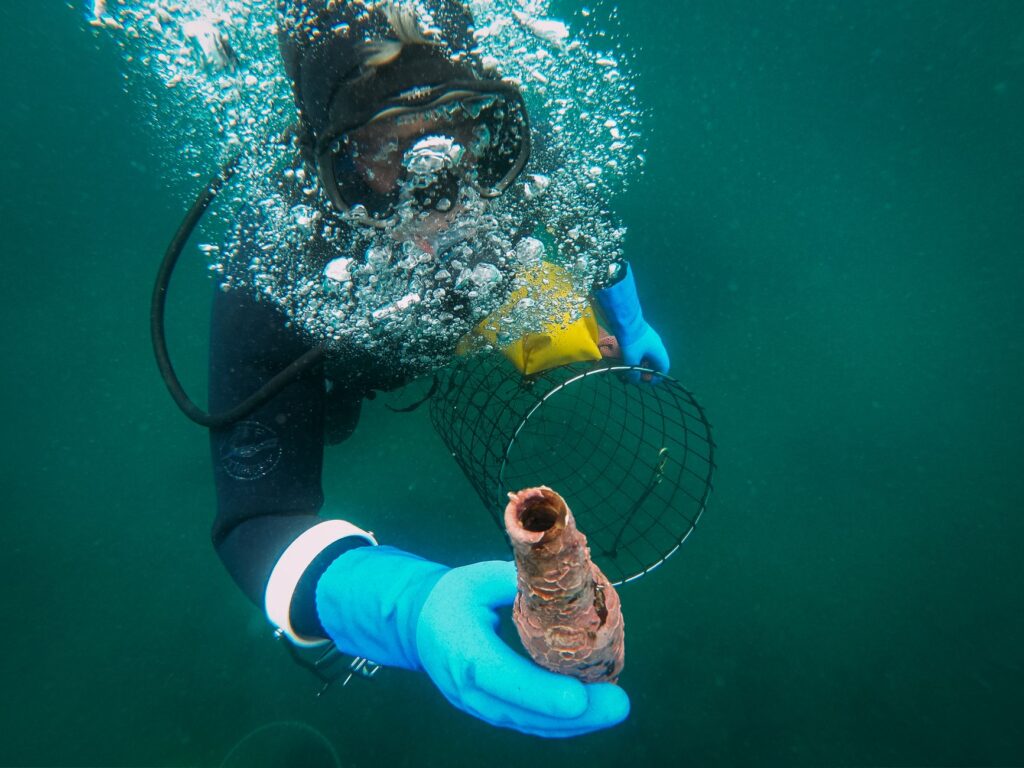
Given the impossibility of conducting traditional visual censuses due to the reduced number of individuals and the elusive behavior of the cetacean, science has had to reinvent itself. Over the past decade, passive acoustic monitoring has been established as the most reliable tool to assess the status of the vaquita population. Networks of autonomous underwater recorders, strategically anchored to the seabed of the Upper Gulf of California, continuously record the echolocation clicks emitted by the animals. Computer analysis of these recordings allows marine biologists to estimate the density and relative presence of the species with remarkable precision.
Simultaneously, international initiatives led by scientific committees and non-governmental organizations have driven active conservation projects, ranging from the development of alternative, environmentally friendly fishing gear to joint patrols with satellite surveillance technology and drones. However, experts agree that science alone cannot save the species; unwavering political willpower, the dismantling of international illegal trafficking networks, and sustained financial support for local fishing communities legally dependent on the gulf’s resources are required.
The socioeconomic fabric of San Felipe and Golfo de Santa Clara
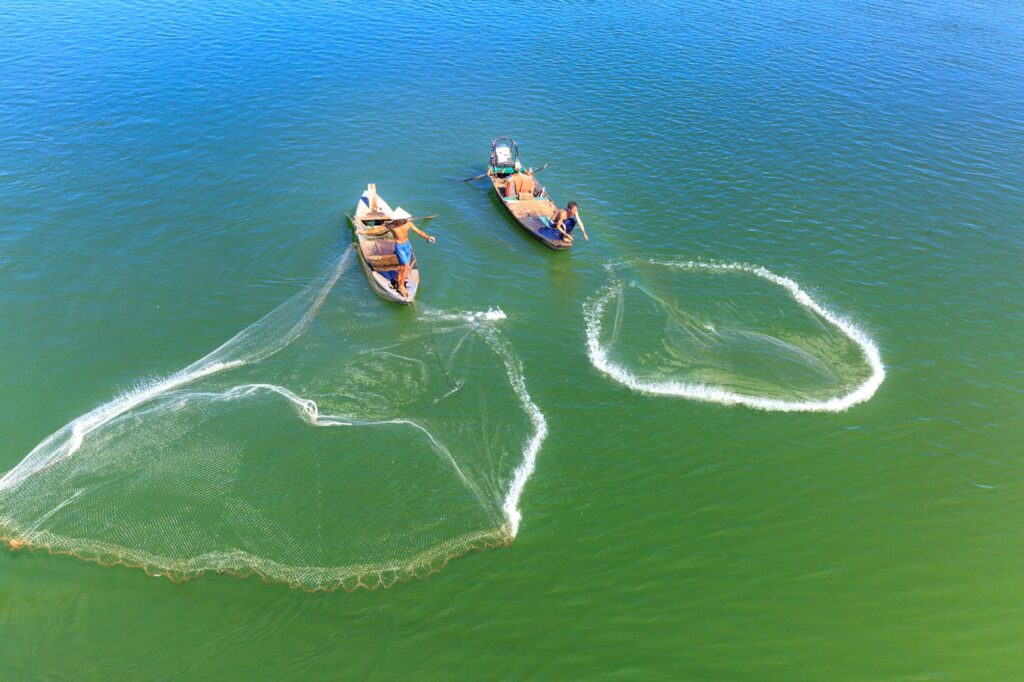
Talking about vaquita conservation without addressing the socioeconomic reality of neighboring coastal communities—mainly San Felipe in Baja California and Golfo de Santa Clara in Sonora—is ignoring a fundamental part of the equation. Traditional fishing families have seen their traditional livelihoods choked by restrictions and prohibitions imposed to protect the cetacean. The lack of viable and sustainable economic alternatives has generated social tensions, distrust toward authorities, and a breeding ground for the underground economy of totoaba poaching to gain ground among marginalized sectors of the population.
Transforming this scenario requires a paradigm shift toward regulated marine ecotourism, sustainable aquaculture of scale species, and transparent, direct economic compensation programs. Some local fishermen have already begun transitioning toward responsible bird watching, watching larger cetaceans, and catch-and-release sport fishing, demonstrating that human activity can be reconciled with the protection of natural heritage. However, the transition is slow and uneven, requiring a long-term commitment by state and federal institutions to prevent communities from collapsing alongside the ecosystem they inhabit.
Legal framework and international pressure on illegal trade
The protection of the vaquita has transcended national borders to become a global symbol of the efficacy—and sometimes impotence—of international environmental law. Conventions such as CITES (Convention on International Trade in Endangered Species of Wild Fauna and Flora) have kept Mexican authorities under close scrutiny, demanding forceful action plans and compliance with trade sanctions in the face of inaction against totoaba bladder trafficking. This external pressure has forced the doubling of surveillance at key ports and international airports, although smuggling networks operate with increasingly sophisticated methods.
The survival of the vaquita does not depend solely on decrees on paper, but on human capacity to dismantle the global illegal trade networks that finance its silent extinction.
Within Mexican territory, the implementation of the Zero Tolerance Zone and the sinking of concrete blocks with hooks in critical areas to prevent illegal net dragging have partially curbed the incursion of poacher vessels. However, gaps in law enforcement and corruption remain critical weaknesses that erode the effectiveness of these measures. The international community continues to demand rigorous audits and tangible results, reminding us that the loss of the vaquita would not only constitute a local ecological tragedy, but a collective defeat for global environmental diplomacy.
Practical guide
Planning a responsible trip to the Upper Gulf of California requires understanding conservation regulations and supporting scientific ecotourism initiatives that respect marine sanctuaries.
- How to get there: Access is primarily achieved via Mexicali International Airport or through land routes from Tijuana, crossing the Baja California peninsula toward San Felipe, or from Hermosillo toward Golfo de Santa Clara in the state of Sonora.
- Best time to visit: The months between November and April offer the most benign weather conditions, with mild temperatures and lower incidence of extreme winds in the gulf.
- Accommodation and services: Opt for small family-run hotels and certified local tour operators that promote environmental education and collaborate with marine research centers.
- What to avoid: Never purchase products derived from protected wildlife, especially totoaba swim bladders or seashell souvenirs collected in ecological reserve areas.
Final reflections on the future of the Sea of Cortez
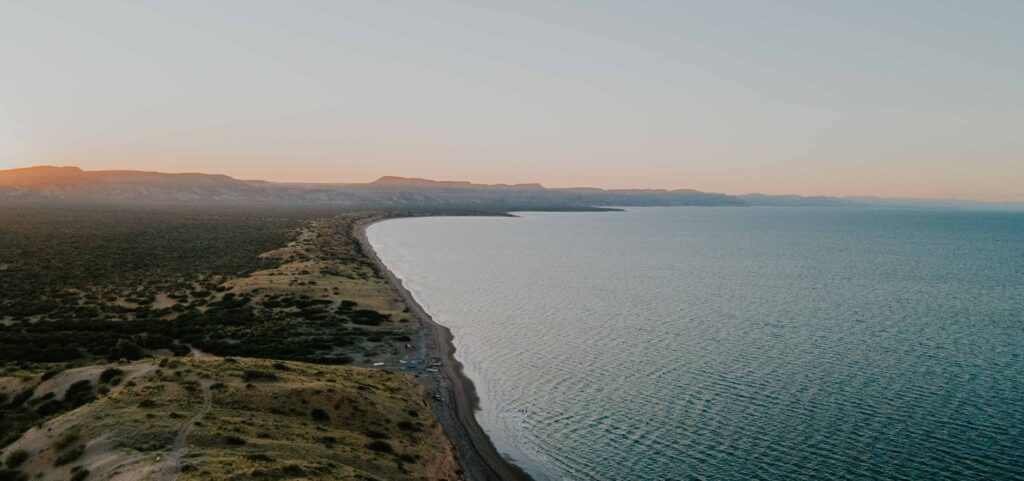
On the threshold of twilight, the waters of the Upper Gulf of California adopt a leaden, still tone that seems to suspend time. On the surface, the absence of human movement recalls the extreme fragility of a sanctuary hanging by a very thin biological thread. The story of the vaquita is, in essence, a mirror of our own relationship with the oceans: a reminder that the immensity of the sea is no longer a shield against the ravages of overexploitation. Protecting what remains of this ecosystem is not a task reserved solely for biologists and legislators, but an ethical imperative for anyone who recognizes the intrinsic value of wildlife. If Phocoena sinus disappears, we will have allowed one of the most delicate notes of the planet’s natural symphony to go out, leaving an irreplaceable void in the waters that were once home to unrepeatable biodiversity.