
Colonial Origins and the Conquest of the Wilderness
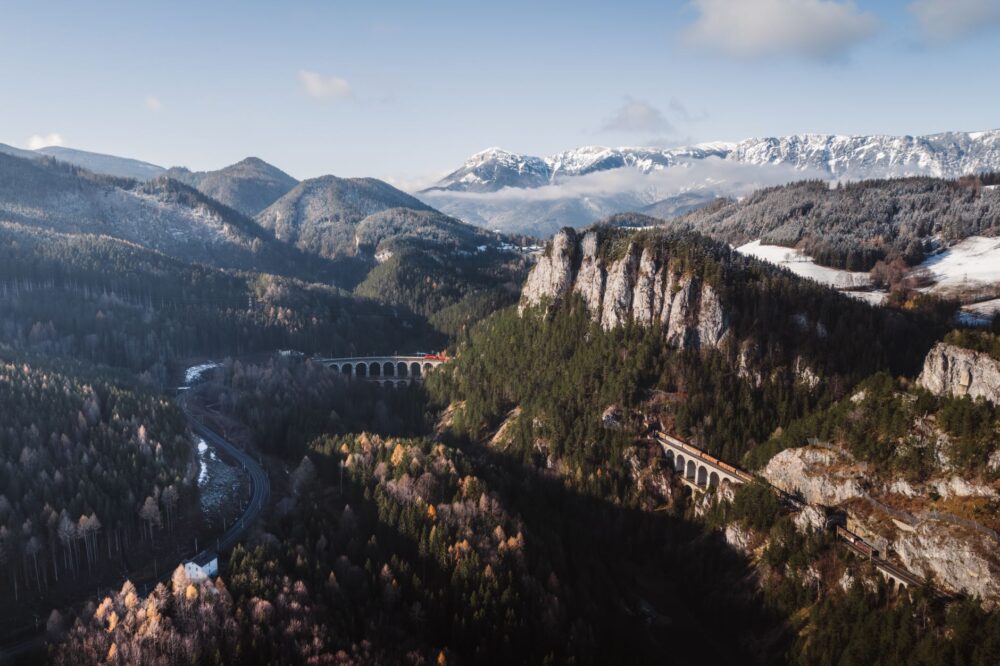
The construction of the railway system on the island of Sumatra initially responded not to impulses of social integration, but to a strict colonial extractive logic driven in the late 19th century by the Dutch administration. The pressing need to transport valuable raw materials—such as rubber, Deli tobacco, and palm oil—from the fertile interior to coastal export ports demanded an engineering feat unprecedented in extreme tropical environments. Local and contracted workforces faced swampy terrain, persistent monsoonal rains, and a dense equatorial jungle that seemed to devour every kilometer of track as soon as it was cleared. Engineers of the era had to design routes that bypassed the island’s volcanic spine, an abrupt relief characterized by deep valleys and steep slopes that drastically limited the tractive effort of the steam locomotives available at the time.
This titanic effort resulted in a fragmented yet vital network that radically transformed the region’s demography and economy. Transfer stations quickly turned into bustling commercial hubs where agricultural production converged with the supply of industrial goods imported from Europe. Despite the havoc caused by subsequent wartime conflicts and decades of subsequent state neglect, the original layout retains indelible traces of an era where railway technology stood as the sole tool capable of subduing the relentless geography of the Malay archipelago. Today, traversing the surviving sections allows one to grasp the sheer scale of that colonial enterprise which forever redefined Sumatra’s economic pulse.
Extreme Topography and Equatorial Jungle Challenges
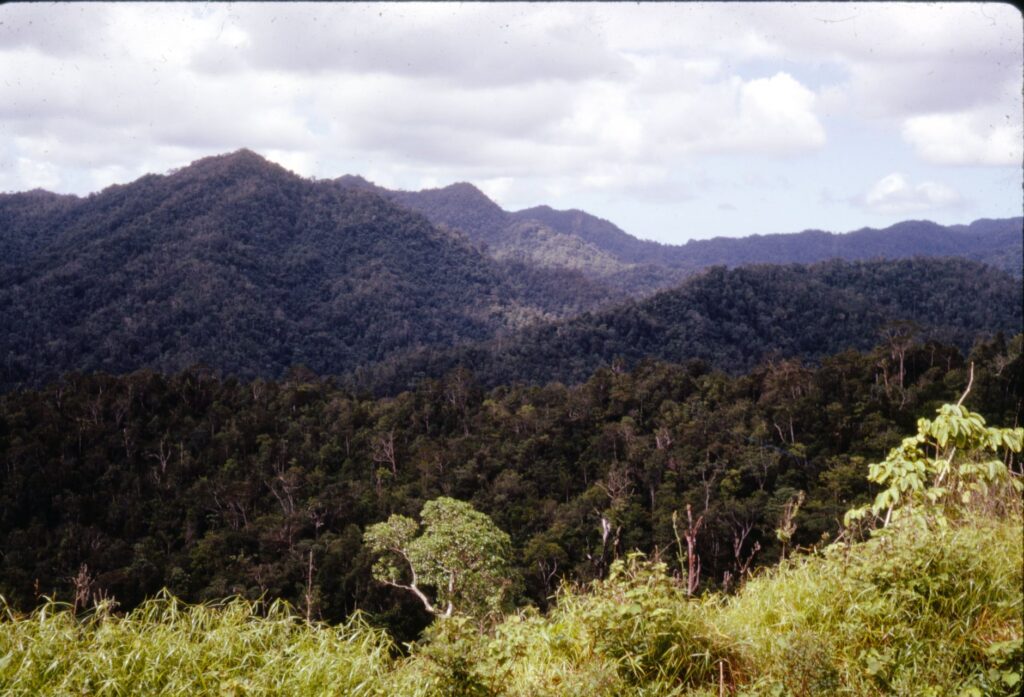
Overcoming Sumatra’s geography entails defying an ecosystem where constant humidity and intense seismic activity test any land transport infrastructure. Railway lines frequently run along active geological faults, compelling modern maintenance teams to perform rigorous inspections to prevent landslides and washouts caused by sudden river floods. The surrounding tropical vegetation, with its lush and accelerated growth, poses a constant threat to the stability of the ballast bed, requiring relentless weeding and phytosanitary control to prevent roots from invading the trains’ safety corridor.
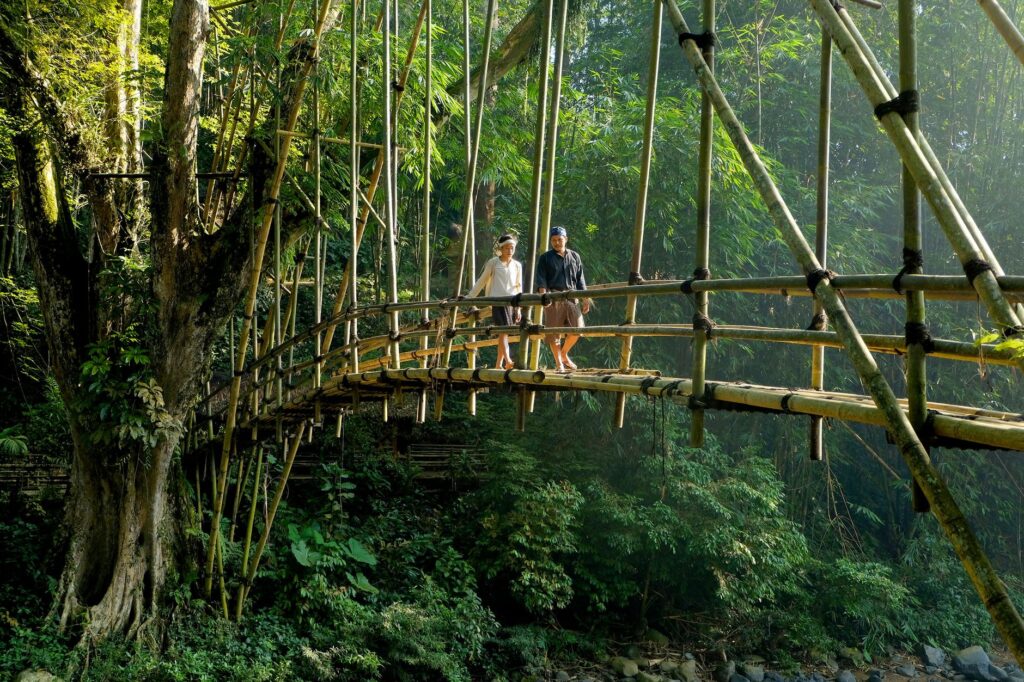
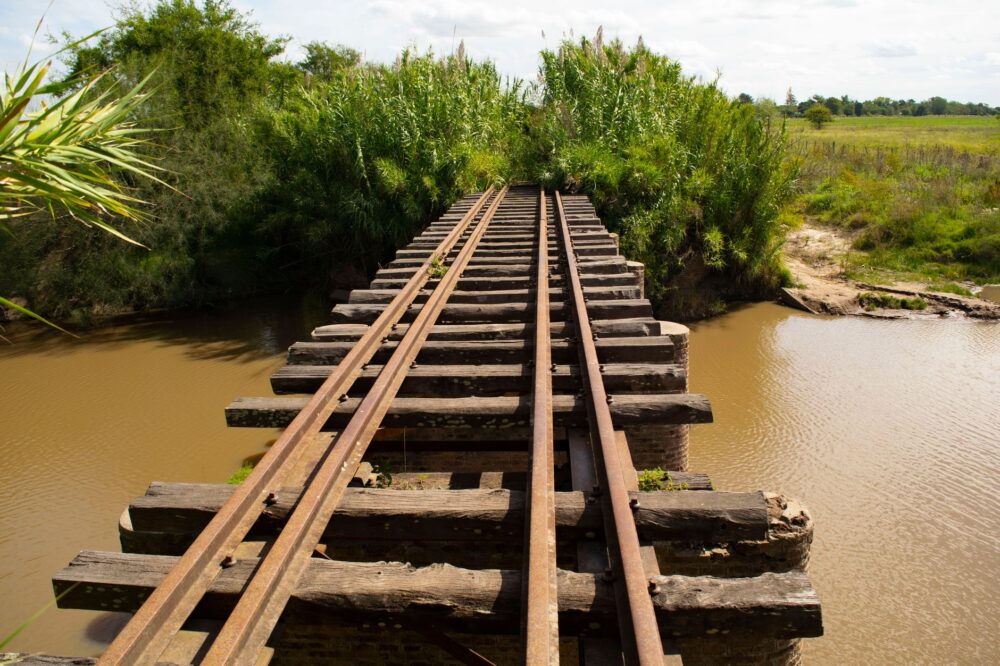
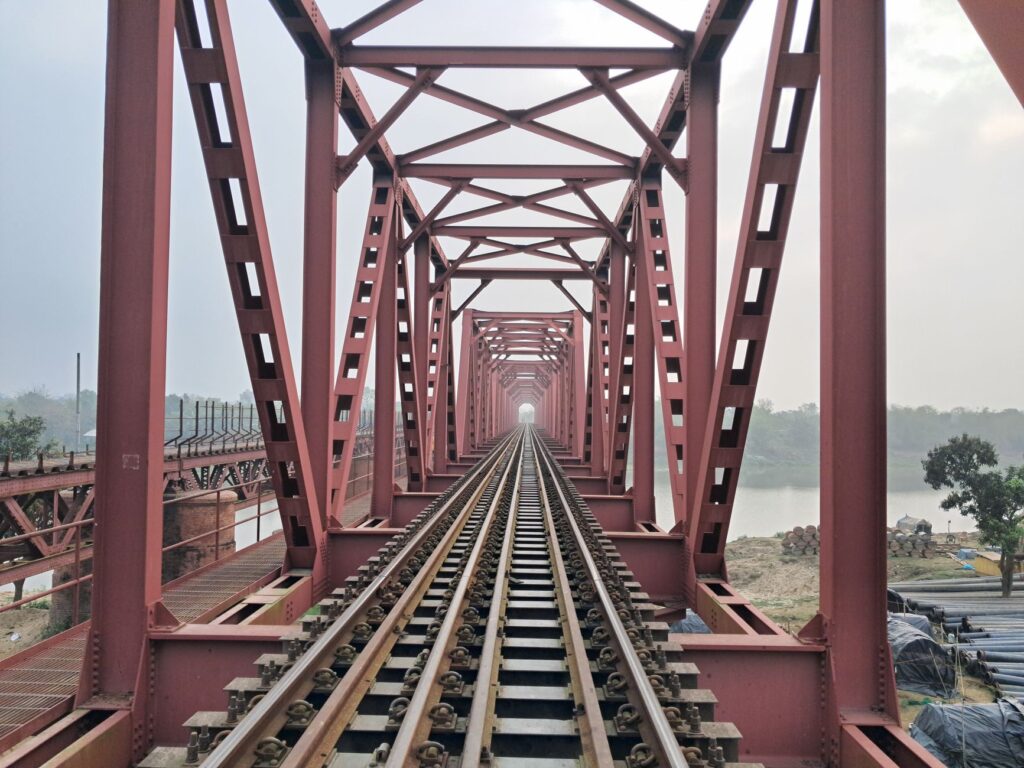
Likewise, the metal bridges and viaducts erected in the late 19th century face an accelerated corrosion process due to the combination of high temperatures and abundant precipitation. Contemporary engineers combine heritage restoration techniques with modern steel alloys to preserve the structural integrity of these industrial monuments without altering their historical value. Drainage management along forested slopes constitutes another fundamental pillar to guarantee the line’s operability, preventing runoff water from washing away the foundations upon which the single track vertebrating the insular interior rests.
Agro-Industrial Logistics and Heavy Freight Transport
In Sumatra’s current economic framework, the railway plays a strategic role in the supply chain of the agro-industry and the energy sector, easing congestion on roads frequently saturated by heavy truck traffic. The freight capacity of railway convoys allows for the transportation of large volumes of crude palm oil, coal, and rubber derivatives directly to loading docks, significantly reducing the carbon footprint associated with long-distance overland transport. This logistical efficiency remains indispensable for maintaining the competitiveness of Indonesian exports in international markets.
Operational coordination between regional freight terminals and port authorities requires meticulous planning, especially at railway junctions where narrow-gauge lines inherited from the colonial era converge with newer investments in logistical infrastructure. National railway authorities have promoted modernization programs to update signaling systems and increase permitted axle loads, thereby allowing the circulation of heavier and safer trains. This technological upgrade effort seeks to consolidate the railway as the backbone of sustainable development in one of Indonesia’s regions with the highest demographic and economic growth.
Railway Architecture and Endangered Industrial Heritage
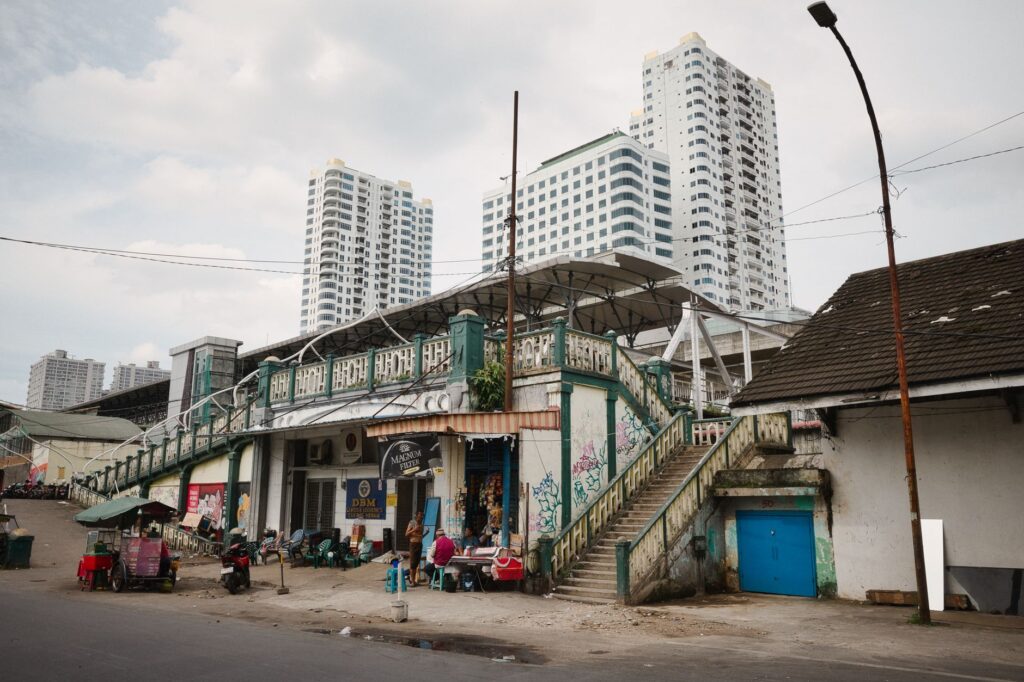
The architectural heritage associated with Sumatra’s railway system constitutes a valuable testimony of civil engineering from the industrial era in Southeast Asia. Terminal stations, characterized by wide eaves designed to protect travelers from torrential tropical rains and by a fusion of European building elements with local materials, reflect aesthetic and functional adaptation to the equatorial climate. Granite and hardwood buildings, locomotive repair workshops with riveted metal structures, and century-old water towers form a unique industrial landscape that today struggles for preservation against the advance of urban speculation and institutional neglect.
Conservationist organizations and cultural heritage experts insist on the urgent need to catalog and protect these facilities before environmental degradation and vandalism completely erase the vestiges of this shared history. Some historic stations have been the subject of revitalization initiatives, transforming into small cultural centers or local museums that narrate the epic tale of railway construction. However, the lack of recurring funds and the priority granted to road investments restrict the scope of these protective actions, leaving much of the railway architectural heritage at the mercy of the elements.
The Traveler’s Experience: Slowness, Landscape, and Daily Life
Boarding one of the passenger trains still operating on specific sections of Sumatra offers a profound immersion into the daily life of local communities, far from conventional tourist circuits. The leisurely pace of the convoy, winding between endless tea plantations and steep, mist-covered hills, invites contemplation and tranquility in a world dominated by haste. Inside the carriages, crowded with street vendors, families traveling to regional markets, and students, an atmosphere of genuine hospitality breathes where time seems to stretch to the rhythm of the metallic rattle over rail joints.
For the contemporary traveler, this journey represents an exceptional opportunity to connect with the island’s geographical and human authenticity, observing from the window the uninterrupted transition between virgin jungle and traditional rural settlements. Stops at small rural stations allow interaction with inhabitants and tasting local products offered on the platforms, turning the trip into a complete sensory experience. Far from the aseptic luxury of high-speed trains, the Sumatran railway vindicates the value of travel as an end in itself, an intimate encounter with the territory and its people.
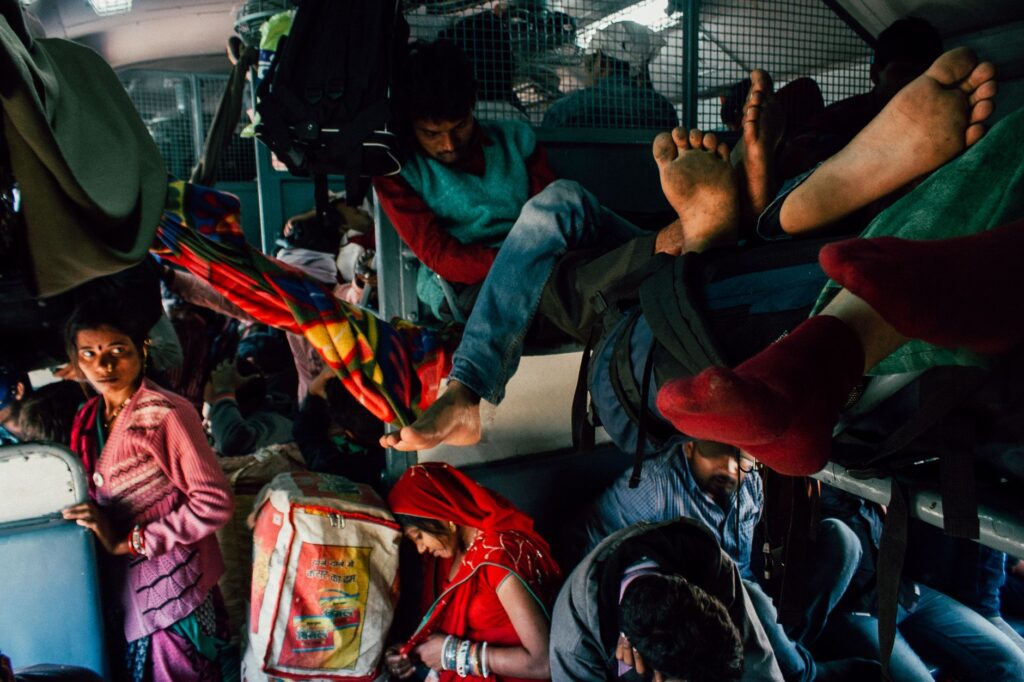
The railway in Sumatra is not merely a means of transport; it is the thread uniting colonial memories with the urgencies of the present, a moving monument defying the vastness of the equatorial jungle.
Challenges of Regional Integration and State Modernization
The full integration of Sumatra’s railway system within the major transport corridors of the Indonesian archipelago faces significant financial, technical, and political barriers. Although the central government has outlined ambitious plans to rehabilitate and connect isolated sections into a unified insular network, the oro-graphical complexity and high cost of land acquisition complicate project execution. The lack of gauge standardization among different historical colonial divisions demands massive adaptation works before establishing a continuous railway service from the north to the south of the island.
Furthermore, direct competition with road transport, heavily subsidized in terms of fuel and maintenance, discourages large-scale private investment in the railway sector. To overcome these obstacles, transport planners emphasize the need to establish stable regulatory frameworks and public-private partnership models ensuring long-term economic viability. Only through a decisive commitment to intermodality and environmental sustainability will it be possible to equip Sumatra with the advanced transport infrastructure that its growing economic and population dynamism urgently demands.
Practical guide
How to get there: Access to Sumatra’s operational railway network is generally achieved from Medan, the largest city in the northern part of the island, connected via regular international flights with Kuala Lumpur and Singapore. The main connecting stations to begin historic journeys are located in Medan and Pematangsiantar.
When to travel: The most favorable time to tour the region comprises the dry months, between May and September, when monsoonal precipitation notably decreases, facilitating both railway travel and outdoor activities in the jungle.
Route planning: It is essential to check updated local schedules directly at the ticket counters of main stations, as passenger train frequencies are limited and subject to frequent operational adjustments due to track maintenance.
Accommodation and services: Hotel offerings near historic stations range from traditional family guesthouses to urban hotels in Medan. Advance booking is recommended in rural areas due to the scarcity of standardized tourist accommodations.
Travel requirements: Foreign visitors must hold a valid passport with a minimum validity of six months and verify current visa requirements to enter Indonesia, in addition to purchasing travel insurance covering medical assistance in remote areas.
Connectivity and currency: The official currency is the Indonesian rupiah. Carrying sufficient cash for small trips and purchases in rural areas is advised, as credit cards are rarely accepted. Mobile phone networks work well in cities, but coverage may drop in deeply forested sections.
The Eternal Pulse of the Rails Beneath the Equatorial Mist
At dusk, when the dense tropical mist descends over the volcanic valleys and envelops the rusted silhouettes of old metal bridges, Sumatra’s railway system reveals its most poetic and evocative dimension. In that moment of relative silence, interrupted solely by the distant murmur of the jungle and the steady drip of rain on palm leaves, the century-old rails seem to come alive, jealously guarding the stories of thousands of workers, engineers, and travelers who crossed them over the decades. It is not merely iron and ties subjected to nature’s relentless test, but an artery of human resistance refusing to fade into oblivion. Observing the arrival of the last convoy of the day at a station lost among vegetation proves that, despite logistical challenges and relentless modernization, Sumatra’s beating heart continues to pulse at the slow and steady rhythm of its historic tracks.